
Leveraging cryptocurrency as collateral is gaining momentum among crypto holders seeking liquidity without sacrificing their long-term positions. The Ledger CL Card, a Visa debit solution powered by Baanx and integrated with the Ledger hardware wallet ecosystem, is positioned at the forefront of this trend. In this review and guide, I’ll break down how the CL Card lets you spend crypto or use it as collateral, and what to watch out for in terms of fees, usability, and risk.

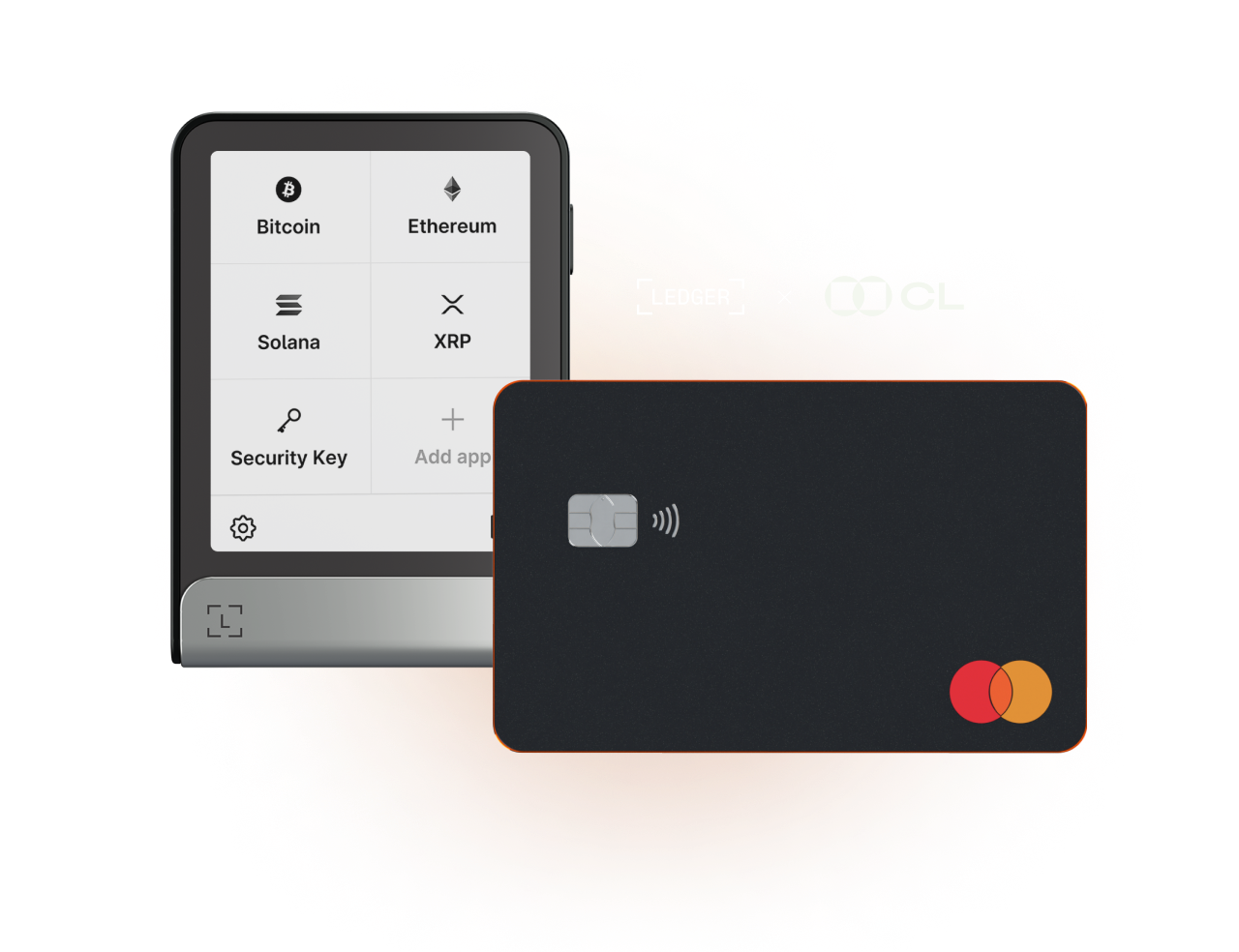
Ledger CL Card: Bridging Crypto Holdings and Everyday Spending
The CL Card enables users to spend crypto at over 90 million merchants globally while maintaining self-custody through Ledger’s hardware wallet security. What sets it apart from basic crypto debit cards is its dual-functionality: you can either top up your card with crypto for direct spending or use your digital assets as collateral for a line of credit – all managed via the Ledger Live app.
Key features include:
- 1% cashback in Bitcoin (BTC) or USD Coin (USDC) on every purchase
- Direct paycheck deposit with optional automatic crypto conversion
- No intermediaries – self-custody remains intact
- Credit lines backed by your own BTC or ETH holdings
This approach appeals to both active spenders and those who want access to liquidity without selling their assets. However, it’s crucial to scrutinize the cost structure before using the card for large transactions.
How Does Using Crypto as Collateral Work?
The CL Card offers two distinct options for leveraging your holdings:
- Cryptodraft: Borrow up to 60% of your deposited BTC or ETH value. The first 10% accrues zero interest; a monthly interest rate of 1% applies on the remainder. Repayments are flexible with no minimums.
- Stableloan: Take out a loan in stablecoins (USDT, USDC, EURT) for terms ranging from three months up to two years. Your crypto is locked as collateral and returned upon full repayment plus interest. If asset prices fall sharply, you may need to add more collateral.
This flexibility allows users to tailor borrowing strategies according to market conditions and personal cash flow needs. However, be aware that market volatility can trigger margin calls requiring additional deposits – a risk inherent in all collateralized lending products.
The Onboarding Process: Step-by-Step Guide
Getting started with the CL Card is straightforward but requires several security-focused steps:
- Obtain a Ledger hardware wallet, such as Nano S Plus or Nano X, ensuring your private keys remain offline and secure.
- Install the Ledger Live app, which serves as your control center for asset management and card operations.
- Apply for the CL Card within Ledger Live. You’ll select your country of residence and go through KYC verification.
- Transfer supported cryptocurrencies (BTC/ETH) from your wallet into your CL Card account. This step is required before accessing credit features or topping up for direct spending.
- Select either Cryptodraft or Stableloan within the app interface, depending on whether you want an open line of credit or a fixed-term stablecoin loan.
- Monitor repayments and manage your credit line directly through Ledger Live.
This streamlined process minimizes exposure to third-party custodians while providing robust access controls – but it also places responsibility squarely on users to safeguard their hardware device and recovery phrases at all times.
While the Ledger CL Card’s technical integration and user experience are strong, cost transparency is a sticking point. The platform’s variable deposit and spending spreads – reported by users as ranging from 4.5% to 6.5% – can significantly erode the value of your crypto when converting to fiat or making purchases. Combined with a 2% spend fee, these costs may outweigh the 1% cashback in BTC or USDC for frequent or high-value transactions.
Managing Collateral and Market Risk
Using crypto as collateral introduces a layer of complexity uncommon in traditional credit cards. If BTC or ETH prices drop sharply, you risk triggering a margin call that requires you to add more collateral or face liquidation of your holdings at prevailing market rates. For portfolio-conscious users, this means actively monitoring both your loan-to-value (LTV) ratio and the broader crypto market.
Repayment flexibility is a plus: you can pay back loans at any time without penalties, allowing you to respond quickly to market swings or personal cash flow changes. Still, the responsibility for risk management rests squarely on your shoulders.
Is the Ledger CL Card Right for You?
The CL Card is best suited for users who:
- Prioritize self-custody and want to avoid centralized custodians
- Understand the mechanics of collateralized lending and are comfortable managing LTV risk
- Want flexible access to liquidity without triggering taxable events from selling crypto
- Aim to earn modest rewards on everyday spending
It may not be ideal for those who are fee-sensitive, plan on frequent large transactions, or lack experience with hardware wallet security protocols.
User Feedback and Support Considerations
User reviews highlight both strengths and pain points. Many praise seamless integration with Ledger Live and rapid access to credit lines; others cite frustration with customer support response times during disputes or technical issues. Before committing significant assets, review recent feedback and ensure you’re comfortable with self-directed troubleshooting if needed.
Final Takeaways: Data-Driven Perspective
The Ledger CL Card stands out in the crowded crypto card space by giving users real control over their assets while unlocking new liquidity options via collateralized credit lines. However, its appeal hinges on your willingness to navigate complex fee structures, manage market risk proactively, and maintain rigorous wallet security practices.
If you’re an experienced self-custody user looking for flexible liquidity solutions – and if you’re prepared for the associated risks – this card offers unique value that few competitors match. As always, weigh potential rewards against all-in costs before integrating it into your day-to-day financial toolkit.
About the Author