In 2026, as cryptocurrency portfolios swell amid renewed institutional adoption, choosing the right hardware wallet boils down to balancing physical fortification against software scrutiny. Ledger and Trezor dominate the hardware wallet comparison landscape, each refining their self-custody arsenals to counter evolving threats like supply-chain exploits and quantum risks. Ledger leans on certified chips for ironclad key isolation, while Trezor champions verifiable code that anyone can audit. This Ledger vs Trezor 2026 breakdown dissects their security postures, helping you strategize for long-term holdings.
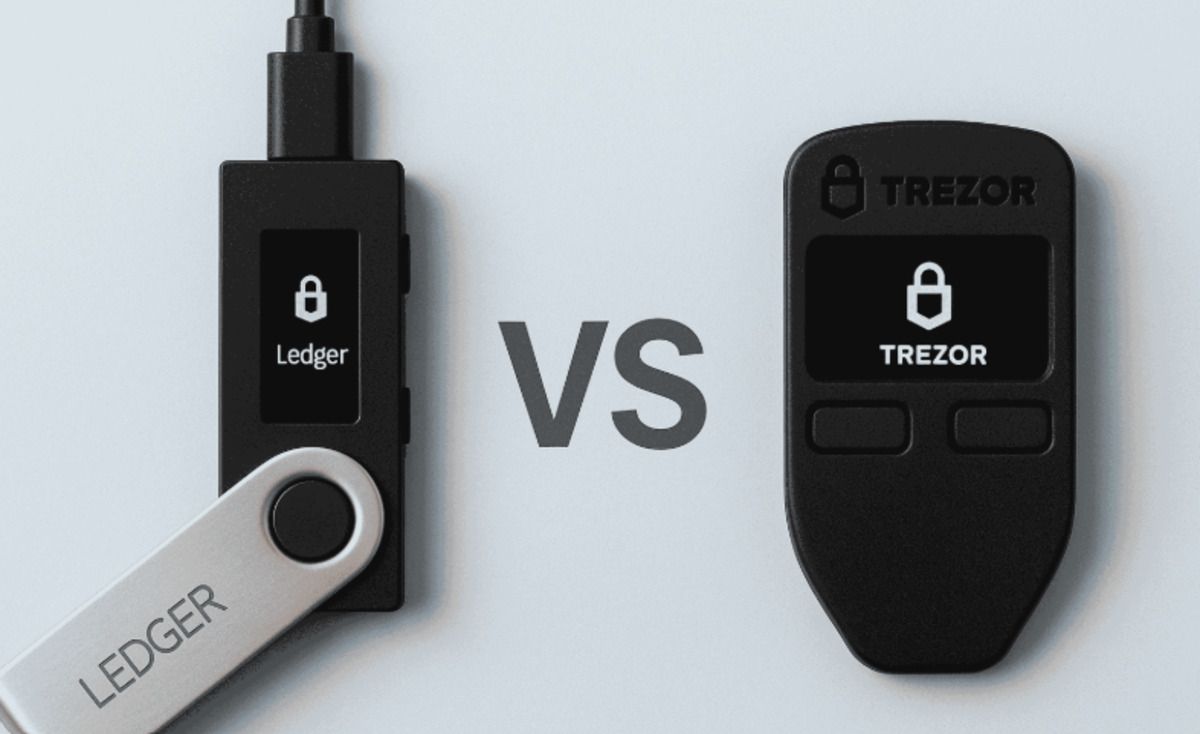
Ledger's approach prioritizes a Secure Element chip, certified to CC EAL5 and standards, which acts as a vault for private keys. This hardware isolates sensitive operations from the microcontroller, thwarting invasive attacks such as side-channel leaks or fault injections. Critics, however, point to its partially closed-source firmware, arguing it obscures potential backdoors despite rigorous third-party audits.
Secure Elements Evolve: Trezor's Catch-Up in Physical Defenses
Trezor, long the open-source purist, historically shunned Secure Elements to maintain full transparency. That stance shifted with the Safe 3 and Safe 5 models, now boasting EAL6 and certified chips that rival Ledger's resilience. This upgrade addresses past vulnerabilities, like the physical extraction risks in older Trezor One units, without compromising code accessibility. Community-driven audits have stress-tested Trezor's firmware, fostering trust through verifiability over vendor assurances.
Security Features Comparison: Ledger vs Trezor Safe Series
| Wallet | Attack Resistance | Transparency | Certifications |
|---|---|---|---|
| Ledger | 🛡️ Robust physical attack protection via dedicated Secure Element chip | 👁️ Partially closed-source firmware (community criticism) | 🔒 CC EAL5+ certified Secure Element |
| Trezor Safe series | 🛡️ Strong physical attack resistance with Secure Element (newer models like Safe 3/5) | 👁️ Fully open-source firmware (community auditable) | 🔒 CC EAL6+ certified Secure Element |
From a risk management lens, Ledger edges out in raw physical security, ideal for high-value stacks exposed to theft. Trezor's transparency suits paranoid users who prioritize dissecting code themselves, mitigating insider threats that opacity might conceal.
Model Matchups: Nano X, Stax, Safe 3, and Beyond
Ledger's Nano X flagship brings Bluetooth for seamless mobile pairing, supporting over 5,500 assets including niche DeFi tokens. Its compact form factor and battery life streamline dApp interactions, though wireless connectivity invites scrutiny over potential eavesdropping vectors. Trezor counters with USB-C reliability across Safe models, capping at 1,200 coins but excelling in Bitcoin maximalist setups with native staking for select chains.
Emerging contenders like Trezor Safe 7 amplify color touchscreens and haptic feedback, closing the UX gap on Ledger's premium Stax with its E Ink display. Both brands now integrate passphrase support, but Trezor's Shamir Backup fragments recovery shares across multiple cards, distributing risk unlike Ledger's standard 24-word phrase paired with optional Recover service.

Connectivity and Usability: Mobile Freedom vs Wired Reliability
Bluetooth defines Ledger's strategic edge for on-the-go verification, enabling iOS/Android Ledger Live app synergy without cables. This convenience accelerates transactions during market volatility, yet demands vigilant PIN management to counter relay attacks. Trezor's USB-only tether enforces deliberate workflows, reducing remote exploit surfaces but frustrating nomadic users.
In practice, Ledger's ecosystem shines for diversified portfolios requiring broad coin support and staking integrations. Trezor appeals to purists valuing trezor vs ledger security through auditability, especially with Safe series enhancements. Weigh your threat model: aggressive growth favors Ledger's features; defensive custody aligns with Trezor's ethos. Upcoming firmware drops could tip scales further, so monitor updates closely.
Backup strategies reveal another fault line in this hardware wallet comparison. Ledger sticks to the industry-standard 24-word recovery phrase, augmented by Ledger Recover - a controversial paid service that shards your seed across custodians for assisted recovery. While convenient for forgetful holders, it introduces third-party risk, clashing with self-custody purism. Trezor elevates this with Shamir Backup on Safe models, splitting the mnemonic into 20 shares where any 20-of-33 suffice to reconstruct. This distributes failure points, fortifying against loss or coercion without external dependencies.
Ecosystem Depth: Apps, Staking, and DeFi Bridges
Ledger Live consolidates buying, swapping, staking, and NFT management into one polished interface, partnering with exchanges for fiat on-ramps. This breadth suits aggressive portfolios chasing yields across 5,500 and assets, from Ethereum layer-2s to Solana tokens. Trezor Suite lags in native DeFi tools but integrates cleanly with third-party wallets like MetaMask, prioritizing Bitcoin and ERC-20 staples among its 1,200 coins. Staking shines on both - Ledger automates for Cosmos and Polkadot; Trezor empowers manual control via Exodus bridges.
6-Month Price Performance: Top Assets Supported by Ledger and Trezor
Bitcoin (BTC), Ethereum (ETH), and Solana (SOL) – Key cryptocurrencies for hardware wallet self-custody in 2026
| Asset | Current Price | 6 Months Ago | Price Change |
|---|---|---|---|
| Bitcoin | $88,820.00 | $76,000.00 | +16.8% |
| Ethereum | $2,938.02 | $2,500.00 | +17.5% |
| Solana | $126.47 | $110.00 | +14.1% |
Analysis Summary
Over the past six months (July 2025 to January 2026), Ethereum leads with a +17.5% gain, followed by Bitcoin at +16.8% and Solana at +14.1%, reflecting a bullish market for top assets supported by both Ledger and Trezor wallets.
Key Insights
- Ethereum outperforms with the highest 6-month gain of +17.5% among the compared assets.
- Bitcoin shows strong steady growth at +16.8%, reinforcing its position as the main asset.
- Solana trails slightly at +14.1% but remains a high-performer.
- All assets exhibit positive returns, highlighting the value of secure self-custody via hardware wallets like Ledger and Trezor amid market growth.
Data sourced exclusively from provided real-time Yahoo Finance market data (last updated 2026-01-25T04:02:15Z for BTC). 6-month prices compared from 2025-07-29; percentage changes as reported.
Data Sources:
- Main Asset: https://finance.yahoo.com/crypto/
- Ethereum: https://finance.yahoo.com/crypto/
- Solana: https://finance.yahoo.com/crypto/
- BNB: https://finance.yahoo.com/crypto/
- XRP: https://finance.yahoo.com/crypto/
- Cardano: https://finance.yahoo.com/crypto/
- Dogecoin: https://finance.yahoo.com/crypto/
- Chainlink: https://finance.yahoo.com/crypto/
Disclaimer: Cryptocurrency prices are highly volatile and subject to market fluctuations. The data presented is for informational purposes only and should not be considered as investment advice. Always do your own research before making investment decisions.
Strategic investors eyeing diversified exposure favor Ledger's expansive ecosystem, which mitigates opportunity cost from missed airdrops or forks. Trezor users, often Bitcoin-centric, extract purer value from transparent integrations that avoid bloated apps prone to supply-chain hacks.
Real-World Resilience: Past Breaches and Future-Proofing
Neither wallet has suffered private key compromises in verified incidents, but Ledger's 2023 Recover backlash and supply-chain scares underscore closed-source pitfalls. Trezor's open firmware weathered a 2024 BOLOS exploit attempt through rapid community patches. Both now tout quantum-resistant upgrades in beta firmware, with Ledger's Secure Element and Trezor's EAL6 chips positioning for post-quantum eras. Physical durability tests favor Ledger's tamper-evident seals, though Trezor's color screens enhance error-proof verification.
For self-custody maximalists, Trezor's auditability builds unshakeable confidence, especially post-Safe series hardening. Ledger counters with battle-tested hardware that has secured billions without a single on-device breach, per independent forensics. Your portfolio's volatility profile dictates: high-turnover traders thrive on Ledger's mobility; long-term HODLers sleep better with Trezor's verifiability.
Strategic Verdict: Match Your Threat Model
In the trezor vs ledger security debate, no universal victor emerges - that's the beauty of mature options. Ledger Nano X or Stax commands for feature-rich, mobile-first custody of sprawling portfolios, blending physical bulwarks with ecosystem firepower. Trezor Safe 5 or 7 fits the transparency hawk, delivering robust defenses via open code and Shamir shares for Bitcoin fortresses.
- Choose Ledger if: You juggle 100 and coins, stake aggressively, and value Bluetooth convenience over code peeks.
- Choose Trezor if: Open-source ethos trumps bells-and-whistles, and Shamir backups align with your multi-share ritual.
As quantum clouds loom and nation-states eye chains, both elevate best self custody wallet standards. Pair either with air-gapped signing for elite ops, and rotate seeds annually. This crypto hardware wallet guide arms you to custody without compromise, turning volatility into vaulted victory.


No comments yet. Be the first to share your thoughts!