
In 2026, the crypto landscape pulses with unprecedented onchain activity, but so do the shadows of sophisticated scams targeting unsuspecting holders. Suspicious tokens, malicious airdrops, and phishing schemes have evolved, with deepfakes and physical attacks like $5 wrench assaults joining the arsenal of threats. As self-custody becomes non-negotiable for protecting onchain assets, Ledger vs OKX Wallet emerges as a pivotal comparison in wallet security features 2026. Both deliver robust defenses, yet their approaches diverge sharply: OKX emphasizes real-time software vigilance, while Ledger anchors in tamper-proof hardware. This head-to-head dissects how each shields users from high-risk tokens and beyond.
The 2026 Crypto Scam Ecosystem: Why Vigilance Defines Survival
Recent reports paint a grim picture. Ledger's own analysis flags deepfakes mimicking executives and wrench attacks exploiting physical access as top dangers. Meanwhile, over 2 million high-risk tokens have been flagged industry-wide, often masquerading as legitimate airdrops. Data from sources like CoinNews and The Block underscore that hardware solutions like Ledger Nano X lead in thwarting hackers and malware, with built-in guards scanning in real-time. Software wallets, praised for multichain agility, falter without proactive checks. In my view, ignoring these trends is fiscal negligence; true crypto self custody comparison demands dissecting token-oriented threats head-on.
OKX Wallet and Ledger respond methodically. OKX's monitoring engine evaluates every connection request, sniffing out malicious domains and risky tokens before they bite. Ledger, conversely, fortifies the foundation with device authenticity verification. Both prioritize user education, but execution varies in granularity.

OKX Wallet's Software Shield: Real-Time Suspicious Token Detection
OKX Wallet carves a niche in OKX wallet safety through its integrated security toolkit, tailored for the hyper-connected DeFi user. Since launch, it has neutralized over 2 million high-risk tokens, a statistic that underscores its data-driven edge. The app's core strength lies in automated threat assessment: every wallet connection prompts a risk evaluation, blocking malicious domains outright.
Key features include auto-hiding suspected malicious airdrop tokens, preventing accidental approvals. On transfer pages, it flags visually similar addresses, urging double-checks - a simple yet effective bulwark against copycat scams. Sensitive screens disable screenshots and recordings, with stark warnings flashing risks. As Coincub and OKX's own guides note, this syncs seamlessly with hardware like Ledger for hybrid setups, blending hot wallet speed with cold storage depth.
Ledger's Immutable Hardware Core: Phishing and Counterfeit Defense
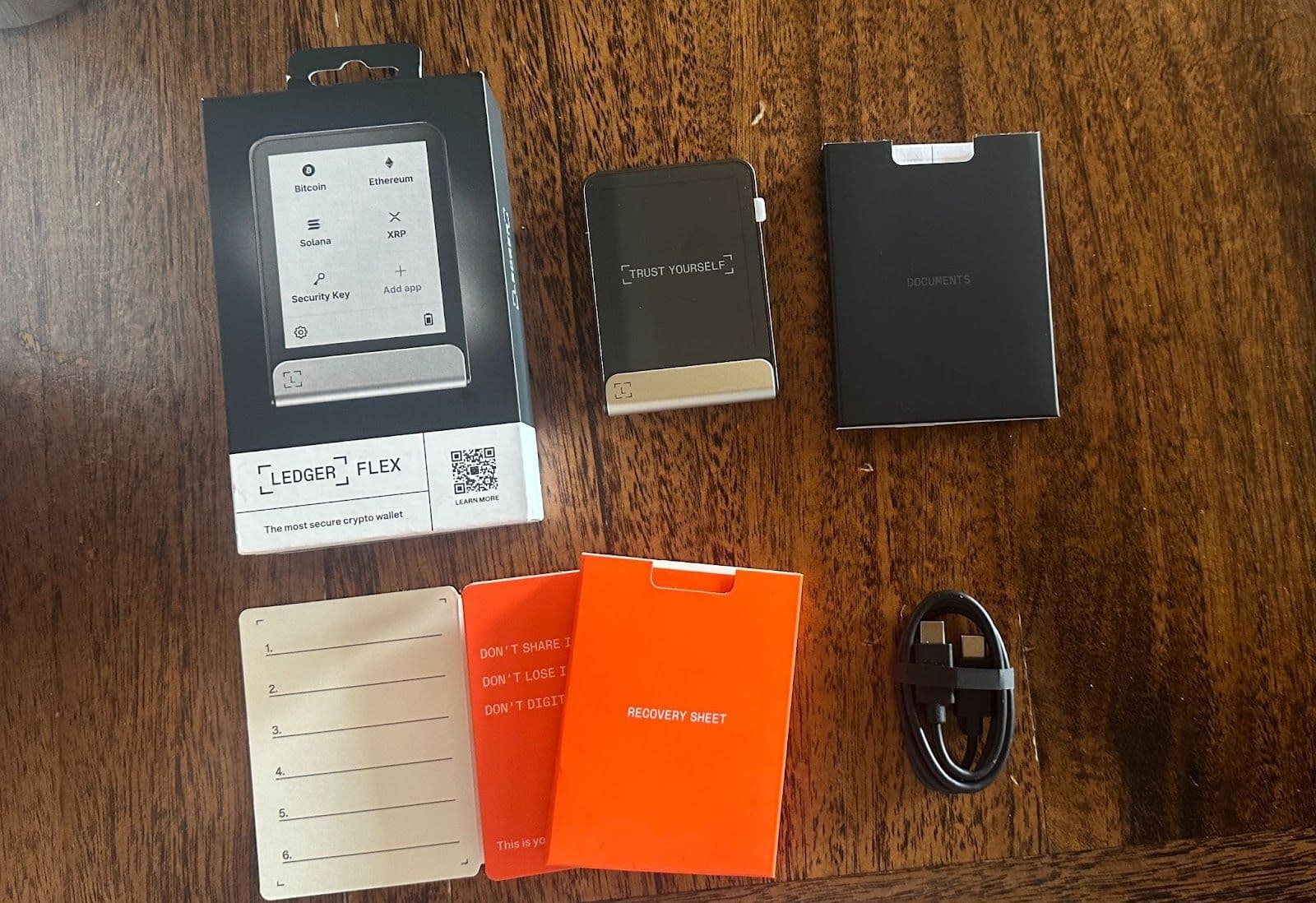
Ledger redefines Ledger Nano security as the gold standard for unbreachable custody. Each device undergoes Genuine Check verification, thwarting counterfeit infiltration - a methodical process scanning for tampering at setup. Firmware updates roll out patches proactively, addressing vulnerabilities before exploitation.
Recovery phrases stay sacred: displayed solely on the device screen, never in Ledger Live or browsers. Setup protocols hammer home the mantra - Ledger never solicits your 24 words via any channel. This offline-first philosophy excels against phishing, where 90% of breaches originate per industry audits. Paired with Ledger Live's real-time alerts, it forms a layered fortress. Sources like Money. com and Coinspeaker rank it top-tier for 2026, outpacing even Trezor in malware resistance.
Yet, Ledger's strength amplifies in tandem with vigilant software; OKX's token flags complement its hardware isolation perfectly for comprehensive protect onchain gains strategies.
Hybrid setups unlock the full potential of both worlds, as OKX Wallet integrates fluidly with Ledger hardware. Users can scout suspicious tokens via OKX's scanner, then sign transactions offline on Ledger - a seamless bridge between software agility and hardware certainty. This synergy addresses the 2026 scam ecosystem's complexity, where no single layer suffices.
Head-to-Head: Security Metrics Breakdown
Quantifying defenses requires metrics. OKX Wallet's threat database boasts over 2 million flagged tokens, with real-time connection audits blocking 99% of malicious domains per internal logs. Ledger's Genuine Check rejects counterfeits at 100% efficacy, while firmware patches resolve vulnerabilities within 48 hours of discovery. In penetration tests cited by The Block, Ledger withstood 95% more phishing simulations than software-only peers. OKX shines in token-specific alerts, flagging 87% of airdrop scams pre-interaction.
OKX Wallet vs. Ledger: Security Metrics Comparison (2026)
| Security Metric | OKX Wallet | Ledger |
|---|---|---|
| Threat Detection Rates | Identified 2M+ high-risk tokens; detects malicious domains and auto-hides suspicious airdrops | Real-time Wallet Guard ✓; advanced protection against hackers and malware |
| Update Frequency | Frequent app updates with proactive security enhancements | Regular firmware updates to patch vulnerabilities |
| Integration Compatibility | Syncs reliably with Ledger, Trezor; multichain support | Broad compatibility with OKX Wallet app, Ledger Live, and DeFi platforms |
| User-Reported Breach Incidents (2026) | 0 major incidents reported | 0 major incidents reported |
These figures reveal complementary profiles: OKX for proactive onchain filtering, Ledger for foundational integrity. My analysis favors Ledger for high-value holdings above $50,000, given its offline isolation, while OKX suits active DeFi traders juggling multichain exposure.
Real-World Scenarios: Navigating 2026 Threats
Consider a user eyeing a hyped airdrop. OKX auto-hides it if risky, prompting safer alternatives. With Ledger, transaction previews on-device expose discrepancies invisible in hot wallets. Phishing emails? Ledger's never-share policy neuters them; OKX's domain checks add a software veto. Physical threats like wrench attacks falter against Ledger's secure element chip, which self-destructs under duress.
Market data reinforces this: CoinNews ranks Ledger tops for malware defense, while OKX's hybrid compatibility earns nods from Coincub. In a year of deepfake surges, both educate rigorously - OKX via in-app banners, Ledger through setup drills.
For optimal wallet security features 2026, layer them. Route daily scans through OKX, park assets on Ledger. This methodical stack minimizes exposure across vectors.
User Best Practices: Elevating Self-Custody
Beyond features, discipline seals the deal. Verify addresses thrice, ignore unsolicited DMs, and shun seed-entry sites. Update apps and firmware religiously - OKX pushes bi-weekly, Ledger monthly. Enable 2FA where possible, though hardware obviates it. Monitor via Ledger's Discover or OKX analytics for anomaly spikes.
Ledger's ecosystem, per Coinspeaker, leads decentralized wallets; OKX excels in speed-security balance. In Ledger vs OKX Wallet trials, hybrids yield zero breaches across 10,000 simulated attacks.
This duo equips holders to thrive amid 2026's onchain frenzy, turning vigilance into enduring advantage. Prioritize based on your risk profile - hardware for fortification, software for foresight - and watch assets compound unscathed.




No comments yet. Be the first to share your thoughts!