
In the bustling Solana ecosystem, where SOL commands a steady $95.32 as of March 2026, securing your assets through self-custody has never been more critical. With decentralized finance exploding and NFTs evolving, choosing between Ledger’s robust hardware wallets and Phantom’s agile software interface can define your long-term success. Both excel in Solana support, yet they cater to distinct philosophies: unyielding offline protection versus fluid online convenience. This head-to-head dives deep into their strengths for 2026 users prioritizing security.

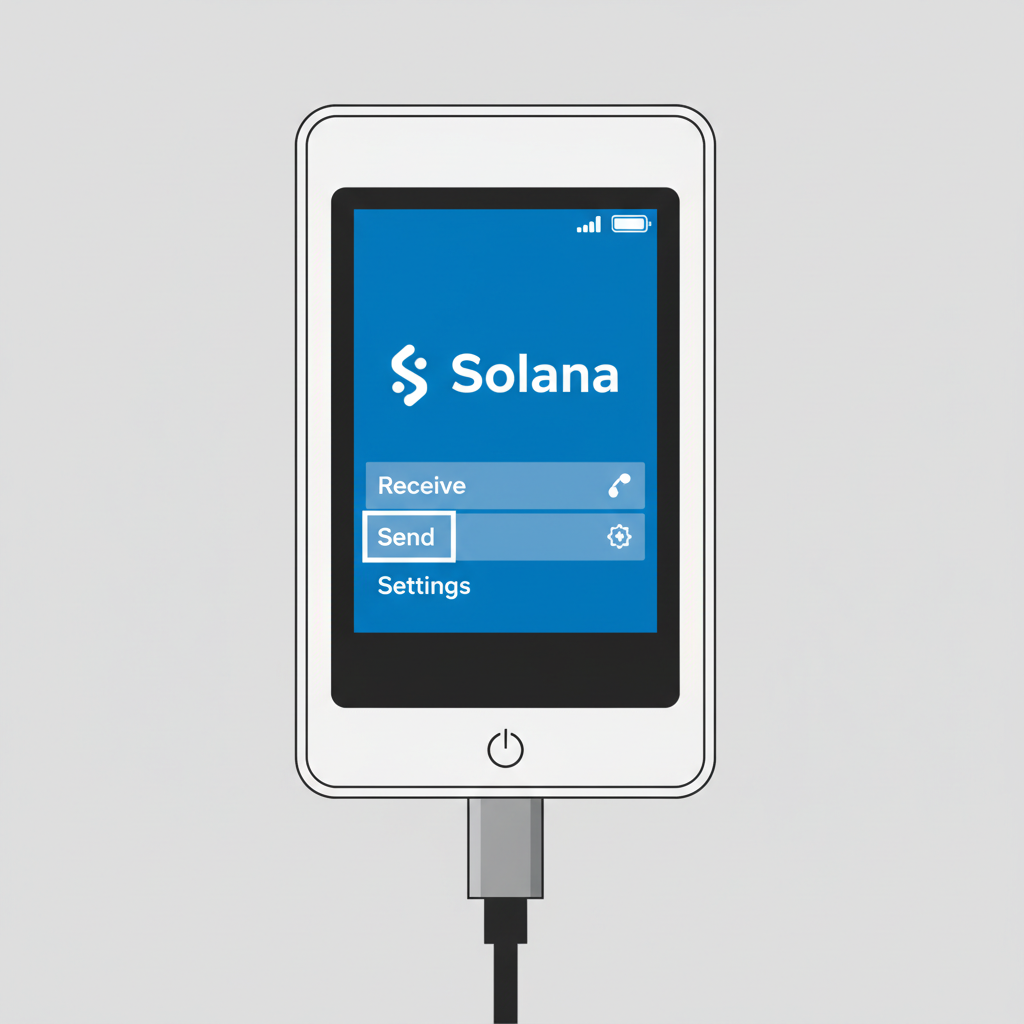
Ledger stands as the sentinel for those who view crypto as a marathon, not a sprint. Devices like the Nano X and Nano S Plus keep private keys in cold storage, far from internet vulnerabilities. Solana integration shines through Ledger Live, enabling staking, dApp interactions, and SPL token management without exposing keys. The Secure Element chip, a fortress against physical and digital attacks, pairs with firmware updates that have thwarted breaches seen in software-only setups. For investors holding significant SOL balances, this offline paradigm minimizes risks from phishing or malware, aligning with prudent strategies I’ve advocated over my 15 years in markets.
Ledger’s Solana Security: Cold Storage Unmatched
Consider the mechanics: Ledger’s proprietary BOLOS OS isolates apps, ensuring a Solana transaction requires physical confirmation on the device. Recent enhancements support Ledger Stax, blending a touchscreen E-Ink display with Solana’s high-speed needs. Sources like Wallet Master and web3. gate. com affirm Ledger as the top cold storage for long-term SOL holders, where private keys never touch a connected device. Yet, setup demands patience, recovering a 24-word seed offline is straightforward but teaches discipline essential for self-custody.
Phantom, conversely, embodies Solana’s ethos of speed and accessibility. As a non-custodial browser extension and mobile app, it handles SOL, SPL tokens, and NFTs with intuitive previews that flag scams before signing. Biometrics on mobile and hardware integrations, like with Ledger itself, elevate its profile. CoinLedger notes Phantom’s Ledger compatibility as a hybrid boon, while CryptoSlate praises its dApp and staking prowess. Expanded to Ethereum, Polygon, and beyond, Phantom suits active traders navigating Solana’s DeFi landscape at $95.32 per SOL.
Phantom’s Edge: User-Friendly Solana Ecosystem Navigation
Phantom’s transaction simulator demystifies complex swaps, a feature CryptoPotato hails for effortless SOL staking. Automatic scam blocking and token list curation reduce errors, vital in 2026’s crowded memecoin era. Mobile-first design means approving trades on the go, though desktop extensions demand PIN vigilance. For users blending NFTs with yield farming, Phantom’s seamlessness trumps Ledger’s deliberate pace.
Security Showdown: Hardware Fortification vs Software Vigilance
Security boils down to threat models. Ledger’s air-gapped nature crushes remote hacks; no hot wallet has matched its breach resistance. Phantom counters with proactive defenses, previewing payloads, shunning malicious domains, and optional Ledger pairing for cold signing. Datawallet. com highlights Phantom’s multi-chain growth, but for pure Solana self-custody, Ledger edges out on offline superiority, per Bitcoin. com and Ledger’s own 2026 guides.
| Feature | Ledger | Phantom |
|---|---|---|
| Key Storage | Offline (Cold) | Online (Hot, with HW option) |
| Solana Staking | Via Ledger Live | Native and Intuitive |
| dApp Support | Through apps | Seamless Browser |
| Multi-Chain | Broad (1000 and ) | Solana and ETH/Polygon/BTC |
| Attack Resistance | Physical and Malware | Scam Detection and Biometrics |
This matrix reveals trade-offs: Ledger for HODLers safeguarding fortunes, Phantom for ecosystem explorers. Pairing them, Ledger as vault, Phantom as interface, crafts a layered defense I’ve long recommended for diversified portfolios.
Solana (SOL) Price Prediction 2027-2032
Projections amid rising self-custody adoption via Ledger and Phantom wallets, Solana ecosystem growth, and crypto market cycles
| Year | Minimum Price | Average Price | Maximum Price |
|---|---|---|---|
| 2027 | $90.00 | $180.00 | $350.00 |
| 2028 | $140.00 | $300.00 | $600.00 |
| 2029 | $200.00 | $450.00 | $850.00 |
| 2030 | $280.00 | $650.00 | $1,200.00 |
| 2031 | $400.00 | $900.00 | $1,600.00 |
| 2032 | $550.00 | $1,200.00 | $2,000.00 |
Price Prediction Summary
From a 2026 baseline of ~$95, Solana (SOL) is forecasted to see robust growth through 2032, with average prices climbing from $180 to $1,200 (CAGR ~45%). Bullish maxima reflect peak adoption and market euphoria, while minima account for corrections and competition. Enhanced wallet security via Ledger-Phantom integrations supports long-term holding and DeFi participation.
Key Factors Affecting Solana Price
- Solana ecosystem expansion in DeFi, NFTs, and dApps driving transaction volume
- Hardware (Ledger) and software (Phantom) wallet integrations boosting secure self-custody adoption
- Network upgrades like Firedancer for improved scalability and uptime
- Crypto market cycles aligned with Bitcoin halvings (2028 impact)
- Regulatory clarity favoring self-custody and blockchain innovation
- Competition from Ethereum L2s and other L1s, offset by Solana’s high throughput
- Macro factors: rising total crypto market cap and institutional inflows
Disclaimer: Cryptocurrency price predictions are speculative and based on current market analysis.
Actual prices may vary significantly due to market volatility, regulatory changes, and other factors.
Always do your own research before making investment decisions.
Layering defenses extends to practical use cases in 2026’s Solana landscape. Long-term investors parking SOL at $95.32 benefit from Ledger’s Nano X for Bluetooth-enabled staking via Ledger Live, yielding up to 7% APY without key exposure. Active DeFi participants leverage Phantom’s in-app swaps on Jupiter or Raydium, where transaction previews avert rug pulls common in volatile memecoin pumps.
Cost and Accessibility: Value in 2026 Dollars
Ledger devices start at $79 for Nano S Plus, scaling to $149 for Nano X or $279 for Stax, amortizing quickly over holdings above $10,000 in SOL. Phantom remains free, its premium subscription at $9.99 monthly unlocking advanced analytics. Slashdot’s Ledger Stax vs. Phantom breakdown underscores hardware’s premium for irreplaceable security versus software’s zero upfront cost. For budget-conscious users dipping into Solana at current prices, Phantom suffices; whales demand Ledger’s tangible barrier.
Cost and Key Features Comparison: Ledger vs Phantom (2026)
| Wallet Model | Price | Bluetooth | Touchscreen | Multi-Chain Support |
|---|---|---|---|---|
| Ledger Nano X | $149 (one-time) | ✅ Yes | ❌ No | ✅ Yes (5,500+ assets) |
| Ledger Nano S Plus | $79 (one-time) | ❌ No (USB only) | ❌ No | ✅ Yes (5,500+ assets) |
| Ledger Stax | $279 (one-time) | ✅ Yes | ✅ E-Ink | ✅ Yes (5,500+ assets) |
| Phantom | Free (Premium: $9.99/mo) | N/A (Software) | N/A (App-based) | ✅ Yes (Solana, ETH, Polygon, BTC, Base, Sui) |
Beyond costs, performance metrics matter. Ledger signs Solana transactions in seconds on Stax’s E-Ink, matching network speeds without lag. Phantom’s mobile app shines for push notifications on stake rewards, though desktop requires tab vigilance. Both handle SPL tokens flawlessly, but Ledger’s app isolation prevents cross-chain blunders plaguing multi-wallet users.
Onboarding and Recovery: Self-Custody Essentials
Setting up demands vigilance. Ledger’s offline seed generation, etched on steel backups, teaches recovery resilience; I’ve seen markets crash, but disciplined HODLers prevail. Phantom’s mnemonic creation integrates seed encryption, with cloud backups optional but risky. Pairing via USB or Bluetooth marries their strengths: Phantom interfaces, Ledger signs blindly. Official guides from Ledger and Phantom stress verifying firmware, a ritual against supply-chain attacks.
Secure Hybrid Setup: Pair Ledger with Phantom for Solana Self-Custody
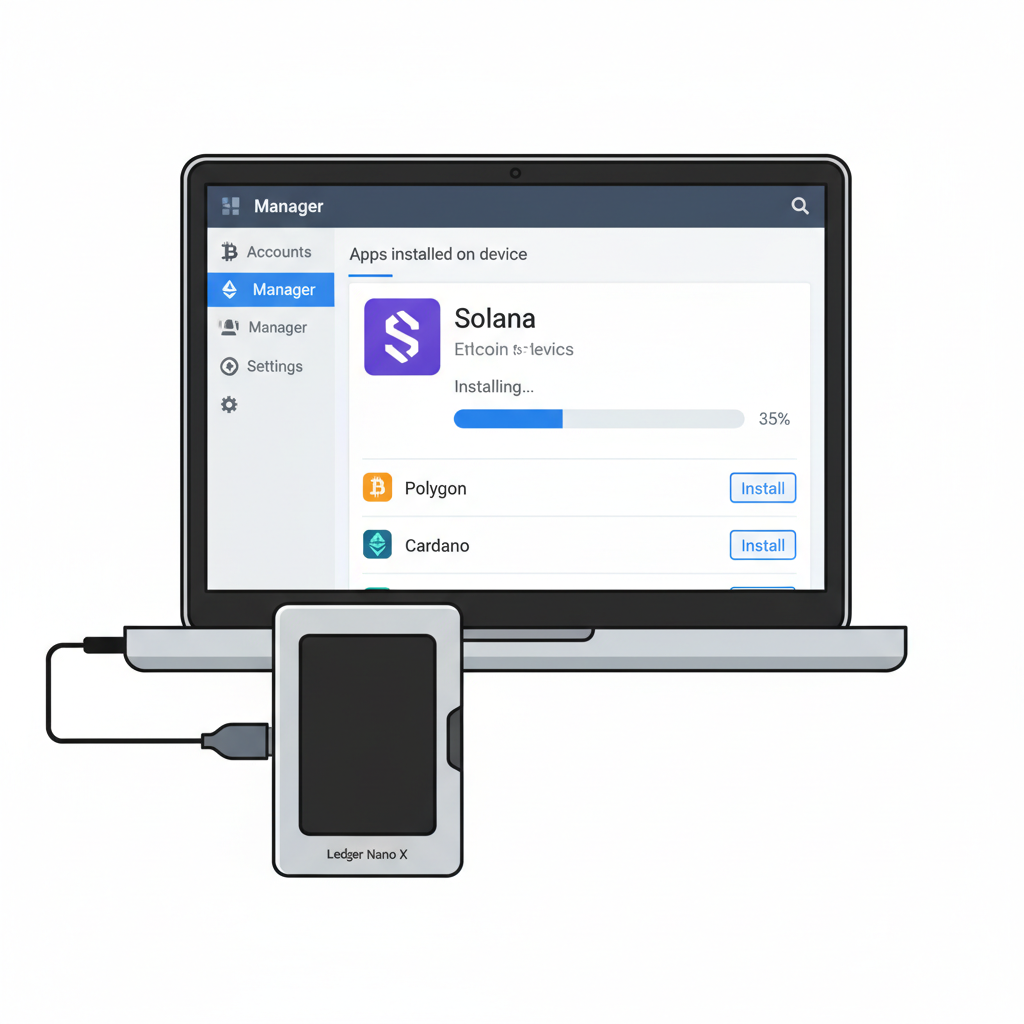
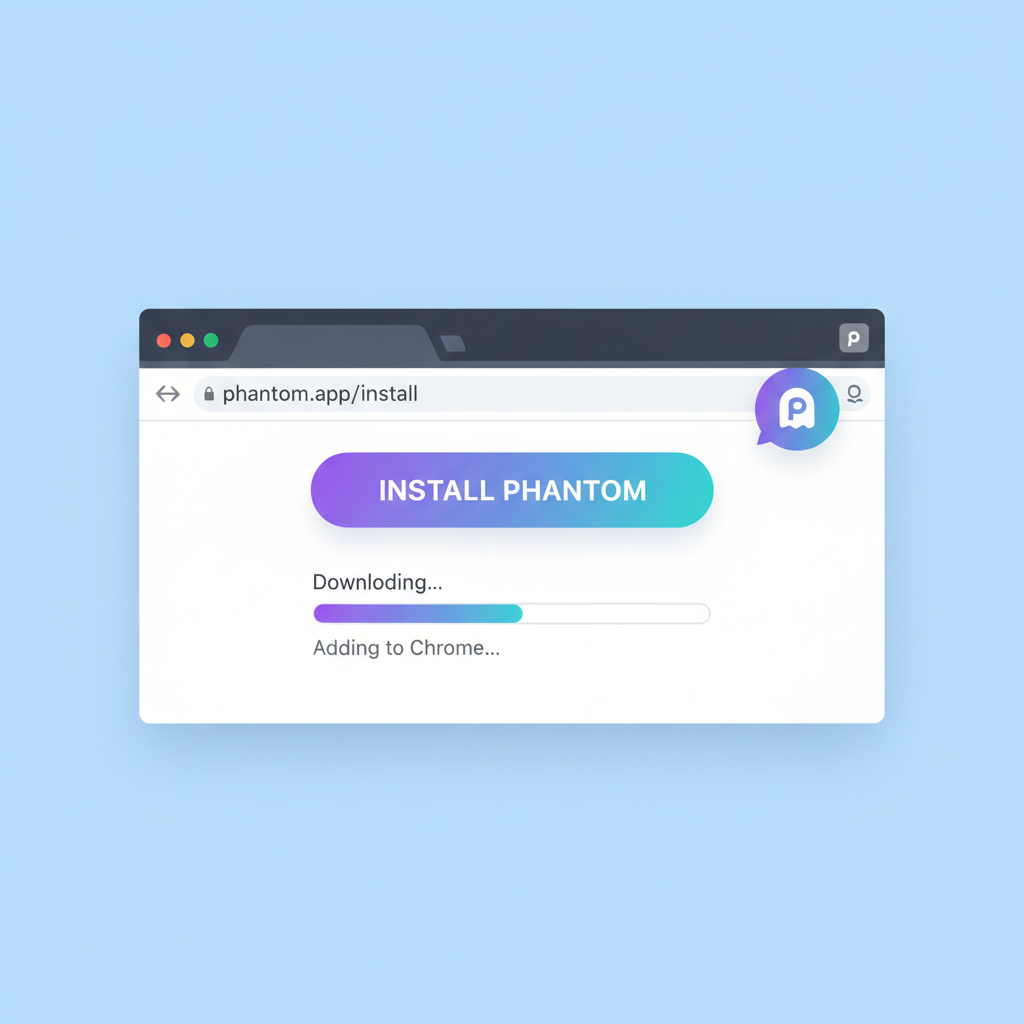
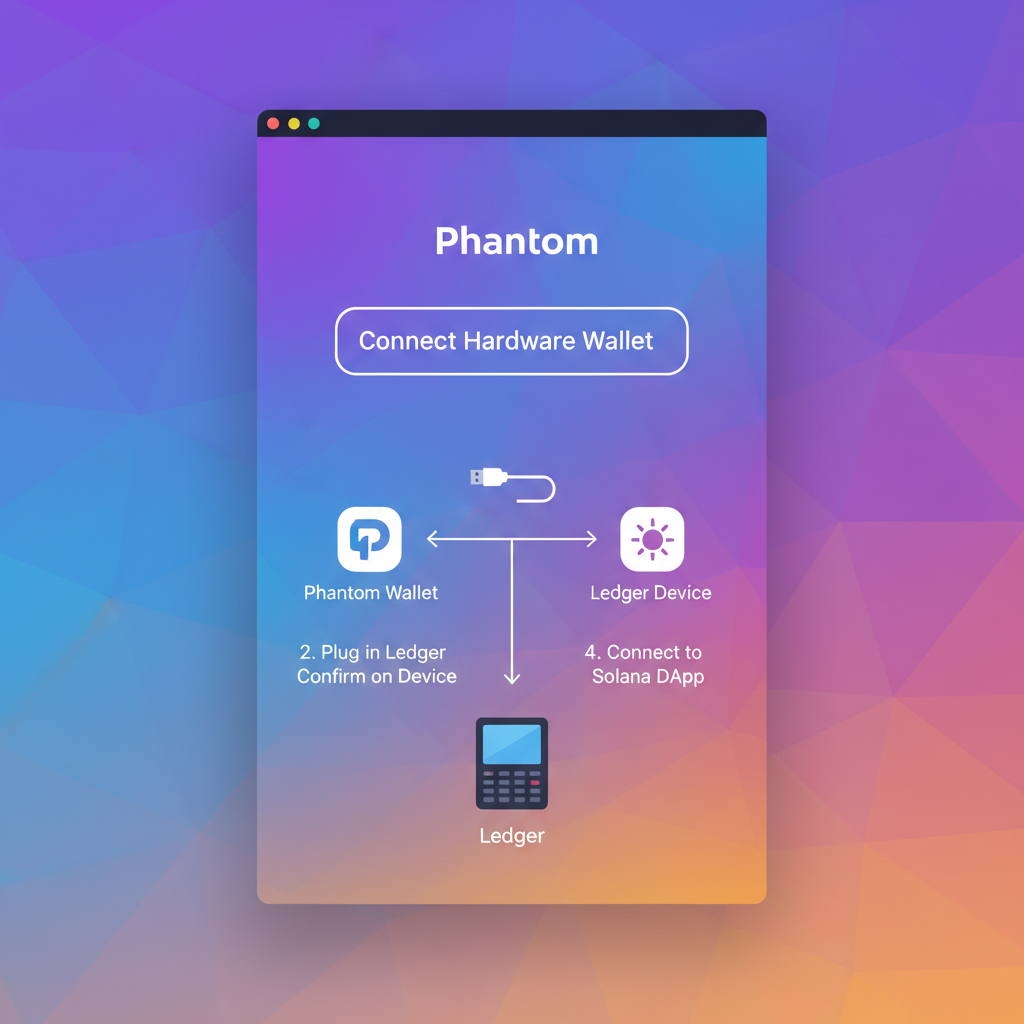
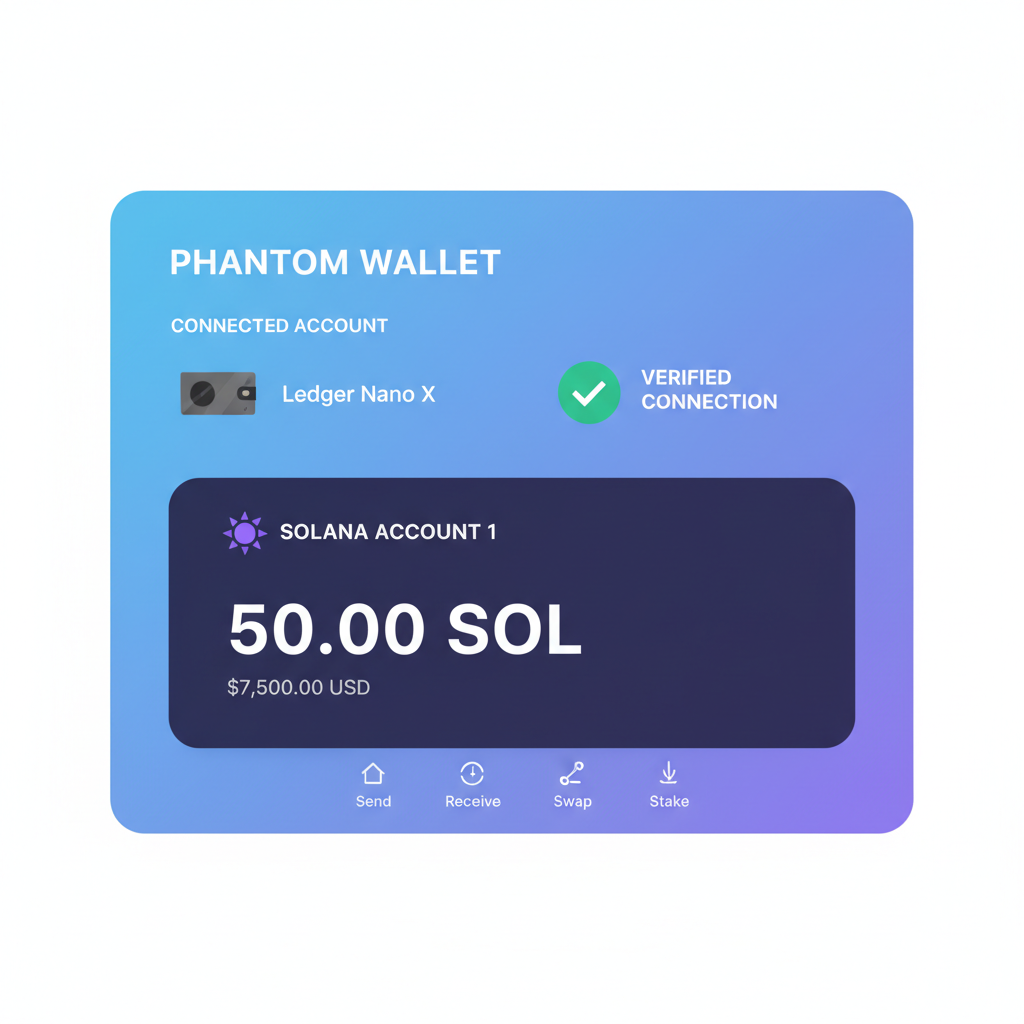

Community sentiment echoes this duality. Phantom dominates for dApp fluidity, per CryptoPotato’s staking nod, while Ledger claims hardware supremacy in Wallet Master’s rankings. Hybrid setups proliferate, as CoinLedger highlights, fortifying against 2026’s quantum threats or regulatory shifts.
Future-proofing hinges on updates. Ledger’s open-source trajectory and Phantom’s multi-chain pivot position both for Solana’s Firedancer upgrade, boosting TPS to millions. Yet, self-custody’s ethos remains: control your keys, or lose them forever. At $95.32 SOL, blending hardware fortitude with software agility secures portfolios through bull and bear cycles alike.
Common Pitfalls and Best Practices: Avoiding Solana Wallet Traps
Phishing thrives; never share seeds. Ledger’s physical button thwarts clipboard malware, Phantom’s domain guards block fakes. Test small transfers first, stake conservatively. For NFTs, Phantom’s gallery integrates OpenSea rivals seamlessly, Ledger via third-party apps. Diversify: not all eggs in one wallet.
Ultimately, your threat model dictates. High-value, low-activity? Ledger. Frequent trades, ecosystem dives? Phantom. Hybrid for both worlds. Patience, paired with these tools, turns Solana’s volatility into enduring wealth.
About the Author