
As the crypto payments landscape evolves, users are demanding more than just secure storage or speculative trading from their wallets. In 2025, the spotlight is firmly on spending crypto seamlessly and safeguarding digital assets with institutional-grade security. Two products stand out in these distinct domains: the MetaMask Card, a self-custodial Mastercard debit card, and Ledger’s hardware wallets, which remain an industry benchmark for cold storage. In this head-to-head comparison, we’ll break down their unique features, security models, and practical usability for active crypto participants.

MetaMask Card: Making Crypto Spendable in Everyday Life
The MetaMask Card is designed for users who want to bridge their digital assets with real-world spending. Unlike traditional custodial cards that require you to pre-load funds or relinquish control over your private keys, the MetaMask Card maintains a self-custody model. This means you retain ownership of your assets until the moment of transaction – a significant security and autonomy advantage for those wary of third-party risk.
Supported tokens are limited but carefully chosen for liquidity and stability: global support includes USDC, USDT, wETH, EURe, GBPe, and aUSDC. U. S. users currently have access only to USDC and aUSDC (with broader rollout pending). This focused approach ensures smooth conversions at point-of-sale while minimizing slippage or failed transactions.
What sets the MetaMask Card apart in 2025?
- Mobile Payment Integration: Full compatibility with Apple Pay and Google Pay allows tap-to-pay convenience anywhere Mastercard is accepted.
- Geographical Reach: Available across Latin America (Argentina, Brazil, Colombia, Mexico), most of Europe (with some exceptions), the UK – and soon expanding again in the U. S.
- User Experience: Transaction confirmation happens within your MetaMask wallet interface. No need to juggle multiple apps or accounts.
- No Preloading Required: Spend directly from your wallet balance without transferring assets to an intermediary account first.
This card is aimed at active crypto users: freelancers paid in stablecoins, DeFi power-users looking for off-ramps that don’t compromise control, or anyone wanting to spend crypto as conveniently as fiat.
Ledger Hardware Wallets: Security-First Approach for Asset Protection
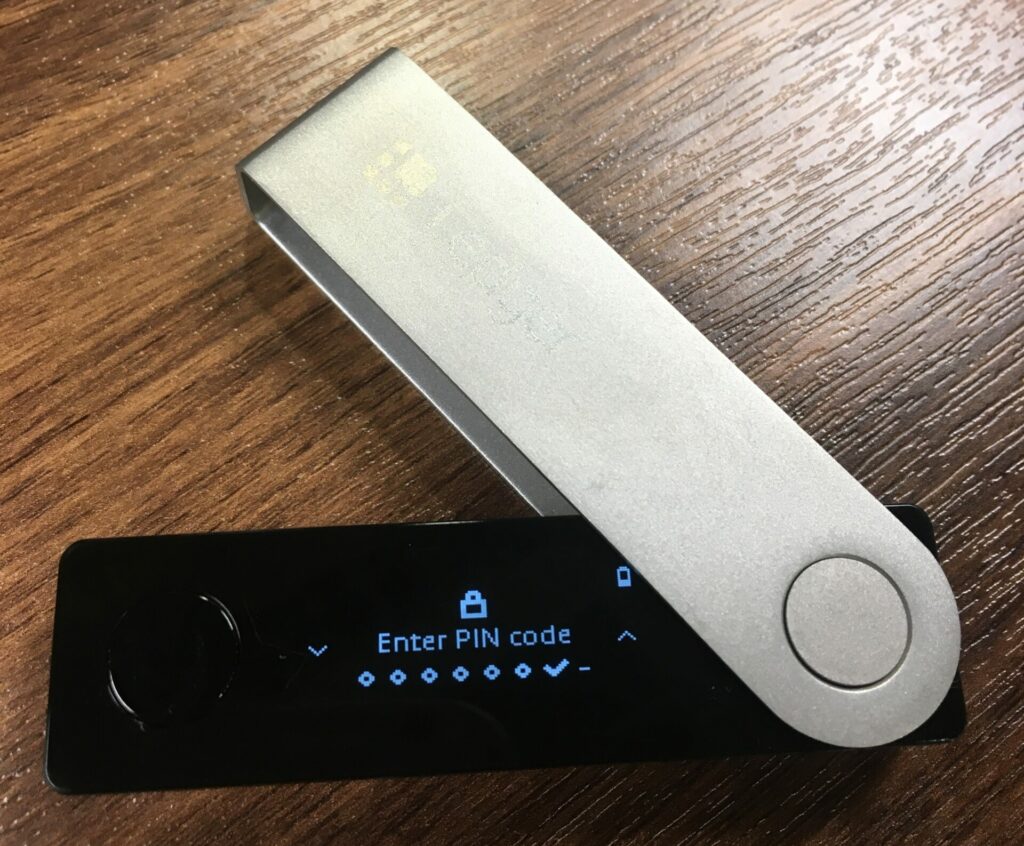
If your primary concern is safeguarding a diverse portfolio, Ledger’s hardware wallets continue to set industry standards in 2025. The Nano X model supports Bluetooth connectivity for mobile integration while preserving all traditional cold storage advantages; the S Plus remains popular among desktop-first users seeking simplicity over bells-and-whistles.
Main Ledger strengths include:
- Breadth of Support: Over 5,500 cryptocurrencies and NFTs supported – far surpassing any card-based solution on asset diversity.
- Certified Secure Element Chip: Private keys never leave the device; every transaction requires physical confirmation via button press on device itself.
- No Online Attack Surface: Assets are stored offline by default; even if your computer or phone is compromised, attackers can’t move funds without physical access to your Ledger device.
- Ecosystem Integration: Seamless pairing with software wallets like MetaMask enables advanced DeFi transactions while maintaining hardware-level security during signing events. For an illustrated guide on integrating these platforms securely, see our resource here: Ledger vs MetaMask Visual Guide to Swapping Coins and Managing NFTs in 2025.
The trade-off? You can’t spend directly from your Ledger wallet at point-of-sale. Instead, you’re optimizing for long-term safety, ideal if you’re holding large balances or managing a portfolio across dozens of chains and tokens.
User Profiles: Who Should Choose Which?
The decision between MetaMask Card vs Ledger boils down to personal priorities provides wallet-as-payment-tool versus vault-grade asset protection. If you’re looking for frictionless daily spending without giving up custody until checkout time, MetaMask Card leads on convenience. If uncompromising security and broad asset support matter more than day-to-day liquidity access, Ledger remains king among cold storage solutions.
Another key differentiator is regional availability. MetaMask Card, while rapidly expanding, is still limited to select jurisdictions. Ledger’s hardware wallets, by contrast, are available globally and require no ongoing approval or KYC process for continued use. This distinction matters for users in emerging markets or those who want the flexibility to manage assets regardless of local card program restrictions.
From a risk management perspective, it’s also important to consider attack surfaces. MetaMask Card’s self-custody model is robust, but because transactions are ultimately signed online and the wallet remains hot (even if non-custodial), there’s always some exposure to browser or device vulnerabilities. Ledger’s cold storage keeps private keys offline at all times, making remote hacks virtually impossible unless physical access is obtained.
Which type of user benefits most from each solution?
- MetaMask Card: Crypto-native spenders, digital nomads, and DeFi users wanting direct off-ramps with minimal friction and full asset control until the moment of purchase.
- Ledger Hardware Wallets: Long-term investors, NFT collectors with high-value assets, and anyone prioritizing multi-chain support plus maximum isolation from online threats.
Practical Scenarios: Daily Spending vs Cold Storage
If you’re regularly paying for coffee in USDC or need to quickly convert stablecoins for travel expenses, MetaMask Card offers a streamlined path, no need to swap assets manually or trust centralized exchanges with your funds. Its integration with Apple Pay and Google Pay means you can tap-and-go just like any modern debit card user. However, if your strategy centers on accumulating a diverse portfolio across multiple chains (think ERC-20s, NFTs on Solana or Polygon), Ledger’s ecosystem lets you manage it all securely in one place, even allowing you to interact with DeFi protocols via hardware-backed transaction signing.
The best approach may not be either/or. Many advanced users combine both: a Ledger device as their primary vault for long-term holdings and a MetaMask Card wallet topped up only with funds they plan to spend in the near term. This hybrid model brings together real-world usability and institutional-grade security, mitigating risks while maximizing flexibility.
Final Take: Choosing the Best Crypto Wallet Card in 2025
The MetaMask Card vs Ledger debate highlights how far crypto financial tools have come. If your goal is seamless spending without sacrificing self-custody, especially if you’re active in supported regions, the MetaMask Card stands out as one of 2025’s best crypto wallet cards for daily use. For those who see crypto as a long-term store of value or require broad asset support across ecosystems, Ledger remains unmatched on security and versatility.
Your optimal setup depends on whether you value real-world liquidity or fortress-level protection more, and how much effort you’re willing to invest in operational security versus convenience. As always in crypto: assess your personal threat model before choosing any wallet solution.
About the Author