
Choosing between Trust Wallet vs MetaMask for buying crypto directly with a card is more than a question of brand loyalty. It’s about how efficiently you can turn fiat into digital assets, what it costs, and whether the process is frictionless for both newcomers and seasoned crypto users. With non-custodial wallets now vying to be your all-in-one gateway, understanding their card-to-wallet experience is crucial to making the right choice in 2025.
How Card-to-Wallet Purchases Work in 2025
Both Trust Wallet and MetaMask have evolved their fiat onramps to meet growing demand for direct, instant purchases. In essence, these wallets let you buy crypto using credit or debit cards through integrated third-party providers. This means you don’t need to leave the app or navigate external exchanges. The process is designed to minimize user error and speed up onboarding – but there are nuances worth dissecting.
Payment Methods: Breadth and Convenience
Trust Wallet integrates with Simplex and MoonPay, two well-established payment processors in the crypto space. Users can purchase a broad range of cryptocurrencies directly inside the app using either credit or debit cards. The process is highly streamlined: after selecting the asset and amount, users are guided through KYC (Know Your Customer) checks and payment within minutes. This seamless flow has been praised for its clarity, particularly by those new to self-custody wallets.
MetaMask, meanwhile, supports MoonPay as well as Transak and Wyre for card purchases. While this gives users more options – potentially useful if one provider is unavailable in your region – it can introduce extra steps or redirects during the purchase process. Depending on your location and chosen provider, you may need to complete additional verification outside the MetaMask interface before funds are credited.
Pros & Cons: Trust Wallet vs MetaMask Card Purchases
-

Trust Wallet: Seamless Card IntegrationTrust Wallet offers a straightforward, in-app experience for buying crypto with a credit or debit card. Purchases are facilitated by established providers like Simplex and MoonPay, making the process easy for beginners.
-

Trust Wallet: Higher Minimum FeesCard purchases via Trust Wallet incur fees of 3.5%–5% with a minimum fee of $10, which can be costly for small transactions.
-
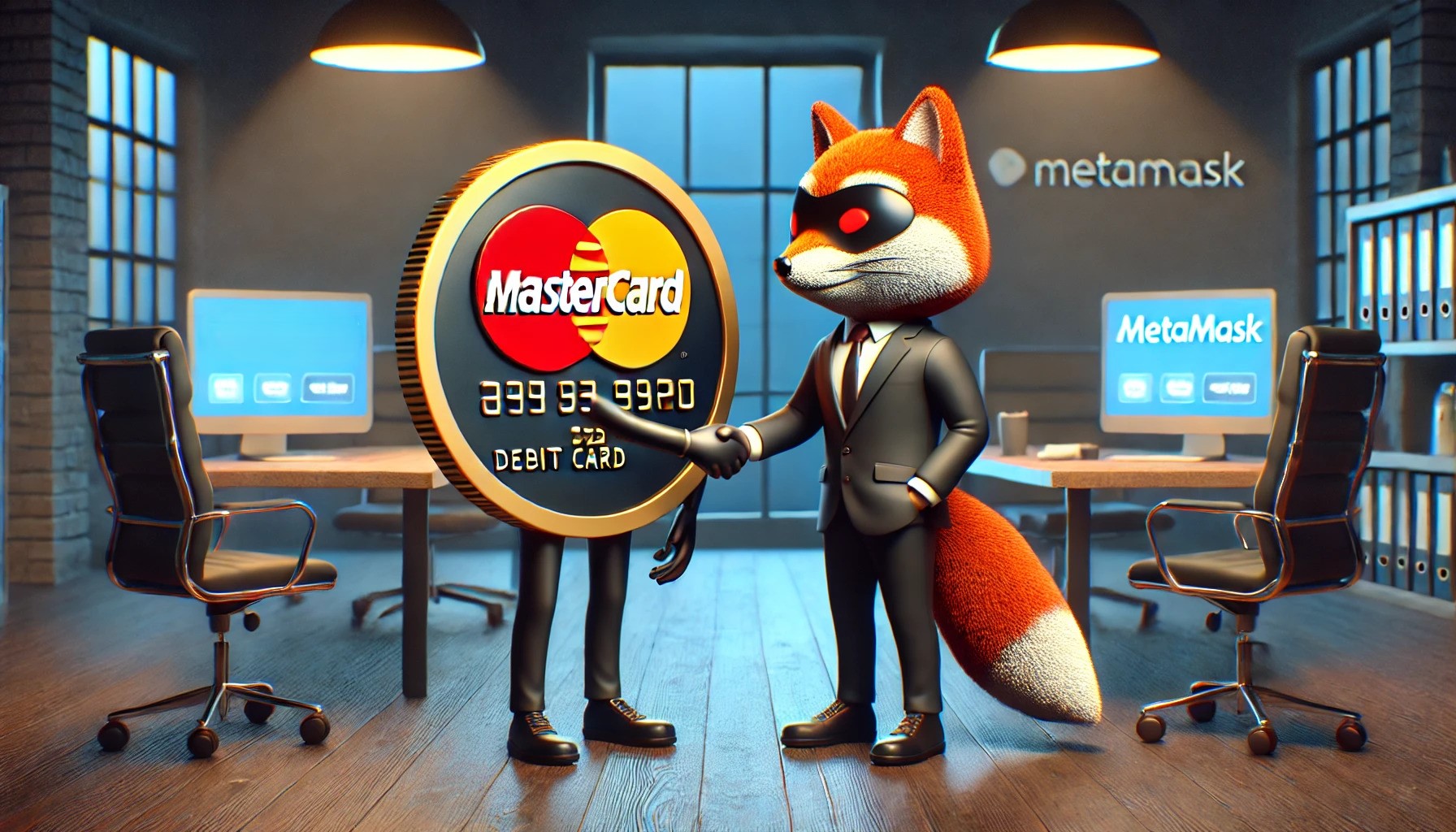
MetaMask: Multiple Payment ProvidersMetaMask supports card purchases through several third-party services, including MoonPay, Transak, and Wyre, offering users more choices depending on region and provider availability.
-

MetaMask: Comparable Fees, Variable ExperienceMetaMask’s card purchase fees typically range from 3% to 5%, similar to Trust Wallet. However, the process may involve additional steps and can be less intuitive for new users.
-
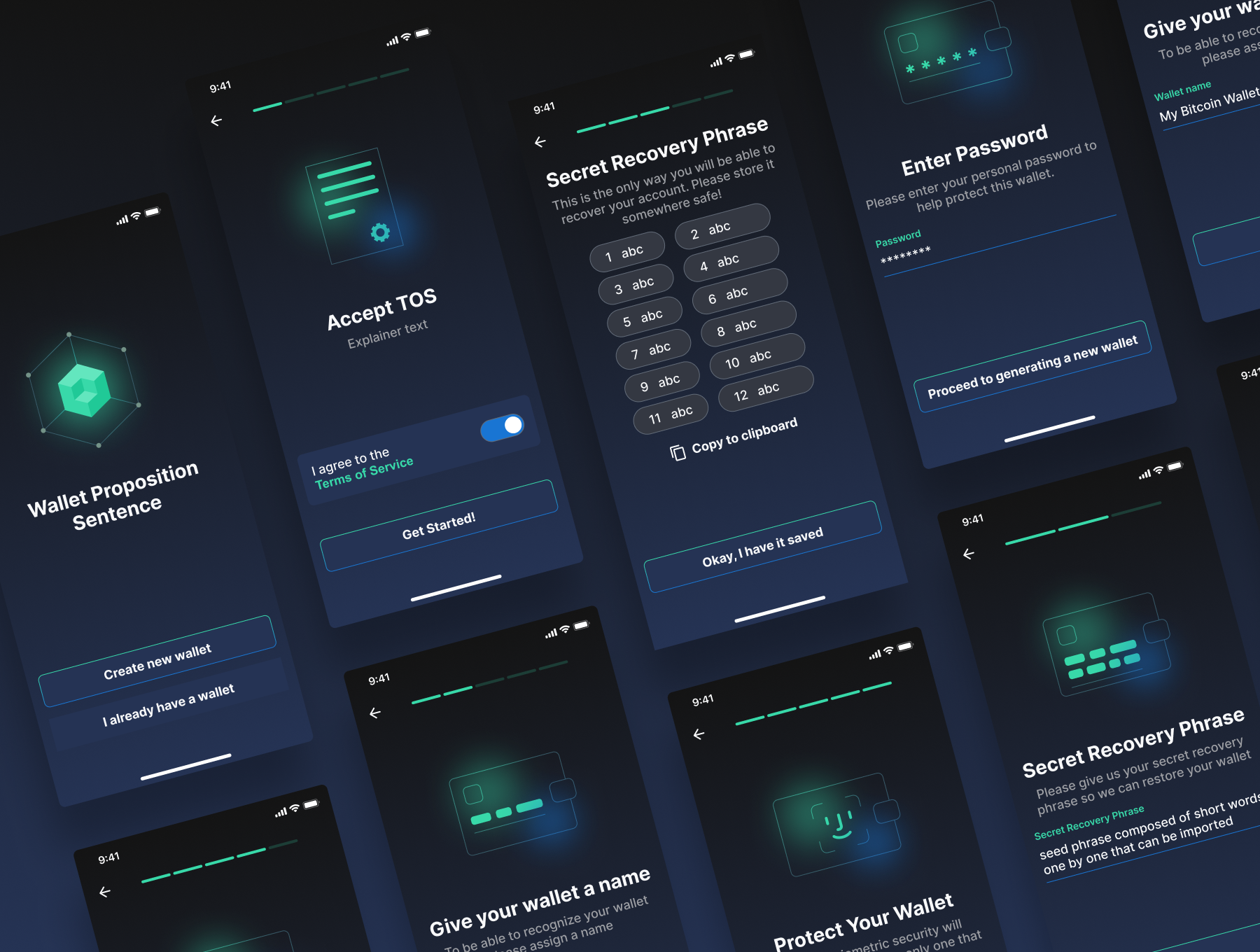
Trust Wallet: User-Friendly InterfaceTrust Wallet is praised for its intuitive user interface, making the card-to-wallet experience smoother and more accessible for users who prioritize simplicity.
-

MetaMask: Advanced Features for Experienced UsersWhile MetaMask’s card purchase flow may be less streamlined, it offers advanced features and hardware wallet integrations that appeal to more experienced crypto users.
Fee Structure: What Does It Really Cost?
The headline rates for buying crypto with a card are similar across both platforms:
- Trust Wallet: Fees range from 3.5% to 5%, with a minimum charge of $10 per transaction (source).
- MetaMask: Typical fees span 3% to 5%, depending on your location and provider (source).
This fee structure reflects industry norms for instant fiat-to-crypto conversions but can erode value on smaller transactions due to minimum charges. For example, attempting to buy $100 worth of crypto could see up to $10 lost in fees alone via Trust Wallet’s providers.
User Experience: Simplicity vs Flexibility
User experience remains a key differentiator in this crypto card to wallet comparison. Trust Wallet’s integration feels native; users rarely need to leave the app or deal with ambiguous prompts. This makes it especially appealing for those seeking an intuitive entry point into crypto ownership without wrestling with browser extensions or multiple pop-ups.
MetaMask’s approach offers more flexibility but at the potential cost of simplicity. With support for several third-party providers comes added choice but also increased complexity – some users report confusion when redirected between services or prompted repeatedly for ID verification.
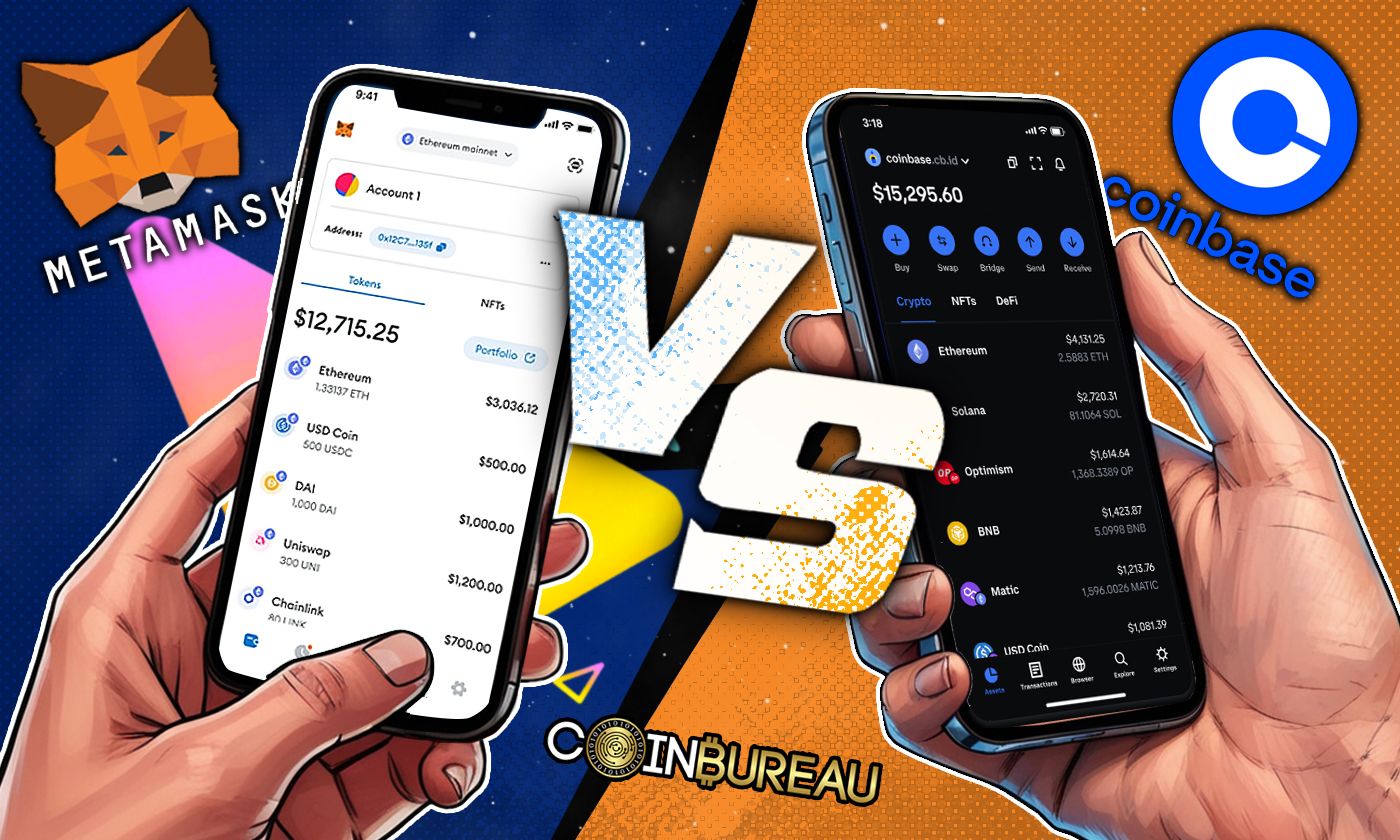
Another dimension to consider is asset support and blockchain diversity. Trust Wallet takes the lead here, supporting a wider array of coins and tokens across more blockchains than MetaMask. This breadth means that when you use your card to purchase crypto, you’re not limited to just the Ethereum ecosystem or EVM-compatible assets. Instead, Trust Wallet opens doors to native Bitcoin, Solana, and even niche altcoins, an advantage for portfolio builders seeking exposure beyond the usual suspects.
MetaMask, while renowned for its Ethereum-first approach and powerful browser extension, can feel restrictive if your ambitions extend into non-EVM chains. That said, its extensibility through custom RPCs and third-party integrations appeals to advanced users who prioritize DeFi access or developer tooling over pure convenience.
Security and Trust: What’s at Stake with Card Purchases?
Security remains paramount when linking your credit or debit card to any crypto wallet. Both Trust Wallet and MetaMask are non-custodial, meaning you control your private keys, but the moment you use fiat onramps like Simplex, MoonPay, or Transak, personal data is shared with these regulated third parties for compliance reasons.
Trust Wallet keeps the entire purchase experience within its app environment (except during mandatory KYC), reducing phishing risks and accidental missteps. MetaMask, especially on desktop browsers, sometimes redirects users externally for payment completion, a potential vulnerability if users aren’t vigilant about URLs or browser security.
Which Is Best for Card-to-Wallet Purchases in 2025?
If your priority is a frictionless onboarding, where buying crypto with a card feels as simple as topping up a mobile wallet provides Trust Wallet stands out. Its streamlined flow minimizes confusion and caters well to first-time buyers or those who value speed over customization. The minimum $10 fee may sting on small purchases but is largely in line with industry standards.
MetaMask, on the other hand, offers greater flexibility through multiple providers but requires more user initiative during setup and purchase flows. It’s better suited for those who want optionality (for example, if one provider is down or blocked in their jurisdiction) and are comfortable navigating extra steps.
Key Differences: Trust Wallet Buy vs MetaMask Card Integration
-
Supported Payment Providers: Trust Wallet integrates with Simplex and MoonPay for card purchases, while MetaMask supports MoonPay, Transak, and Wyre.
-
Fee Structure: Trust Wallet charges fees between 3.5% and 5% (minimum $10), depending on the provider. MetaMask’s fees typically range from 3% to 5%, varying by service and location.
-
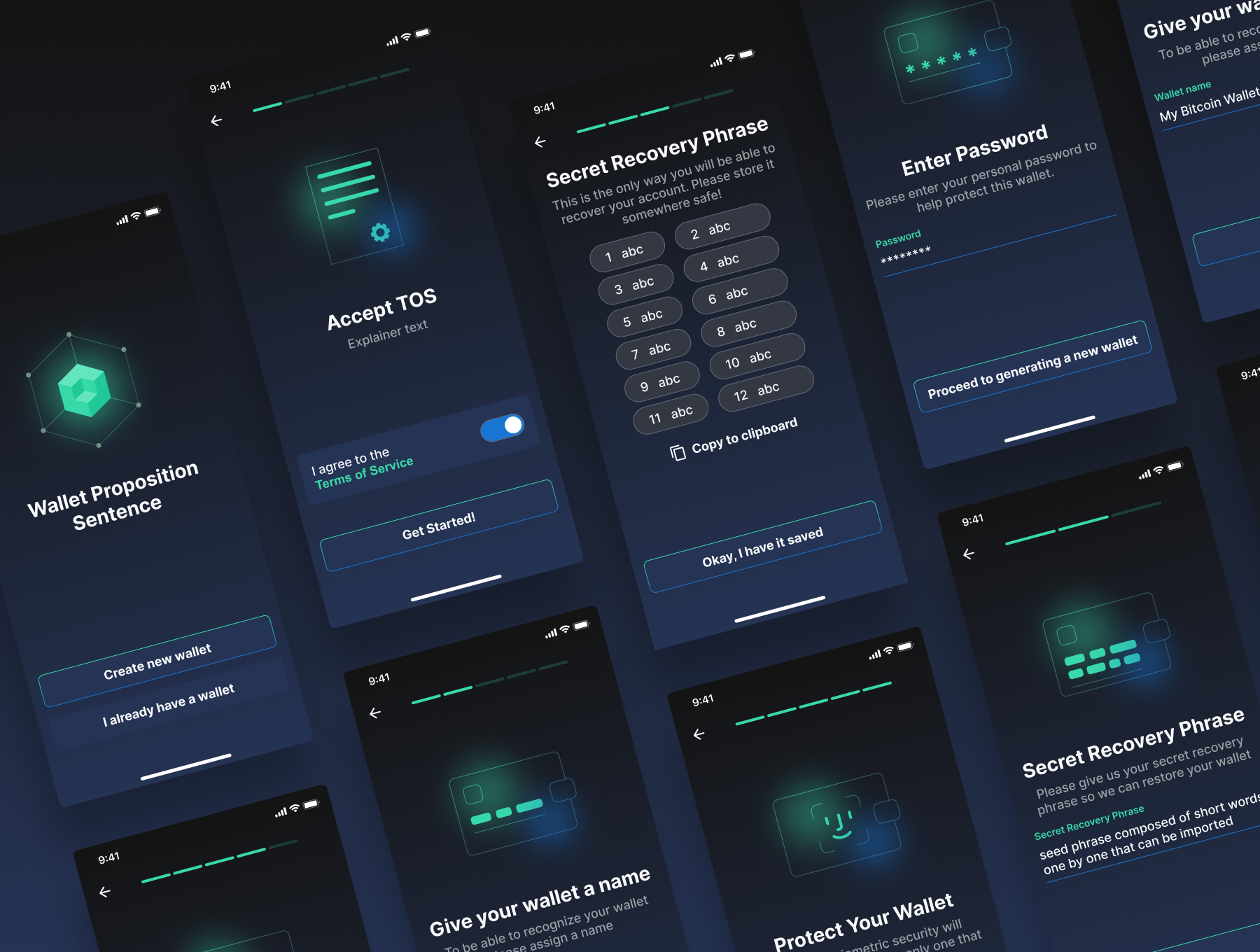
User Experience: Trust Wallet offers a seamless, in-app buying process that is straightforward for beginners. In contrast, MetaMask’s card purchase flow may require additional steps, making it less intuitive for some users.
-
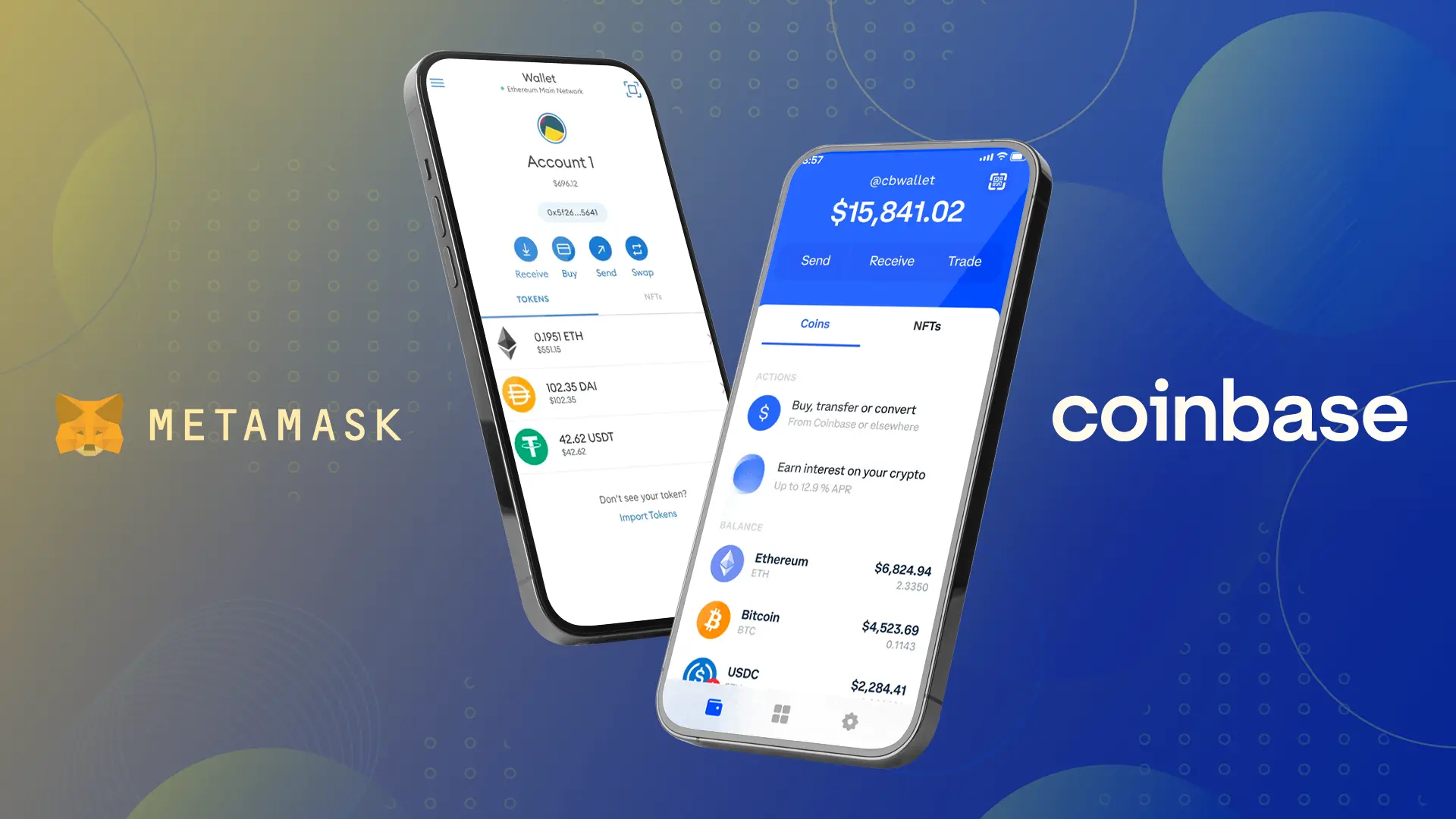
Asset and Blockchain Support: Trust Wallet supports a wider range of coins, tokens, and blockchains for purchase compared to MetaMask, which is primarily focused on Ethereum and EVM-compatible assets.
-
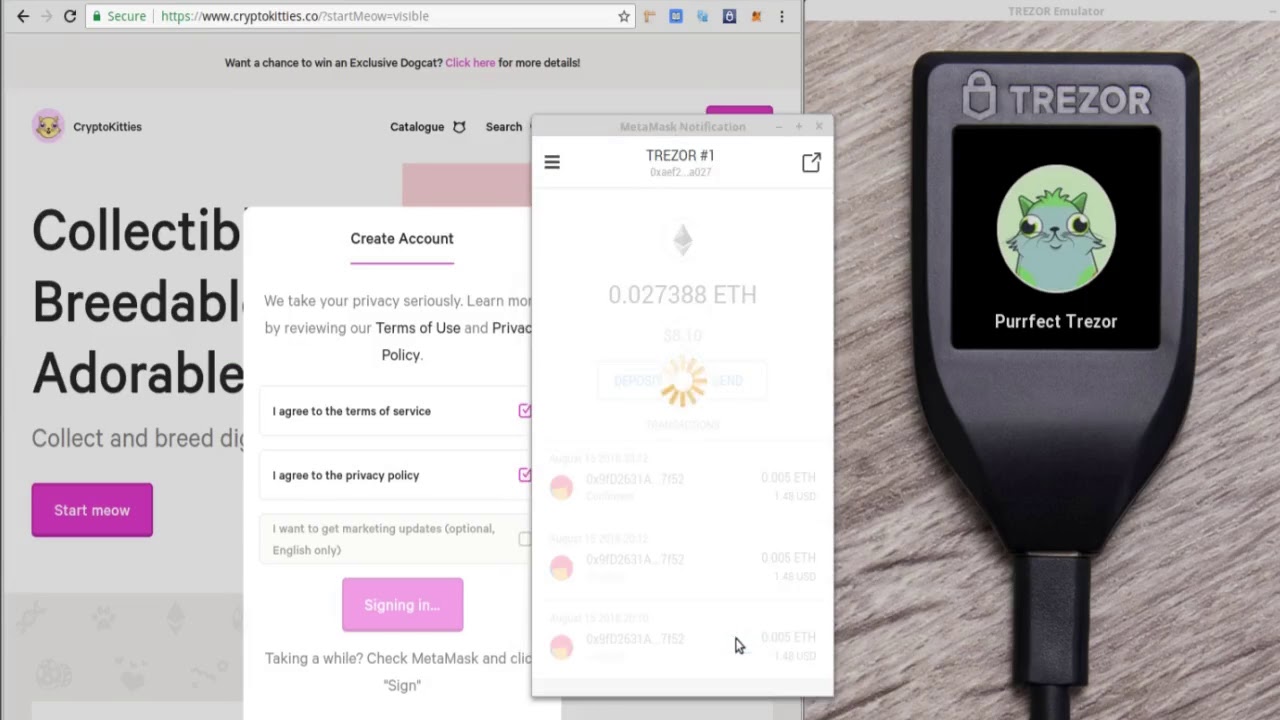
Integration with Hardware Wallets: MetaMask offers integration with multiple hardware wallets (such as Ledger and Trezor), while Trust Wallet currently supports Ledger only.
Final Takeaways: Making Your First Crypto Purchase Count
The bottom line? Both wallets deliver robust options for buying crypto direct to wallet via card in 2025, with comparable fees but distinct user journeys. For simplicity seekers or anyone prioritizing broad asset access out-of-the-box, Trust Wallet holds the edge. If you’re an Ethereum power user who wants granular control over providers and network settings, and don’t mind an extra step or two, MetaMask remains a top contender.
No matter which path you choose, always double-check provider fees before confirming your purchase and ensure you’re interacting with official wallet apps (especially on desktop). With rapid evolution in fiat onramps expected through 2025, expect both wallets to keep raising the bar for seamless crypto entry.
About the Author