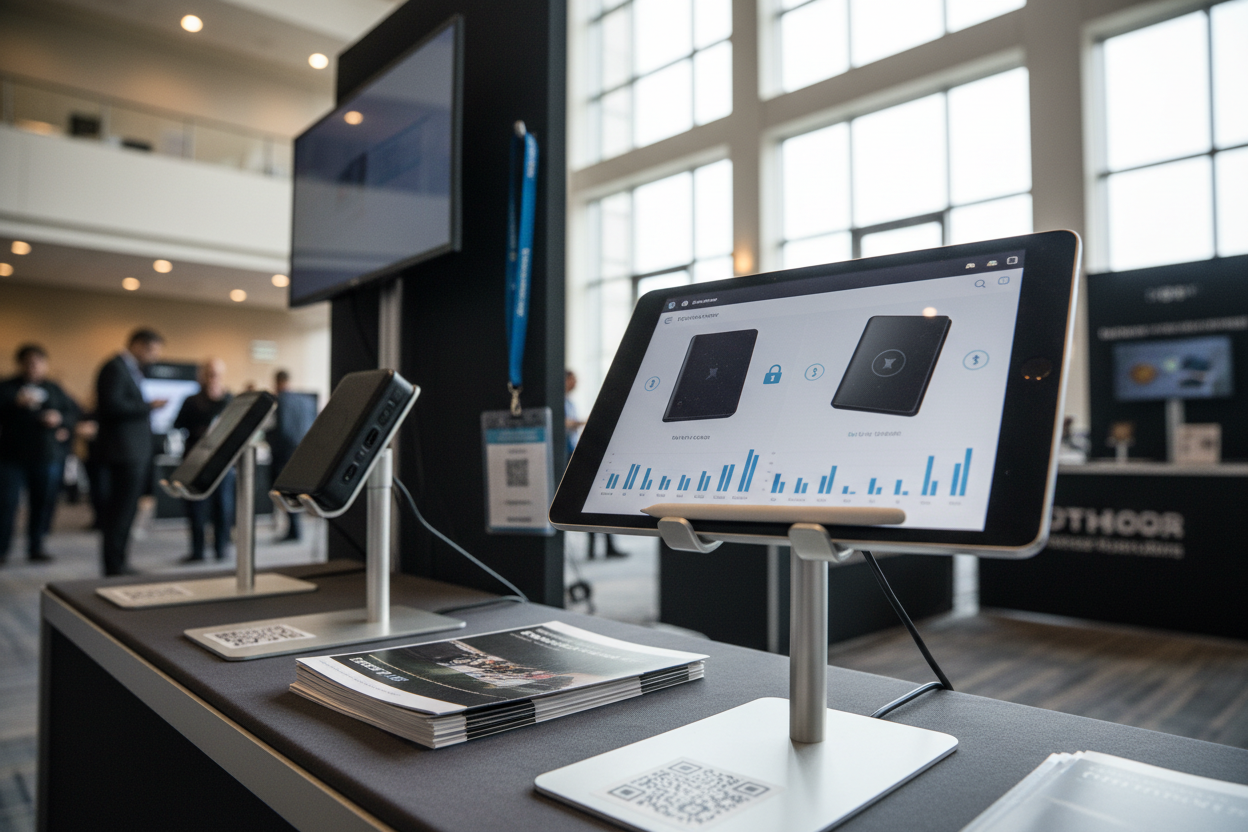
Bitcoin's price stands at $71,247.00 as of March 2026, reflecting a 3.12% gain over the past 24 hours with a high of $71,492.00 and low of $68,308.00. In this volatile market, self-custody remains the gold standard for protecting Bitcoin holdings, making the choice between Ledger vs Trezor 2026 hardware wallets more critical than ever. These devices excel in Bitcoin security, clear signing, and Bluetooth mobile access, but their approaches diverge in ways that impact long-term usability and risk profiles. This comparison dissects the latest models, drawing from recent advancements like Trezor's Safe 7 introducing Bluetooth alongside Ledger's Flex and Stax refinements.
For Bitcoin-focused investors, the best hardware wallet for Bitcoin must prioritize unbreachable private key isolation. Both Ledger and Trezor achieve this through offline storage, but their security architectures reveal nuanced trade-offs. Ledger leans on certified secure elements, while Trezor emphasizes transparency via open-source code.
Bitcoin Security: Secure Elements and Open-Source Transparency Clash
Ledger's lineup, including the Nano X, Flex, and Stax, integrates CC EAL6 and certified secure element chips. These hardware fortresses resist physical attacks like side-channel exploits or fault injection, a boon for high-value Bitcoin stacks. The closed-source firmware, though less auditable publicly, benefits from third-party validations that have held up against real-world threats. Consider Ledger's track record: no successful remote key extractions reported, even post-2023 recovery service controversies which were software-side issues.
Trezor counters with fully open-source firmware and hardware schematics across its Safe 3, Safe 5, and new Safe 7 models. Community audits have fortified it against vulnerabilities, and the addition of EAL6 and secure elements in the Safe series bridges the physical security gap. For Bitcoin purists valuing Bitcoin self custody hardware, Trezor's transparency means fewer black-box worries; anyone can verify the code doesn't phone home or harbor backdoors.
Ledger vs Trezor: Security Comparison (2026)
| Security Feature | Ledger | Trezor |
|---|---|---|
| Secure Element | CC EAL6+ certified (Flex, Stax) | EAL6+ certified (Safe 3, Safe 5) |
| Firmware | Closed-source (certified) | Fully open-source |
| Physical Attack Resistance | High (Secure Element protection) | High (Secure Element protection) |
| Supported Coins (Total, incl. BTC) | 5,500+ | 1,500+ |
Quantitatively, Ledger edges in broad ecosystem resilience due to its secure element edge in proprietary optimizations, but Trezor's open-source model fosters faster bug fixes via global contributors. In a 2026 landscape where quantum threats loom distantly, both suffice for Bitcoin's ECDSA keys, yet Ledger's certifications offer methodical assurance for institutional-grade holdings.
Clear Signing: Ensuring Bitcoin Transactions Are What They Seem
Ledger clear signing shines on devices like the Flex and Stax, where high-resolution screens parse full transaction details - addresses, amounts, fees - in human-readable format. No more squinting at QR codes or trusting dApps; users confirm Bitcoin sends directly on-device, mitigating clipboard hijacks or malicious payloads. This feature, refined since Nano S Plus, integrates seamlessly with Ledger Live for multi-sig setups common in Bitcoin security.
Trezor matches this capability, particularly on the Model T and Safe series touchscreens. Color displays render Bitcoin transaction data clearly, supporting SegWit, Taproot, and PSBTs for advanced use cases. Recent firmware updates ensure parity, with Trezor's open-source verifier allowing custom checks. A Reddit thread highlights user debates: some favor Ledger's UI polish, others Trezor's extensibility via third-party apps.



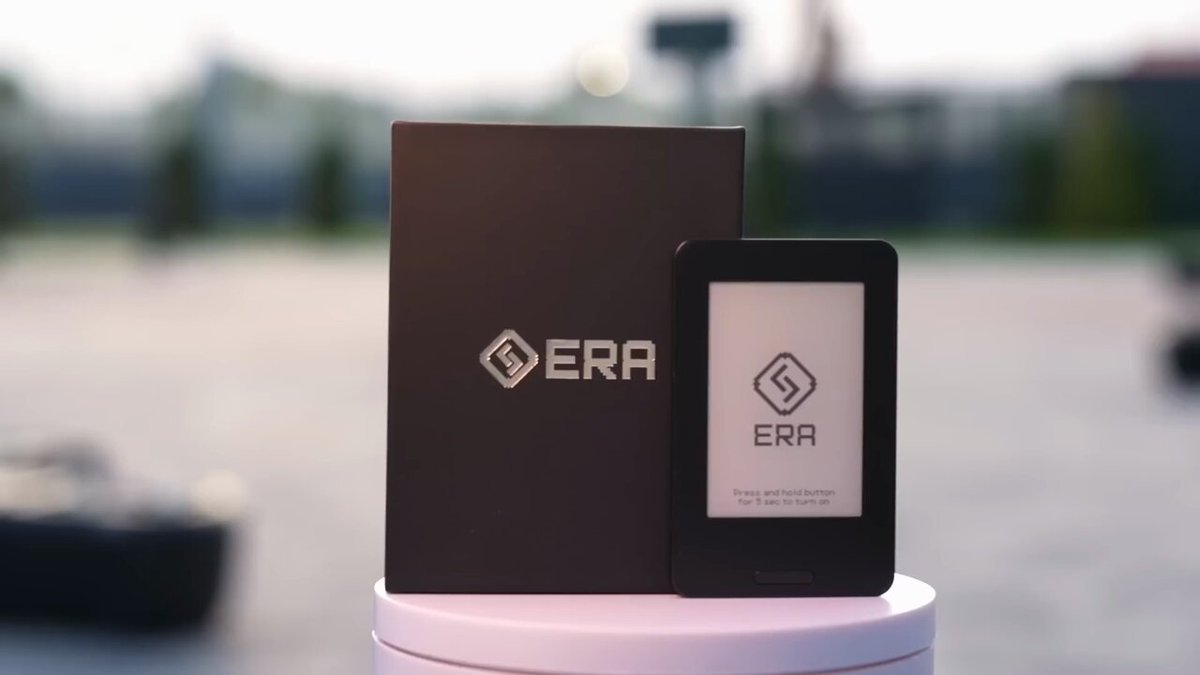
In practice, both eliminate blind signing risks that plague software wallets, but Ledger's ecosystem ties yield smoother Bitcoin-only flows, especially for Lightning Network integrations. For methodical verification, test both via emulator tools before committing funds.
Bluetooth Mobile Access: Balancing Convenience and Exposure Risks
Historically, Ledger pioneered Bluetooth with the Nano X, extending to Stax and Flex for wireless iOS/Android pairing via Ledger Live. At $71,247.00 per Bitcoin, mobile signings without cables streamline on-the-go management, ideal for HODLers checking positions amid market swings. Encryption secures the low-energy Bluetooth link, with pairing codes preventing MITM attacks.
Trezor resisted Bluetooth to minimize vectors, sticking to USB air-gapping. Enter the Safe 7: its 2026 debut adds optional Bluetooth, matching Ledger's mobility while retaining USB fallback. This shift acknowledges user demand for Trezor Bluetooth wallet functionality without compromising core ethos. Early benchmarks show comparable latency to Ledger, but Trezor's open firmware invites scrutiny of the wireless stack.
Bitcoin (BTC) Price Prediction 2027-2032
End-of-Year Price Forecasts Including Bear, Base, and Bull Cases Amid Hardware Wallet Advancements and Market Cycles
| Year | Minimum Price (Bear Case) | Average Price (Base Case) | Maximum Price (Bull Case) |
|---|---|---|---|
| 2027 | $55,000 | $95,000 | $160,000 |
| 2028 | $65,000 | $140,000 | $350,000 |
| 2029 | $80,000 | $220,000 | $550,000 |
| 2030 | $100,000 | $350,000 | $850,000 |
| 2031 | $120,000 | $500,000 | $1,200,000 |
| 2032 | $150,000 | $700,000 | $1,800,000 |
Price Prediction Summary
From a 2026 baseline of ~$71,000, Bitcoin is projected to experience cyclical growth, with the 2028 halving catalyzing a bull run. Bear cases account for regulatory hurdles and recessions; base assumes steady adoption; bull scenarios reflect mass institutional inflows and enhanced security via wallets like Ledger and Trezor.
Key Factors Affecting Bitcoin Price
- 2028 Bitcoin Halving: Expected to drive scarcity and price surge in bull case.
- Institutional Adoption: ETF inflows and corporate treasuries bolster base growth.
- Hardware Wallet Innovations: Ledger/Trezor advancements (Bluetooth, clear signing, secure elements) boost retail confidence and HODLing.
- Regulatory Developments: Favorable policies could accelerate bull case; crackdowns fuel bear scenarios.
- Market Cycles: Post-2026 consolidation followed by 2028-2029 bull peak.
- Technological Upgrades: Layer-2 scaling (e.g., Lightning) expands use cases, supporting higher valuations.
Disclaimer: Cryptocurrency price predictions are speculative and based on current market analysis. Actual prices may vary significantly due to market volatility, regulatory changes, and other factors. Always do your own research before making investment decisions.
Bluetooth introduces theoretical risks - signal interception - but both vendors mitigate via session keys and device attestation. For Bitcoin traders, Ledger's mature implementation wins on polish; Trezor's newcomer status promises rapid iterations based on community feedback. Pairing this with clear signing elevates mobile Bitcoin security beyond hot wallets.
Evaluating secure crypto wallet comparison extends to pricing and model ecosystems, where value hinges on Bitcoin-specific needs amid Bitcoin's climb to $71,247.00. Ledger's range spans the Nano S Plus at $79, Nano X at $149, Flex at $249, and premium Stax at $279. These tiers bundle Bluetooth in mid-to-high models, plus batteries for extended sessions, justifying the premium for mobile Bitcoin warriors.
Trezor's lineup proves more accessible: Safe 3 at $79, Safe 5 at $169, and Safe 7 at $179. The Bluetooth leap in Safe 7 closes the convenience gap without Ledger's top-end pricing, appealing to budget-conscious self-custodians. Data from Coinspot. io pegs Trezor averages lower, yet Ledger's battery inclusion tips value scales for frequent users, per coldcryptowallets. com analyses.
Ledger vs Trezor: Model Lineups and Pricing - Cost vs Capability for Bitcoin Holders
| **Model** | **Price (USD)** | **Bluetooth** | **Screen Type** | **BTC Features (SegWit/Taproot/Clear Signing)** |
|---|---|---|---|---|
| Ledger Nano X | **$149** | ✅ Yes | Monochrome | Full ✅ |
| Ledger Flex | **$249** | ✅ Yes | E-Ink Touch | Full ✅ |
| Trezor Safe 5 | **$169** | ❌ No | Color Touch | Full ✅ |
| Trezor Safe 7 | **$179** | ✅ Yes | Color Touch | Full ✅ |
Dissecting further, Ledger's broader 5,500 and coin support shines for diversified portfolios, but Bitcoin maximalists find Trezor's 1,500 and ample, with deeper native integrations like Bitcoin Core compatibility. Staking via Ledger Live edges multi-asset plays, while Trezor's Suite app prioritizes simplicity. Methodically, calculate total ownership cost: factor setup time, app polish, and recovery drills. Ledger's ecosystem demands Ledger Live updates; Trezor's modularity suits tinkerers.
User experience data from Koinly and Moss. sh underscores Ledger's Bluetooth maturity, with fewer pairing hiccups reported in 2026 forums. Trezor's Safe 7, fresh off launch, garners praise for intuitive touch navigation but trails in iOS Bluetooth stability per early Reddit feedback. Both support PSBTs for Bitcoin multisig, yet Ledger's clear signing pairs best with mobile dApps like Electrum.
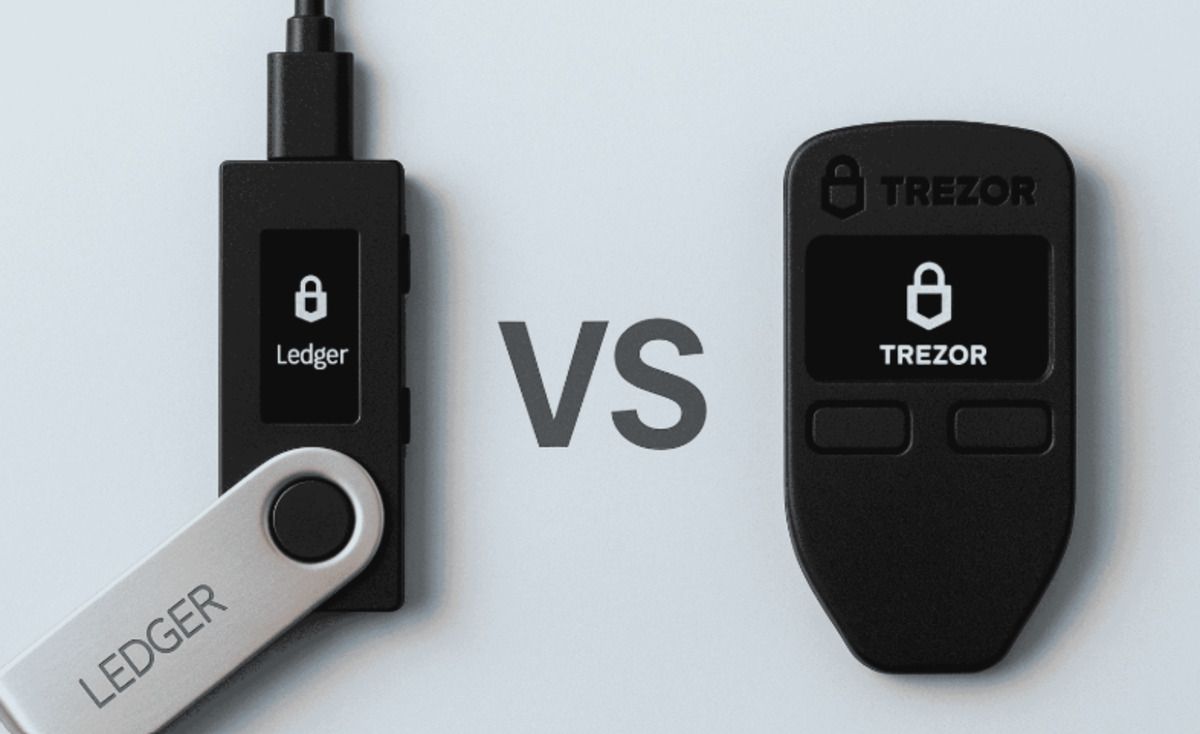
For high-net-worth Bitcoin holders at today's $71,247.00 levels, Ledger Flex offers the optimal blend: EAL6 and secure element, vivid clear signing, and seamless Bluetooth for portfolio checks during 3.12% daily swings. Its closed firmware, battle-tested against supply-chain fears, suits those prioritizing plug-and-play over code dives.
Trezor Safe 7 appeals to transparency advocates, blending open-source audits with newfound Bluetooth for Bitcoin self custody hardware that evolves publicly. If community velocity matters, Trezor's firmware updates outpace Ledger's, fixing Bluetooth quirks faster. Coin Bureau notes Ledger's coin breadth, but for pure Bitcoin, Trezor's ethos aligns with cypherpunk roots.
Forward-looking, both integrate emerging protocols like Babylon for Bitcoin staking, with Ledger's app leading announcements. Quantum resistance roadmaps favor neither decisively yet, but Trezor's open designs invite collaborative upgrades. Test via live demos: Ledger's emulators mimic Bluetooth flows; Trezor's web simulator verifies signing.
Choose Ledger for mobile-first Bitcoin security with unyielding hardware certifications. Opt for Trezor when open-source scrutiny outweighs bells like batteries. In 2026's maturing market, either fortifies self-custody against exchange failures, ensuring your stack thrives beyond price peaks.

No comments yet. Be the first to share your thoughts!