Imagine swapping tokens on your crypto wallet and never worrying about whether you have enough BNB or SOL to cover the gas. That’s not a distant dream anymore - in November 2025, Trust Wallet made it a reality by launching Gas Sponsorship, a feature that redefines what users can expect from self-custody wallets. This move isn’t just another incremental upgrade; it’s a signal that the era of wallet-native gas fees is fading, and user-friendly, gasless crypto transactions are fast becoming the new standard.
How Trust Wallet Gas Sponsorship Works
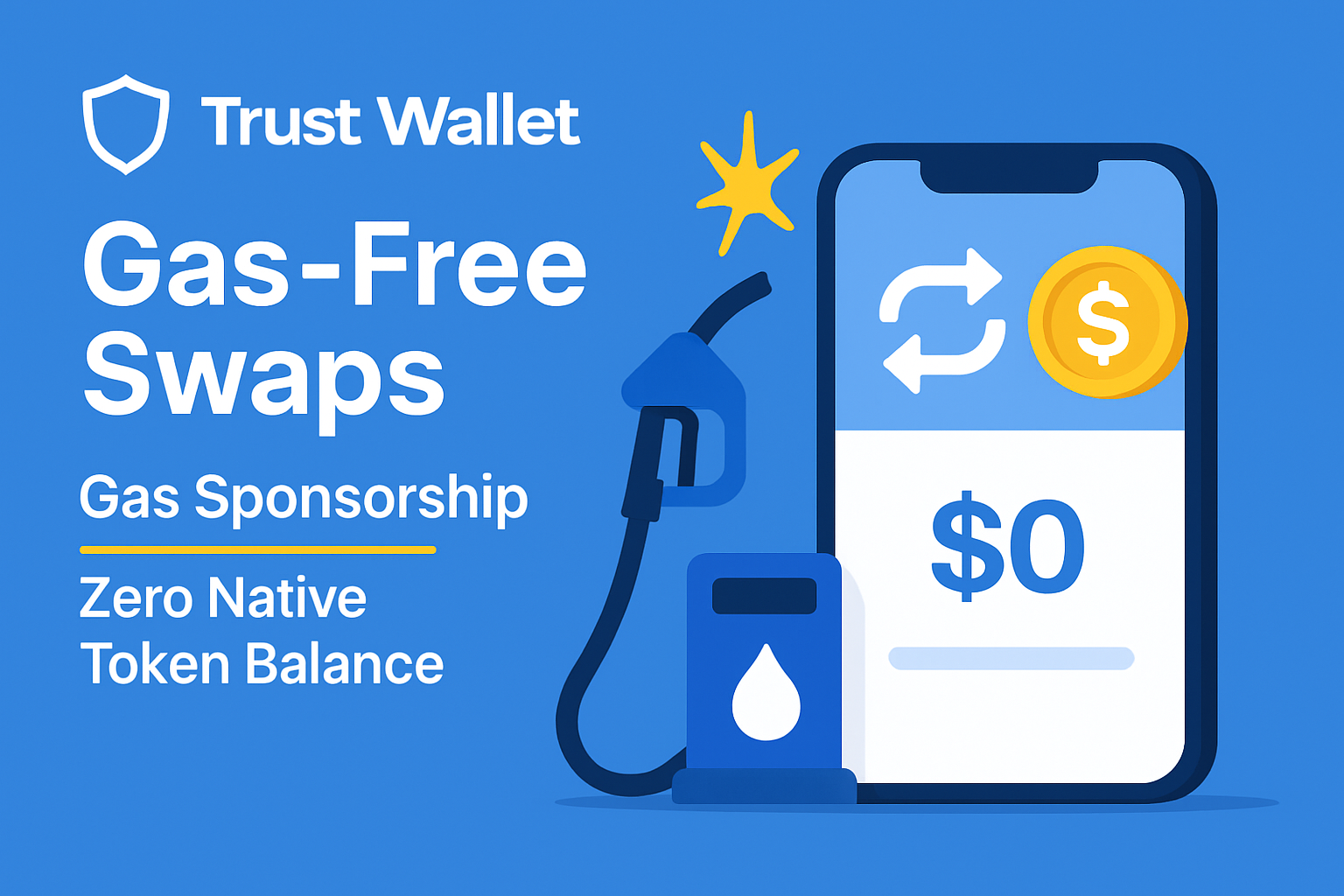
Let’s break down the mechanics. With Gas Sponsorship, Trust Wallet automatically covers the gas fees for swaps on BNB Chain and Solana - even if your wallet has zero native tokens. You can perform up to four sponsored swaps per day without needing to top up BNB or SOL first. For Solana swaps, there’s a minimum swap amount of about $200 (as of November 2025), while BNB Chain lets you swap any amount.
This isn’t just about convenience; it’s about accessibility. For years, newcomers have been tripped up by the need to acquire small amounts of native coins just to get started. Now, with this feature live and frictionless, even first-time users can execute their first swaps without ever touching an exchange for gas tokens.
Why Gas-Free Swaps Matter in 2025
The crypto landscape is shifting rapidly toward mainstream adoption. As more people enter Web3, expectations are rising: why should sending or swapping digital assets be any harder than using Venmo or PayPal? Traditional wallets required users to manage obscure details like network fees paid in native coins - a hurdle that often led to failed transactions or abandoned onboarding attempts.
Gas sponsorship flips that script. Now, anyone can initiate a swap directly inside Trust Wallet without worrying about their BNB or SOL balance. The result? Smoother onboarding flows and fewer abandoned transactions - two things every wallet provider wants as competition heats up among the best wallets with no gas fees.
The Bigger Trend: Gas Abstraction Across Wallets
Trust Wallet isn’t alone in pushing for seamless user experiences. In May 2025, they rolled out FlexGas, which lets users pay transaction fees using popular tokens like TWT, USDT, and USDC thanks to Ethereum's EIP-7702 standard. Other leading wallets such as Bitget Wallet and MetaMask have followed suit with their own versions of gas abstraction or sponsorship features.
This industry-wide race is all about removing friction points - making blockchain interactions as simple as possible for everyone from seasoned swing traders to total beginners. The result? Swap volume milestones across wallets are being shattered as more users jump in without fear of getting stuck at the "insufficient gas" screen.
For active traders and DeFi explorers, this is a game-changer. No more pausing to hunt for a few dollars’ worth of BNB or SOL just to complete a swap. The psychological barrier is gone, and so is the technical one. Instead, you’re free to focus on strategy, timing, and asset selection, the real drivers of success in crypto markets.
Top Crypto Wallets With Gas-Free or Gas-Abstracted Swaps (2025)
- Trust Wallet now offers Gas Sponsorship, covering swap gas fees on BNB Chain and Solana (up to 4 swaps/day, no BNB/SOL needed). Plus, FlexGas lets you pay fees with tokens like TWT, USDT, or USDC via EIP-7702.
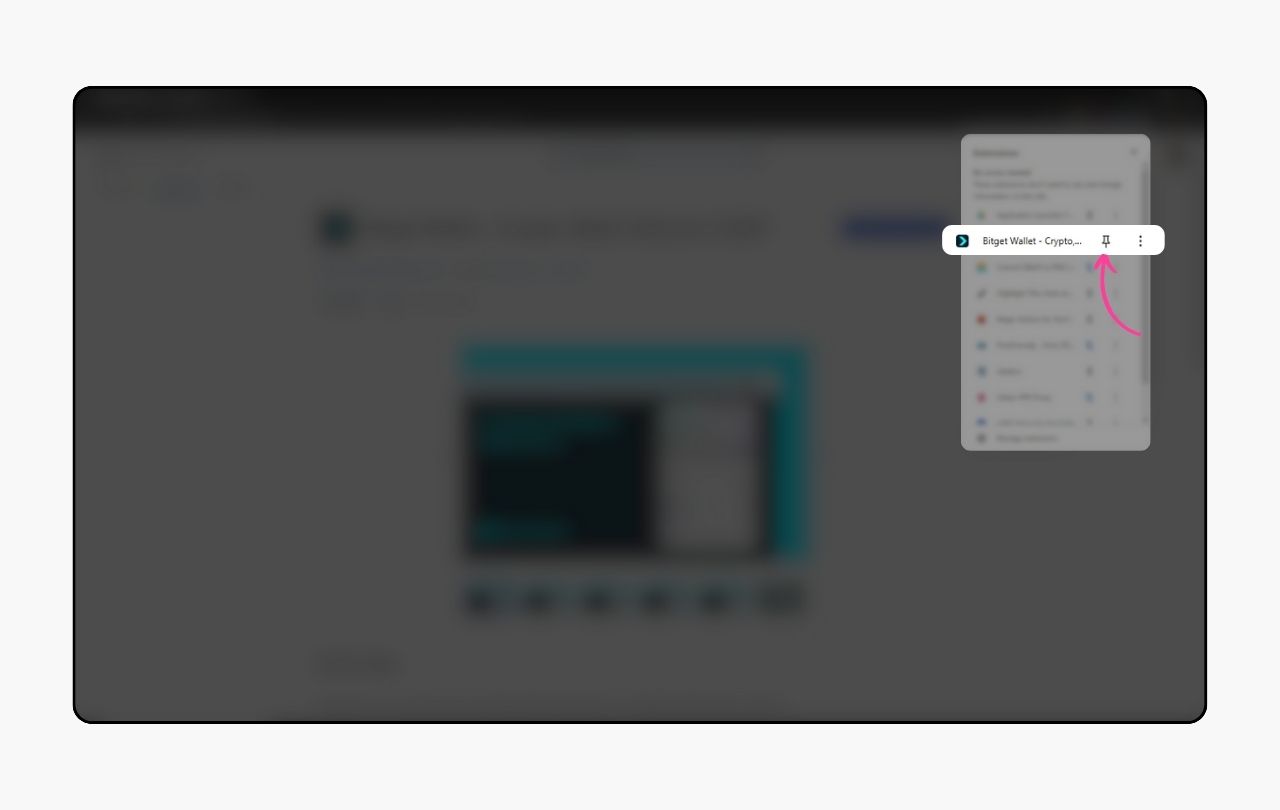
- Bitget Wallet supports gas-free swaps on multiple networks, including Base and BNB Chain. Users can swap tokens without holding the network’s native coin for eligible transactions.
- MetaMask introduced gas abstraction in 2025, allowing users to pay gas fees with select ERC-20 tokens instead of ETH for certain swaps and transactions, streamlining the user experience.
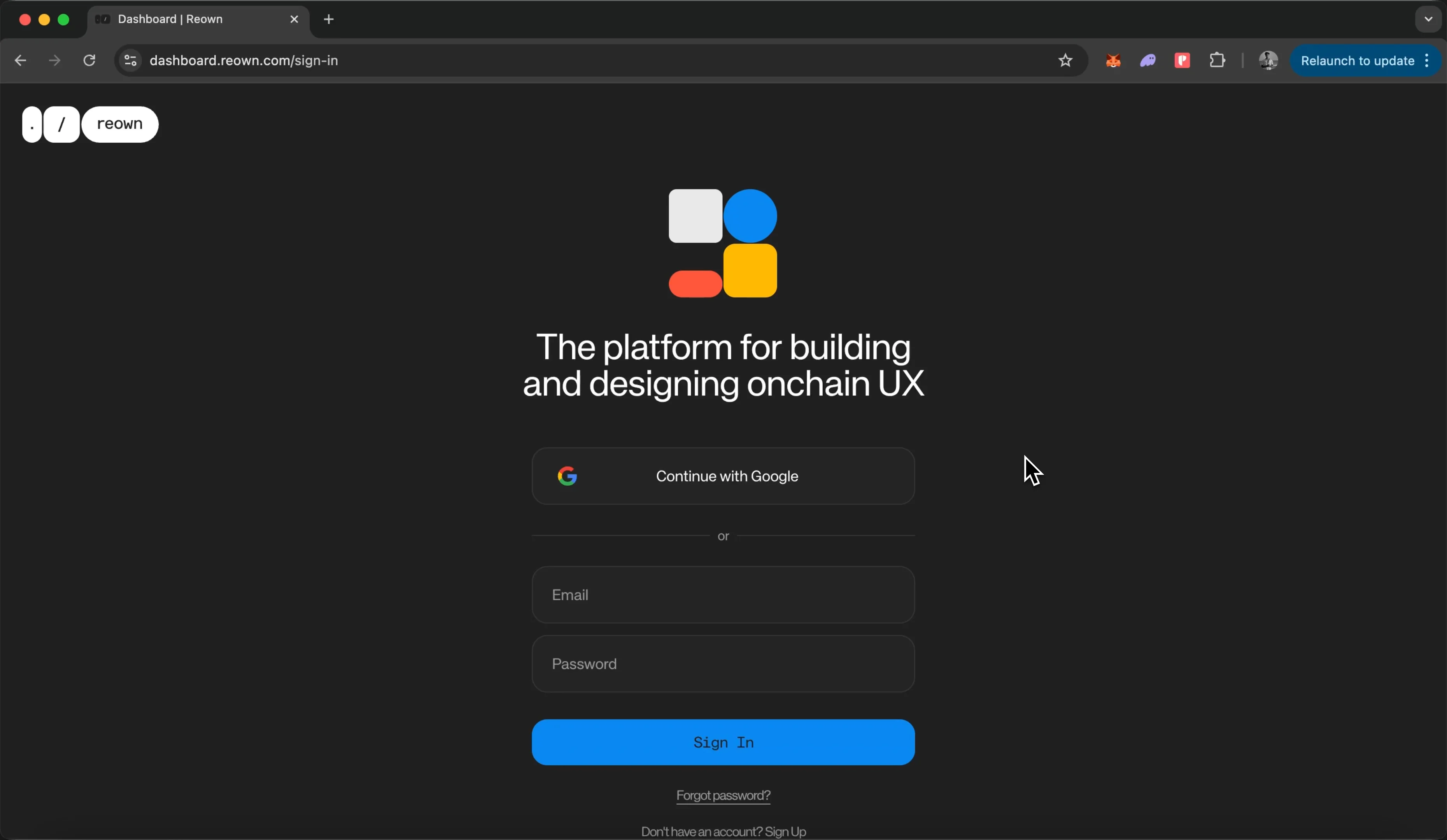
- Reown AppKit Embedded Wallet enables gas abstraction by letting users pay gas fees in stablecoins like USDC, reducing the need for native tokens and simplifying onchain UX.
- Trust Swift Wallet offers token-based gas payments, empowering users to pay transaction fees with assets such as USDC for supported blockchains, further lowering entry barriers.
But it’s not only about the convenience factor. There’s an underlying shift in wallet design philosophy here: user experience now trumps protocol purity. By abstracting away gas requirements, wallets are finally putting users first, delivering an experience that feels modern and frictionless. It’s no coincidence that wallets with robust gas sponsorship features are seeing explosive growth in both new user signups and swap volumes.
What Are the Limits? Understanding Sponsored Swap Caps
Of course, there are boundaries to this generosity (at least for now). Trust Wallet’s Gas Sponsorship currently covers up to four swaps per day per user on eligible networks. For Solana, your swap must hit the $200 minimum threshold; BNB Chain has no such lower limit. These caps are likely designed to prevent abuse while still giving regular users plenty of room to transact freely.
If you find yourself swapping more than four times daily, or working with smaller amounts on Solana, you’ll still need some native tokens on hand for extra transactions. But for most users, these limits are generous enough to make “gas anxiety” a thing of the past.
What Comes Next? The Future of Gasless Crypto Transactions
Looking ahead, it’s clear that crypto wallet gas sponsorship 2025 isn’t just a fleeting trend, it’s setting expectations for every major wallet provider. As EIP-7702 and similar standards gain traction across chains, we’ll likely see even more flexible fee payment options emerge: think paying fees in stablecoins or loyalty points, or even unlocking unlimited sponsored swaps via premium memberships.
This evolution is already influencing how new protocols are built and how projects approach onboarding. Imagine a world where onboarding flows don’t mention “gas” at all, where users can interact with DeFi dapps, mint NFTs, or send funds without ever learning about network fees until they’re ready to dive deeper.
Why This Matters for Everyday Users, and Power Traders Alike
If you’re just getting started in crypto or helping friends onboard, Trust Wallet’s gas-free swaps mean one less headache. No more explaining why someone needs $3 worth of BNB just to move their USDT, it simply works out of the box. For power users chasing arbitrage opportunities or fast-moving trades across chains, eliminating friction means fewer missed chances and less time wasted managing balances across networks.
The bottom line? Gasless crypto transactions are quickly becoming table stakes. If your go-to wallet doesn’t offer some form of gas abstraction by now, it might be time to compare alternatives, because as 2025 draws to a close, seamless swaps without native token hassles aren’t just nice-to-have; they’re expected.


No comments yet. Be the first to share your thoughts!