How we picked the best crypto wallet 2026
Selecting the right self-custody wallet requires balancing three competing priorities: security, usability, and open-source verification. In 2026, the landscape has shifted from simple key storage to complex ecosystem management, making the evaluation criteria stricter than in previous years.
We prioritize non-custodial architectures above all else. As the industry standard dictates, you hold the keys, you hold the coins. Wallets that retain access to your private keys or offer "social recovery" without clear, user-controlled safeguards are excluded from our top recommendations.
Security verification relies on independent audits and open-source code. We favor wallets like Trezor and Ledger that publish their firmware and security whitepapers. If a wallet’s source code is closed or its security model relies on proprietary black-box algorithms, it receives a lower score regardless of marketing claims.
Usability is the final gatekeeper. A secure wallet that is too complex to use will lead to user error, which is the leading cause of lost funds. We test each candidate for interface clarity, transaction confirmation accuracy, and support for the primary assets you are likely to hold, such as Bitcoin and Ethereum.
Our methodology mirrors the consensus of experienced holders. As noted in community discussions on Reddit, the "best" wallet often depends on your specific use case: hardware for long-term storage and software for daily interaction. We evaluate each product against this dual standard to ensure our recommendations serve both the cautious saver and the active trader.
Best overall hardware wallet: Ledger Stax
The Ledger Stax stands out as the best crypto wallet in 2026 for users who prioritize secure offline key storage combined with a significantly easier-to-use interface than traditional cold wallets. By integrating a secure element hardware chip with a curved E Ink display, it allows you to verify transactions visually before signing, reducing the risk of signing malicious smart contracts or sending funds to the wrong address.
Unlike smaller devices that rely on tiny buttons for navigation, the Stax’s curved touchscreen lets you review transaction details, including token types and amounts, directly on the device. This visual confirmation is critical for self-custody, ensuring you maintain control over your assets without relying on potentially compromised computer screens. The device supports Bluetooth connectivity for seamless interaction with the Ledger Live mobile app, yet it remains air-gapped when you choose to disconnect for maximum security.
The premium build quality, featuring a magnetic stackable design and customizable lock screen, makes it a durable daily driver for serious holders. For those seeking the best balance of offline security and modern usability, the Ledger Stax remains the top choice for hardware wallets this year.

Best open-source hardware wallet: Trezor Safe 7
The Trezor Safe 7 is the definitive choice for users who prioritize open-source firmware and advanced privacy controls. As a hardware wallet, it keeps your private keys offline, but it distinguishes itself with a secure element chip and a color touchscreen that provides clear transaction details. This combination makes it ideal for privacy-focused investors who want transparency in how their assets are protected.
Open-source transparency and Shamir Backup
Unlike many competitors that keep their firmware closed, Trezor’s code is fully open-source. This allows security researchers and developers to audit the wallet for vulnerabilities, ensuring that no backdoors exist. For high-value storage, the Safe 7 includes Shamir Backup, a feature that splits your recovery seed into multiple parts. You can distribute these parts to trusted family members or safe locations, meaning you never have to write down a single vulnerable seed phrase.
Supported assets and usability
The Trezor Safe 7 supports over 1,800 cryptocurrencies and tokens, including Bitcoin, Ethereum, and major altcoins. The color touchscreen simplifies navigation, making it easier to verify addresses on-screen rather than relying on small LED indicators found in older models. It works seamlessly with the Trezor Suite desktop application, which offers a clean interface for managing your portfolio and updating firmware.

Who should choose the Safe 7?
This wallet is best suited for self-custody advocates who value transparency and want the highest level of security available in a consumer device. If you are comfortable with a slightly higher price point than entry-level models like the Trezor Model One, the Safe 7 offers significant upgrades in security and usability. It is particularly recommended for Bitcoin holders who want to use the native Taproot protocol for enhanced privacy and lower transaction fees.
Best mobile self-custody wallet: Trust Wallet
Trust Wallet stands out as the leading software option for daily transactions and multi-chain support on mobile devices. As an official Binance wallet that has evolved into an independent, open-source solution, it bridges the gap between ease of use and true self-custody. Unlike hardware wallets that require physical access, Trust Wallet lives in your pocket, making it ideal for frequent traders and DeFi users who need instant access to their assets.
The wallet’s primary strength lies in its multi-chain architecture. It supports over 16 million assets across more than 70 blockchains, including Ethereum, Solana, BNB Chain, and Bitcoin. This broad compatibility means you don’t need to juggle multiple apps for different networks. Whether you’re swapping tokens on Uniswap or staking assets on Polygon, Trust Wallet handles the underlying RPC connections seamlessly, presenting a unified interface for your entire portfolio.
For self-custody, Trust Wallet gives you full control over your private keys. Your seed phrase is stored locally on your device and never leaves your phone, ensuring that no third party can access your funds. The app also integrates directly with decentralized exchanges (DEXs) and NFT marketplaces, allowing you to trade and collect digital assets without leaving the wallet environment. This integration reduces the friction of moving funds between different platforms.
While no software wallet is immune to the risks of mobile operating systems, Trust Wallet mitigates threats through regular security audits and a built-in security center that warns you about suspicious contracts. It is a robust choice for those who prioritize mobility and variety over the cold-storage isolation of hardware devices.
Best Bitcoin-only wallet: Sparrow Wallet
Use this section to make the Best Crypto Wallet decision easier to compare in real life, not just on paper. Start with the reader's actual constraint, then separate must-have requirements from details that are merely nice to have. A practical choice should survive normal use, maintenance, timing, and budget. If a recommendation only works in an ideal situation, call that out plainly and give the reader a fallback path.
The simplest way to use this section is to write down the must-have criteria first, then compare each option against those criteria before weighing nice-to-have features.
Quick comparison of top self-custody wallets
Choosing the right self-custody wallet depends on your primary use case. Whether you prioritize offline security for long-term holdings or daily transactional flexibility, the hardware and software options in 2026 cater to distinct needs.
The table below compares Ledger Stax, Trezor Safe 7, Trust Wallet, and Sparrow Wallet across key dimensions such as wallet type, primary strengths, and ideal user profile. This side-by-side view helps you identify which best-crypto-wallet fits your specific strategy.
| Wallet | Type | Key Strengths | Best Use Case |
|---|---|---|---|
| Ledger Stax | Hardware | E-ink touchscreen, Secure Element chip, Bluetooth connectivity | Users wanting a premium hardware experience with mobile app integration |
| Trezor Safe 7 | Hardware | Open-source firmware, clean interface, strong Bitcoin focus | Security-focused Bitcoin holders who prefer tactile button inputs |
| Trust Wallet | Software (Hot) | Multi-chain support, built-in DApp browser, mobile-first design | Daily trading and interacting with decentralized applications on the go |
| Sparrow Wallet | Software (Hot) | Advanced privacy features, full node support, coin control | Bitcoin maximalists and advanced users prioritizing maximum privacy and self-sovereignty |
Frequently asked questions about self-custody
What is the most recommended crypto wallet?
For most users, the "best" wallet depends on your primary asset. Exodus and Zengo are frequently recommended for beginners due to their intuitive interfaces, while Trust Wallet serves multi-chain needs. For Bitcoin-specific self-custody, Sparrow Wallet offers advanced privacy features, and Trezor Model One remains a top entry-level hardware choice. Software wallets like MetaMask are standard for Web3 interactions, whereas hardware options like Tangem and Ledger are often preferred for daily use and altcoin storage respectively.
What is the best cold wallet for crypto in 2026?
Cold storage prioritizes security over convenience. The Trezor Bitcoin Edition is widely considered ideal for long-term Bitcoin storage due to its open-source firmware and air-gapped design. Ledger devices remain suitable for storing a broader range of altcoins alongside Bitcoin. For users seeking a card-form factor, Tangem offers a robust alternative for daily cold storage, though it supports fewer advanced features than dedicated hardware keys like the Trezor Model One.
Can the IRS see your crypto wallet?
The IRS cannot directly monitor private keys, but it can trace activity when your identity is linked to your holdings. Once you connect your wallet to a centralized exchange or convert crypto to fiat that hits your bank account, the IRS can map your wallet-to-wallet activity. This visibility increases significantly if you move assets back to an exchange or engage in taxable events that require reporting on your tax return.
What crypto to hold in 2026?
While wallet selection is separate from asset allocation, market trends in 2026 highlight specific assets for self-custody. Ripple (XRP) is gaining adoption among financial institutions and is considered a strong candidate for investment, trading near key technical levels. However, the primary focus for self-custody remains Bitcoin and Ethereum, which form the backbone of most non-custodial portfolios.
Helpful gear
Use these product recommendations as a starting point, then choose the size, material, and price point that fit how you actually use the gear.
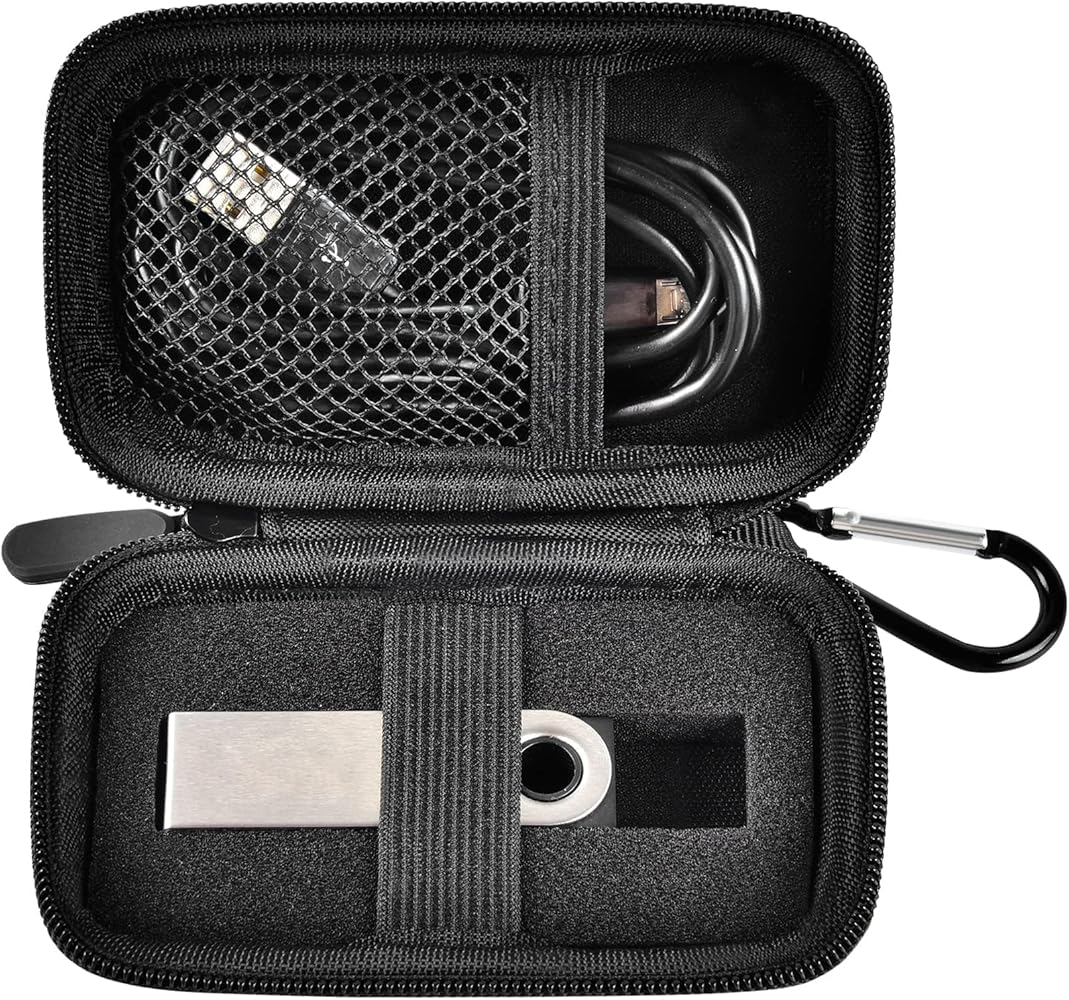
As an Amazon Associate, we may earn from qualifying purchases.
No comments yet. Be the first to share your thoughts!