Crypto wallets 2026 budget
Best Crypto Wallets for works best when the purchase path is explicit. Verify the source, compare the offer against real alternatives, check the total cost, and confirm what happens after payment before you decide. After each comparison, write down the one risk that would change your mind. If the seller, condition, support, warranty, shipping, or upkeep still feels uncertain, resolve that question before moving to checkout.
The simplest way to use this section is to verify the seller, compare the total cost, and resolve the biggest risk before you commit.
Shortlist real options
Use this section to make the Best Crypto Wallets for decision easier to compare in real life, not just on paper. Start with the reader's actual constraint, then separate must-have requirements from details that are merely nice to have. A practical choice should survive normal use, maintenance, timing, and budget. If a recommendation only works in an ideal situation, call that out plainly and give the reader a fallback path.
| Factor | What to check | Why it matters |
|---|---|---|
| Fit | Match the option to the primary use case. | A good deal still fails if it does not fit the job. |
| Condition | Verify age, wear, and service history. | Hidden condition issues erase upfront savings. |
| Cost | Compare purchase price with likely upkeep. | The cheapest option is not always the lowest-cost option. |
Inspect the expensive parts
Buying a crypto wallet is a one-time purchase, but a failure in security or usability can cost you everything. Most reviews focus on which coins are supported, but the real test is how the device behaves under pressure. Use this checklist to evaluate the expensive failure points before you commit funds.
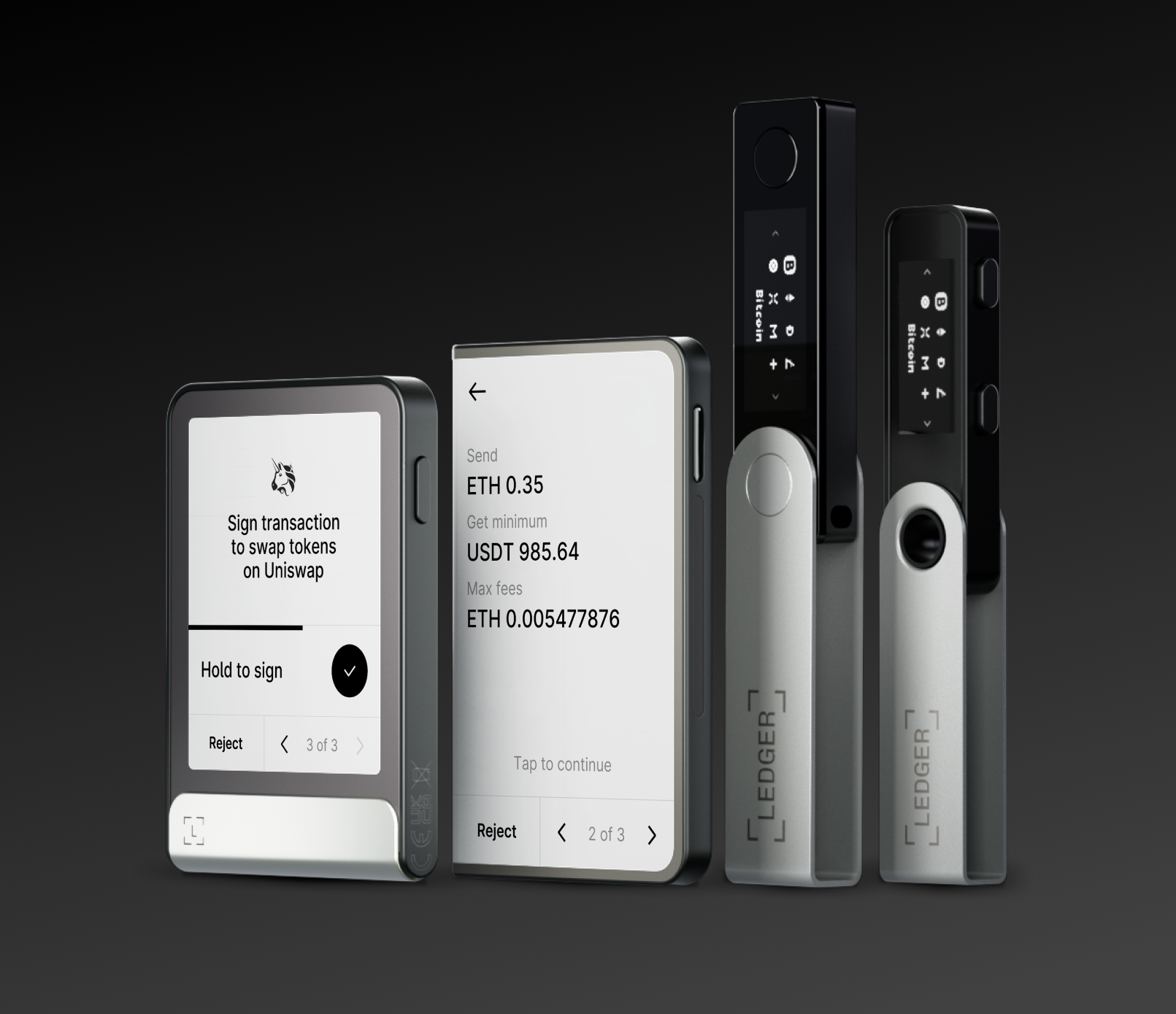
Look for a dedicated secure element (SE) chip, not just generic encryption. The SE isolates your private keys from the device’s main processor and operating system. If a wallet relies on software-only storage on a connected computer or phone, it is vulnerable to malware. Hardware wallets like Ledger Stax use this chip to ensure keys never leave the device, even if the host computer is compromised.

Your 12 or 24-word recovery phrase is the only way to access your funds if the device breaks or is stolen. Check if the wallet offers a paper backup card or a metal backup solution. Relying on a screenshot or a digital note on your phone is a critical failure point; if your phone is hacked or lost, your crypto is gone. A physical backup ensures you can restore your wallet on any compatible device.
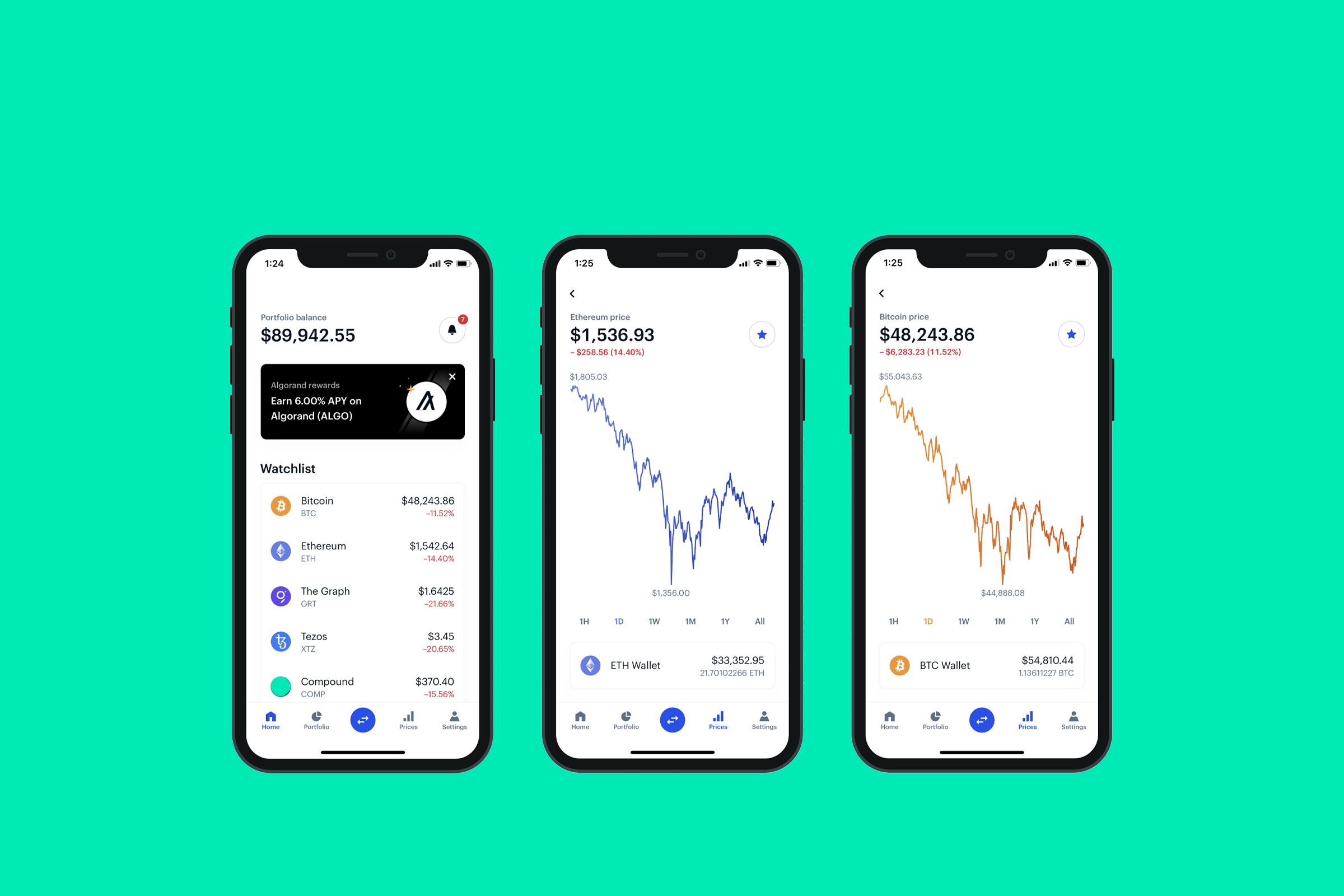
Security claims are marketing until they are verified. Look for public security audits from reputable firms like Cure53 or Kudelski Security. These reports detail how independent experts tried to break into the wallet’s firmware and interface. If a wallet provider cannot show a recent, public audit, assume their security claims are unsubstantiated. This is especially vital for hardware wallets, where a firmware flaw could expose all connected accounts.
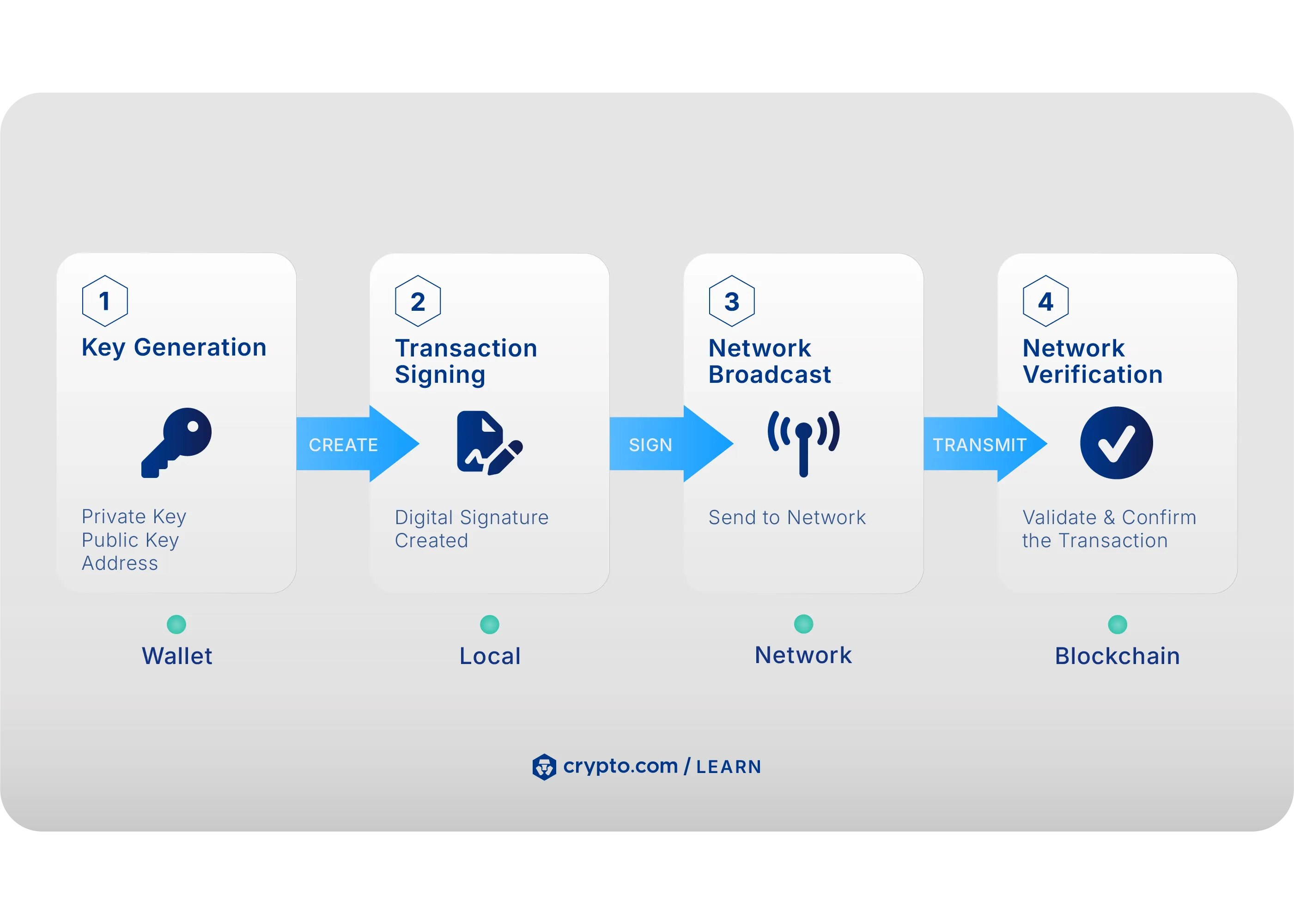
A confusing interface leads to user error, which is the most common cause of lost funds. Ensure the wallet displays transaction details clearly on its own screen, so you can verify the recipient address and amount before signing. If you have to trust a small phone screen to verify what the hardware is doing, you have lost the security benefit of the device. Clear, large text and simple navigation reduce the risk of accidental transfers.
By focusing on these four areas, you move beyond feature lists and ensure your wallet can actually protect your assets when it matters most.
Ownership costs and maintenance surprises
A cheap wallet can quickly become expensive if you overlook the hidden costs of ownership. The sticker price is only the start. You must account for subscription fees, hardware replacements, and the time spent managing security protocols. A $50 hardware wallet that requires a $10/year subscription for advanced features costs more over three years than a $80 device with no recurring fees.
Maintenance surprises often come from firmware updates or ecosystem changes. If a wallet vendor discontinues support for a major blockchain, your assets may become hard to access or move. This is not just an inconvenience; it can lock your capital. Always check the vendor's roadmap and community activity before buying. A wallet that is not actively maintained is a liability, not an asset.
When a cheap buy stops being cheap, it is usually due to these friction points. You might pay for extra security layers, spend hours troubleshooting compatibility issues, or lose value because a feature you relied on was removed. Compare the total cost of ownership over five years, not just the initial purchase price. The most trusted crypto wallets often have higher upfront costs but lower long-term maintenance burdens.


As an Amazon Associate, we may earn from qualifying purchases.
No comments yet. Be the first to share your thoughts!