Crypto wallet 2026 budget
Choosing a self-custody wallet in 2026 means balancing upfront cost against long-term security. The market ranges from affordable hardware options to premium devices with advanced threat detection. Your budget should reflect the value of the assets you plan to store and how often you need to transact.
For most users, a mid-range hardware wallet offers the best balance of security and usability. Devices like the Ledger Flex or Trezor Safe 5 provide secure element protection without the premium price tag of enterprise-grade solutions. These wallets support multi-chain assets and integrate with popular DeFi interfaces, making them suitable for active traders and long-term holders alike.
If you are just starting out, consider a budget-friendly option like the Tangem or SafePal S1 Pro. These cards and compact devices offer strong security for essential transactions at a lower entry point. They are ideal for storing smaller amounts or testing the self-custody workflow before investing in higher-end hardware.
For high-net-worth individuals or those holding significant assets, premium devices like the Ledger Stax or BitBox02 are worth the investment. These wallets offer enhanced features such as e-ink displays, offline signing, and robust anti-tampering mechanisms. The higher cost is justified by the added layer of protection for your digital wealth.
When evaluating budget options, look beyond the sticker price. Consider the cost of replacement, the availability of firmware updates, and the reputation of the manufacturer. A cheap wallet that lacks regular security patches or has a history of vulnerabilities can cost you far more in the long run.


As an Amazon Associate, we may earn from qualifying purchases.
The right wallet depends on your specific needs. If you prioritize ease of use and broad asset support, a mid-range hardware wallet is a solid choice. If you need maximum security for large holdings, invest in a premium device. Always verify the source and authenticity of any wallet before purchasing to avoid counterfeit products.
Shortlist the strongest crypto wallet 2026 options
Choosing the right self-custody solution depends on balancing security architecture with daily usability. The landscape in 2026 has shifted toward devices that offer robust offline key storage without sacrificing interface clarity. Below are the top contenders identified by industry analysts and security experts, compared side-by-side to highlight their specific strengths.
| Wallet | Type | Primary Strength | Best For |
|---|---|---|---|
| Ledger Flex | Hardware | Flexible e-ink display for complex DeFi interactions | Active DeFi users |
| Ledger Stax | Hardware | Curved touchscreen with secure element | Premium UX and NFT viewing |
| Trezor Safe 5 | Hardware | Open-source firmware and high security | Security purists |
| Tangem | Card | No battery required, tap-to-use NFC | Mobile-first beginners |
| BitBox02 | Hardware | Swiss-made hardware with dual backup options | Bitcoin and Ethereum maximalists |
Ledger Flex has emerged as the best overall crypto wallet 2026 choice for most users due to its flexible screen, which allows for better readability of transaction details on the go. Ledger Stax offers a similar secure element architecture but distinguishes itself with a curved e-ink display that is particularly useful for verifying NFT images before signing. For those prioritizing strict security over screen real estate, the Trezor Safe 5 provides open-source firmware and a clean interface, making it a reliable alternative for conservative holders. Tangem simplifies the process entirely by removing the need for batteries or cables, using NFC-enabled cards that are ideal for users who prioritize convenience and portability.


As an Amazon Associate, we may earn from qualifying purchases.
When selecting a wallet, verify that the device supports the specific blockchains you intend to use. While Ledger devices generally offer broader support for new Layer 1s and DeFi protocols, Trezor devices are often praised for their strict adherence to security standards and cost-effectiveness. Always purchase from official sources to ensure the device has not been tampered with before setup.
Inspect the expensive parts
When you hold your own keys, a single failure can mean total loss. There is no customer support to reverse a transaction or reset a password. Before you trust a device with your life savings, treat it like a safe you are building yourself. You need to check the physical security, the software integrity, and the recovery process.
This checklist targets the failure points that actually matter. If a wallet fails any of these steps, it is not ready for self-custody.
Look for a dedicated secure element chip, not just a standard microcontroller. This chip isolates your private keys from the rest of the device, making them resistant to physical attacks and malware. Devices like the Ledger Stax and Trezor Safe 5 use these chips to ensure keys never leave the hardware boundary. If the specs list only a "secure processor" without mentioning a certified secure element, proceed with caution.
The wallet must generate your 12 or 24-word recovery phrase offline. Never trust a device that displays the seed on a connected screen or sends it to an app. The best wallets, such as the BitBox02, generate entropy locally using a hardware random number generator. If the seed is generated on your computer or phone before being written to the device, the keys may already be compromised.
Before sending any real funds, perform a dry run. Write down your seed phrase on paper, then restore it on a different device or a fresh instance of the same wallet. Send a tiny amount of crypto (e.g., $1 worth) to the address. If you cannot access those funds with the seed phrase, your backup is useless. This step catches errors in your writing or compatibility issues with the companion app.
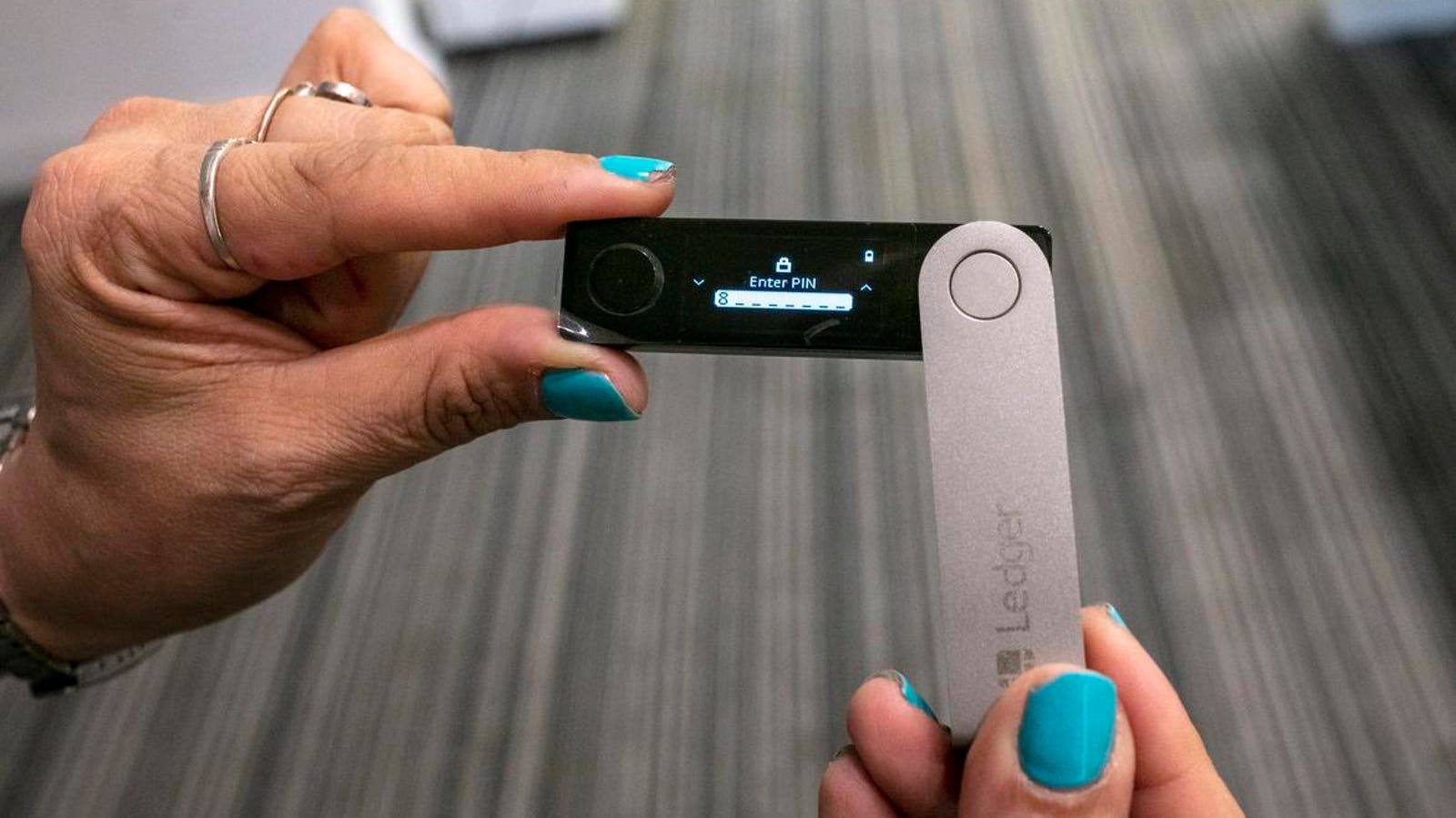
Check for tamper-evident seals and robust casing. A good hardware wallet should feel solid, with buttons that provide clear tactile feedback. Avoid wallets with flimsy plastic screens or loose ports. If the device arrives with broken seals or visible scratches, do not use it. Physical integrity is the first line of defense against supply-chain attacks.
Prefer wallets with open-source firmware, like Trezor or BitBox02. This allows independent security researchers to audit the code for backdoors or vulnerabilities. If the firmware is closed-source, you must trust the manufacturer entirely. Look for third-party security audits from reputable firms. Transparency in code is a strong signal of long-term security commitment.
Ownership costs and maintenance surprises
A wallet’s purchase price is just the entry fee. The real cost of self-custody comes from the hidden maintenance, replacement cycles, and the time you spend keeping your keys alive. When a cheap buy stops being cheap, it is usually because the hardware failed or the software ecosystem became obsolete.
Hardware lifecycle and replacement
Hardware wallets are not built to last forever. The Ledger Stax and Trezor Safe 5 use secure elements and touchscreens that degrade with use. If a device’s screen fails or the secure element locks up, you cannot simply "buy a new one" and transfer your funds. You must restore from your seed phrase on a new device.
This creates a replacement cycle that most buyers ignore. A $50 wallet might need replacing every 3–5 years due to battery failure or port wear. If you do not have your seed phrase backed up in multiple physical locations, a broken device becomes a permanent loss of assets. Plan for the cost of a replacement device every few years as part of your storage budget.
Software and compatibility costs
Software wallets like MetaMask are free to download, but they charge in gas fees and exposure to phishing. Every transaction on Ethereum or other EVM chains requires native tokens (ETH, MATIC, etc.) to pay for gas. If you hold only BTC or ADA, you may need to acquire small amounts of other tokens just to interact with certain dApps or bridges.
More importantly, software wallets require constant attention. You must update the app, verify contract addresses, and avoid malicious sites. The "cost" here is your time and attention. If you miss an update or click a fake link, the loss is total. Hardware wallets reduce this risk but require you to physically verify transactions on a small screen, which can be tedious for frequent traders.
When cheap stops being cheap
The cheapest wallets often lack robust security features or multi-chain support. A $20 device might only support Bitcoin, leaving you unable to store Ethereum or Solana without buying a second device. This fragmentation increases your physical risk: more devices mean more seed phrases to back up and more places for errors to occur.
Invest in a wallet that supports your primary assets natively. The Ledger Flex and Trezor Safe 5, for example, support a wide range of coins and offer better user interfaces that reduce the chance of human error. The higher upfront cost is offset by lower long-term risk and the convenience of managing multiple chains in one place.


As an Amazon Associate, we may earn from qualifying purchases.
Crypto wallet 2026: what to check next
Choosing a self-custody wallet in 2026 requires balancing daily usability with maximum security. The landscape has shifted toward AI-integrated threat detection and multi-chain support, making hardware wallets essential for long-term holdings. Below are answers to the most common practical questions readers ask before making a purchase.
What is the best cold wallet for crypto in 2026?
Ledger Flex is widely considered the best overall hardware wallet for most users, offering a blend of high readability and daily functional utility. For those prioritizing strict security and cost-effectiveness, Trezor Safe 5 remains a top contender. Ledger generally offers broader support for decentralized finance (DeFi) and new Layer 1 blockchains, while Trezor is often preferred for its open-source foundation and offline seed generation.
What crypto to hold in 2026?
Bitcoin and Ethereum remain the standard for self-custody, but many investors are adding Ripple (XRP) to their cold storage strategies. XRP is gaining adoption among financial institutions and is trading near key support levels, making it a prominent choice for 2026 portfolios. Regardless of the asset, the primary rule is to keep long-term holdings in a hardware wallet rather than an exchange.
Can I use one wallet for all my crypto?
Yes, modern multi-chain wallets like Ledger Flex and MetaMask support thousands of tokens across different networks. However, using a single wallet for all assets increases the attack surface. A common strategy is to use a hardware wallet for your primary Bitcoin and Ethereum holdings, and a mobile or browser extension wallet for active trading or interacting with DeFi protocols.
Are hardware wallets safer than software wallets?
Hardware wallets are significantly safer because private keys never leave the device, keeping them offline and immune to remote hacking attempts. Software wallets, while convenient for frequent transactions, are connected to the internet and vulnerable to malware. For any substantial amount of crypto, a hardware wallet like the BitBox02 or SafePal S1 Pro is the necessary baseline for security.
No comments yet. Be the first to share your thoughts!