Crypto wallets 2026 budget
Picking a hardware wallet often comes down to how much you value screen quality versus raw security. The Ledger Flex offers a modern e-ink display that makes reading transaction details easier, but you pay a premium for that upgrade. If you are comfortable with a small, monochrome screen, the Trezor One delivers solid protection for roughly $49. This price point makes it a sensible entry-level option for storing smaller portfolios without breaking the bank.
For those prioritizing multi-chain support and a compact form factor, the Ledger Nano X remains a strong contender. It connects via Bluetooth, allowing you to manage assets on the go, though the battery life requires occasional charging. The tradeoff here is convenience versus the simplicity of a wired connection. Wired devices like the Trezor Model T offer advanced features like a touchscreen and passphrase support, but they sit at a higher price tier.
When evaluating cost, consider the assets you hold. If you are storing major coins like Bitcoin or Ethereum, a basic device is sufficient. However, if you interact frequently with DeFi protocols or hold niche altcoins, investing in a wallet with broader native support can save you from using complex bridge interfaces. The goal is to balance the upfront cost with the long-term utility of the device.


As an Amazon Associate, we may earn from qualifying purchases.
Shortlist real options
Choosing the best crypto wallet 2026 depends on whether you prioritize daily trading convenience or long-term asset preservation. The market has shifted toward devices that blend physical security with intuitive software interfaces, making the decision less about price and more about workflow fit.
We evaluated top contenders based on supported coin count, user interface clarity, and security architecture. The following comparison highlights the strongest contenders for self-custody in 2026, ranging from budget-friendly entry points to premium biometric devices.
| Wallet | Type | Key Features | Best For |
|---|---|---|---|
| Ledger Flex | Hardware | E-ink touchscreen, Ledger Live integration | Daily usability |
| Trezor One | Hardware | Open-source firmware, budget price | Beginners on a budget |
| Ledger Stax | Hardware | Curved AMOLED screen, MagSafe charging | Premium design lovers |
| Tangem | Card | No battery, NFC smartphone setup | Mobile-first users |
Ledger Flex
Ledger positions the Flex as the best overall crypto wallet 2026 for users who want a dedicated device that feels like a smartphone. Its e-ink touchscreen allows for clear transaction verification without the glare of traditional LCDs. The device integrates seamlessly with Ledger Live, supporting thousands of assets across multiple chains. For most holders, this balance of readability and functional utility makes it the top recommendation.
Trezor One
Trezor remains the go-to option for those entering self-custody with minimal investment. Priced significantly lower than competitors, the Trezor One supports around 1,000 cryptocurrencies and relies on open-source firmware for transparency. While it lacks a display for complex address verification, its simplicity and low cost make it an ideal entry point for storing Bitcoin and Ethereum securely.
Ledger Stax
The Stax targets users who want premium hardware without sacrificing security. Its curved AMOLED screen allows for customizable lock screens and clearer transaction details. The device supports Bluetooth connectivity for mobile use while maintaining offline key storage. This combination of high-end design and robust offline protection appeals to experienced investors who manage larger portfolios.
Tangem
Tangem offers a unique card-based form factor that eliminates the need for batteries or cables. Users interact with the wallet via NFC using their smartphones, making it exceptionally portable. This approach simplifies the setup process for non-technical users, though it limits the number of supported coins compared to full-featured hardware wallets. It is a strong choice for those prioritizing convenience over extensive altcoin support.
Inspect the expensive parts
Choosing a wallet is cheap; losing funds is not. When evaluating crypto wallets in 2026, prioritize components that prevent irreversible errors. A single misstep in seed phrase storage or transaction signing can drain an account. Use this checklist to audit the failure points before committing capital.
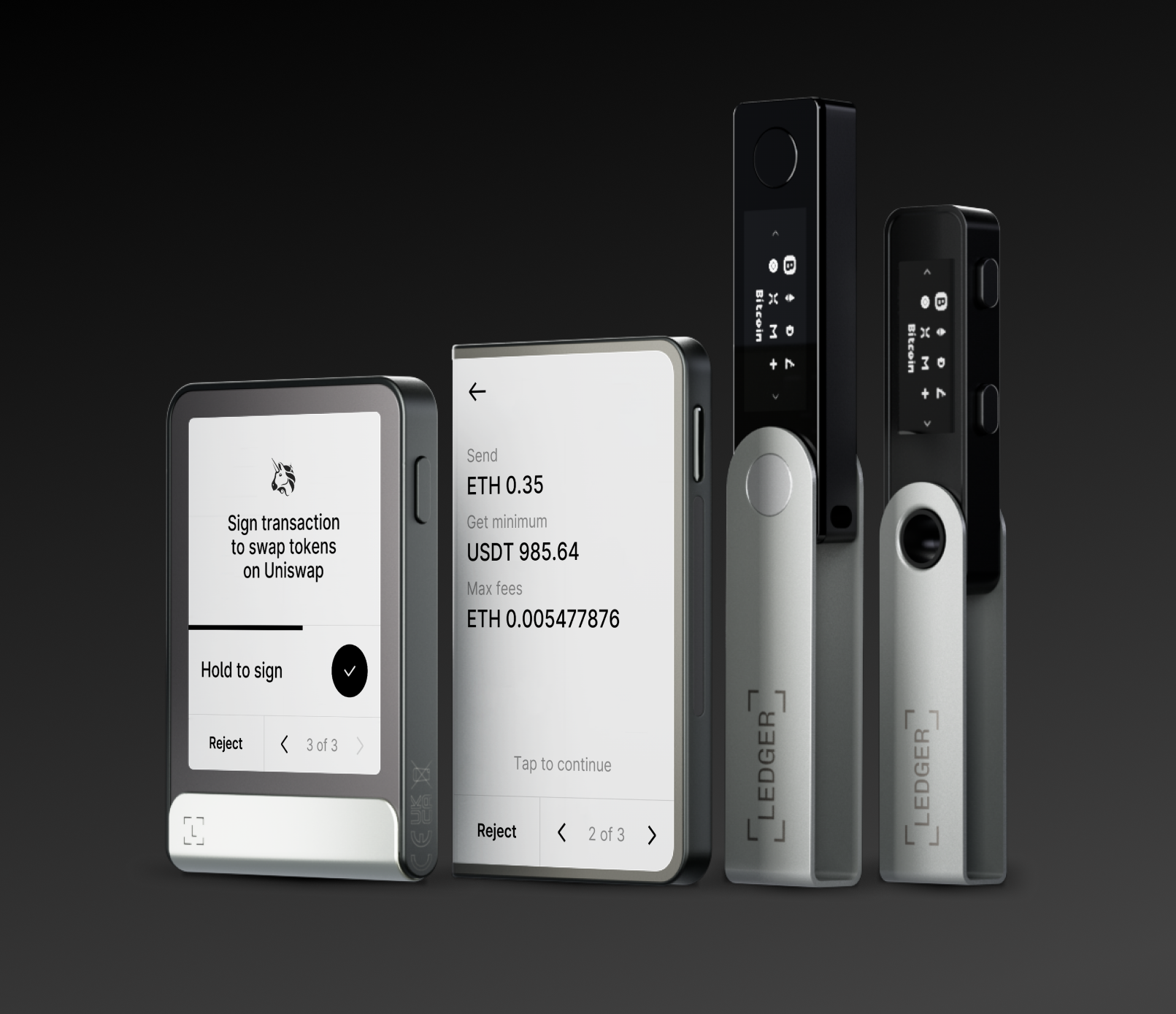
Always check that the wallet interface displays the exact recipient address and amount. Malware or compromised software can alter the destination address in your PC view while leaving the hardware screen unchanged. If the numbers on your computer do not match the tiny screen on your device, abort the transaction immediately.

The 12-24 word recovery phrase is your only backup. Never store it digitally—no photos, no cloud notes, no text files. A digital copy can be scraped by malware. Write it on metal or high-quality paper and store it in a physical safe. If you lose this phrase, your funds are gone forever.
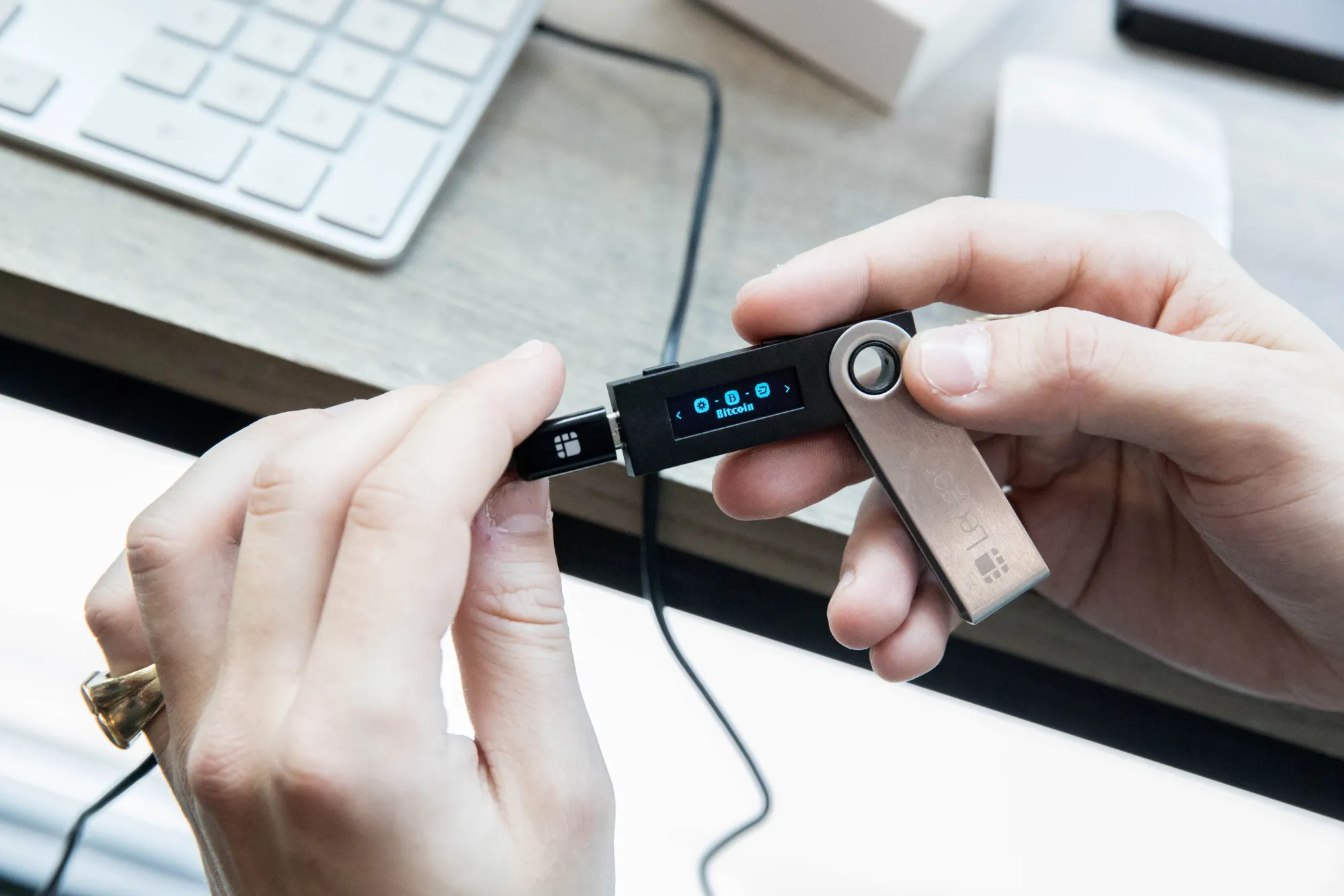
Ensure the wallet supports the specific blockchains you intend to use. Many wallets are limited to Ethereum or Bitcoin. If you plan to swap assets across Solana, Arbitrum, or other networks, verify native support to avoid bridging risks or unsupported token errors.


As an Amazon Associate, we may earn from qualifying purchases.
Ownership costs and maintenance surprises
A cheap upfront price rarely tells the whole story. Hardware wallets are durable, but they are not free to maintain. The real cost of ownership includes replacement cycles, backup infrastructure, and the time spent managing software updates across multiple chains.
Consider the entry-level hardware wallet. A device like the Trezor One starts around $49, making it an accessible entry point for cold storage. However, its limited interface and slower transaction speeds can become friction points as your portfolio grows. Conversely, premium models like the Ledger Flex offer better readability and utility but come at a higher initial price. The choice often hinges on whether you value immediate convenience or long-term durability.
Beyond the hardware itself, you must account for the "tax" of security. This means keeping a secure, offline environment for your recovery phrases and potentially replacing a device every 3-5 years as technology evolves. A $50 wallet that requires a complex, error-prone backup process is more expensive in the long run than a $150 wallet with a streamlined recovery workflow.


As an Amazon Associate, we may earn from qualifying purchases.
Crypto wallets 2026: what to check next
Choosing the right wallet depends on how you plan to use your assets. Hardware wallets like Ledger Stax and Trezor offer the strongest security for long-term holdings, while software wallets like Trust Wallet provide the flexibility needed for daily trading and multi-chain swaps.
What crypto to hold in 2026?
Market analysis points to Ripple (XRP) as a strong candidate for institutional adoption, trading near key support levels. For high-growth potential, Ethereum and Solana remain foundational, while altcoins like Chainlink, Arbitrum, and Sui are highlighted for their underlying technical strength and potential for significant returns.
What is the best 10x crypto in 2026?
Several altcoins are positioned for aggressive growth. Ethereum, Solana, Chainlink, Arbitrum, and Sui stand out due to their robust ecosystems and market direction. These projects combine strong developer activity with clear utility, making them primary targets for investors seeking high multiples.
Which wallet is safest for beginners?
Ledger Flex is widely considered the best overall option for most users in 2026. It balances readability and daily functional utility with the security of cold storage. For those on a tighter budget, Trezor offers a reliable entry point, supporting around 1,000 cryptocurrencies at a lower price point.
Can I use one wallet for all my coins?
Not all wallets support every asset. Hardware wallets like Ngrave and Ledger Stax support thousands of coins, making them versatile for diverse portfolios. Software wallets like Trust Wallet are specifically designed for multi-chain environments, allowing you to manage tokens across different blockchains without switching apps.
No comments yet. Be the first to share your thoughts!