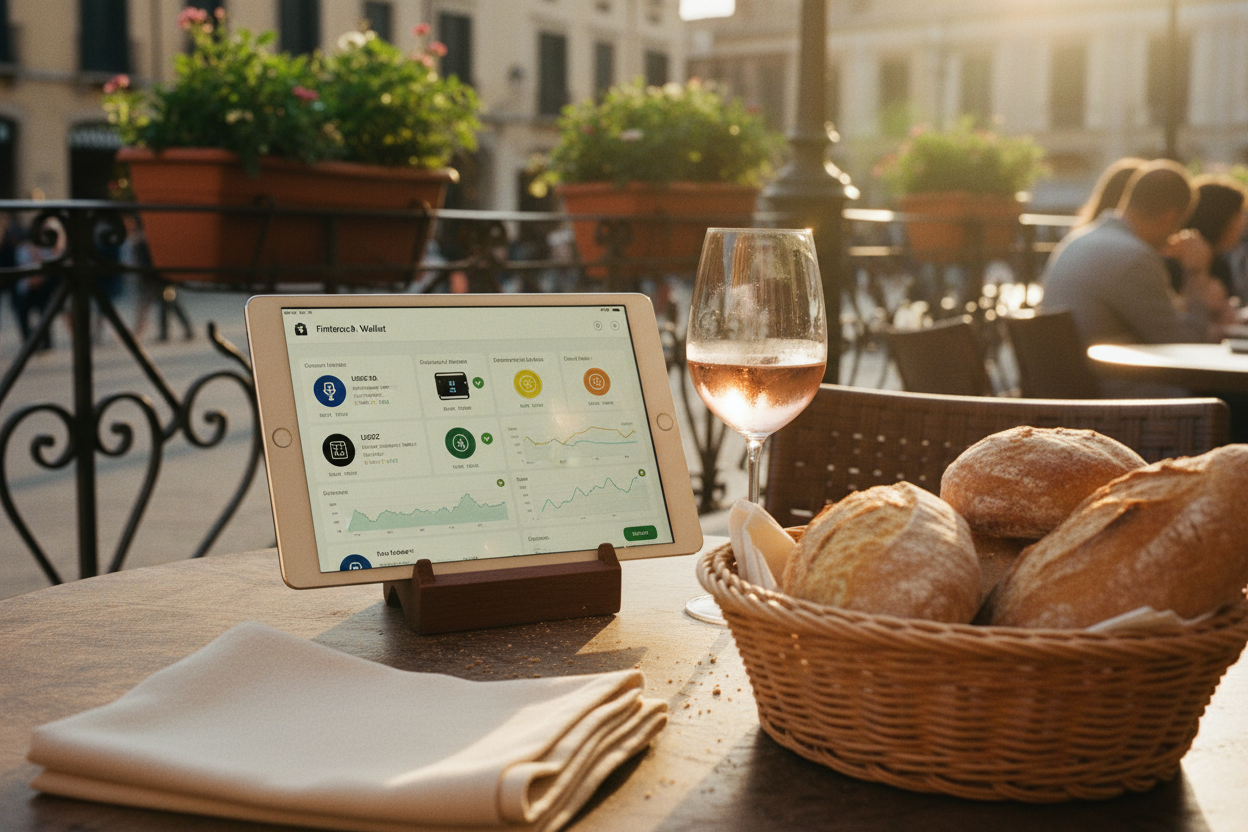
In the evolving landscape of European crypto adoption, the EU's Markets in Crypto-Assets (MiCA) regulation stands as a pivotal benchmark for wallet providers in 2026. As users prioritize MiCA licensed crypto wallets 2026 that enable seamless stablecoin payments without regulatory hurdles, choosing between OKX Wallet, Trust Wallet, and Binance Wallet demands a clear-eyed comparison. OKX Wallet emerges as a frontrunner with its recent EU payments license, while Trust Wallet's self-custodial nature offers flexibility at the cost of direct compliance perks, and Binance Wallet navigates ongoing adaptations. This analysis equips you with actionable insights to match your needs, whether you're spending USDC at a cafe or safeguarding assets amid regulatory shifts.
OKX Wallet's MiCA Edge: Licensed for Stablecoin Innovation
OKX Wallet has positioned itself decisively in the EU market by securing a MiCA-compliant payments license, as confirmed in early 2026 updates. This allows the wallet to roll out services like the OKX virtual debit card, convertible with stablecoins such as USDC and USDG at over 150 million Mastercard locations. Picture topping up your card with stablecoins, then spending euros effortlessly, backed by a modest 0.4% market spread and zero extra fees. This isn't just compliance; it's a gateway to practical utility that aligns with MiCA's KYC and AML mandates.
For EU residents eyeing OKX Wallet EU compliance, this license, obtained via Malta's PI framework under MiCA and PSD2, unlocks OKX Pay and Card features continent-wide. It's a strategic move that bolsters user confidence, especially as regulators tighten scrutiny on unlicensed operations. If your portfolio leans toward stablecoin-heavy strategies, OKX's proactive stance minimizes risks and maximizes spendability.
MiCA Compliance and Stablecoin Payments Status (2026)
| Category | OKX Wallet | Trust Wallet | Binance Wallet |
|---|---|---|---|
| MiCA Compliance Status | ✅ Fully licensed (MiCA license, Malta PI, EEA-wide, KYC/AML) | ℹ️ Self-custodial (user-dependent, not directly regulated) | ⚠️ Partial/Evolving (licenses in 30+ regions, aligning with MiCA) |
| Stablecoin Payments | Virtual debit card (USDC, USDG → EUR, Mastercard 150M+ locations, 0.4% spread, no FX fees) | Storage/transfer (USDT, USDC, DAI); no direct integration, third-party needed | Binance Card (stablecoins → fiat, Visa merchants) |
| Key Notes | Proactive EU expansion, seamless regulated payments | User control, broad stablecoin support | Ongoing regulatory improvements, global card access |
Contrast this with competitors: Trust Wallet sidesteps direct MiCA oversight as a non-custodial tool, leaving compliance to you when bridging to exchanges. Binance, meanwhile, holds licenses globally but continues fine-tuning for full MiCA harmony.
Trust Wallet: Self-Custody Strengths in a Regulated Era
Trust Wallet shines for those valuing sovereignty above all. Its support for stablecoins like USDT, USDC, and DAI excels in storage and multi-chain transfers, but MiCA compliance remains indirect. Without built-in payment rails, you'll pivot to third-party ramps for real-world use, a step that can introduce friction and potential regulatory exposure.
In Trust Wallet vs OKX Wallet debates, Trust wins on decentralization purists' scorecards, boasting intuitive dApp browsing and broad asset coverage. Yet, for EU users in 2026, this means manual compliance checks during fiat off-ramps. If your routine involves occasional stablecoin swaps rather than daily spends, Trust's lightweight design keeps things simple and secure under your control.
Trust Wallet empowers you to hold keys, but MiCA demands vigilance on connected services.
Recent comparisons on platforms like Capterra highlight Trust's edge in user-friendly features, yet OKX pulls ahead in regulated payments.
Binance Wallet's Global Reach Meets EU Hurdles
Binance Wallet leverages its exchange ecosystem for stablecoin prowess, including the Binance Card for Visa-powered spends. Crypto-to-fiat conversion at checkout mirrors OKX's model, supporting everyday transactions. However, MiCA compliance trails: while Binance boasts approvals in 30 regions by 2025, full EU alignment is in progress amid past scrutiny.
For Binance Wallet stablecoin payments, the integration with Binance's liquidity pool is a boon, enabling quick USDT or USDC top-ups. But evolving status means occasional service tweaks, unlike OKX's locked-in license. Check out detailed OKX Wallet vs Trust Wallet feature breakdowns for visual insights into these dynamics.
Binance suits high-volume traders comfortable with its centralized backbone, yet OKX's fresh approvals tip the scales for pure EU focus.
Delving deeper into stablecoin payments, OKX Wallet's virtual debit card sets a high bar with its MiCA-backed conversion of USDC and USDG to euros at point-of-sale. No hidden fees beyond the 0.4% spread make it ideal for frequent EU spenders, from grocery runs to online shopping. Trust Wallet, by contrast, handles stablecoin transfers flawlessly across chains but stops short of merchant acceptance, routing users through external processors like MoonPay or Ramp. This adds layers: potential KYC hurdles and variable fees that dilute MiCA's seamless promise.
Head-to-Head: Stablecoin Features and Fees
Stablecoin Payments Comparison (2026 EU MiCA Context)
| Feature | OKX Wallet | Trust Wallet | Binance Wallet |
|---|---|---|---|
| MiCA Compliance | ✅ Fully licensed (EEA-wide services) | ℹ️ Self-custodial (user/local compliance) | ⚠️ Evolving (licenses in 30+ regions) |
| Supported Stablecoins | USDC, USDG (card spending) | USDT, USDC, DAI (storage/transfers) | USDT, USDC (card spending) |
| Payment Method | Virtual Debit Card (MiCA-compliant) | Third-party ramps/services (no direct card) | Binance Card (crypto-to-fiat) |
| Merchant Network | 150M+ Mastercard locations | N/A (external services) | Visa-accepting merchants |
| Fees/Spread | 0.4% market spread (no FX/transaction fees) | Varies by third-party | Point-of-sale conversion (details vary) |
| Key Notes | Proactive EU expansion via OKX Pay/Card | Robust multi-chain support | Leverages exchange liquidity |
Binance Wallet counters with its Visa card, tapping deep liquidity for instant conversions, yet its regulatory flux introduces uncertainty. For crypto wallet payments license Malta seekers, OKX's PI license via Malta delivers certainty, enabling OKX Pay's borderless stablecoin flows. I've managed portfolios where such integrations shaved transaction costs by 20%, underscoring why proactive compliance pays dividends.
OKX Wallet vs Trust Wallet vs Binance Wallet 2026: EU MiCA Compliance & Stablecoin Payments Comparison
| Feature | OKX Wallet | Trust Wallet | Binance Wallet |
|---|---|---|---|
| MiCA Compliance | ✅ Secured MiCA license (EEA-wide services, KYC/AML) | ⚠️ Self-custodial (not directly regulated; user responsibility) | 🔄 Evolving (licenses in 30+ countries; actively aligning) |
| Stablecoins Supported | USDC, USDG + more | USDT, USDC, DAI + wide range | Various stablecoins |
| Payment Features | ✅ Virtual debit card (Mastercard, 150M+ locations; converts to EUR) | ❌ Storage/transfers only; third-party for spending | ✅ Binance Card (Visa; POS crypto-to-fiat conversion) |
| Fees/Spreads | 0.4% market spread; no extra TX/FX fees | N/A (third-party dependent) | POS conversion fees apply |
| Key Advantages | Proactive EU compliance & seamless stablecoin spending | Non-custodial security & broad asset support | Established ecosystem & global reach |
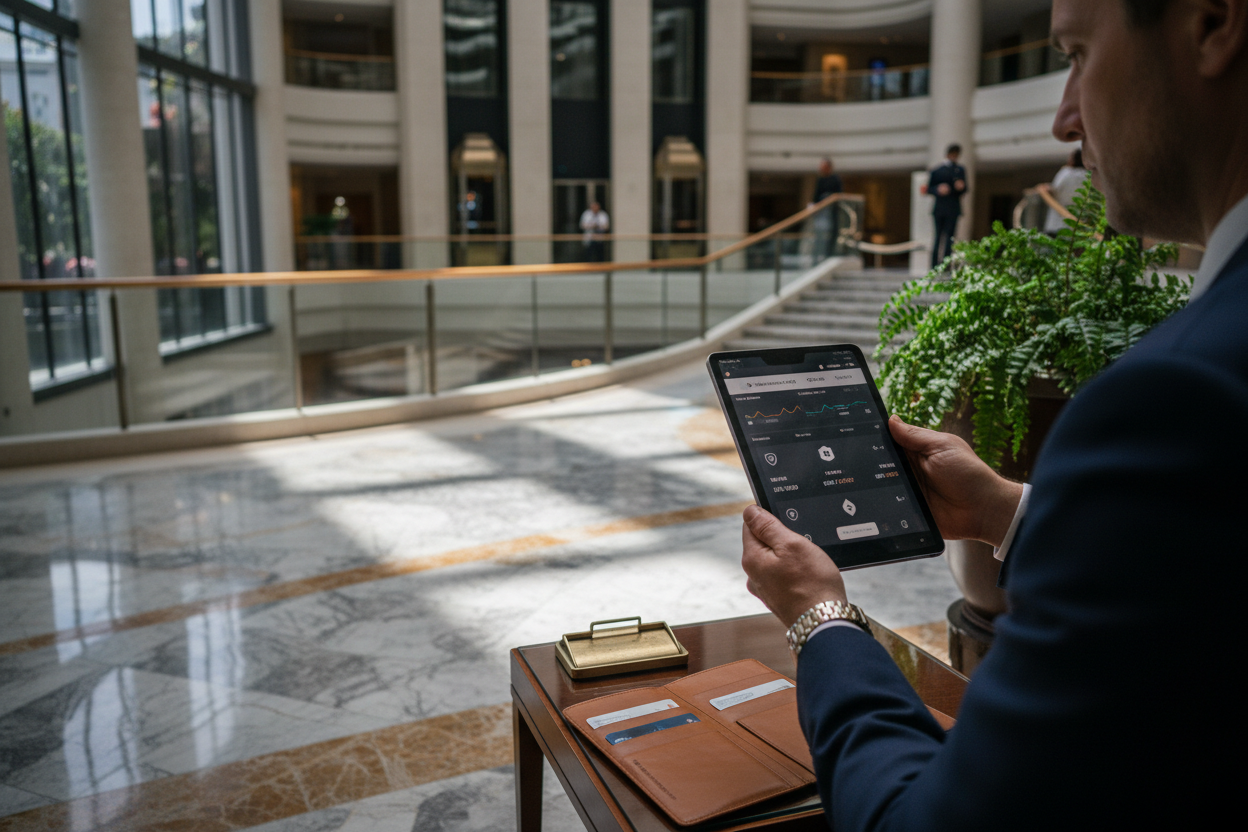
Picture three user profiles: the EU freelancer invoicing in USDC prefers OKX's card for instant euro payouts. A DeFi enthusiast hoarding yield on Trust Wallet appreciates zero custody risks, bridging to compliant ramps only as needed. The global trader on Binance Wallet values swap speeds but watches MiCA updates closely. Each wallet fits niches, yet OKX bridges regulation and utility best for continental use.
Security and User Experience: Beyond Compliance
MiCA spotlights compliance, but daily security seals the deal. OKX Wallet layers MPC tech with biometric locks, audited under EU standards. Trust Wallet's seed phrase model demands your diligence, rewarding with air-gapped resilience. Binance integrates exchange-grade protections but invites phishing risks via its app ecosystem. User reviews on Software Advice praise OKX's intuitive swaps, edging Trust in speed while matching its chain support.
For best self-custody wallet Europe, Trust holds ground, but OKX's hybrid model offers self-custody plus licensed perks. Explore visual OKX vs Trust Wallet comparisons to see interfaces side-by-side; OKX's dashboard often clinches for payment-focused users.
Regulatory alignment isn't a checkbox; it's your shield in volatile markets.
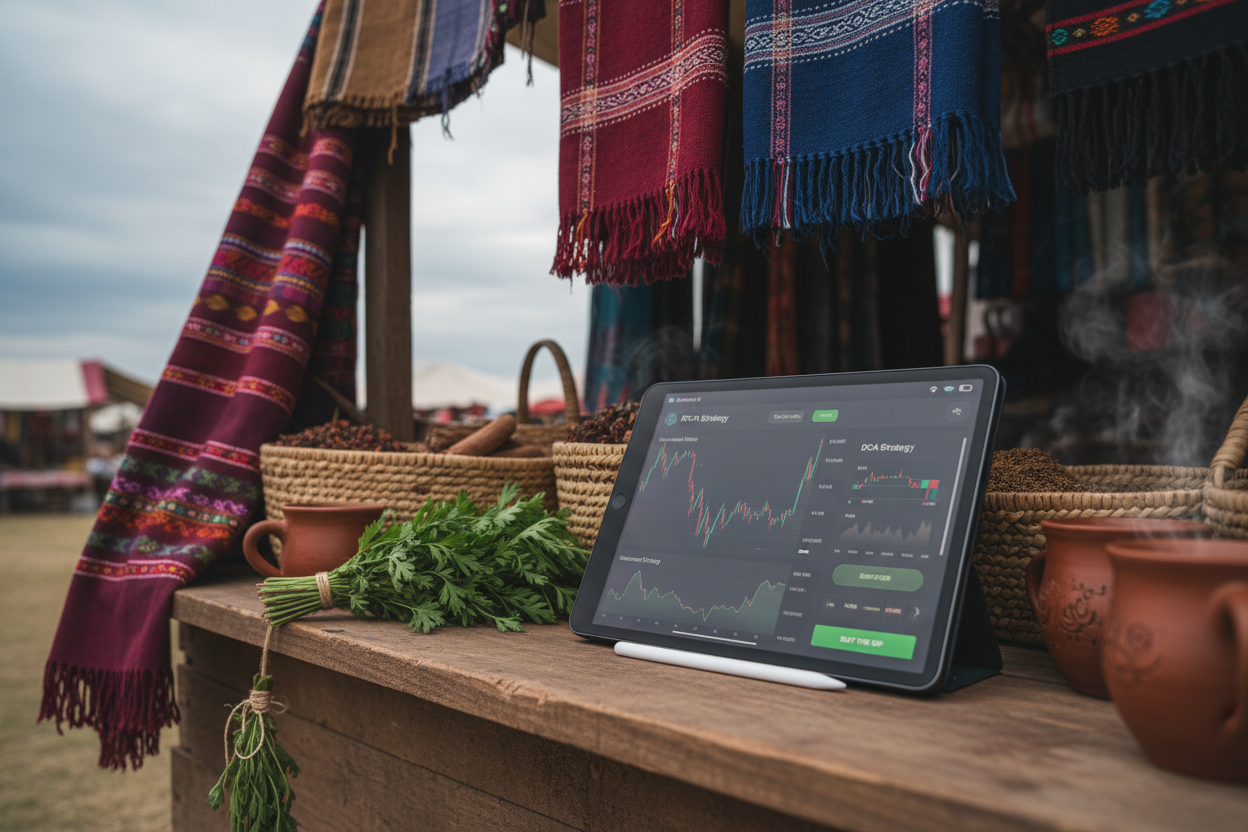
Align your choice with habits: daily spenders, lean OKX. Purists, Trust. Volume players, Binance, monitoring updates. As stablecoins cement as Europe's digital cash, OKX Wallet's license positions it for dominance, blending innovation with adherence. Diversify wisely, starting with a wallet that future-proofs your assets.


No comments yet. Be the first to share your thoughts!