5 Best Crypto Wallets 2026: Top 5 Multi-Chain & AI-Secured Picks
The 2026 crypto landscape demands wallets that seamlessly bridge multi-chain ecosystems while leveraging AI for proactive threat detection. We evaluated top contenders like Ledger, Trezor, and MetaMask to identify the five most secure and versatile options for managing digital assets.
1. Ledger Flex for daily multi-chain use
The Ledger Flex combines a flexible E-ink display with robust hardware security, making it ideal for frequent traders managing diverse assets. Its ergonomic design reduces strain during long sessions, while offline key storage ensures your private keys never touch the internet. This device supports hundreds of cryptocurrencies, offering a seamless bridge between physical security and daily usability for serious investors.

2. Trezor Safe 7 for open-source security
Trezor Safe 7 stands out with its transparent secure element, providing an unprecedented level of verification for open-source hardware wallets. This model allows users to audit the security chip, ensuring no hidden vulnerabilities compromise your assets. It supports major coins and offers a clean interface for managing portfolios securely. For those prioritizing transparency and community-verified code, this wallet delivers peace of mind through rigorous, open inspection.

3. MetaMask for EVM ecosystem access
MetaMask remains the gateway to the Ethereum Virtual Machine ecosystem, enabling seamless interaction with decentralized applications and DeFi protocols. Its browser extension and mobile app allow users to manage ERC-20 tokens and NFTs effortlessly. While primarily software-based, its widespread adoption ensures compatibility with countless platforms. For users deeply embedded in EVM chains, it offers the essential infrastructure needed to manage the complex landscape of smart contracts and dApps.

4. Trust Wallet for mobile multi-chain trading
Trust Wallet empowers users with a comprehensive mobile solution for trading across multiple blockchains directly from their phones. It supports over 700,000 assets, including Bitcoin, Ethereum, and BNB Chain, facilitating easy swaps and staking. The built-in DApp browser opens doors to decentralized finance without leaving the app. Its user-friendly interface makes complex multi-chain operations accessible, ensuring that mobile traders can manage diverse portfolios efficiently and securely on the go.

5. Exodus for integrated AI-powered portfolio tracking
Exodus simplifies crypto management with a beautiful interface and integrated AI-powered portfolio tracking features. It supports a vast array of cryptocurrencies and offers intuitive charts that visualize performance trends automatically. The built-in exchange allows for quick swaps between assets without leaving the platform. For users who prefer a visually rich experience combined with smart analytics, Exodus provides a cohesive environment for monitoring and managing digital assets effectively.

How we picked the best crypto wallets 2026
Selecting a crypto wallet in 2026 requires more than comparing interface designs. With multi-chain assets and AI-assisted transaction signing becoming standard, the stakes for security have risen. We evaluated wallets based on rigorous criteria: open-source firmware, independent third-party security audits, and native multi-chain compatibility.
Our primary focus was on wallets that protect private keys through hardware isolation or robust software encryption. We prioritized tools like Ledger Flex and Trezor that undergo regular penetration testing and publish their findings. For software wallets, we looked for transparent codebases and clear governance models that allow community scrutiny.
We also tested usability across different blockchain ecosystems. A wallet is only as good as its ability to manage assets securely without friction. The final selection balances institutional-grade security with the ease of use required for daily transactions.


As an Amazon Associate, we may earn from qualifying purchases.
Hardware vs. Software Wallets
Choosing between hardware and software wallets comes down to balancing security against convenience. Hardware wallets store private keys offline, making them immune to online hacks but requiring a physical device for transactions. Software wallets, often called "hot wallets," live on your device or browser, offering instant access for daily trading but exposing you to potential malware.
The table below compares four top options across key metrics. Ledger Flex and Trezor Safe 7 represent the secure, offline standard for long-term holding. MetaMask and Trust Wallet provide the ease of use required for frequent DeFi interactions and multi-chain swaps.
| Wallet | Type | Best For | Security Level |
|---|---|---|---|
| Ledger Flex | Hardware | Multi-chain | Offline (Cold) |
| Trezor Safe 7 | Hardware | Multi-chain | Offline (Cold) |
| MetaMask | Software | EVM-based | Online (Hot) |
| Trust Wallet | Software | Multi-chain | Online (Hot) |
Top picks for secure crypto storage
Choosing the right wallet depends on how you plan to use your assets. For daily trading and DeFi interactions, MetaMask and Trust Wallet provide the necessary multi-chain flexibility. MetaMask remains the standard for Ethereum-based applications, while Trust Wallet supports a broader range of blockchains out of the box.
For long-term storage, hardware wallets like the Ledger Flex and Trezor Model T offer superior security. Ledger’s recent design updates prioritize usability without compromising the cold storage protection that keeps private keys offline. Trezor continues to be a reliable choice for users who prioritize open-source transparency and robust security audits.
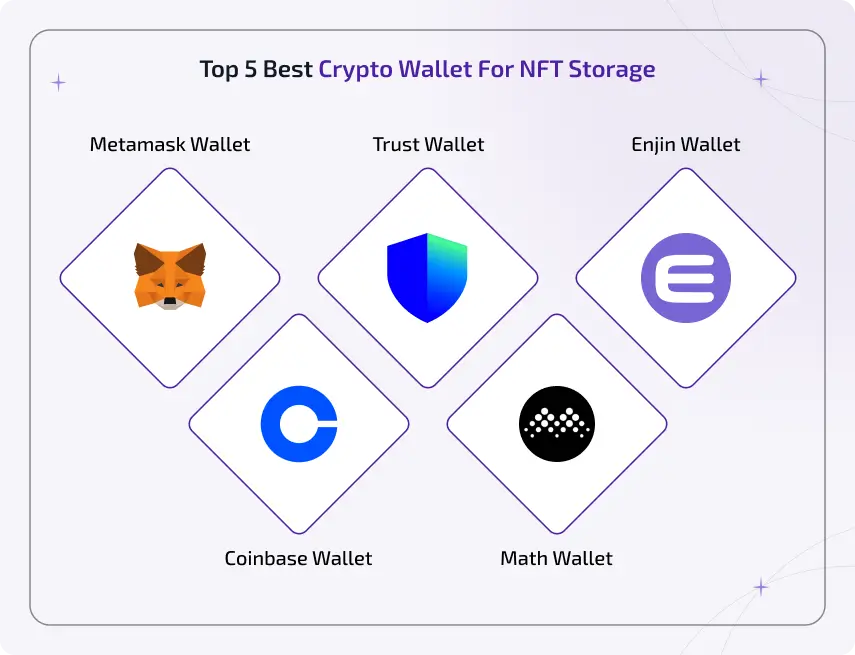
The grid below highlights these five recommended wallets for easy comparison and purchase. Each option balances security, usability, and multi-chain support for different user needs in 2026.



As an Amazon Associate, we may earn from qualifying purchases.
Frequently asked questions about crypto wallets
What is the difference between a hot wallet and a cold wallet? A hot wallet connects to the internet, making it convenient for daily transactions but more vulnerable to online threats. A cold wallet stores your private keys offline, offering stronger security for long-term storage. The choice depends on whether you prioritize immediate access or maximum protection. Ledger and Trezor are popular hardware options for cold storage, while MetaMask serves as a common hot wallet for web3 interactions.
Are multi-chain wallets secure? Multi-chain wallets like Trust Wallet allow you to manage assets across different blockchains in one interface. While convenient, the security level depends on the underlying technology and the developer’s track record. Always verify that the wallet uses open-source code and has undergone independent audits to ensure your funds remain safe across networks.
Which wallet offers the best security for Bitcoin? For Bitcoin specifically, hardware wallets like Ledger Nano S Plus provide robust security by keeping private keys offline. These devices require physical confirmation for every transaction, preventing remote hackers from stealing your coins. If you hold significant amounts, a cold wallet is generally safer than a software-only solution.
No comments yet. Be the first to share your thoughts!