Crypto wallets 2026 budget
Best Crypto Wallets works best when the purchase path is explicit. Verify the source, compare the offer against real alternatives, check the total cost, and confirm what happens after payment before you decide. After each comparison, write down the one risk that would change your mind. If the seller, condition, support, warranty, shipping, or upkeep still feels uncertain, resolve that question before moving to checkout.
The simplest way to use this section is to verify the seller, compare the total cost, and resolve the biggest risk before you commit.
Shortlist real options
Use this section to make the Best Crypto Wallets decision easier to compare in real life, not just on paper. Start with the reader's actual constraint, then separate must-have requirements from details that are merely nice to have. A practical choice should survive normal use, maintenance, timing, and budget. If a recommendation only works in an ideal situation, call that out plainly and give the reader a fallback path.
| Factor | What to check | Why it matters |
|---|---|---|
| Fit | Match the option to the primary use case. | A good deal still fails if it does not fit the job. |
| Condition | Verify age, wear, and service history. | Hidden condition issues erase upfront savings. |
| Cost | Compare purchase price with likely upkeep. | The cheapest option is not always the lowest-cost option. |
Inspect the expensive parts
Choosing a crypto wallet is less about picking a brand and more about avoiding catastrophic failure points. When you select a wallet, you are deciding where your digital keys live and how they interact with the internet. A single misconfiguration or software vulnerability can lead to irreversible loss. This section walks you through a practical inspection checklist for the most expensive failure points: private key storage, connection permissions, and recovery mechanics.
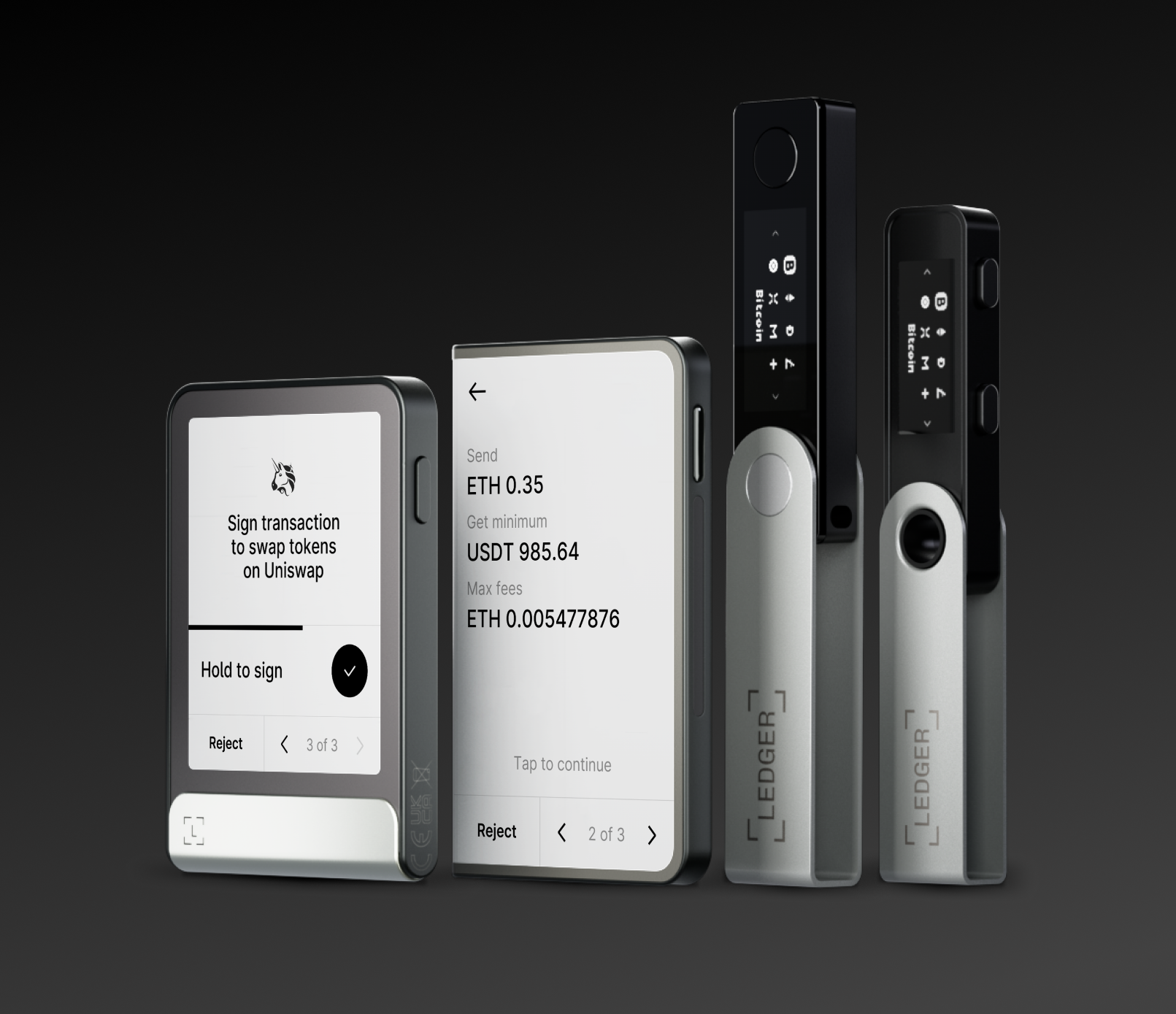
The most critical check is ensuring your private keys never touch your internet-connected device. If you are using a hardware wallet like Ledger or Tangem, confirm that the signing happens on the device’s secure element. If you are using a software wallet, check if it offers a "watch-only" mode where the keys are stored in an encrypted, offline backup rather than in the app’s memory. Never screenshot your recovery phrase.

Software wallets like MetaMask allow websites to request access to your assets. Inspect your active connections regularly. Revoke permissions for any dApp you no longer use. Malicious sites can trick you into signing a transaction that grants them infinite approval for a token, allowing them to drain your wallet even if you don't send funds directly to them. Use a connection manager or browser extension to audit these permissions weekly.
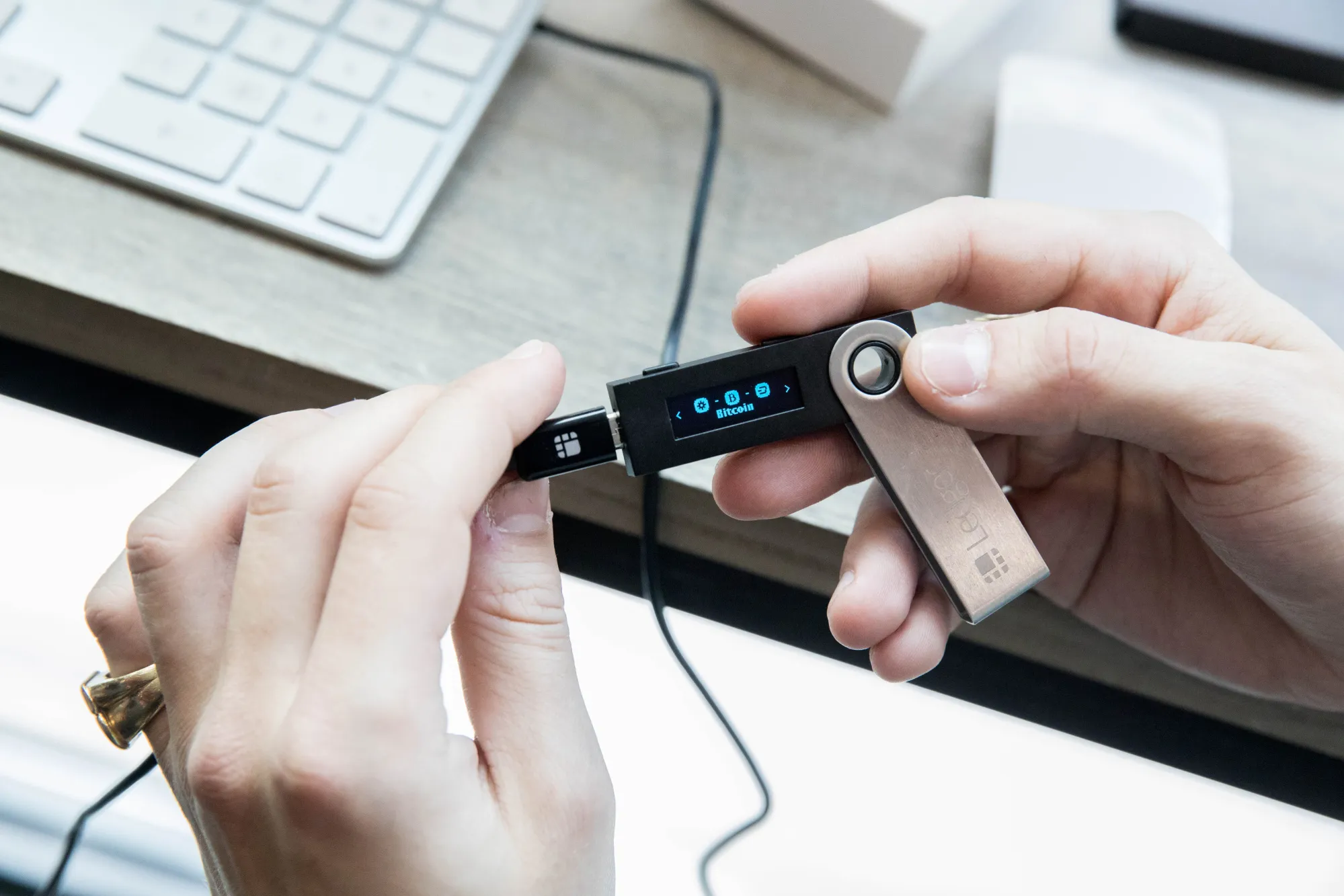
Most "expensive failures" happen when users try to recover their wallet for the first time after losing their device. Before you transfer significant assets, test the recovery process. Write down your seed phrase on paper (never digital) and try restoring the wallet on a fresh device. Verify that you can see your balances and transactions. If the recovery fails, you will know immediately when your funds are still safe.
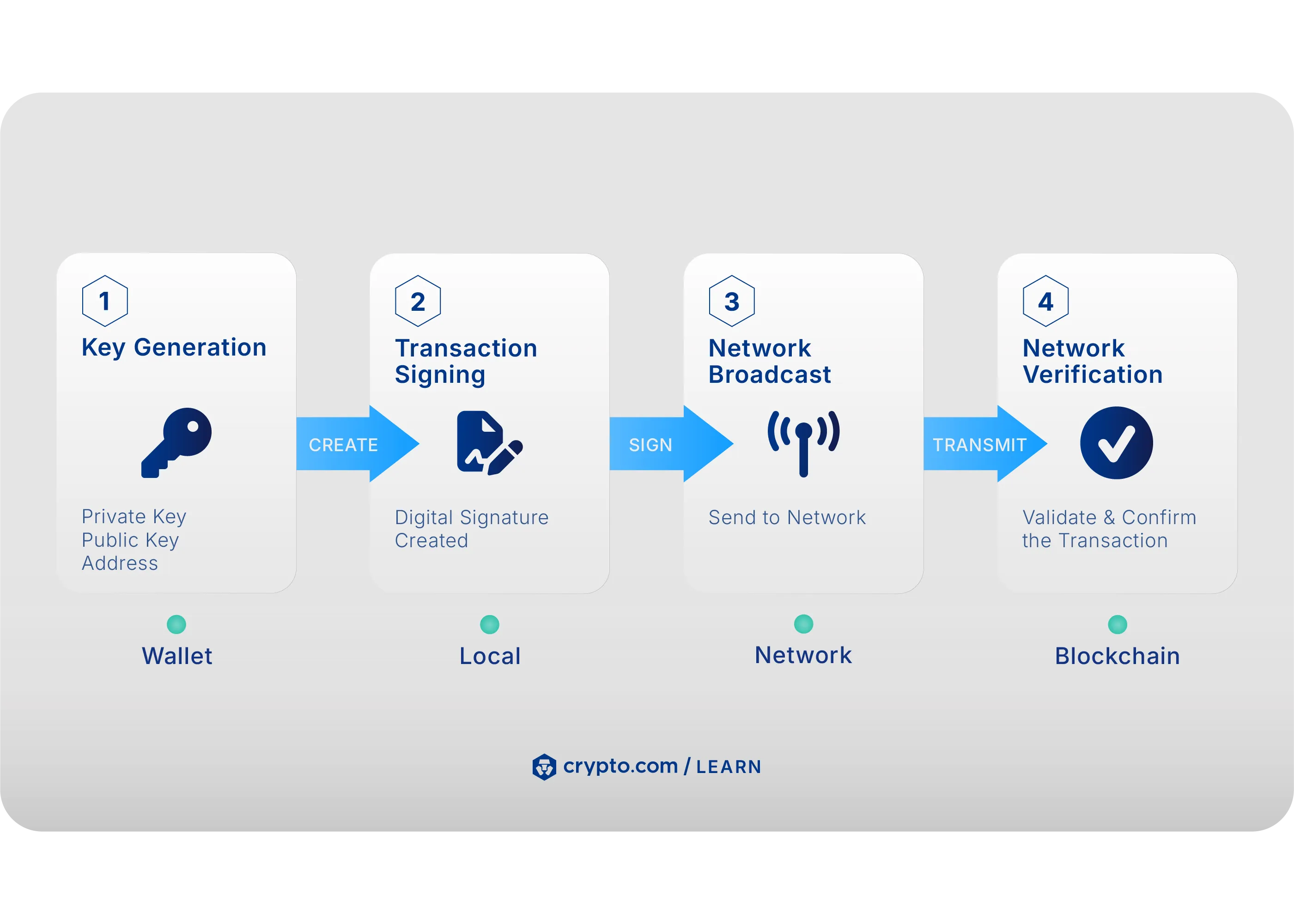
Web3 users often hold assets across Ethereum, Solana, Bitcoin, and other chains. Ensure your wallet natively supports the blockchains you use. If you need to bridge assets between chains, verify that the wallet supports secure bridging or integrates with reputable bridges. Using a wallet that only supports one chain forces you to use external, potentially risky interfaces to move your assets.
Ownership costs and hidden fees
A crypto wallet’s sticker price is rarely the final cost. While a hardware wallet like the Ledger Stax or Tangem offers strong security, it’s a one-time purchase that doesn’t include recurring fees. Software wallets like MetaMask or Trust Wallet are free to download, but they shift costs to you in the form of network transaction fees, known as gas fees.
When you interact with decentralized applications (dApps) or swap tokens, you pay these network fees to validators. They vary by blockchain congestion and asset type. Ethereum transactions can spike during high traffic, while Solana or Polygon remain significantly cheaper. This means a "free" software wallet can become expensive if you transact frequently on high-fee chains.
Maintenance surprises also add up. Some hardware wallets require paid firmware updates or premium support plans for enterprise users. Additionally, if you use a custodial exchange wallet, you may face withdrawal fees, inactivity fees, or spreads on conversions. Always check the fee schedule for your primary chain before committing funds.


As an Amazon Associate, we may earn from qualifying purchases.
Understanding these costs helps you choose the right tool. For long-term holding, a hardware wallet’s upfront cost is justified by security. For active trading, a low-fee software wallet on a layer-2 network might be more economical. Avoid wallets that hide their fee structures; transparency is key to avoiding unexpected expenses.
Crypto wallet 2026: what to check next
Choosing a wallet involves balancing security, convenience, and chain support. Here are direct answers to the most common questions about managing crypto assets in 2026.
No comments yet. Be the first to share your thoughts!