How we picked the best crypto wallets 2026
Selecting a self-custody solution for 2026 requires prioritizing security architecture over marketing claims. We evaluated hardware wallets based on verified security audits, open-source firmware transparency, and proven track records in high-stakes DeFi environments. Our methodology relies exclusively on official source documentation and primary technical specifications rather than influencer endorsements.
For most users, the Ledger Flex offers an ideal blend of readability and daily functional utility. Its hardware-backed security model supports thousands of tokens while maintaining strict isolation of private keys. Similarly, the Trezor Safe 7 provides robust protection through its verified boot process and secure element integration. Both devices meet our baseline requirements for offline key storage and DeFi compatibility.


As an Amazon Associate, we may earn from qualifying purchases.
Ledger Flex handles daily DeFi with ease
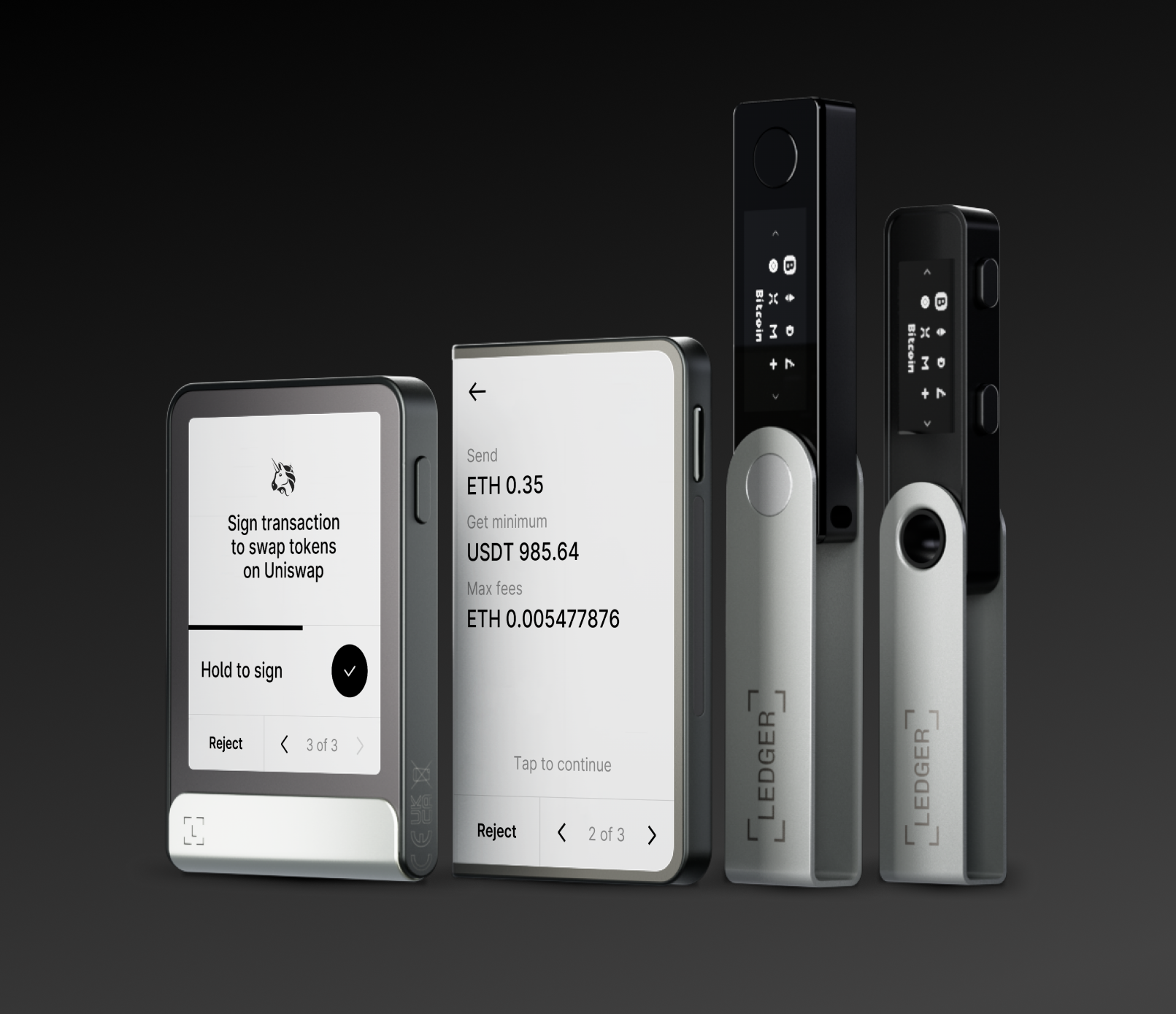
For most users, Ledger Flex is the best overall crypto wallet in 2026. It delivers an ideal blend of readability, daily functional utility, and the security of self-custody. The device distinguishes itself with a large, high-resolution touchscreen that makes complex DeFi transactions manageable rather than daunting.
The screen is the primary interface for signing transactions. When you interact with decentralized exchanges or smart contracts, the Flex displays detailed contract data in a format that is easy to scan. This visibility is critical for high-stakes finance, where a single misread parameter can lead to irreversible loss. The tactile feedback and responsive touch controls reduce the friction common with smaller, button-based hardware wallets.
Security remains rooted in the Secure Element chip, ensuring your private keys never leave the device. While the interface is modern and flexible, the underlying architecture prioritizes the same rigorous standards as Ledger's enterprise-grade solutions. This balance allows users to engage with the evolving DeFi landscape without compromising on the fundamental principle of self-custody.

As an Amazon Associate, we may earn from qualifying purchases.
Trezor Safe 7 for open firmware security
The Trezor Safe 7 represents a shift toward verifiable security for users who prioritize transparency over proprietary black boxes. Unlike many competitors that rely on closed-source firmware, the Safe 7 allows users to verify the code running on the device against its public source repository. This open firmware approach ensures that no hidden backdoors or unauthorized code execution paths exist within the hardware.
For those managing significant DeFi positions, the device introduces Shamir Backup, a sophisticated key recovery system. Instead of relying on a single 12- or 24-word seed phrase that can be lost or stolen, Shamir Backup splits your master key into multiple shards. You can distribute these shards among trusted individuals or secure locations, requiring a specific threshold to reconstruct your wallet. This eliminates the single point of failure inherent in traditional seed phrase storage.
The device also features a touchscreen interface that isolates sensitive interactions from your computer. When you approve a transaction, the details are displayed directly on the Safe 7’s screen, ensuring that even if your host machine is compromised by malware, the device itself remains secure. The screen verifies the destination address and amount independently before you physically confirm the action with the side button.

As an Amazon Associate, we may earn from qualifying purchases.
MetaMask remains the standard for EVM ecosystem access
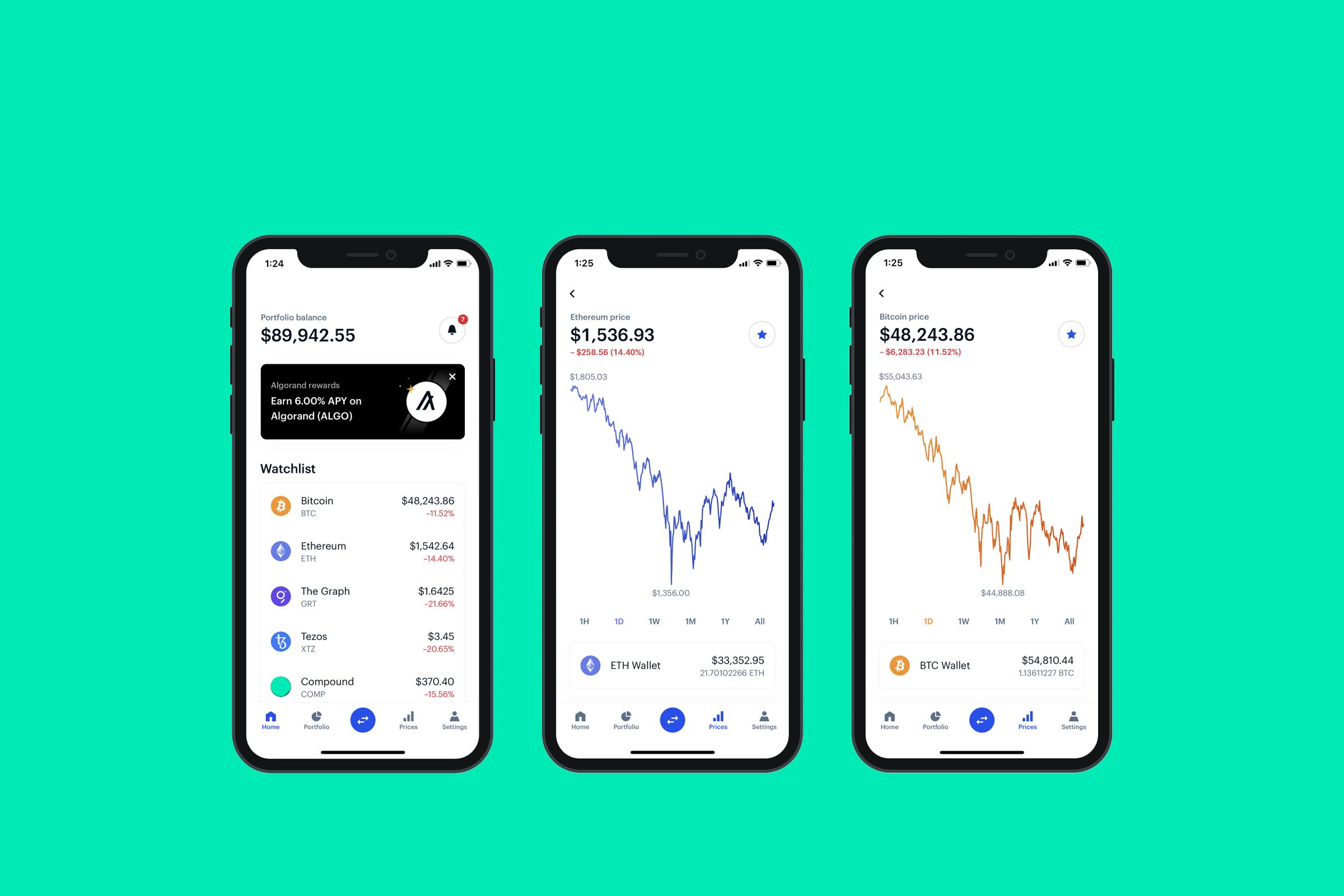
MetaMask has evolved from a simple browser extension into the primary interface for interacting with Ethereum-based DeFi protocols and AI-integrated dApps in 2026. While hardware wallets like Ledger Flex and Trezor Safe 7 provide superior cold storage security, MetaMask fills the critical gap for active traders who require immediate, on-chain execution. It serves as the bridge between user capital and the complex smart contract layers of the EVM ecosystem.
The wallet’s dominance stems from its deep integration with the Ethereum Virtual Machine. When interacting with decentralized exchanges, lending platforms, or new AI-driven applications, MetaMask handles the necessary signature requests and gas fee estimations with a familiarity that newer competitors lack. This ubiquity means that most novel dApps launch with MetaMask compatibility as their baseline requirement, ensuring liquidity and user access.
However, this convenience comes with heightened risk. As a hot wallet, MetaMask is inherently more exposed to phishing attacks and browser-based exploits than air-gapped hardware solutions. Users must maintain rigorous security hygiene, including the use of hardware wallet integration for signing high-value transactions rather than exposing private keys to the browser environment. For those prioritizing speed over absolute isolation, it remains the indispensable tool.
| Feature | MetaMask | Hardware (e.g., Ledger Flex) |
|---|---|---|
| Storage Type | Hot (Online) | Cold (Offline) |
| DeFi Interaction | Direct, fast | Requires pairing/app |
| Security Level | Vulnerable to phishing | High, key never leaves device |
| Best Use Case | Active trading, daily swaps | Long-term holding |
EIP-4844 and AI features in modern wallets
The introduction of EIP-4844, known as proto-danksharding, fundamentally altered the cost structure for Layer 2 transactions. Wallets that failed to update their RPC endpoints left users overpaying for gas on networks like Arbitrum, Optimism, and Base. By 2026, supporting these blob transactions is no longer optional; it is the baseline for any wallet claiming to serve active DeFi participants. Without this support, the efficiency gains of rollups are negated by poor user experience and inflated fees.
Beyond network efficiency, the integration of AI-driven security tools has become a critical differentiator. Modern wallets now employ on-device or cloud-based simulation engines to predict transaction outcomes before signing. These systems analyze smart contract interactions to detect phishing attempts, approve-only scams, and reentrancy vulnerabilities. This proactive defense layer is essential given the increasing sophistication of social engineering attacks targeting self-custody users.
Hardware wallets have adapted to these software demands. The Ledger Flex and Trezor Safe 7 now feature enhanced displays and processing capabilities to handle complex AI-generated transaction previews. They allow users to verify simulated outcomes on secure screens, ensuring that the "approve" action matches the actual contract intent.


As an Amazon Associate, we may earn from qualifying purchases.
These devices bridge the gap between cold storage security and the dynamic needs of modern DeFi. By combining offline key management with real-time simulation data, they provide a robust defense against the two primary threats in crypto: network inefficiency and malicious contracts.
Initialize your self-custody wallet correctly
Setting up a hardware wallet like the Ledger Flex or Trezor Safe 7 requires precision. One error during initialization can lead to irreversible loss of assets. Follow this checklist to ensure your private keys remain secure and your recovery phrase is properly backed up.
Never purchase hardware wallets from third-party marketplaces like Amazon or eBay. These devices are often tampered with before they reach you. Always order directly from the manufacturer’s official website to guarantee the device is factory-sealed and authentic.

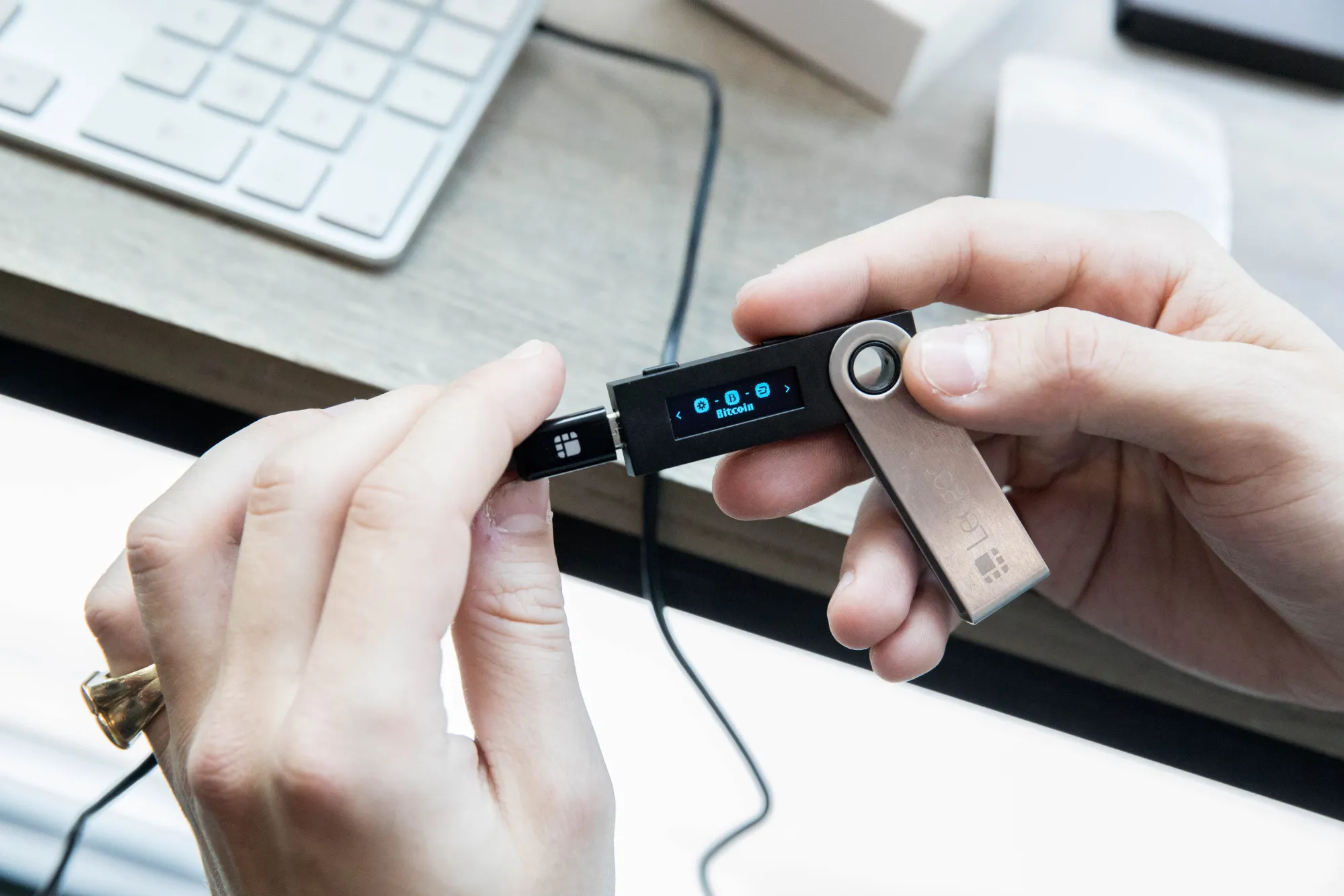
Initialize your device in a clean, offline environment. Do not connect your hardware wallet to an internet-connected computer until the device has generated your seed phrase. This prevents malware from intercepting the initial setup process or capturing your recovery data.
Your seed phrase is the master key to your funds. Write it down on the provided recovery card using a pen. Do not store it digitally, take a photo, or save it in any cloud service. If you lose this phrase, your assets are gone forever.
Before you store the device, test your recovery process. Use the manufacturer’s official application to restore your wallet using the written seed phrase. This confirms that you have recorded the words correctly and can access your funds if the device is lost or damaged.


As an Amazon Associate, we may earn from qualifying purchases.
No comments yet. Be the first to share your thoughts!