Crypto Wallets 2026 Budget
Picking a wallet in 2026 means balancing upfront cost against long-term security needs. The market splits into two main tiers: affordable hardware options for daily trading and premium devices for significant holdings.
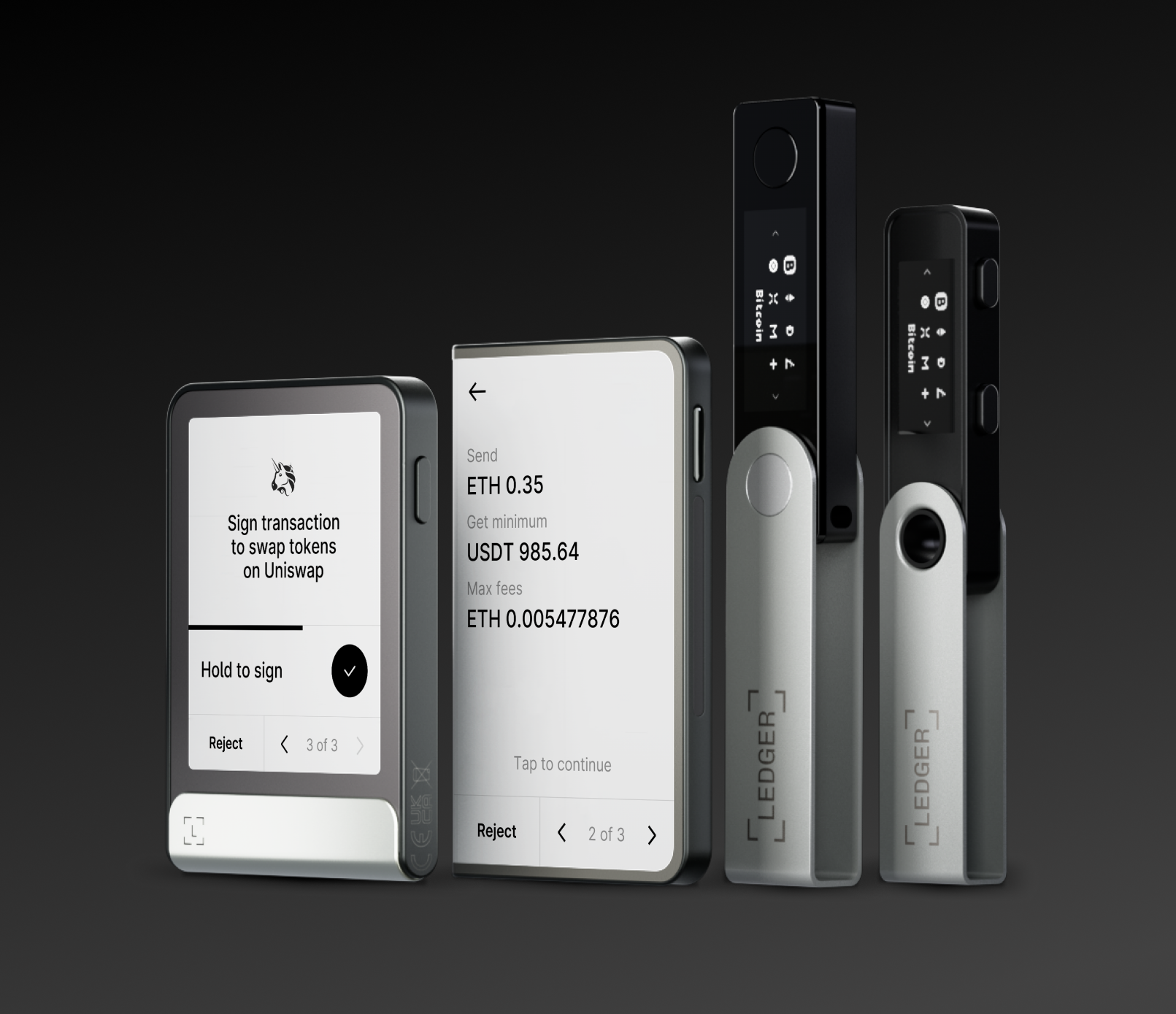
For most users, the Ledger Flex offers the best balance of cost and functionality. Its flexible screen improves readability without the steep price of high-end models. It supports thousands of assets and integrates well with major DeFi platforms.
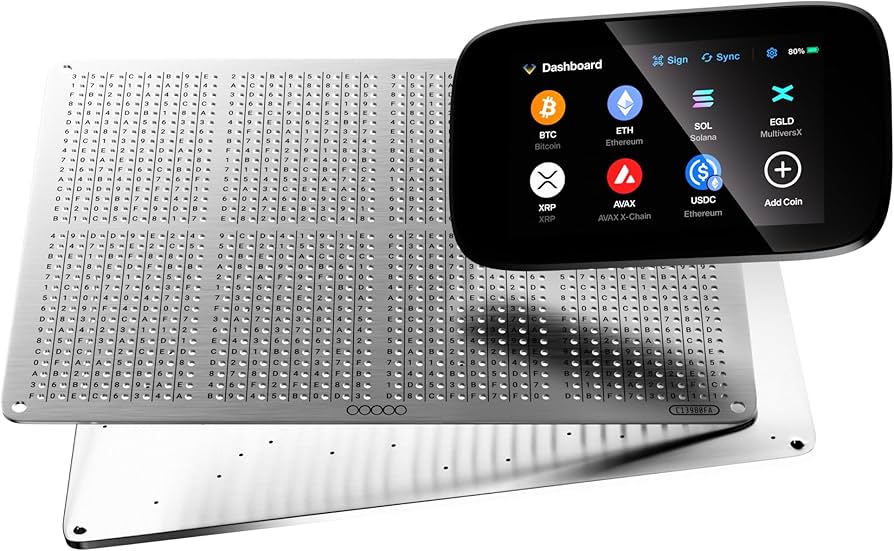
If you are storing larger amounts, the Ngrave Zero provides offline key storage. While more expensive, its air-gapped design eliminates remote hacking risks. This tier is for those who prioritize maximum security over convenience.

As an Amazon Associate, we may earn from qualifying purchases.
Avoid buying used wallets from unofficial sellers. The internal storage can be compromised, or the device may be blacklisted. Always purchase directly from the manufacturer or authorized retailers to ensure the device is fresh and secure.
Shortlist real options
The crypto wallet landscape in 2026 has split into two distinct paths: hardware devices built for maximum security and software interfaces designed for daily liquidity. The best crypto wallets 2026 users choose depend entirely on whether you prioritize offline key storage or seamless multi-chain interaction. We evaluated the strongest contenders based on security architecture, supported assets, and user experience.
Hardware wallets remain the gold standard for long-term holdings. Ledger and Ngrave offer robust offline storage, keeping private keys isolated from internet-connected devices. For users who need to manage diverse portfolios across multiple blockchains without sacrificing accessibility, software-first solutions like Trust Wallet and Tangem provide a more fluid daily experience.
Ledger Flex
Ledger has positioned the Flex as the best overall crypto wallet for most users in 2026 by blending a flexible e-ink display with standard security protocols. Unlike rigid hardware keys, the Flex’s bendable screen allows for easier navigation of transaction details on the device itself, reducing phishing risks. It supports thousands of cryptocurrencies and integrates seamlessly with Ledger Live for portfolio management. While the premium price point may deter budget-conscious buyers, the balance of readability and utility makes it a top-tier choice for serious investors.
Ngrave Zero
For users prioritizing absolute security above all else, the Ngrave Zero represents the pinnacle of offline key storage. This air-gapped device never connects to a computer or smartphone via cable or Bluetooth; instead, it uses optical communication (QR codes) to transmit transaction data. This physical separation makes it virtually immune to remote hacking attempts. The Ngrave Zero supports a wide range of assets and is ideal for high-net-worth individuals or anyone holding significant amounts of cryptocurrency long-term.
Trust Wallet
Trust Wallet stands out as the best multichain wallet for users who need to interact with decentralized applications (dApps) across various networks. Owned by Binance, it offers native support for Ethereum, BNB Chain, Polygon, and many other ecosystems within a single mobile interface. The wallet includes a built-in DApp browser, staking capabilities, and a swap feature for trading assets directly. Its user-friendly design makes it an excellent entry point for beginners while still offering the depth required by advanced DeFi participants.
Tangem Wallet
Tangem offers a unique card-based hardware solution that simplifies the often-clunky experience of traditional crypto wallets. Each Tangem card contains a secure element chip and uses NFC technology to interact with smartphones, eliminating the need for cables or screens. Users can recover their wallet via a set of cards, providing a durable and portable option for managing keys. While it has some limitations in supporting specific blockchain networks compared to Ledger, its ease of use and robust security make it a compelling alternative for those who value convenience.
| Wallet | Type | Security Model | Best For |
|---|---|---|---|
| Ledger Flex | Hardware | Offline Key Storage + Biometric | Daily Utility & Readability |
| Ngrave Zero | Hardware | Fully Air-Gapped (Optical) | Maximum Security & HODL |
| Trust Wallet | Software | Mobile-First Encrypted | Multichain & DeFi Access |
| Tangem | Hardware | NFC Smart Cards | Convenience & Portability |
The choice between these wallets often comes down to your trading frequency. If you are actively trading on multiple chains, a software wallet like Trust Wallet offers the necessary speed and dApp integration. However, for assets you intend to hold for years, the physical isolation of the Ngrave Zero or Ledger Flex provides peace of mind that software alone cannot match. Always verify the official source before purchasing any hardware wallet to avoid tampered devices.
Inspect the expensive parts
Crypto wallets are high-stakes tools. A single vulnerability in key storage or transaction signing can lead to irreversible loss. Before committing funds, inspect the components that carry the highest failure cost. This checklist focuses on the mechanical and cryptographic safeguards that prevent total loss.
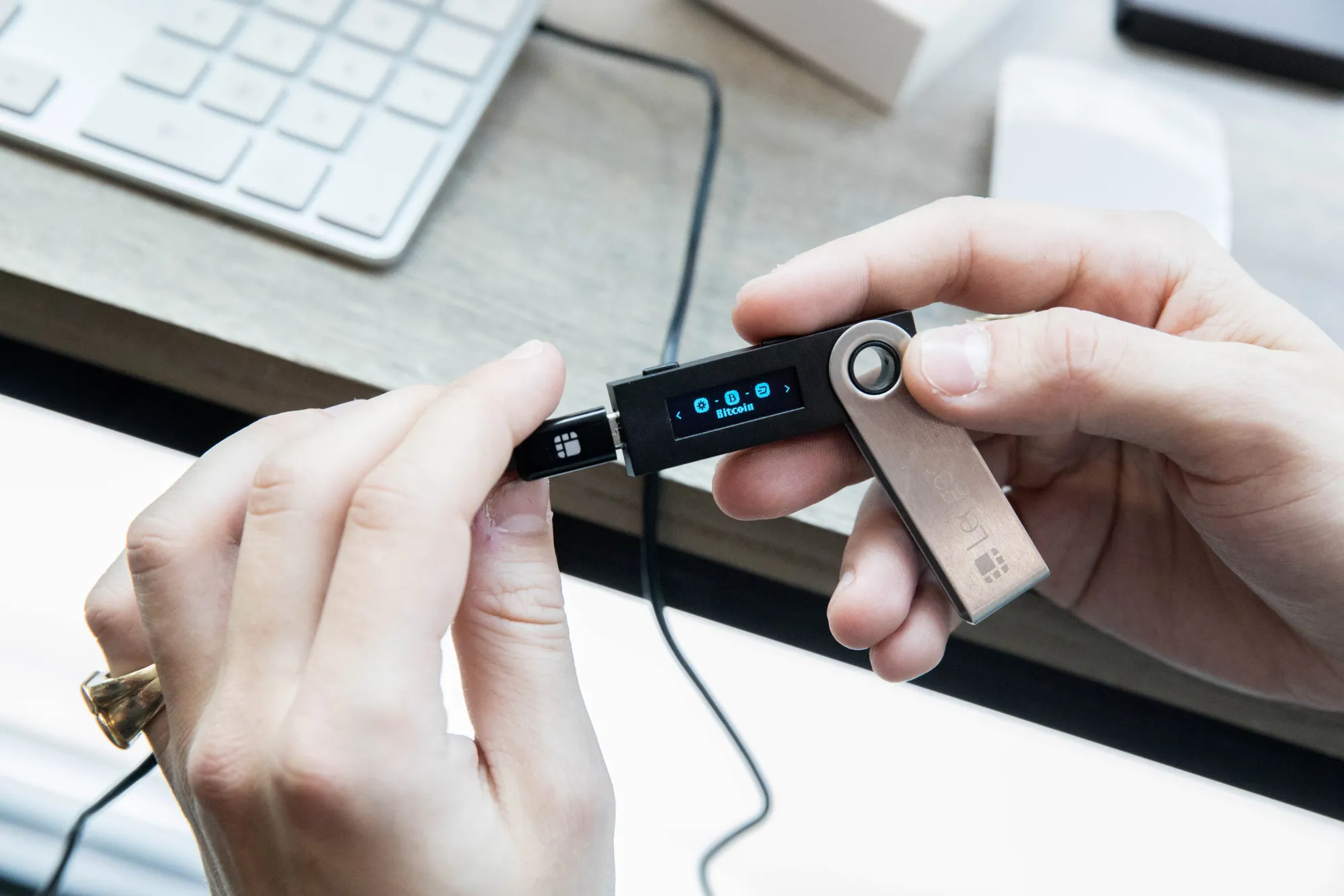
Check that private keys are generated inside a secure element, never exposed to the host device. Offline or air-gapped generation ensures that malware on your computer or phone cannot intercept your seed phrase during creation. This is the single most important defense against remote theft.

Ensure that signing happens on a dedicated chip, separate from the display and input layers. If a screen is compromised, an attacker could alter the destination address shown to you while the actual transaction sends funds elsewhere. Hardware wallets with isolated signing cores prevent this address-swapping attack.
Look for wallets that support Shamir’s Secret Sharing or multi-sig recovery. Storing a single 12 or 24-word seed phrase on paper or metal is vulnerable to fire, water, or theft. Advanced backup methods split your recovery data into multiple shares, requiring multiple trusted devices or locations to restore access.
Verify if the wallet supports zero-knowledge proof (ZKP) transactions for privacy. ZKPs allow you to prove ownership or solvency without revealing your balance or transaction history on-chain. This protects your financial data from surveillance and reduces the attack surface for targeted phishing.
Check if the wallet’s firmware and core code are open-source and have been audited by independent security firms. Proprietary, closed-source wallets rely on trust rather than verification. Open-source code allows the community to detect backdoors or vulnerabilities before they can be exploited at scale.


As an Amazon Associate, we may earn from qualifying purchases.
Plan for ownership costs
A wallet’s sticker price is only the first expense. The real cost of ownership comes from hidden fees, required accessories, and the time you spend maintaining security. When you factor in these ongoing expenses, a cheap device can quickly become the most expensive option on your desk.
Maintenance surprises
Most hardware wallets are durable, but they are not immune to wear. Screen protectors scratch, cables fray, and buttons lose tactile feedback after heavy daily use. Replacing a damaged cable or screen protector is a minor cost, but ignoring these signs can lead to connection failures that delay transactions or, in rare cases, complicate recovery.
Software updates are another silent cost. While most updates are free, they require your attention. If you ignore firmware updates for years, you may miss critical security patches or lose support for new tokens. Setting aside time for annual maintenance checks prevents these issues from becoming emergencies.
When cheap stops being cheap
Budget wallets often cut corners on display quality or security features. A small, low-resolution screen can lead to transaction verification errors, where you approve a wrong address because you couldn’t read the details clearly. Correcting these errors isn’t just frustrating; it can result in permanent loss of funds if the transaction is irreversible.
Additionally, cheap wallets may lack support for key ecosystems like AI-integrated security tools or zero-knowledge proof transactions. If a wallet doesn’t support the tokens or protocols you plan to use, you’ll eventually need to buy a second device. Buying two mediocre wallets is rarely cheaper than buying one robust device that handles your full portfolio.


As an Amazon Associate, we may earn from qualifying purchases.
Crypto wallets 2026: what to check next
Choosing the right crypto wallet for 2026 involves balancing security, convenience, and specific feature needs. Below are answers to the most common practical questions readers ask before making a decision.
Which crypto wallet is best for most users in 2026?
For most users, Ledger Flex stands out as the best overall choice. It offers an ideal blend of readability, daily functional utility, and security. It supports thousands of cryptocurrencies and integrates well with popular DeFi platforms, making it a versatile option for both beginners and experienced traders.
What is the most secure crypto wallet available?
If security is your top priority, Ngrave and Ledger Stax are top contenders. Ngrave combines offline key storage with support for thousands of assets, ensuring your private keys never touch an internet-connected device. Ledger Stax also offers robust offline storage with a curved E Ink screen, providing a secure and user-friendly experience for managing large holdings.
Are there good free crypto wallets for daily use?
Yes, Trustee Plus and Trust Wallet are excellent free options for daily crypto use. Trustee Plus is an all-in-one wallet that simplifies transactions across multiple chains. Trust Wallet is particularly strong as a multichain wallet, supporting a wide range of assets and offering built-in staking features without charging extra fees for basic transactions.
How do I choose between hardware and software wallets?
Choose a hardware wallet like Trezor or Ledger if you hold significant amounts of cryptocurrency and want maximum security. These devices keep your keys offline. Opt for a software wallet like Trust Wallet if you need quick access for frequent trading or small transactions. The tradeoff is convenience versus security: hardware wallets are safer but less accessible, while software wallets are easier to use but more vulnerable to online threats.
No comments yet. Be the first to share your thoughts!