Budget crypto wallets 2026
Finding a secure crypto wallet doesn’t require spending hundreds of dollars. In 2026, the budget tier focuses on cold storage hardware that prioritizes core security features—like secure elements and offline key generation—over premium displays or extensive ecosystem integrations. These devices offer the same fundamental protection against online hacks as their more expensive counterparts, making them ideal for beginners or those holding smaller portfolios.
When evaluating budget options, look for wallets that support the major blockchains you actually use. A cheap wallet is only valuable if it can sign transactions for your specific assets. Avoid devices that claim "multi-chain" support but lack active development or community audits. In the crypto space, an unsupported budget wallet can become a liability if firmware updates cease, leaving you with a device that can’t connect to newer network standards.
The tradeoff in this price range is usually interface and convenience. Budget wallets often feature monochrome screens or limited button layouts, requiring more careful verification of transaction details. However, this simplicity can be a feature, not a bug, forcing a slower, more deliberate interaction with your funds. For most users, the savings from choosing a budget model can be better allocated toward diversifying their holdings rather than upgrading the hardware itself.


As an Amazon Associate, we may earn from qualifying purchases.
Shortlist real options
Choosing the best crypto wallet in 2026 means balancing security, usability, and the specific blockchains you use. We compared the strongest contenders based on hardware durability, software interface, and multi-chain support. The following options stand out for different use cases, from daily trading to long-term cold storage.
Ledger Flex
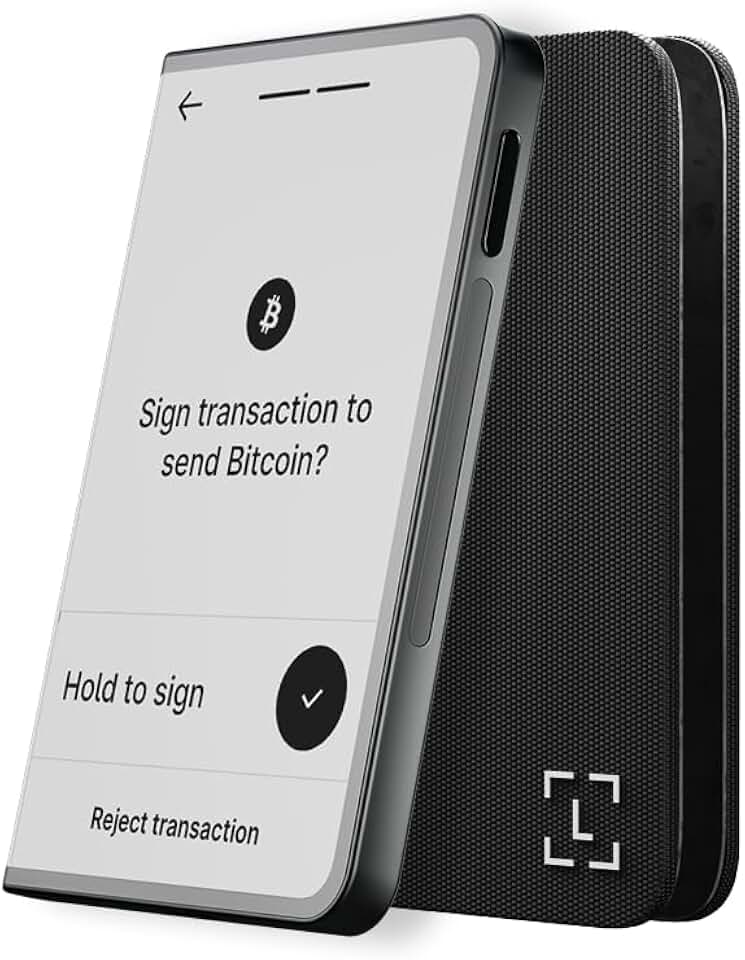
Ledger positions the Flex as its best overall crypto wallet for 2026, combining a flexible E-ink touchscreen with offline key storage. The device uses a secure element chip to protect private keys while offering a more modern interface than traditional hardware wallets. It supports a wide range of assets and integrates with Ledger Live for portfolio management.
Ledger Stax
The Ledger Stax targets users who want premium build quality and offline key security. It features a curved E-ink display that supports personalized locking screens and offline payments via NFC. While more expensive, it offers a tactile experience and robust protection for high-value holdings, making it a top choice for serious investors.
Tangem
Tangem simplifies security by replacing traditional seed phrases with card-based hardware. Each card acts as a secure element, allowing users to store keys without complex recovery processes. This approach reduces the risk of losing access due to forgotten words, making it an accessible option for beginners who still want cold storage security.
Trust Wallet
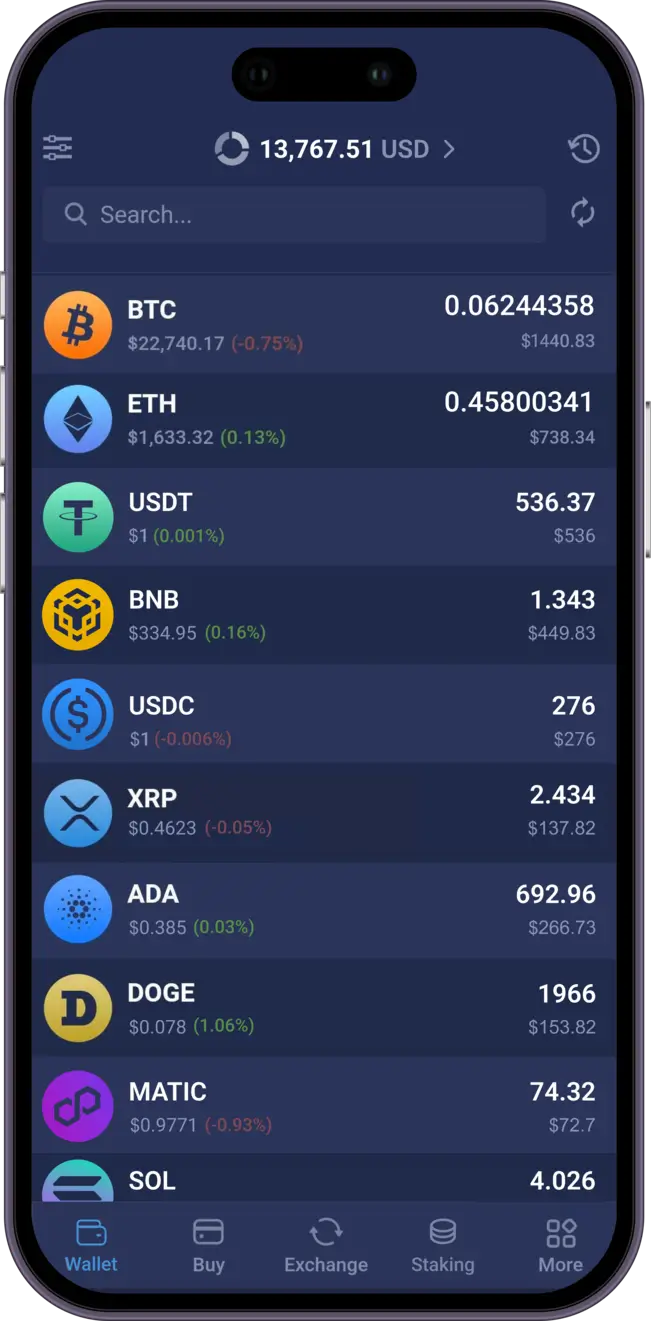
For those who prefer software solutions, Trust Wallet remains a strong multi-chain choice. It supports thousands of tokens across various blockchains and integrates directly with decentralized applications. As a non-custodial wallet, it gives users full control over their keys while offering a user-friendly mobile interface for daily transactions.
| Wallet | Type | Key Storage | Multi-Chain |
|---|---|---|---|
| Ledger Flex | Hardware | Secure Element | Yes |
| Ledger Stax | Hardware | Secure Element | Yes |
| Tangem | Hardware Card | Secure Element | Yes |
| Trust Wallet | Software | User-Controlled | Yes |
Inspect the expensive parts
Crypto wallets are insurance policies against permanent loss. When a private key is compromised or a transaction broadcasts to the wrong chain, the cost is 100% of your assets. This section breaks down the specific failure points that matter most, moving past marketing claims to practical checks.
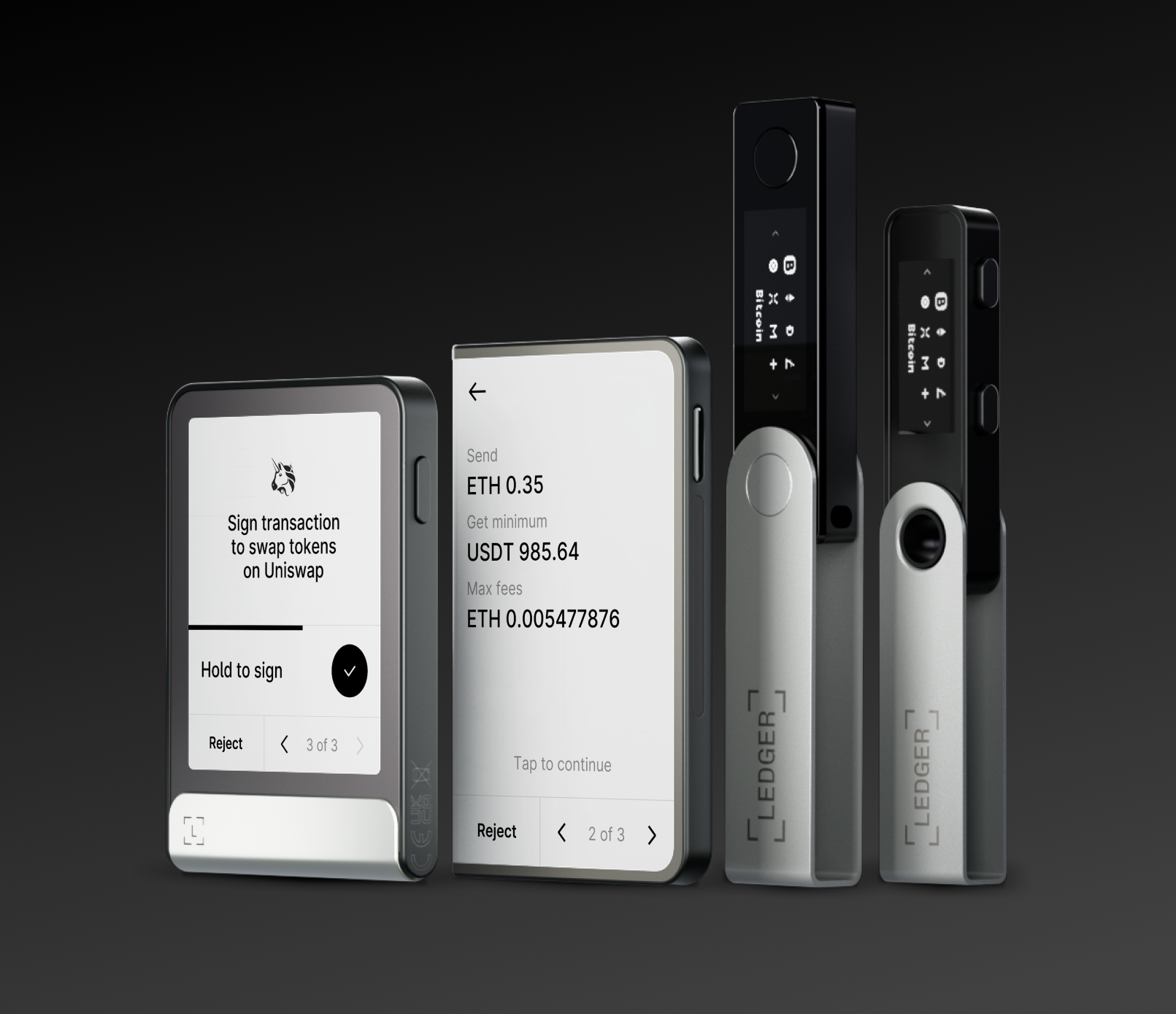
Private keys must never touch an internet-connected device. If you are buying a hardware wallet, confirm it uses a dedicated secure element chip. This physical barrier prevents malware on your computer from stealing your keys during a transaction signature. Software wallets keep keys on your device, making them vulnerable to remote exploits.

Most modern portfolios span Bitcoin, Ethereum, and Solana. Ensure your wallet natively supports the specific chains you hold. Sending Ethereum to a Solana-only address is a common error that results in total loss. Look for wallets that clearly label supported networks and provide address previews before confirmation.
If you earn yield, the wallet must handle validator interactions securely. Check if the app supports direct staking or if it requires third-party integrations. Direct staking reduces the attack surface by keeping your keys in your control. Verify the fee structure for staking rewards, as some platforms deduct significant percentages from your earnings.
Complex interfaces hide dangerous buttons. When reviewing a wallet, look for clear warnings when you are about to sign a high-risk transaction. The best wallets, like the Ledger Stax or Ledger Flex, use large screens or e-ink displays to show transaction details plainly. If you cannot read the contract address on the device screen, do not use the wallet.
Your seed phrase is your only recovery method. Ensure the wallet provides a standard 12 or 24-word mnemonic backup. Avoid proprietary recovery methods that lock you into a specific app or company. If the service shuts down, you should still be able to access your funds using a different compatible wallet.
Plan for ownership costs
A crypto wallet’s sticker price is often the cheapest part of the equation. The real cost comes from what you need to keep it secure and functional over time. Hardware wallets are durable, but they require backups, secure storage, and sometimes replacement if the device fails or becomes obsolete.
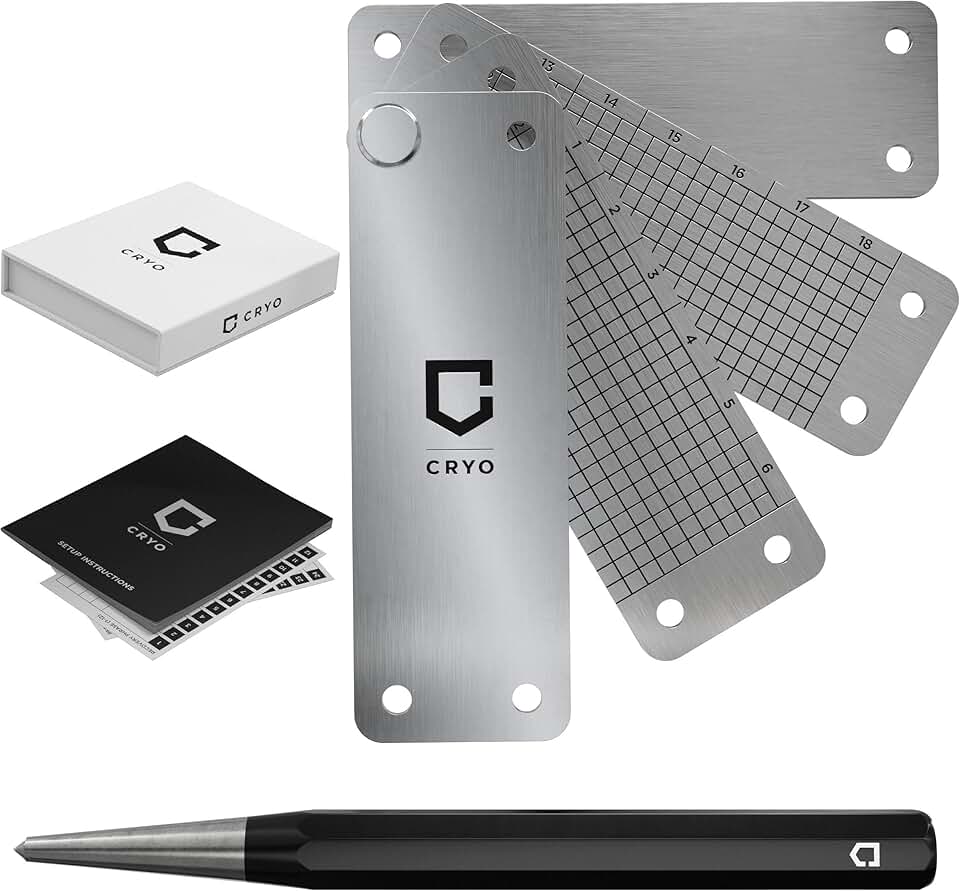
Maintenance surprises can erode savings quickly. If you buy a budget wallet to save $20 now, you might spend $50 later on a replacement recovery seed kit, a new USB-C cable that actually works, or a specialized storage box to protect against moisture and fire. These are not frivolous expenses; they are insurance against losing your keys forever.
When a cheap buy stops being cheap is usually when the device lacks a secure element or has a proprietary connection that breaks in two years. Ledger and Trezor devices, for example, are built to last, but their longevity depends on your willingness to maintain the ecosystem around them. If you ignore the accessories and backups, the initial discount becomes a net loss.


As an Amazon Associate, we may earn from qualifying purchases.
Crypto wallets 2026: what to check next
Choosing the right crypto wallet in 2026 involves balancing security, usability, and the specific assets you hold. Below are the most common practical questions readers ask before making a decision.
The landscape of crypto security has shifted toward hybrid devices that combine hardware-grade encryption with smartphone-like interfaces. While software wallets offer speed, the trade-off is always in the level of protection against online threats. For significant holdings, the cost of a hardware wallet is negligible compared to the risk of loss.
No comments yet. Be the first to share your thoughts!