Top crypto wallets for 2026
Choosing the right crypto wallet in 2026 depends on whether you prioritize cold storage security for long-term holdings or the flexibility of mobile apps for daily DeFi interactions. The market has shifted toward devices that combine secure elements with intuitive interfaces, making it easier to manage multi-chain assets without sacrificing safety.
Below is a comparison of the top-performing wallets across different categories, highlighting their supported chains, security features, and platform availability.
| Wallet | Type | Security | Platforms |
|---|---|---|---|
| Ledger Flex | Hardware | Secure Element + E-ink | iOS, Android, Desktop |
| Ledger Stax | Hardware | Secure Element + Curved E-ink | iOS, Android, Desktop |
| Trustee Plus | Software | Non-custodial, Biometric | iOS, Android |
| Trust Wallet | Software | Non-custodial, Multi-chain | iOS, Android |
| Trezor Model T | Hardware | Secure Element + Touchscreen | iOS, Android, Desktop |
Ledger Flex: Best Overall
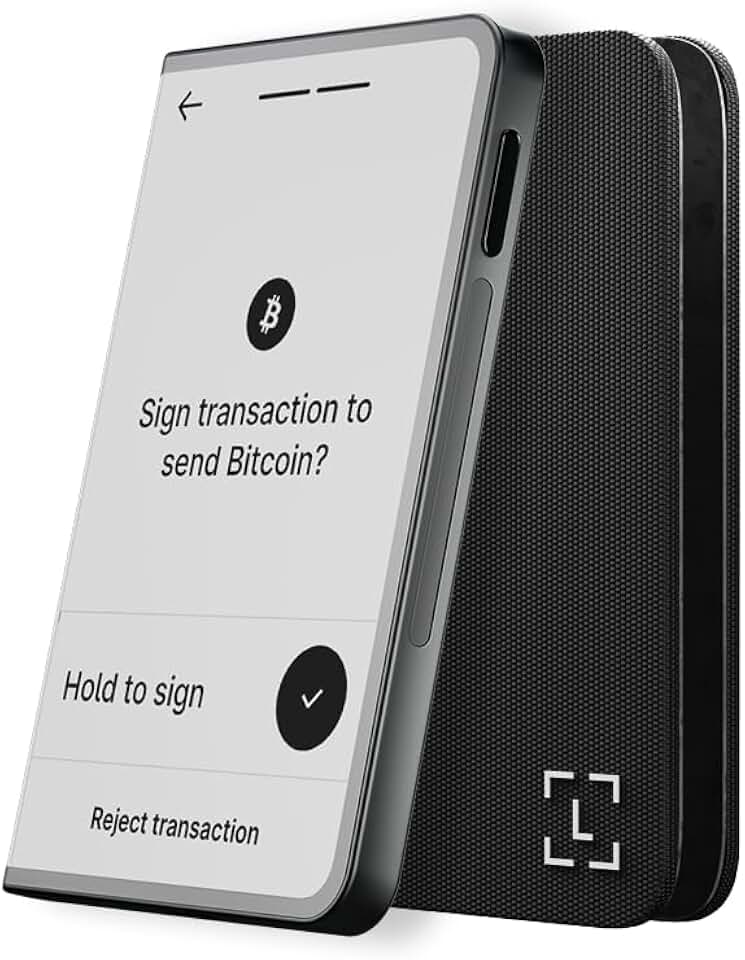
Ledger Flex stands out as the best overall crypto wallet for most users in 2026. It offers an ideal blend of readability and daily functional utility, featuring a flexible e-ink touchscreen that makes interacting with DeFi applications significantly easier than on traditional monochrome displays. The device includes a secure element chip to protect private keys offline while supporting a wide range of blockchains.
Ledger Stax: Best for Premium Design
For those who want a more premium hardware experience, the Ledger Stax combines offline key storage with a curved E-ink screen. It allows for personalized lock screens and offers an easier-to-use interface than many competitors. Its secure element hardware ensures that even when connected to a smartphone, your private keys never leave the device.
Trustee Plus: Best for Daily Use
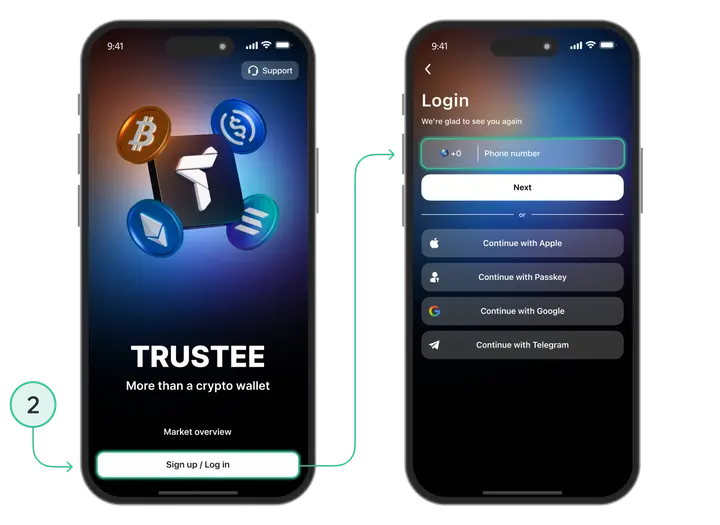
Trustee Plus is the best all-in-one wallet for daily crypto use. As a non-custodial mobile app, it supports thousands of tokens across multiple chains without requiring you to buy a hardware device. Its intuitive design and biometric authentication make it ideal for users who frequently trade or interact with decentralized applications.
Trust Wallet: Best Multichain
Trust Wallet is the best multichain wallet for users who want a single app to manage assets across different ecosystems. Owned by Binance, it supports over 100 blockchains and includes a built-in DApp browser. Its non-custodial nature means you control your private keys, while its widespread adoption ensures compatibility with most DeFi platforms.
Trezor Model T: Best for Bitcoin Maximalists
The Trezor Model T remains a top choice for Bitcoin enthusiasts and those who prefer open-source hardware. Its touchscreen interface simplifies transaction verification, and its robust security architecture has withstood years of public scrutiny. It offers excellent support for Bitcoin and Ethereum-based tokens, making it a reliable option for long-term storage.



As an Amazon Associate, we may earn from qualifying purchases.
Hardware wallets for maximum security
Hardware wallets remain the gold standard for high-stakes storage because they keep private keys isolated from internet-connected devices. This air-gapped approach means that even if your computer is infected with malware, the funds stored on the device remain secure. In 2026, the focus has shifted toward devices that combine this offline security with user-friendly interfaces, making cold storage accessible without sacrificing safety.
The Ledger Stax stands out for those prioritizing offline key storage with a modern, easier-to-use interface. Its design addresses the traditional friction of hardware wallets while maintaining the rigorous security protocols required for significant holdings. For users who need a blend of readability and daily functional utility, the Ledger Flex offers an ideal balance, ensuring that security checks do not become a barrier to regular use.

As an Amazon Associate, we may earn from qualifying purchases.
Software wallets for DeFi access
Software wallets act as the primary interface for interacting with decentralized finance protocols. Unlike hardware devices, these applications run directly on your phone or browser, allowing for rapid transaction signing and seamless connection to AI-integrated DeFi services. This immediacy is essential for strategies that rely on real-time market data or automated yield optimization.
MetaMask remains the standard for Ethereum-based DeFi. Its browser extension and mobile app support direct interaction with AI-driven lending platforms and automated market makers. Users can connect their wallets to dApps that use machine learning to rebalance portfolios or execute trades across multiple chains without leaving the interface.
Trust Wallet provides a multichain alternative for users who need to access AI tools on networks beyond Ethereum. It supports a wide range of tokens and integrates directly with decentralized exchanges. This flexibility allows users to engage with AI-aggregated liquidity pools that might span several blockchains, reducing the friction of moving assets between different ecosystems.
How to choose the right wallet
Selecting a crypto wallet is less about finding the "best" product and more about matching a tool to your specific behavior. A wallet that is perfect for daily DeFi swaps is a liability if you are storing retirement-grade Bitcoin. The decision framework below breaks down the choice into three concrete steps: defining your risk tolerance, determining usage frequency, and verifying the security model.

Your primary concern should be who controls the keys. If you are holding a significant amount of assets that you do not need to touch for years, a hardware wallet like Trezor or Ledger is the standard. These devices keep private keys offline, making them immune to remote hacking. If you are comfortable managing your own keys but need frequent access, a non-custodial software wallet like Trust Wallet or Exodus offers a middle ground. Avoid custodial solutions (where a third party holds your keys) for any substantial holdings, as you are then reliant on their solvency rather than your own security.
How often you transact dictates the interface you need. For daily trading, staking, or interacting with decentralized applications (dApps), a browser extension like Rabby Wallet or a mobile-first app like MetaMask is essential. These wallets are designed for speed and easy connection to various chains. Conversely, if you only buy and hold, a hardware device’s slightly clunkier interface is a feature, not a bug—it forces you to physically confirm every transaction, adding a layer of friction that prevents accidental clicks or phishing attacks.
Before finalizing your choice, check for specific security hallmarks. Look for open-source code, which allows the community to audit the software for vulnerabilities. For hardware wallets, ensure the device supports seed phrase backup on a secure element chip. For software wallets, verify that the provider has a transparent history of bug bounties and no major past breaches. If a wallet claims to be "AI-integrated" or "smart," verify that these features do not compromise your private key generation process. The safest wallets are those that prioritize cryptographic simplicity over flashy features.
Ultimately, the right wallet is the one you can use consistently without compromising your security. Start with your risk profile, then choose the interface that fits your lifestyle, and always verify the underlying security model.
No comments yet. Be the first to share your thoughts!