
How we picked the best crypto wallets
Selecting a secure storage solution requires more than comparing interface designs; it demands a rigorous audit of how private keys are generated, stored, and backed up. In a high-stakes financial environment, the margin for error is zero. Our evaluation prioritizes non-custodial architectures where you retain sole possession of your private keys, ensuring that no third party can access or freeze your assets.
We assessed hardware and software options against strict criteria: open-source code transparency, resistance to physical tampering, and the reliability of backup recovery methods. We focused on concrete, proven models like the Ledger Stax and Trezor Safe 7, which have demonstrated robust security postures under real-world conditions. Abstract claims of "military-grade encryption" were discounted in favor of verifiable technical documentation and independent security audits.
Our methodology draws from official documentation provided by manufacturers and independent analyses from established bodies like the Bitcoin Foundation. This approach ensures that our recommendations are grounded in technical reality rather than marketing hype. We verified that each selected wallet supports the specific chains you intend to use, as cross-chain functionality often introduces additional attack surfaces that must be carefully managed.
Best hardware wallets for cold storage
Hardware wallets remain the gold standard for securing digital assets against online threats. By keeping private keys in a secure, isolated element (SE) that never touches the internet, these devices prevent remote hacking attempts from draining your holdings. For high-stakes finance and long-term storage, air-gapped verification is no longer a luxury—it is a necessity.
The Ledger Stax and Trezor Safe 7 represent the current pinnacle of hardware security. Both devices prioritize large, high-resolution displays that allow users to verify transaction details on the device itself, eliminating the risk of host computer malware altering transaction data. This visual confirmation ensures you are signing exactly what you intend to send, providing a critical layer of defense against sophisticated phishing attacks.
When selecting a cold storage solution, prioritize physical design and user interface clarity. The Ledger Stax offers an e-ink touchscreen that supports customizable covers, while the Trezor Safe 7 introduces a tactile dial for navigation, which can be advantageous for users with limited dexterity or those who prefer physical feedback. Both devices support a wide range of cryptocurrencies and integrate seamlessly with major software wallets like Ledger Live and Trezor Suite.
For those seeking the ultimate in security, the Blockstream Jade Plus offers a specialized approach for Bitcoin-only users, emphasizing simplicity and tamper-evident design. While it supports fewer altcoins, its focused utility makes it a top contender for dedicated Bitcoin holders who value transparency and minimal attack surfaces.


As an Amazon Associate, we may earn from qualifying purchases.
Best software wallets for daily trading
Software wallets prioritize speed and multi-chain accessibility, making them the primary interface for active traders and DeFi participants. Unlike hardware solutions that require physical confirmation for every transaction, these applications allow for rapid execution across Ethereum, Solana, and Bitcoin networks. The trade-off is clear: you sacrifice the cold-storage security of dedicated hardware for the operational velocity needed in fast-moving markets.
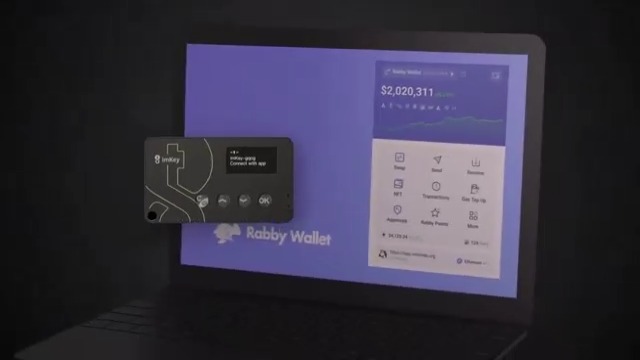
Trust Wallet stands out for its breadth, supporting over 70 blockchains natively. This universality allows traders to manage diverse portfolios without switching applications, a critical feature for those arbitraging across different ecosystems. Meanwhile, Rabby Wallet has gained traction among sophisticated users for its transaction simulation features. By previewing contract interactions before signing, Rabby reduces the risk of interacting with malicious smart contracts, a common vector for DeFi exploits.
MetaMask remains the industry standard for Ethereum-based activity, though its interface can feel cluttered for high-frequency trading. It offers robust extension capabilities but requires careful management of gas fees and network selection. For users prioritizing ease of use over granular control, Trustee Plus provides a streamlined alternative that consolidates swapping, staking, and browsing into a single mobile interface.
When selecting a software wallet, verify that the provider publishes regular security audits and maintains a transparent bug bounty program. The convenience of hot wallets comes with the constant risk of remote compromise. Always enable two-factor authentication and consider using a software wallet only for the amount you are willing to lose in a potential breach.


As an Amazon Associate, we may earn from qualifying purchases.
Hardware vs software wallet comparison
Choosing between hardware and software wallets is a decision that balances security against convenience. The choice dictates how your private keys are stored and who has access to them during a transaction. For high-value holdings, hardware wallets provide an isolated environment that keeps keys offline, while software wallets offer immediate accessibility for daily trading.
Hardware wallets like the Ledger Stax and Trezor Safe 7 are physical devices that store keys in a secure element. They require physical interaction, such as pressing a button, to authorize transactions. This makes them resistant to remote hacking attempts, though they carry the risk of physical loss or theft. Software wallets, such as Trust Wallet or MetaMask, run on your computer or phone. They are always connected to the internet, making them more vulnerable to malware and phishing attacks but far more convenient for frequent use.
The following table compares the two main wallet types across key dimensions. Use this to determine which fits your risk tolerance and usage patterns.
For most investors, a hybrid approach works best. Keep the majority of your assets in a hardware wallet for long-term security, and transfer only what you need for active trading to a software wallet. This limits your exposure to online threats while maintaining the liquidity required for market opportunities.


As an Amazon Associate, we may earn from qualifying purchases.
Crypto wallet security best practices
The security of your crypto wallet depends less on the software and more on your operational habits. Even the most advanced device, such as the Ledger Stax or Trezor Safe 7, offers no protection if you manually enter your recovery phrase into a web form or connect to a phishing site. Treat your seed phrase as cash; if it ever touches an internet-connected device, that cash is effectively gone.
Always verify the URL before entering any credentials. Phishing attacks often mimic legitimate wallet interfaces with near-perfect visual fidelity. The Bitcoin Foundation emphasizes that offline key storage is the only reliable defense against remote exploits. When managing large amounts, rely on hardware wallets that keep private keys isolated from your computer’s operating system.
Regularly update your wallet firmware and app versions. Manufacturers release patches to close security vulnerabilities as new threats emerge. Neglecting updates leaves your assets exposed to known exploits. For daily transactions, use a hot wallet with a limited balance, reserving your hardware wallet for long-term storage.
Frequently asked questions about wallets
Is it safe to store seed phrases digitally?
No. Storing your 12-24 word recovery phrase on a phone, computer, or cloud service exposes it to malware and remote hacking. The Bitcoin Foundation and hardware manufacturers like Ledger and Trezor recommend storing the phrase physically on paper or metal, kept in a secure, offline location. Digital backups are vulnerable to keyloggers and ransomware.
Do hardware wallets like Ledger Stax and Trezor Safe 7 support multiple chains?
Yes. Most modern hardware wallets support multi-chain assets. The Ledger Stax handles Ethereum, Bitcoin, Solana, and many EVM-compatible tokens. The Trezor Safe 7 supports Bitcoin, Ethereum, Litecoin, and Dogecoin. Always verify specific coin support on the manufacturer’s official documentation before purchasing, as firmware updates frequently add new chain support.
What happens if I lose my hardware wallet?
If you have your recovery phrase written down securely, you can restore your funds on any compatible device. The recovery phrase is the only way to access your private keys. Without it, your funds are permanently inaccessible. Ledger and Trezor do not have a "backdoor" or password reset for lost devices; the seed phrase is the sole authority.
Can I use a software wallet for long-term storage?
Software wallets (hot wallets) are convenient for daily transactions but are less secure than hardware wallets (cold storage) because they are connected to the internet. For significant holdings, hardware wallets like the Ledger Stax or Trezor Safe 7 provide offline key signing, protecting against remote exploits.
Are hardware wallets immune to all hacks?
Hardware wallets are highly secure but not immune. Physical theft, social engineering (tricking you into revealing your PIN or seed phrase), or supply chain tampering are risks. Always buy directly from the manufacturer or authorized retailers. Never share your PIN or seed phrase with anyone, including support staff.
No comments yet. Be the first to share your thoughts!