Crypto wallets 2026 budget
Best Crypto Wallets for Self-Custody works best when the purchase path is explicit. Verify the source, compare the offer against real alternatives, check the total cost, and confirm what happens after payment before you decide. After each comparison, write down the one risk that would change your mind. If the seller, condition, support, warranty, shipping, or upkeep still feels uncertain, resolve that question before moving to checkout.
The simplest way to use this section is to verify the seller, compare the total cost, and resolve the biggest risk before you commit.
Shortlist real options
Use this section to make the Best Crypto Wallets for Self-Custody decision easier to compare in real life, not just on paper. Start with the reader's actual constraint, then separate must-have requirements from details that are merely nice to have. A practical choice should survive normal use, maintenance, timing, and budget. If a recommendation only works in an ideal situation, call that out plainly and give the reader a fallback path.
| Factor | What to check | Why it matters |
|---|---|---|
| Fit | Match the option to the primary use case. | A good deal still fails if it does not fit the job. |
| Condition | Verify age, wear, and service history. | Hidden condition issues erase upfront savings. |
| Cost | Compare purchase price with likely upkeep. | The cheapest option is not always the lowest-cost option. |
Inspect the expensive parts
Self-custody wallets are expensive to replace if compromised. A single phishing click or hardware failure can drain your portfolio. This checklist targets the failure points that matter most, focusing on the high-stakes areas where recovery is impossible or extremely difficult.
Verify the secure element and supply chain
The secure element (SE) is a dedicated chip that isolates your private keys from the main processor. Without it, malware on the host device can extract keys. Ledger and Trezor use certified SEs (CC EAL5+ or higher). Buy only from official manufacturer stores or authorized distributors to avoid supply chain tampering.
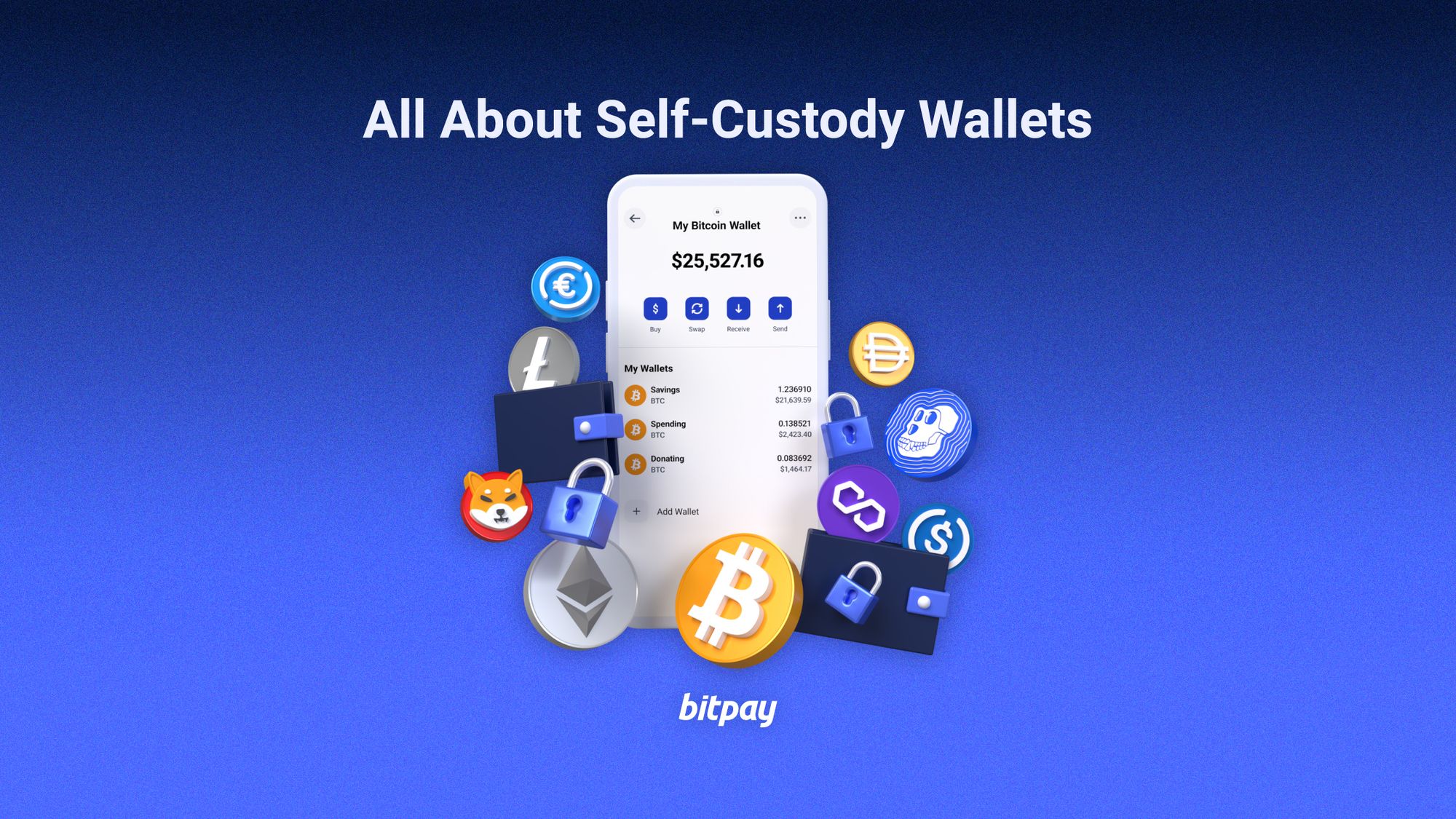
Confirm the wallet uses a certified secure element. Look for Common Criteria EAL5+ or higher. This chip physically isolates key generation and signing from the rest of the device, making remote extraction nearly impossible.
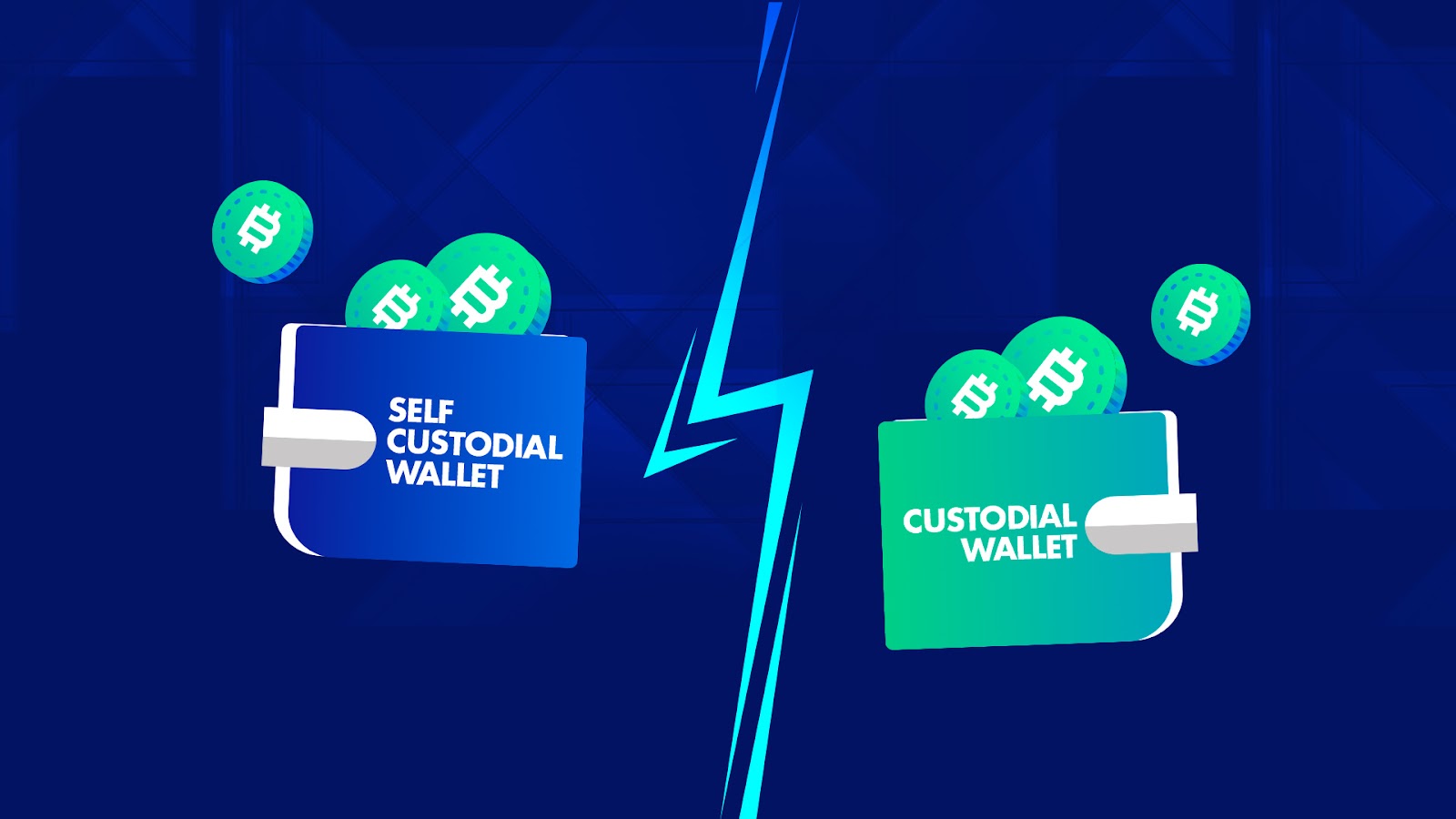
Never buy used or from third-party marketplaces. Tampered devices can have modified firmware or hidden hardware that exfiltrates keys. Use the official Ledger, Trezor, or BitBox02 stores. Check for official holographic seals and anti-tamper packaging upon arrival.
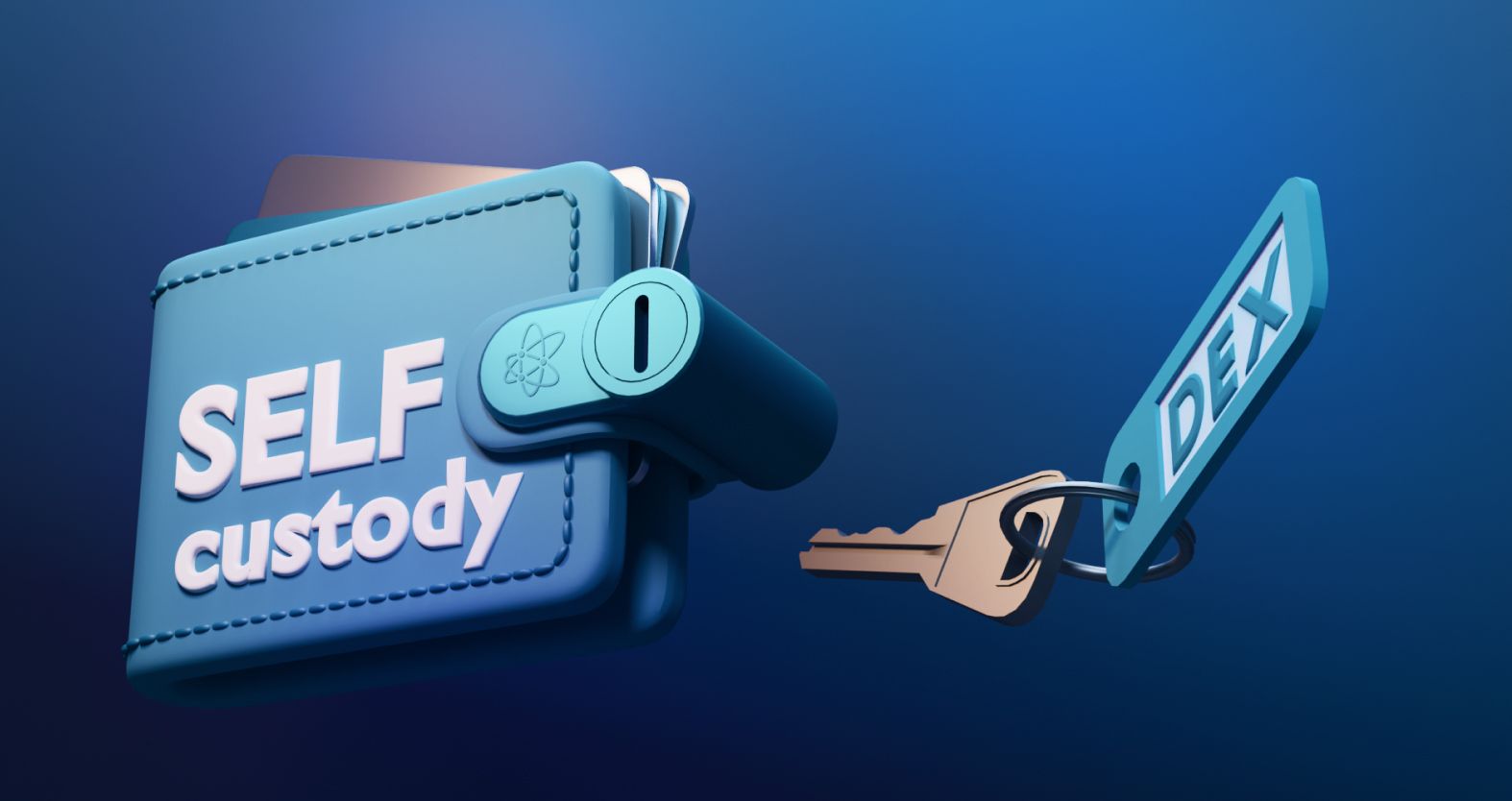
The wallet must generate the recovery phrase on-device, never on a connected computer or phone. Verify that the words appear on the device screen, not on a PDF or screenshot. If the device asks you to write down a phrase provided by a website, it is a scam.
Audit the firmware and update mechanism
Firmware updates fix vulnerabilities. However, the update process itself can be a vector for attack. Ensure the wallet verifies the digital signature of the new firmware before installing. This prevents "evil maid" attacks or malicious updates from hijacking your device.
Test the backup and recovery process
Your recovery phrase is your only backup. Test it immediately after setup. Write it down on paper or metal, never digitally. Store it in a secure, offline location. If you cannot recover your funds using the written phrase on a separate device, your backup is flawed. Do not proceed until recovery is verified.
Review the attack surface for phishing
AI-driven phishing scams are rising. The wallet's interface should clearly display the destination address and network before signing. Look for features like address whitelisting or transaction simulation. If the wallet asks for your seed phrase to "sync" or "verify" on a website, it is a scam. Legitimate wallets never ask for your seed phrase online.
Plan for ownership costs
A wallet’s sticker price is only the start. When you factor in the hidden costs of security and maintenance, a cheap device can quickly become the most expensive option in your portfolio. This section breaks down where the real money goes so you can buy once, not twice.
The subscription trap
Many modern wallets rely on companion apps that charge monthly fees for advanced features. While basic cold storage is free, services like multi-sig coordination, hardware security module (HSM) integrations, or enterprise-grade audit logs often come with recurring subscription costs. For a personal investor, these fees rarely justify the benefit. Stick to wallets with free, open-source software and transparent update policies to avoid paying for access to your own keys.
The replacement timeline
Hardware degrades. Batteries swell, USB-C ports wear out, and screens crack. A $60 wallet that lasts three years costs $20 annually. A $150 wallet that lasts seven years costs roughly $21 annually. When buying a self-custody device, prioritize build quality and repairability over the lowest entry price. Check the manufacturer’s warranty terms and availability of spare parts before committing.
The recovery cost
The most expensive wallet is the one you lose. If your seed phrase is damaged, you may need to pay for professional recovery services, which can cost hundreds or thousands of dollars. Some wallets offer social recovery options or multi-signature setups that reduce this risk. Factor in the cost of secure backup solutions—like a fireproof safe or a metal seed plate—into your initial budget.


As an Amazon Associate, we may earn from qualifying purchases.
Crypto wallets 2026: what to check next
Addressing common concerns about hardware security and asset selection helps clarify which wallet fits your specific risk tolerance.
No comments yet. Be the first to share your thoughts!