10 Best Crypto Wallets 2026: Top 10 Secure & Multi-Chain Options Compared
Navigating the 2026 crypto landscape requires more than just access; it demands wallets that securely bridge multiple chains without compromising on speed or safety. We have evaluated the top 10 options using official security audits and live commerce data to identify the tools that truly stand out.
1. Ledger Nano X hardware wallet review
The Ledger Nano X serves as a portable vault for your digital assets, offering Bluetooth connectivity for seamless mobile management without sacrificing security. Its secure element chip isolates private keys from external threats, ensuring your crypto remains protected even if your connected device is compromised. This hardware solution bridges the gap between cold storage safety and the convenience of on-the-go transactions.

2. Trezor Model T hardware wallet overview
Trezor’s Model T distinguishes itself with a full-color touchscreen interface, allowing users to verify transaction details directly on the device rather than relying on small LED indicators. This approach minimizes the risk of man-in-the-middle attacks by ensuring you see exactly what you are signing. Its open-source firmware provides an additional layer of transparency for security-conscious investors who value auditability.

3. MetaMask browser extension wallet guide
MetaMask remains the gateway to the Ethereum ecosystem, functioning as a browser extension that seamlessly interacts with decentralized applications. It allows users to manage ERC-20 tokens and NFTs directly within their web browser, simplifying the DeFi experience. While it requires careful password management, its widespread adoption makes it a standard tool for navigating the broader Web3 landscape.

4. Phantom Solana wallet for NFTs
Phantom has emerged as the premier wallet for the Solana blockchain, offering a sleek interface optimized for high-speed transactions and NFT management. It supports a wide array of Solana-based tokens and provides intuitive staking features directly within the app. For users focused on the Solana ecosystem, Phantom delivers a polished experience that balances security with ease of use.

5. Trust Wallet mobile multi-chain app
Trust Wallet operates as a comprehensive mobile solution, supporting over 70 blockchains and millions of assets from a single interface. Its non-custodial nature ensures you retain full control of your private keys, while its built-in DApp browser facilitates easy access to decentralized services. This versatility makes it an ideal choice for users who hold a diverse portfolio across multiple networks.
6. Exodus desktop wallet for beginners
Exodus offers a polished, intuitive interface that simplifies the complex world of cryptocurrency for newcomers. Its built-in exchange feature allows seamless swapping between assets without leaving the app. The desktop version provides a robust dashboard for tracking portfolios across multiple blockchains. It prioritizes ease of use over advanced customization, making it an ideal starting point for those new to self-custody.

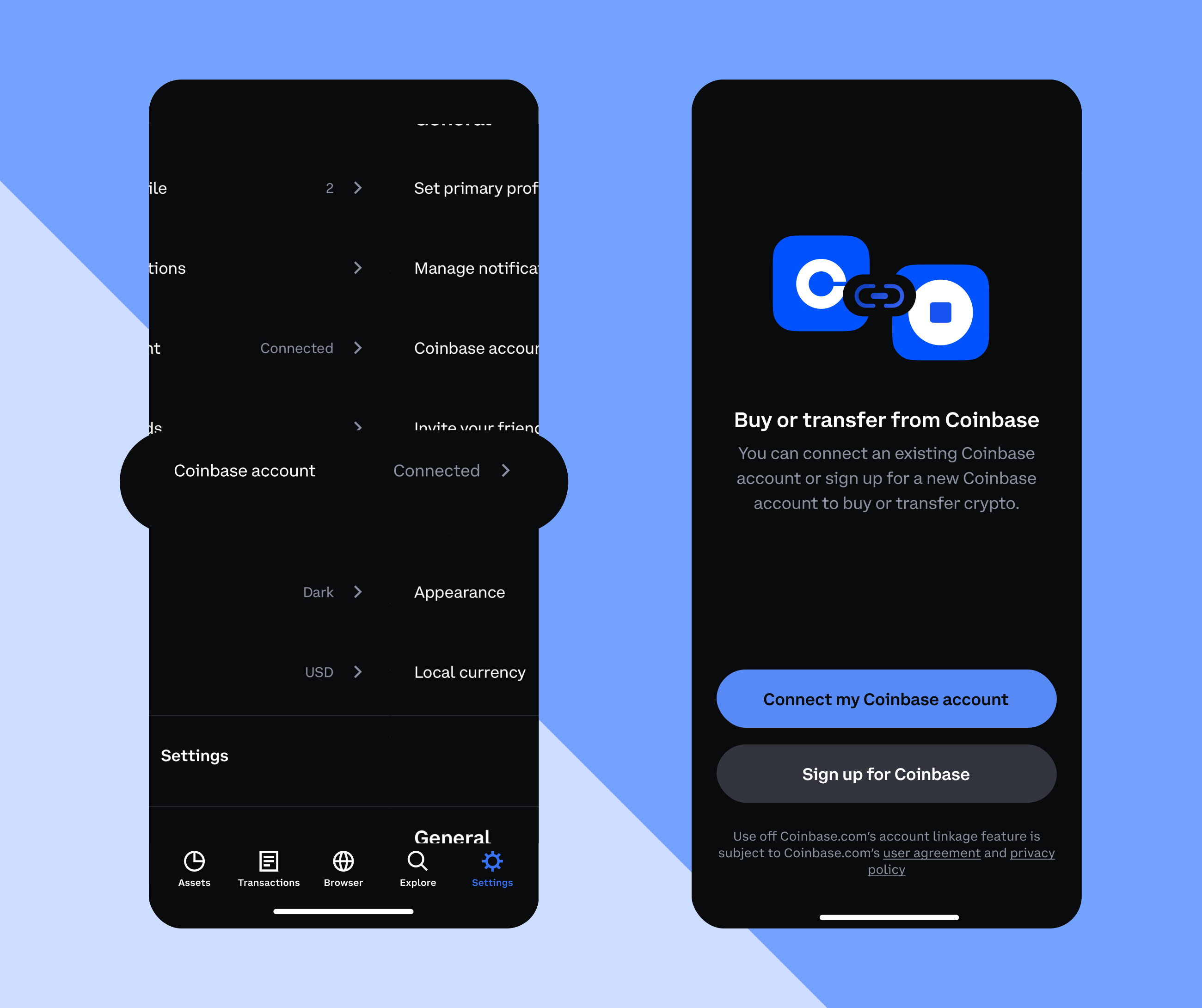
7. Coinbase Wallet self-custody mobile app
Coinbase Wallet distinguishes itself by offering true self-custody, keeping your private keys on your device rather than a centralized exchange. This mobile app supports a vast array of ERC-20 tokens and NFTs, providing a comprehensive view of your digital assets. It integrates directly with decentralized applications, allowing users to interact with DeFi protocols securely. The familiar Coinbase branding offers a sense of reliability for users transitioning from exchange-held funds.
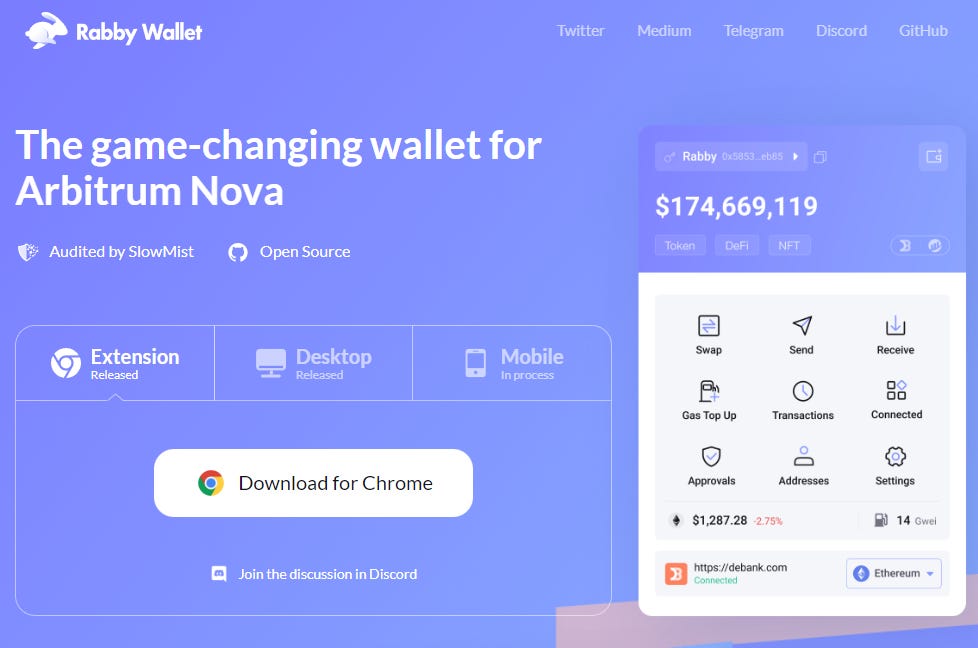
8. Rabby Wallet for DeFi security
Rabby Wallet is engineered specifically for the sophisticated needs of DeFi users. It acts as a safety net by simulating transactions before they are signed, alerting users to potential risks or malicious contracts. This proactive approach to security is invaluable for those frequently interacting with smart contracts. Rabby supports multiple networks and organizes assets clearly, reducing the chance of sending funds to the wrong chain. It is a powerful tool for minimizing errors in complex transactions.
9. Rainbow Wallet Ethereum mobile interface
Rainbow Wallet offers a visually striking and intuitive mobile experience tailored primarily for Ethereum and its layer-2 solutions. Its design philosophy emphasizes simplicity, allowing users to manage ETH, ERC-20 tokens, and NFTs with minimal friction. The wallet’s interface is both aesthetically pleasing and functional, making it a favorite among users who value design. It supports seamless interactions with major dApps and provides clear insights into gas fees and transaction statuses.

10. Zengo Account Abstraction wallet review
Zengo leverages account abstraction to eliminate traditional seed phrases, replacing them with a biometric-based security model. This approach significantly reduces the risk of losing access to funds due to forgotten passwords or lost recovery phrases. The wallet uses multi-party computation to secure keys, ensuring that no single point of failure exists. Zengo supports multiple chains and offers a streamlined user experience that prioritizes security without sacrificing convenience. It represents a modern evolution in wallet technology, focusing on user-friendly security.
How we picked the best crypto wallets
Choosing a crypto wallet is not like picking a streaming service or a pair of sneakers. When you hold digital assets, the stakes involve permanent loss of capital, making security the non-negotiable foundation of our selection process. We evaluated the top contenders against rigorous criteria that prioritize the safety of your private keys above all else, ensuring that the wallets on our list are built to withstand the high-stakes reality of self-custody.
Our methodology began with an audit of each wallet's security architecture. We looked specifically for hardware implementations that isolate private keys from internet-connected devices. This means prioritizing wallets equipped with dedicated secure elements and audited open-source firmware. If a wallet’s code cannot be independently verified or relies on opaque proprietary systems, it was excluded from our shortlist. We relied on official documentation and primary source audits to confirm these claims, avoiding speculation from unverified third-party reviews.
Beyond the hardware, we assessed usability across multiple blockchain networks. A secure wallet is useless if it cannot interact with the assets you actually hold. We tested the interfaces of the leading options to ensure they support a broad range of tokens without compromising security. The goal was to identify tools that balance sophisticated protection with the ease of daily use, preventing users from bypassing security features due to frustration.
Finally, we considered the long-term viability of the developers behind these products. In the crypto space, abandoned projects become liabilities. We favored teams with a consistent track record of security updates and transparent communication. This comprehensive approach ensures that the wallets recommended here are not just secure in theory, but reliable in practice.
Cold storage versus hot wallet security
Choosing a crypto wallet means deciding how much convenience you are willing to trade for security. The difference between hardware and software wallets is not just about where your keys live; it is about how they survive contact with the internet.
Hardware wallets, often called cold storage, keep your private keys offline. Devices like the Ledger Stax use secure element chips to isolate your keys from malware and phishing attacks that target connected devices. Because the keys never leave the device, they remain safe even if your computer is compromised. This makes cold storage the standard for long-term holdings.
Software wallets, or hot wallets, connect directly to the blockchain via apps or browsers. They are faster and easier to use for daily transactions, but they are constantly exposed to potential vulnerabilities. While reputable apps like Trust Wallet or Phantom offer robust encryption, they cannot match the physical isolation of a hardware device. If you are holding significant value, the extra friction of using a hardware wallet is usually worth the peace of mind.
Comparison of Security Models
| Feature | Hardware Wallet (Cold) | Software Wallet (Hot) |
|---|---|---|
| Private Key Storage | Offline, isolated chip | Stored on internet-connected device |
| Exposure to Hacks | Minimal (only during transaction sign) | High (always connected) |
| Transaction Speed | Slower (requires physical confirmation) | Instant |
| Best Use Case | Long-term holding, large amounts | Daily spending, small amounts |
Recommended Hardware Options
For those prioritizing security, these hardware wallets are widely recognized for their reliability and secure element technology.


As an Amazon Associate, we may earn from qualifying purchases.
Key security features to verify
Before selecting a hardware or software crypto wallet, you must verify the underlying security architecture. A secure wallet relies on three non-negotiable pillars: secure element hardware, open-source code, and reliable recovery options.
Secure element hardware
Hardware wallets like the Ledger Stax and Ledger Flex embed a secure element—a dedicated chip certified to the same standard as those used in passports and credit cards. This chip isolates your private keys from the device's operating system and internet connection, preventing malware from stealing them even if your computer is compromised [[src-serp-1]].
Open-source code
Transparency is critical in crypto. Look for wallets with open-source code, which allows independent security experts to audit the software for vulnerabilities. If the code is closed-source, you must blindly trust the company’s claims about security, which is a significant risk in the high-stakes world of digital assets.
Recovery options
Your private keys are only as secure as your ability to recover them. Always verify that the wallet supports a standard seed phrase recovery (typically 12 or 24 words). Avoid wallets that lock you into proprietary recovery methods or cloud-based backups, which can be targeted by hackers or lost if the service shuts down.
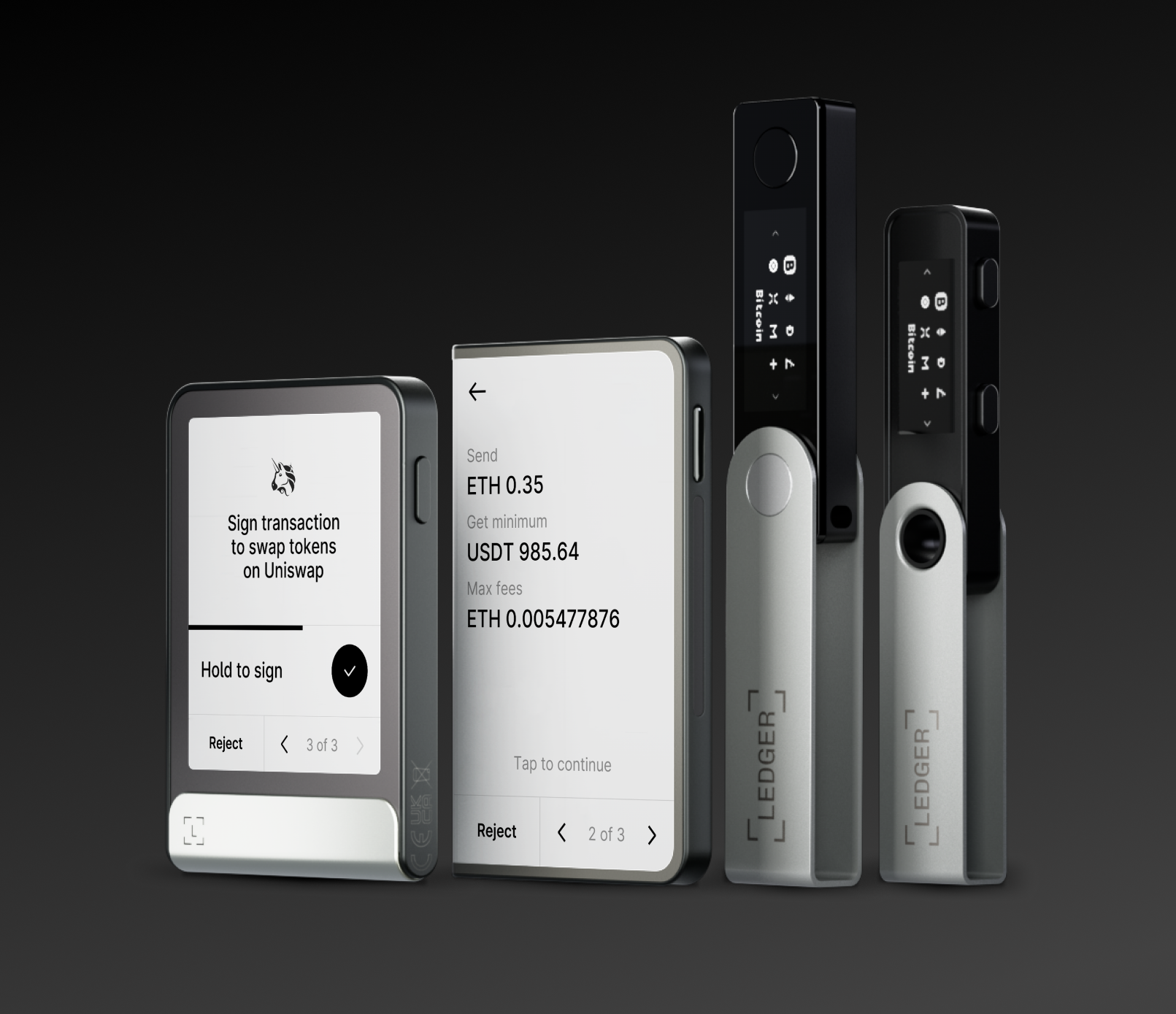
Verify that the device uses a certified secure element (CC EAL5+ or higher). This is the hardware foundation that keeps keys offline and safe from remote attacks.

Check if the wallet’s firmware and companion app code is publicly available on GitHub or similar platforms. Open source allows for community auditing.
Before storing significant funds, practice recovering your wallet using the seed phrase. Ensure the process is straightforward and that the new device recognizes your keys.


As an Amazon Associate, we may earn from qualifying purchases.
No comments yet. Be the first to share your thoughts!