How we picked the best crypto wallets
Choosing a self-custody wallet for Solana and Ethereum requires balancing security with daily usability. Our evaluation prioritizes hardware wallets for secure asset preservation and verified software wallets for active trading. We focused on open-source firmware where available, ensuring that the code backing your assets is transparent and auditable.
Security is the baseline. We examined how each wallet handles private keys, looking for offline key storage and secure element chips. The Bitcoin Foundation highlights models like the Ngrave and Ledger Stax for their robust offline capabilities, which significantly reduce exposure to online threats. For daily interaction, we looked for seamless integration with Solana and Ethereum networks without compromising on key management.
Usability matters equally. A secure wallet is useless if it is too difficult to use. We tested the user experience of leading options, such as the Ledger Flex, which Ledger Academy notes for its blend of readability and utility. We verified that each recommended wallet supports the specific token standards of Solana (SPL) and Ethereum (ERC-20) natively, avoiding the need for complex workarounds.
Our final shortlist includes products that demonstrate reliability in real-world scenarios. We avoided abstract categories, focusing instead on concrete devices and applications that have stood up to scrutiny. By combining insights from official sources like the Bitcoin Foundation and Ledger Academy with hands-on testing, we identified the wallets that best serve both security and convenience.
Best hardware wallets for secure asset preservation
Hardware wallets are the standard for secure self-custody. They keep your private keys offline, ensuring that even if your computer is compromised, your assets remain safe. For long-term holdings, you want a device that balances security with usability. The Ledger Stax, Ledger Flex, and Trezor Safe 7 represent the top tier of this market in 2026.
The Ledger Stax is designed for users who value aesthetics and high-resolution interaction. Its curved E Ink touchscreen allows you to view transaction details clearly before signing. This level of clarity helps prevent phishing attacks by ensuring you are approving exactly what you think you are. It supports thousands of tokens, making it a versatile choice for Solana and Ethereum holders alike. Ledger positions this device as a premium option for serious collectors and long-term investors.
For those prioritizing daily functionality, the Ledger Flex offers a more traditional form factor. It combines a standard size with a modern interface, providing an ideal blend of readability and utility. This device is often recommended for most users who need a reliable, all-around wallet. It maintains the same high-security standards as the Stax but in a package that fits easily into a pocket. The focus here is on consistent, frictionless use for regular transactions.
The Trezor Safe 7 takes a different approach with its emphasis on open-source transparency. Trezor has long been a trusted name in cold storage, and the Safe 7 continues that legacy. It offers robust security features and supports around 1,000 cryptocurrencies. While it may lack the high-end screen of the Ledger options, its commitment to open-source code provides an additional layer of trust for security-conscious users. It is a solid choice for those who prefer a more utilitarian design.


As an Amazon Associate, we may earn from qualifying purchases.
Best software wallets for Solana and Ethereum
Software wallets bridge the gap between convenience and self-custody. They run on your phone or browser, giving you direct access to decentralized applications (dApps) without handing your keys over to a third party. For active traders and DeFi users, choosing the right software wallet determines how smoothly you can swap tokens, bridge assets, and manage your portfolio across different chains.
For Solana, Phantom and Solflare are the two dominant options. Phantom offers a polished interface with built-in token swaps and staking, making it the go-to for most new users. Solflare provides advanced features like portfolio tracking and multi-wallet support, appealing to power users who need granular control. Both wallets support Solana's fast transaction speeds and low fees, which are critical for frequent trading.
On the Ethereum side, MetaMask remains the industry standard for browser extensions, while Rabby Wallet is gaining traction for its superior security and transaction simulation features. MetaMask integrates with thousands of dApps, but its interface can feel cluttered. Rabby addresses common pain points by showing what a transaction will do before you sign it, reducing the risk of interacting with malicious contracts. Both wallets support Ethereum and many EVM-compatible chains.


As an Amazon Associate, we may earn from qualifying purchases.
When using software wallets, security is your responsibility. Always write down your seed phrase on paper and store it in a safe place. Never share it digitally. Since these wallets are connected to the internet, they are more vulnerable to phishing attacks than hardware wallets. Stick to official websites and verified app stores to avoid fake versions. For large holdings, consider moving assets to a hardware wallet after trading.
Feature comparison for self-custody wallets
Choosing the right self-custody solution depends on whether you prioritize maximum security for long-term holds or daily transactional convenience. The following table outlines the core differences between the top-rated options for Solana and Ethereum in 2026.
| Wallet | Type | Best For | Primary Use |
|---|---|---|---|
| Ledger Flex | Hardware | Ethereum, Solana | Daily use with flexible screen |
| Ngrave Zero | Cold Storage | Multi-chain | Maximum offline security |
| Trust Wallet | Software | Ethereum, Solana | Mobile trading and dApps |
| Ledger Stax | Hardware | Ethereum, Solana | Premium hardware experience |
Hardware wallets like the Ledger Flex and Ngrave Zero keep private keys offline, shielding them from online threats. Software options such as Trust Wallet offer speed and accessibility but remain connected to the internet. Select based on your balance size and transaction frequency.
Setting up secure self-custody
Self-custody means you hold the keys, not a bank. This freedom comes with responsibility. If you lose your seed phrase or expose it to malware, your funds are gone. Setting up your wallet correctly on day one prevents irreversible loss.
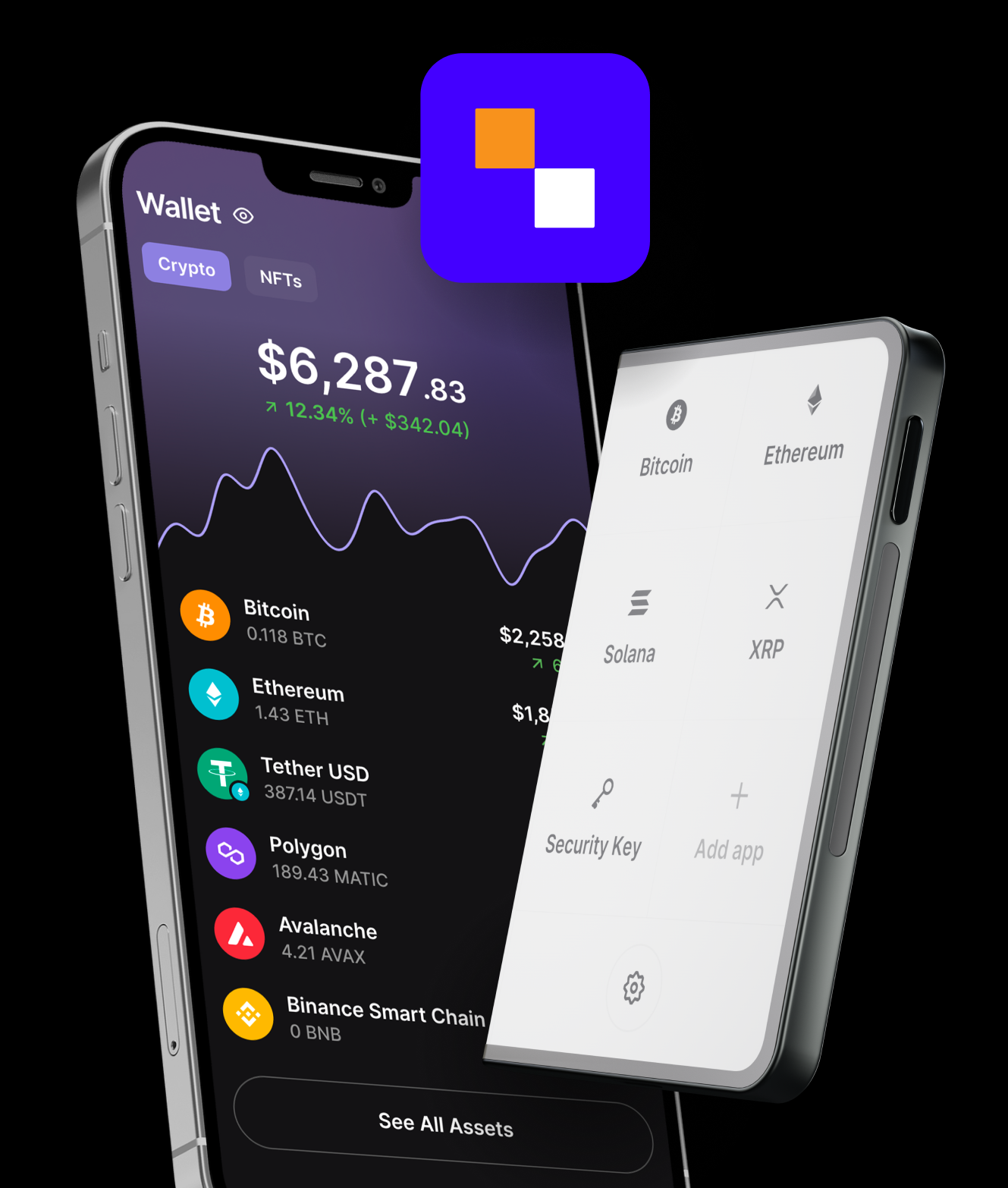
Download the app or device firmware directly from the manufacturer’s website. Ledger, Trezor, and Ngrave provide official channels. Avoid third-party app stores or links from search results, which may lead to phishing sites. Verify the developer name matches the official company.

Your seed phrase is a list of 12 or 24 words. It is the master key to your assets. Write it down on paper or metal. Never store it digitally—in notes apps, cloud storage, or screenshots. If your device is compromised, digital copies are vulnerable to theft.
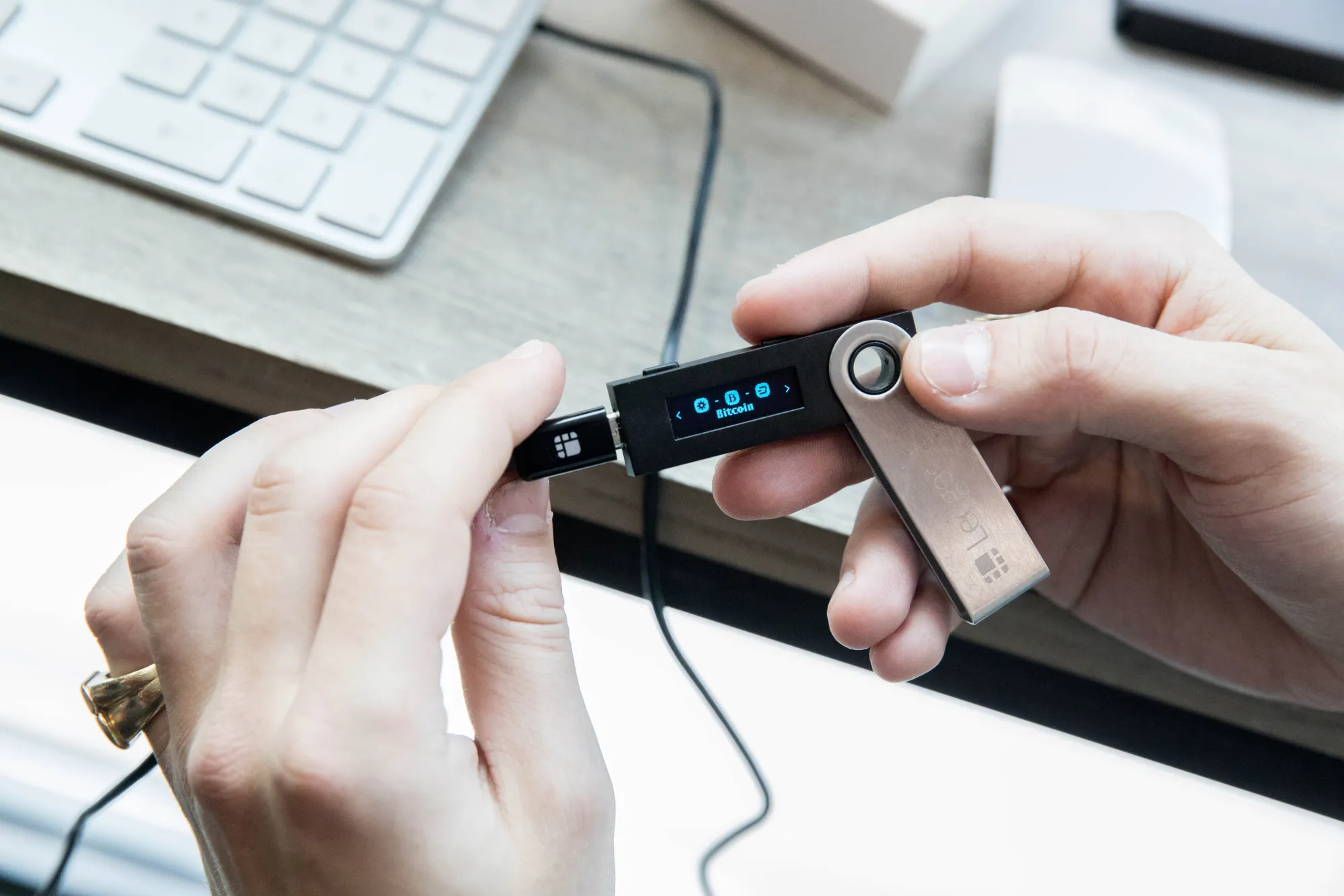
Before moving large sums, send a small amount of Solana or Ethereum to verify your setup. Confirm the address matches exactly on your device screen. This step ensures your recovery process works and that you have backed up your seed phrase correctly.

As an Amazon Associate, we may earn from qualifying purchases.
What is the best cold wallet for crypto in 2026?
When you hold significant value in Solana or Ethereum, keeping your keys offline is the only way to guarantee true self-custody. A cold wallet removes your private keys from internet-connected devices, effectively neutralizing remote hacking attempts. For 2026, the Bitcoin Foundation identifies Ngrave and the Ledger Stax as the leading hardware solutions, combining offline key storage with robust multi-chain support.
These devices act as physical vaults for your digital assets. Unlike software wallets that live on your phone or browser, hardware wallets require physical button presses to authorize transactions. This simple mechanism ensures that even if your computer is infected with malware, your funds remain secure. We recommend using these devices for long-term holdings rather than daily spending.


As an Amazon Associate, we may earn from qualifying purchases.
No comments yet. Be the first to share your thoughts!