What makes a crypto wallet secure in 2026
Security in 2026 comes down to one principle: where your private keys live. If your keys are connected to the internet, they are vulnerable. If they are isolated in dedicated hardware, they are safe from remote attacks. This distinction between hot and cold storage is the foundation of every secure portfolio.
Hot wallets—software apps on your phone or computer—are convenient for daily transactions but inherently risky. They are always online, making them targets for malware, phishing, and exchange hacks. Cold wallets—hardware devices like the Ledger Stax or Ledger Flex—keep your private keys offline. They sign transactions internally and only broadcast the signed data to the network. This air-gapped approach means hackers cannot steal your funds remotely.
For high-stakes holdings, hardware wallets remain critical. The Ledger Stax combines offline key storage with a secure element chip, offering a balance of security and usability. The Ledger Flex is ideal for users who need daily functional utility without sacrificing the protection of cold storage. Choosing the right wallet isn't just about features; it's about minimizing the attack surface for your life's savings.
Top hardware wallets for offline storage
Hardware wallets act as a physical barrier between your private keys and the internet. When you choose offline storage, you are moving your assets into a device that never exposes your seed phrase to network attacks. This distinction matters because a compromised computer can steal funds instantly, whereas a hardware wallet requires physical confirmation for every transaction.
The Ledger Stax leads the current market by combining offline key storage with a secure element chip and a curved E-ink touchscreen. This interface allows you to verify transaction details on the device screen rather than trusting a potentially compromised host computer. It is widely considered the best crypto wallet in 2026 for users who want maximum security without sacrificing modern usability.
For those prioritizing budget-friendly security, Trezor offers one of the most affordable entry points into hardware storage. The Trezor One is priced at approximately $49 and supports around 1,000 cryptocurrencies. While it lacks the advanced touchscreen of premium models, it provides the essential cold storage function of keeping keys isolated from online threats.
Ledger Flex is another strong contender for 2026, offering a blend of readability and daily functional utility. It delivers a clean interface for managing assets while maintaining the rigorous security standards expected from the brand. Users who need a reliable device for both long-term storage and regular transactions often find this model strikes the ideal balance.


As an Amazon Associate, we may earn from qualifying purchases.
Best software wallets for daily trading
Software wallets bridge the gap between cold storage security and the speed required for active markets. For traders, the wallet is not just a vault; it is the primary interface for interacting with decentralized finance (DeFi) protocols, swapping tokens, and managing multi-chain assets. A poor choice here risks not only lost funds but also missed opportunities due to poor interoperability or sluggish transaction signing.
The landscape is dominated by non-custodial options that give you full control of your private keys while offering robust browser extensions and mobile apps. Below are the top contenders for 2026, selected for their balance of usability, security, and ecosystem support.
MetaMask
MetaMask remains the industry standard for Ethereum and EVM-compatible chains. Its browser extension is deeply integrated into the DeFi ecosystem, allowing users to connect to thousands of dApps with a single click. While primarily an Ethereum-focused tool, its support for layer-2 networks and other EVM chains makes it indispensable for traders who need seamless access to the largest decentralized exchanges.
Trust Wallet
Owned by Binance, Trust Wallet is a powerhouse for multi-chain users who do not want to be locked into a single blockchain. It supports over 70 blockchains and 700,000 assets, making it ideal for traders who diversify across Solana, Polygon, and BNB Chain. The mobile app includes a built-in DApp browser and staking features, allowing users to earn yields directly from their trading portfolios without leaving the interface.
Coinbase Wallet
Coinbase Wallet offers a distinct advantage for users who want a non-custodial experience with the polish of a centralized exchange. It provides an intuitive mobile app and browser extension that simplifies complex tasks like bridging assets between chains. For traders who prioritize a clean user interface and strong customer support infrastructure, it reduces the friction often associated with managing private keys and network fees.
Rabby Wallet
Rabby Wallet has emerged as a favorite among advanced traders for its superior transaction preview capabilities. Unlike standard wallets that show a raw transaction hash, Rabby displays a human-readable summary of what the smart contract will do before you sign. This feature is critical for security, as it helps users identify malicious approvals or phishing attempts that could drain their wallets during high-volume trading periods.
| Wallet | Best For | Key Feature |
|---|---|---|
| MetaMask | EVM (Ethereum, BSC, Polygon) | Deep DeFi dApp integration |
| Trust Wallet | 70+ (Multi-chain) | Built-in staking and DApp browser |
| Coinbase Wallet | Multi-chain | User-friendly bridge and swap tools |
| Rabby Wallet | EVM | Transaction preview and security alerts |
AI-integrated wallets and new security tools
The race for self-custody dominance is no longer just about seed phrase storage; it is a battle for intelligent defense. Leading platforms are now embedding AI directly into the wallet interface to act as a real-time guardian against sophisticated threats. These tools analyze transaction patterns and smart contract code before you sign, turning the wallet from a passive vault into an active security layer.
Anomaly detection has become the primary differentiator in high-stakes crypto security. Wallets like Trust Wallet utilize machine learning models to flag unusual spending behaviors or interactions with known malicious addresses. When a transaction deviates from your typical usage—such as sending funds to a contract with no history—the wallet interrupts the flow, forcing a manual review. This friction is a feature, not a bug, designed to prevent the irreversible losses common in phishing attacks.
Smart contract analysis adds another layer of protection by reading the code behind the transactions you approve. Instead of blindly trusting a "Approve" button, AI-driven tools like MetaMask’s integrated security features (where available) or third-party plugins scan for hidden functions like unlimited token allowances or hidden minting rights. This transparency is critical for DeFi users who interact with complex protocols daily.
However, these tools are still maturing. While they catch known threats effectively, they can sometimes produce false positives that disrupt legitimate DeFi interactions. The current utility is best viewed as a safety net rather than a replacement for user diligence. Always verify the contract address independently, even if the AI gives it a green light.
How to choose the right wallet for your needs
Selecting a crypto wallet is not a one-size-fits-all decision; it requires matching your specific usage patterns with the right security architecture. The stakes are high: a mismatch between your technical comfort level and a wallet’s complexity can lead to irreversible asset loss. Trust Wallet, for instance, offers robust multichain support ideal for active traders, while hardware solutions like Ledger provide the cold storage necessary for long-term holding.
Use the following framework to evaluate your options:
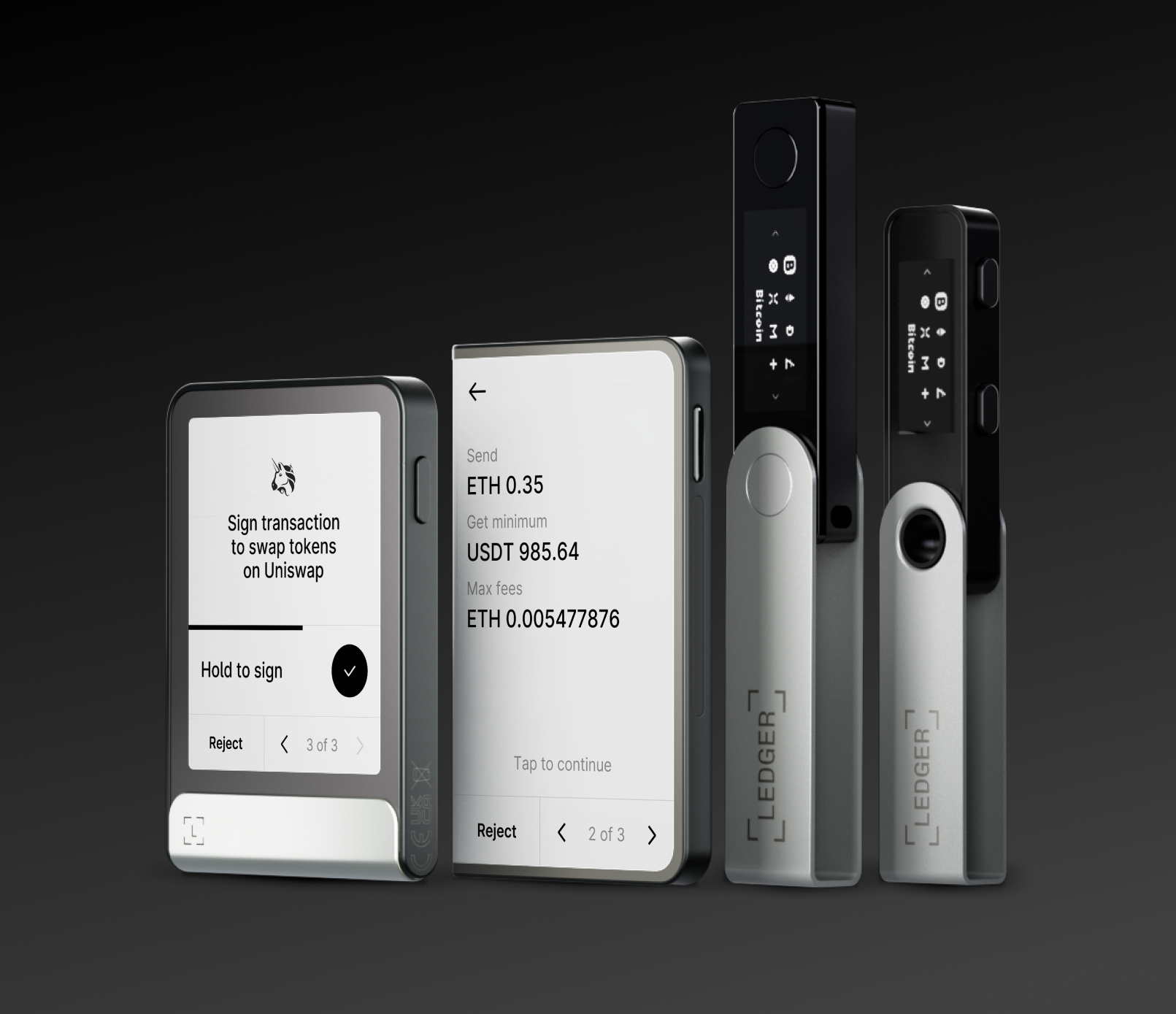
Are you trading frequently or holding assets for years? Active traders benefit from software wallets like Coinbase Wallet or Trust Wallet that support dApp interactions and instant swaps. Long-term holders should prioritize hardware wallets such as Ledger or Trezor, which keep private keys offline and immune to remote hacking attempts.

Beginners should avoid complex self-custody setups and opt for user-friendly interfaces with clear recovery processes. Trustee Plus is often recommended for daily use due to its intuitive design. If you are unfamiliar with seed phrase management, stick to established software wallets with strong customer support rather than experimenting with niche open-source tools.
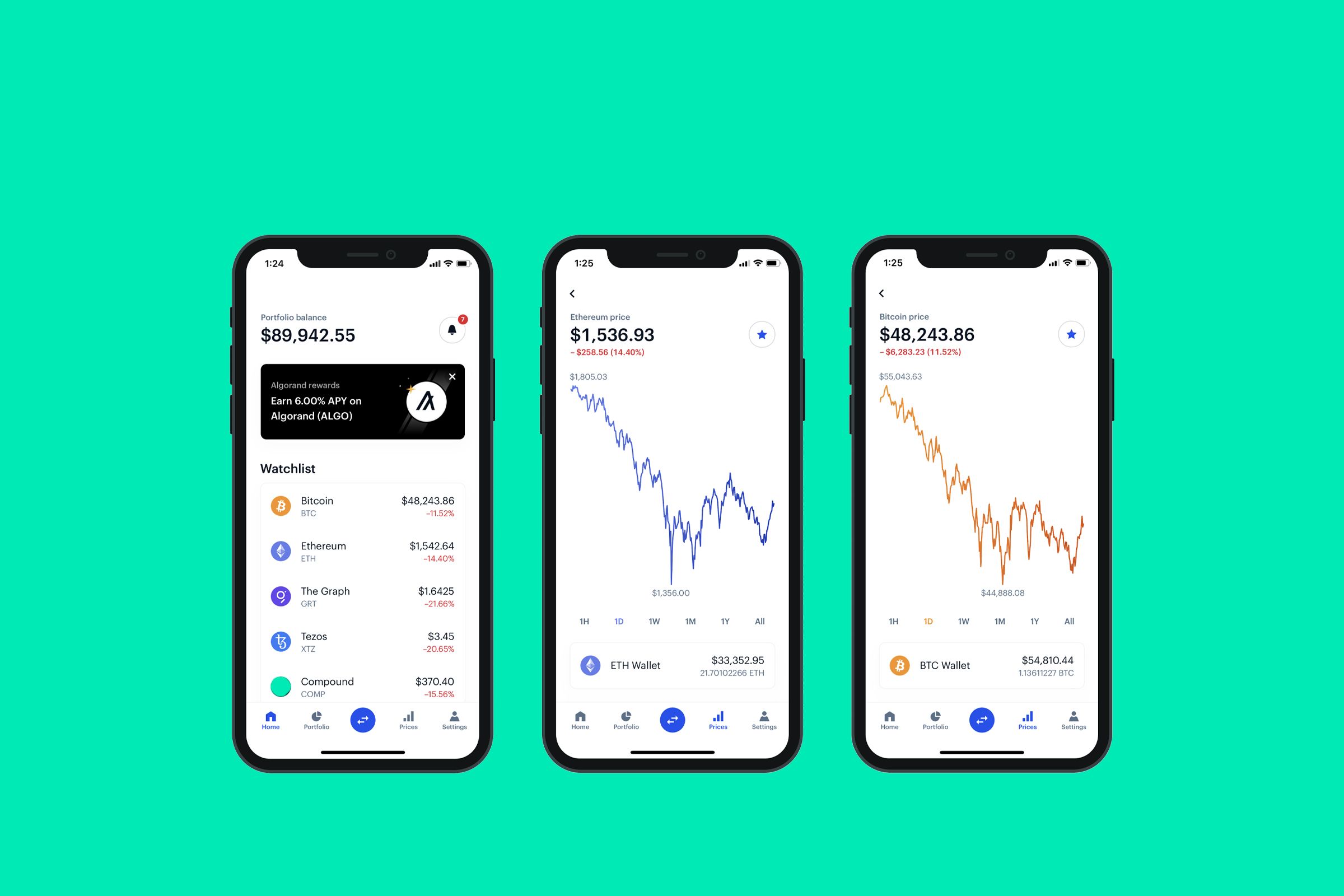
Not all wallets support every token or blockchain. If you hold Ethereum-based NFTs or Solana tokens, ensure your wallet has native support for those ecosystems. Trust Wallet excels here with multichain capabilities, while hardware wallets like Ledger support over 5,500 coins but require third-party interfaces for some advanced features.
Frequently asked questions about crypto wallets
Which wallet is the most secure for long-term storage? Hardware wallets like Trezor and Ledger are widely considered the safest option for holding significant amounts of cryptocurrency. By storing private keys offline, these devices protect your assets from online hacks and malware. For example, the Trezor One is a cost-effective entry point at around $49, supporting over 1,000 cryptocurrencies while keeping your keys isolated from internet-connected threats.
What happens if I lose my recovery phrase? Your recovery phrase (seed phrase) is the only way to restore access to your wallet if you lose your device or forget your password. If you misplace this 12- or 24-word phrase, your funds are permanently lost. There is no customer support team or central authority that can recover your crypto. Always store your recovery phrase in a secure, offline location, such as a fireproof safe, and never digitize it.
Can I use a software wallet for daily transactions? Software wallets, such as MetaMask or Trust Wallet, are ideal for frequent trading and interacting with decentralized applications (dApps) because they are easy to use and connect to web interfaces. However, because they are connected to the internet, they are more vulnerable to phishing attacks and malware. For long-term holding of large sums, a hardware wallet is recommended to minimize risk.
No comments yet. Be the first to share your thoughts!