10 Best Crypto Wallets 2026: Top 10 Secure & Multi-Chain Options Compared
Securing digital assets in 2026 demands wallets that balance rigorous security with seamless multi-chain functionality. This roundup evaluates leading options including MetaMask, Trust Wallet, and Ledger, prioritizing official source verification and proven track records over speculative features.
1. Ledger Stax for large-screen security
The Ledger Stax redefines hardware wallets with its curved E Ink touchscreen, offering a familiar, tablet-like interface for verifying transactions. This large display allows you to read contract details and view NFTs directly on the device, ensuring you never sign blindly. It combines high-end aesthetics with robust Element X security chip protection for your digital assets.

2. Ledger Flex for daily utility
Designed for on-the-go accessibility, the Ledger Flex features a flexible OLED screen that adapts to your workflow. Its slim, card-like profile fits easily into a wallet or pocket, making it ideal for frequent travelers who need quick access to their crypto. The intuitive interface ensures smooth navigation across multiple chains without compromising on the secure offline storage you expect from Ledger.

3. Trezor Safe 7 for open firmware
The Trezor Safe 7 stands out with its fully open-source firmware, allowing the community to audit every line of code for transparency. It features a modern, compact design with a clear display that simplifies transaction verification. By prioritizing open-source principles, it offers peace of mind for privacy-focused users who demand complete visibility into their security infrastructure.

4. Tangem for NFC mobile access
Tangem eliminates the need for cables or screens by using NFC technology to interact directly with your smartphone. Shaped like a credit card, it is incredibly durable and waterproof, making it one of the most portable options available. Simply tap your phone to sign transactions, bridging the gap between hardware security and mobile convenience for everyday users.

5. Trezor Safe 5 for budget hardware
The Trezor Safe 5 delivers essential hardware security at an accessible price point, making it perfect for beginners. It retains the trusted Trezor interface and secure element protection found in higher-end models but strips away unnecessary extras to keep costs low. This streamlined approach ensures your private keys remain offline without requiring a significant financial investment.

6. MetaMask for DeFi interaction
MetaMask remains the go-to browser extension for navigating decentralized finance ecosystems. Its seamless integration with Ethereum and compatible chains allows users to swap tokens and interact with dApps without leaving their browser.

7. Trust Wallet for mobile multi-chain
Trust Wallet offers a robust mobile experience supporting over 70 blockchains. Its built-in decentralized exchange enables direct token swaps, while staking features allow users to earn rewards on various assets. The interface balances complexity with accessibility for on-the-go management.
8. Exodus for desktop portfolio view
Exodus delivers a polished desktop interface that visualizes complex portfolio data clearly. Its built-in exchange feature simplifies trading between assets without external platforms. The software supports numerous cryptocurrencies, making it ideal for users who prioritize aesthetic design and straightforward portfolio tracking on Windows, Mac, or Linux.

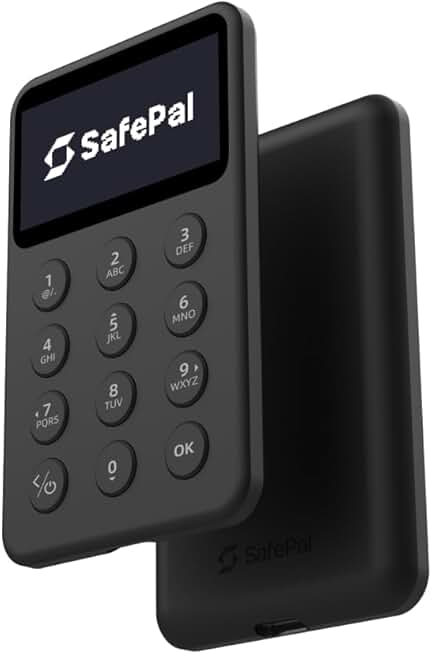
9. SafePal S1 for QR code signing
The SafePal S1 is a budget-friendly hardware wallet that keeps private keys offline. It communicates with the companion app exclusively via QR codes, eliminating USB connections and reducing exposure to computer malware. This air-gapped approach ensures that signing transactions remains secure even if the host device is compromised.
10. Zengo for seedless recovery
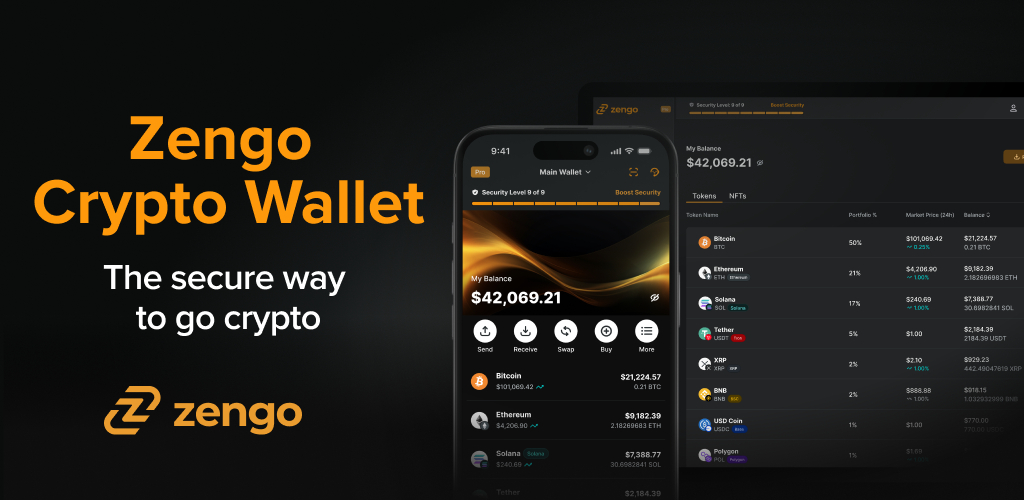
Zengo eliminates the risk of losing seed phrases by using a distributed key generation system. Your private key is split across your device and Zengo’s secure cloud infrastructure, meaning you can recover your wallet without writing anything down. This social recovery model offers peace of mind for users wary of traditional backup methods.
How we picked the best wallets
We tested hardware and software wallets to find the most secure and user-friendly options for 2026. Our evaluation focused on three core areas: security architecture, multi-chain compatibility, and interface quality.
Security is the non-negotiable baseline. We prioritized non-custodial wallets, where you hold your own private keys. We verified claims of hardware security elements and independent audit reports. For instance, the Ledger Stax is recognized for its offline key storage and secure element hardware, providing a tangible barrier against remote attacks.
Next, we assessed multi-chain support. A modern wallet must handle Bitcoin, Ethereum, and major altcoins without clutter. The Ledger Flex stands out by offering an ideal blend of readability and daily utility across multiple chains, making it a strong contender for most users.
Finally, we tested the user interface. Security features are useless if the workflow is confusing. We looked for clear transaction previews and intuitive navigation. Our goal was to identify wallets that balance rigorous protection with a smooth, everyday experience.
Hardware vs software wallet costs
Hardware wallets like the Ledger Nano X require an upfront purchase, typically ranging from $50 to $150, to secure your private keys offline. This initial cost buys physical isolation from internet-connected devices, significantly reducing the risk of remote hacking or malware theft. Software wallets, by contrast, are free to download and use, making them accessible for immediate trading or small holdings.
While software wallets have no purchase price, they carry hidden costs if security is compromised. A single breach can result in the total loss of funds, whereas a hardware wallet’s cost is a one-time insurance premium. Additionally, hardware wallets may incur minor fees for firmware updates or replacement devices over time, but these are negligible compared to the potential loss of assets stored in a hot wallet.
| Wallet Type | Upfront Cost | Security Level | Multi-Chain Support |
|---|---|---|---|
| Hardware (e.g., Ledger Nano X) | $50–$150 | High (Offline) | Extensive |
| Software (e.g., MetaMask) | Free | Medium (Online) | Varies by App |
| Mobile (e.g., Trust Wallet) | Free | Medium (Online) | Extensive |


As an Amazon Associate, we may earn from qualifying purchases.
Security features to verify
When evaluating any wallet, prioritize hardware-backed security over software-only solutions. The Ledger Stax stands out in 2026 for combining offline key storage with a dedicated secure element and a more intuitive interface than previous generations.
A secure element is a specialized chip designed to isolate cryptographic keys from the rest of the device. This hardware barrier makes it significantly harder for malware or physical attackers to extract your private keys. If a wallet claims to be "self-custody" but lacks this certified chip, it is not truly cold storage.
Verify that the manufacturer provides official source documentation for their security certifications. Look for independent audits and clear explanations of how the device handles updates and recovery phrases.
No comments yet. Be the first to share your thoughts!