
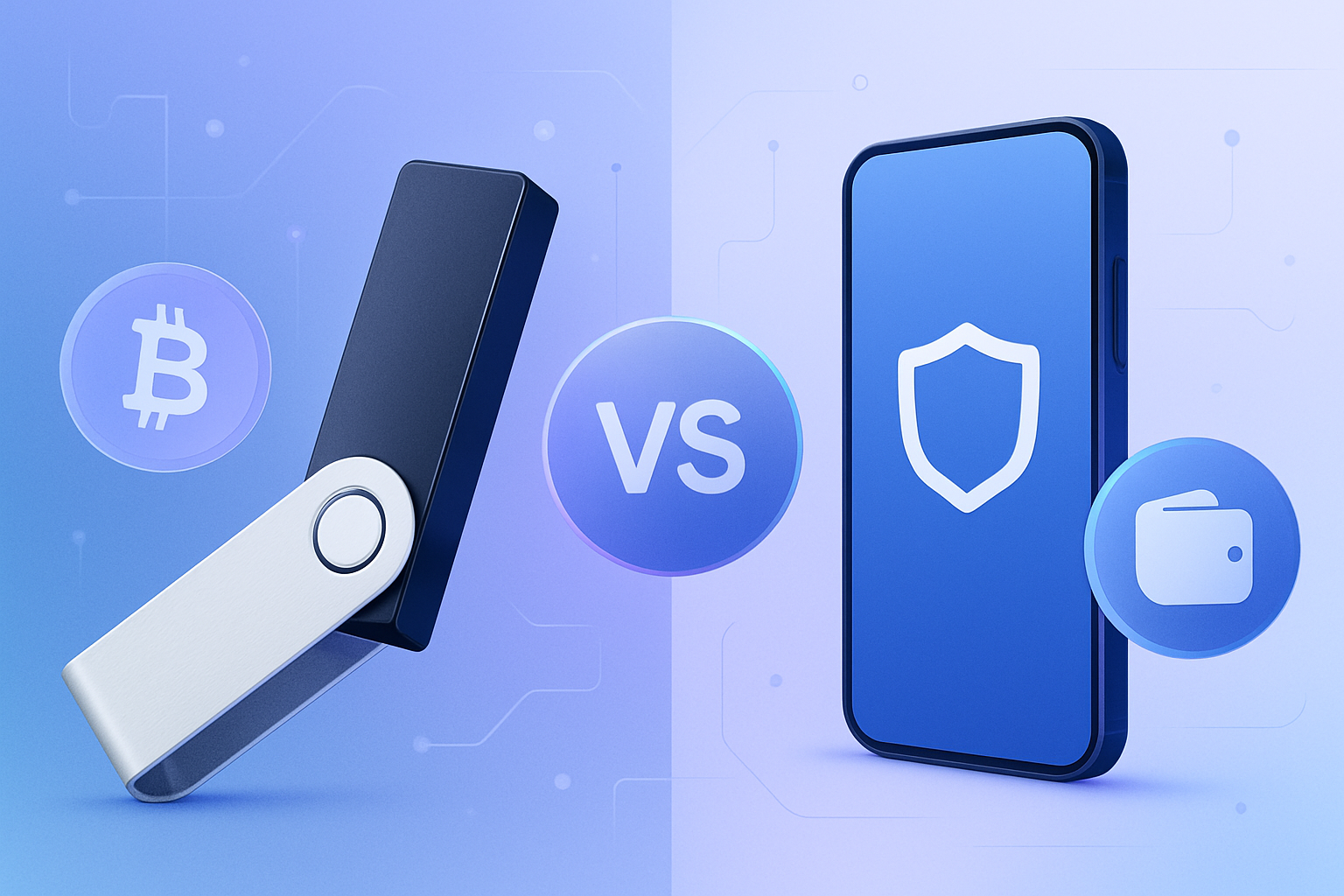
Choosing the right crypto wallet in 2025 means balancing security, usability, and cost-effectiveness. Two of the most debated options are the Ledger Nano S Plus and Trust Wallet, each representing a fundamentally different approach to safeguarding your digital assets. As crypto adoption accelerates, understanding these distinctions is critical for both new and seasoned investors.
Security Architecture: Cold Storage vs. Hot Wallet
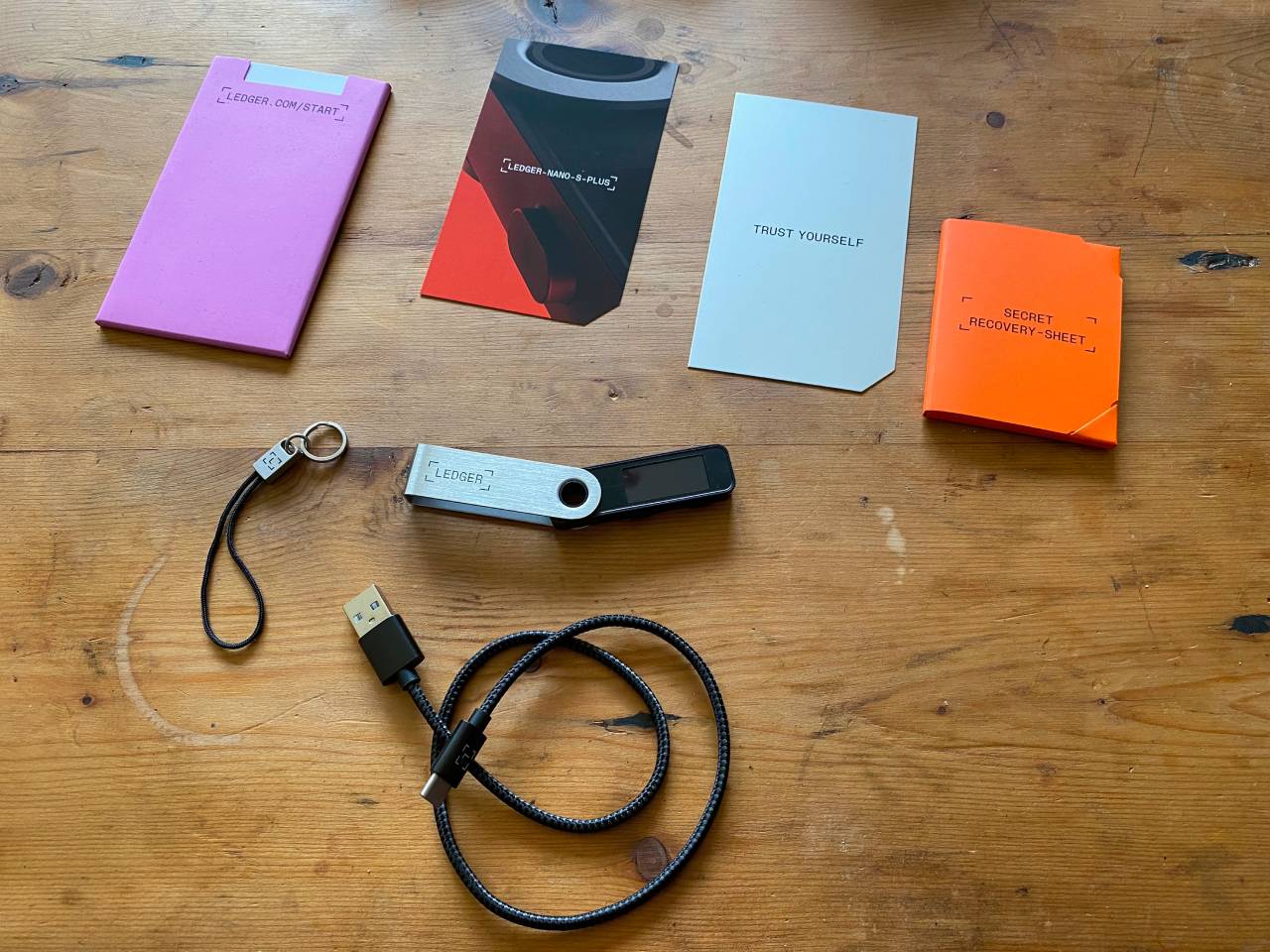
The core difference between the Ledger Nano S Plus and Trust Wallet lies in their architecture. The Ledger Nano S Plus is a hardware wallet, or cold wallet, meaning your private keys are generated and stored entirely offline on a physical device. This makes it extremely resistant to hacking, phishing, and malware threats that plague online environments.
In contrast, Trust Wallet is a hot wallet. It stores private keys on your mobile device, providing instant access but also exposing them to potential risks associated with internet connectivity. While Trust Wallet encrypts your keys locally and never accesses them remotely, the security ultimately depends on your phone’s integrity.
If you’re managing significant holdings or plan to hold assets long-term without frequent transactions, hardware wallets like the Ledger Nano S Plus are widely regarded as best-in-class for security. This is why they consistently top rankings for secure storage solutions in 2025 according to sources like Datawallet.com and NOWPayments.
Feature Comparison: Supported Assets and Usability
Ledger Nano S Plus supports over 5,500 cryptocurrencies and NFTs via its robust hardware ecosystem. Its integration with Ledger Live allows users to manage portfolios, stake assets, and install up to 100 different apps simultaneously, all while keeping private keys offline. The device is priced at $79, making it one of the most affordable premium hardware wallets on the market today.
Trust Wallet, being a software solution, boasts support for over 150,000 tokens across multiple blockchains. It stands out for its seamless DApp browser, enabling direct interaction with DeFi platforms, NFT marketplaces, and Web3 applications from within the app itself. And as a free wallet acquired by Binance in 2018, it remains highly accessible for beginners looking for quick onboarding without upfront costs.
This difference in asset support can be crucial if you’re involved in niche tokens or want direct access to decentralized apps without extra steps or devices.
User Experience: Who Should Choose Which?
If you value simplicity and daily convenience above all else, Trust Wallet’s user-friendly interface is hard to beat. It’s designed for mobile-first users who want instant access to funds and native staking options without dealing with cables or additional hardware setup.
Ledger Nano S Plus, while more secure for large balances or long-term storage, does introduce a modest learning curve. You’ll need to connect via USB-C each time you transact or manage assets, a small price for peace of mind if you’re serious about mitigating risk.
The Bottom Line So Far: Security vs Accessibility Trade-Offs
Your choice between these two wallets should reflect your priorities:
- If maximum security matters most: Go with the Ledger Nano S Plus at $79, especially if you plan to HODL significant value over time.
- If flexibility and DApp interaction are key: Trust Wallet’s free platform offers unmatched accessibility but requires vigilance against online threats.
The next section will dive deeper into advanced features like staking rewards, NFT management capabilities, real-world user reviews from 2025 forums, and strategic recommendations based on investment profiles.
Advanced Features: Staking, NFTs, and DApp Integration
Beyond basic storage, today’s crypto investors expect their wallets to support staking, NFT management, and seamless interactions with DeFi protocols. Here’s where the Ledger Nano S Plus and Trust Wallet diverge further in utility.
Staking: Both wallets offer staking, but the experience differs. Ledger Nano S Plus enables staking through its Ledger Live app for select assets. The process is secure but sometimes less intuitive due to the need for device confirmation and app installation. Trust Wallet, on the other hand, integrates staking directly into its mobile interface for a broad range of tokens. For users seeking passive income with minimal friction, Trust Wallet’s approach is more streamlined, though it comes with the trade-off of hot wallet risk exposure.
NFT Management: In 2025, NFTs have become a staple of digital portfolios. Ledger Nano S Plus supports NFT storage and viewing through Ledger Live but is limited to certain blockchains (primarily Ethereum and Polygon). Trust Wallet shines here, its support spans multiple chains and lets users interact with NFT marketplaces directly from their phone.
DApp Access: This is arguably Trust Wallet’s strongest suit. Its built-in DApp browser makes it effortless to connect to DeFi platforms or Web3 games without leaving the app. Ledger Nano S Plus users must rely on third-party connections like WalletConnect, a secure but less seamless experience for regular DApp users.
Community Feedback and Real-World Use in 2025
The crypto community’s verdict in 2025 reflects these trade-offs clearly. Across Reddit threads and review aggregators, user sentiment splits along lines of security versus convenience:
- Ledger Nano S Plus: Praised for peace of mind and robust protection against hacks, even after several high-profile exchange breaches this year.
- Trust Wallet: Applauded for its ease of use and breadth of supported assets but flagged by some power users as unsuitable for storing large balances long-term due to hot wallet risks.
If your investment profile leans toward active trading or frequent interaction with DeFi apps, many users report that Trust Wallet keeps friction low while still providing self-custody, a crucial advantage over custodial solutions.
Strategic Recommendations: Which Wallet Fits Your Profile?
Your decision should be informed by both your risk tolerance and how you engage with crypto markets:
Strategic Wallet Picks for Every Crypto User Profile
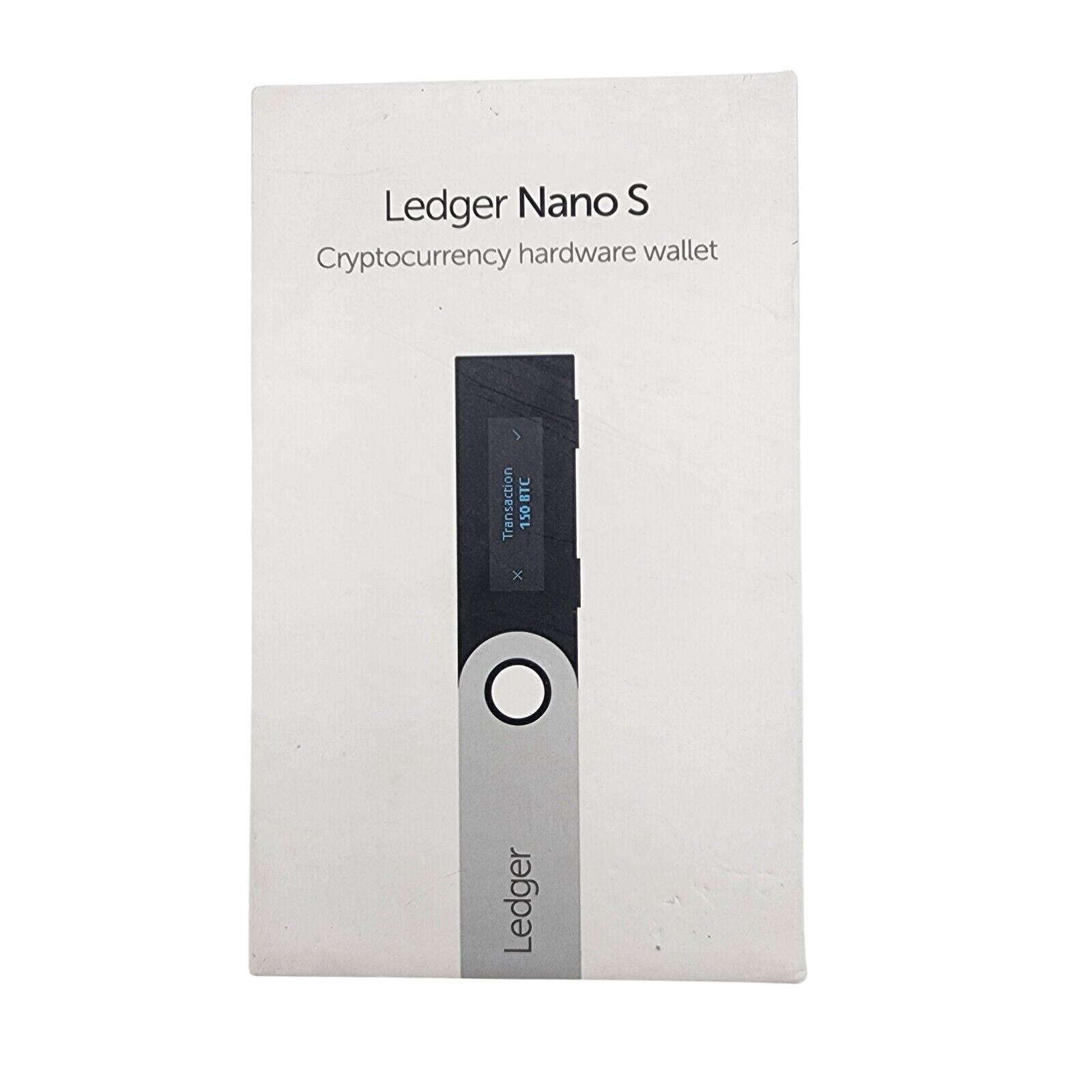
- HODLers: Ledger Nano S Plus — Hardware wallets like the Ledger Nano S Plus offer unmatched offline security with a CC EAL5+ certified secure chip. Ideal for long-term holders seeking robust protection for their crypto and NFTs, it supports over 5,500 assets and costs $79.
- Active Traders: Trust Wallet — Trust Wallet is a free, mobile-first wallet supporting 150,000+ tokens across multiple blockchains. Its intuitive interface, in-app staking, and seamless DApp integration make it a top choice for traders who need fast, flexible access to their assets.
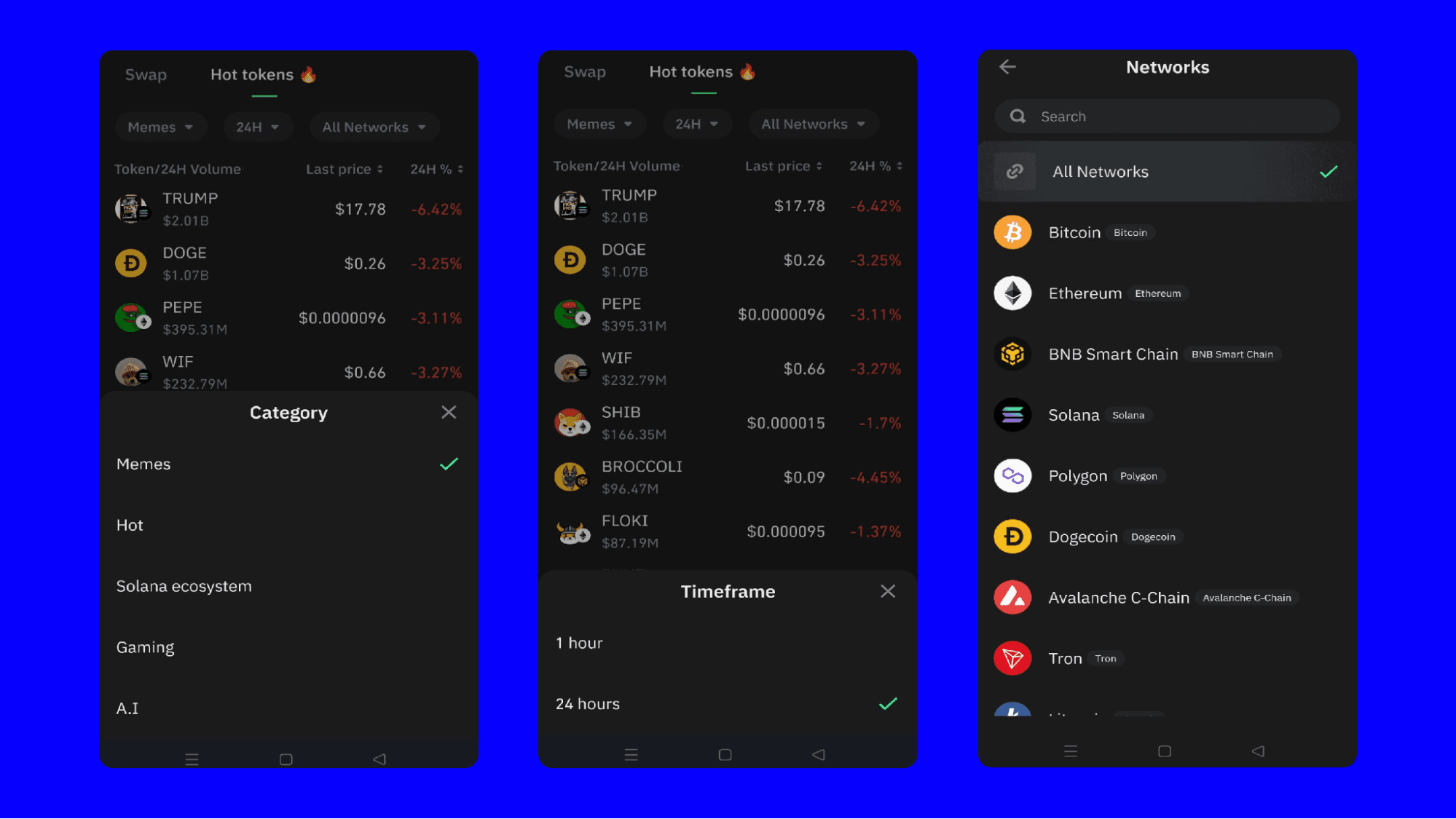
- NFT Collectors: Trust Wallet — For NFT enthusiasts, Trust Wallet delivers built-in NFT support and direct access to NFT marketplaces and Web3 apps via its DApp browser. Its broad token compatibility and user-friendly design make managing NFT collections simple and secure.

If you’re a long-term investor or hold significant value in your portfolio, especially if you rarely move funds, the hardware-based security of the Ledger Nano S Plus at $79 remains unmatched in cost-to-security ratio. This aligns with top recommendations from sources like NOWPayments and Datawallet. com in their 2025 rankings.
If you’re primarily a mobile-first user who values fast access to DeFi protocols, cross-chain swaps, or NFT minting, and are comfortable with basic device security hygiene provides Trust Wallet’s free offering delivers flexibility that hardware wallets can’t match without extra steps or integrations.
Final Thoughts: Security Isn’t One-Size-Fits-All
The landscape for crypto wallets in 2025 is more nuanced than ever. Both solutions empower you to control your private keys, but how you use that power depends on your habits and threat model. For maximum cold storage protection at an accessible price point ($79, no hidden fees), Ledger Nano S Plus leads the pack. For frictionless Web3 access and daily transactions across thousands of tokens at zero upfront cost, Trust Wallet is hard to beat, just be aware of the extra vigilance required when using hot wallets.




No comments yet. Be the first to share your thoughts!