
With the MON Protocol (MON) token trading at $0.0108 as of November 25,2025, and volatility remaining low, the focus for investors and collectors is shifting from price speculation to robust security. In this environment, hardware wallets such as Ledger Flex and Trezor Model T have emerged as the primary options for safeguarding MON tokens. This guide compares these two flagship devices head-to-head, emphasizing their onboarding processes, security architectures, and suitability for MON holders in 2025.
Why Secure Your MON Tokens with a Hardware Wallet?
The rise in targeted attacks on browser-based and mobile wallets makes hardware wallets a necessity rather than a luxury for serious crypto investors. Both Ledger Flex and Trezor Model T are designed to keep private keys offline, away from internet threats. However, their approaches to security and usability diverge in crucial ways that can influence your choice depending on your risk tolerance and technical preferences.
Ledger Flex vs. Trezor Model T: Feature-by-Feature Comparison
Ledger Flex stands out with its CC EAL6 and certified Secure Element chip, which offers high resistance to physical extraction attempts. Its 2.84-inch E Ink touchscreen is not just visually impressive but also practical for verifying transaction details without squinting or second-guessing. Wireless connectivity via Bluetooth and NFC allows seamless management through smartphones - a significant advantage if you value mobility or plan to use your wallet on the go.
Trezor Model T, by contrast, takes an open-source approach with its firmware fully auditable by the community. It incorporates an EAL6 and Secure Element chip as well but opts for a 1.54-inch color touchscreen - smaller but still intuitive for PIN entry and transaction review. The absence of Bluetooth or NFC means all operations occur over USB-C, which reduces potential remote attack vectors but may feel limiting if you prefer wireless convenience.
Ledger Flex vs. Trezor Safe 5: Feature Comparison (2025)
| Feature | Ledger Flex | Trezor Safe 5 |
|---|---|---|
| Security | CC EAL6+ Secure Element chip | EAL6+ Secure Element chip, Shamir Backup |
| Display | 2.84-inch E Ink touchscreen | 1.54-inch color touchscreen |
| Connectivity | USB-C, Bluetooth, NFC | USB-C only |
| Supported Assets | Thousands of cryptocurrencies & NFTs (5,500+ coins) | Thousands of digital assets (1,500+ coins, ERC-20 tokens) |
| Open-Source Firmware | No | Yes |
| Onboarding Process | Ledger Live app (USB-C/Bluetooth), 24-word recovery phrase | Trezor Suite app (USB-C), recovery seed |
| Device Verification | Via Ledger Live | Via Trezor Suite |
| Price | $249 | $179 |
Supported Assets and Ecosystem Reach
The breadth of supported assets is another area where these wallets diverge. Ledger Flex boasts compatibility with over 5,500 cryptocurrencies including NFTs - ensuring future-proof storage as new tokens like MON gain traction. Trezor Model T, while supporting thousands of coins (notably Bitcoin, Ethereum, ERC-20 tokens), trails slightly behind Ledger when it comes to sheer volume of supported assets.
This difference may be critical if you plan to diversify beyond MON or want one device to manage complex portfolios spanning multiple chains and token standards.
MON Protocol (MON) Price Prediction 2026-2031
Realistic outlook based on current market data, adoption trends, and crypto industry cycles (baseline: $0.0108 as of Nov 25, 2025)
| Year | Minimum Price (Bearish) | Average Price (Base Case) | Maximum Price (Bullish) | Yearly Change (%) | Market Scenario |
|---|---|---|---|---|---|
| 2026 | $0.0095 | $0.0125 | $0.0180 | +15% | Gradual recovery, increased wallet adoption, cautious optimism |
| 2027 | $0.0102 | $0.0150 | $0.0250 | +20% | Broader crypto uptrend, new partnerships, improved DeFi integration |
| 2028 | $0.0110 | $0.0185 | $0.0330 | +23% | Bull market peak, major ecosystem growth, higher hardware wallet penetration |
| 2029 | $0.0130 | $0.0210 | $0.0400 | +14% | Market consolidation, regulatory clarity, steady adoption |
| 2030 | $0.0125 | $0.0230 | $0.0480 | +10% | Mature market, increased use cases, strong competition |
| 2031 | $0.0118 | $0.0250 | $0.0560 | +9% | Late-cycle, innovation-driven gains, potential sector rotation |
Price Prediction Summary
MON Protocol (MON) is projected to see gradual price appreciation through 2031, with potential for significant upside during bullish phases, especially if adoption of secure storage solutions (like Ledger Flex and Trezor Safe 5) grows. The forecast reflects both conservative and optimistic scenarios, accounting for crypto market cycles and evolving technology adoption.
Key Factors Affecting MON Protocol Price
- Continued adoption of hardware wallets (Ledger, Trezor) for secure MON storage
- Expansion of MON Protocol's use cases and ecosystem partnerships
- General crypto market cycles (bull and bear phases)
- Regulatory developments impacting DeFi and token protocols
- Competition from other protocol and storage tokens
- Technological improvements (scalability, interoperability, security)
- Investor sentiment and macroeconomic conditions
Disclaimer: Cryptocurrency price predictions are speculative and based on current market analysis. Actual prices may vary significantly due to market volatility, regulatory changes, and other factors. Always do your own research before making investment decisions.
User Experience: Onboarding Process Compared
The onboarding journey can be a make-or-break factor, especially for first-time hardware wallet users securing their first batch of MON tokens:
- Ledger Flex: Purchase directly from Ledger or authorized resellers; connect via USB-C or Bluetooth; initialize with a PIN code; generate a 24-word recovery phrase; verify authenticity inside the Ledger Live app.
- Trezor Model T: Buy from official sources; connect via USB-C; initialize with PIN code; generate recovery seed; verify device authenticity through the Trezor Suite app.
Both processes are streamlined yet thorough, emphasizing secure generation and backup of recovery phrases as the cornerstone of crypto self-custody.
For MON holders, the onboarding experience with either device is intuitive but requires diligence. The most common pitfalls stem from improper backup of recovery phrases or skipping device authenticity checks. These steps are not just formalities, they are your last line of defense against loss or theft.
Both Ledger Flex and Trezor Model T prompt users at setup to write down their recovery phrase (24 words for Ledger, 12/24 for Trezor). Never store this digitally or online; always use pen and paper, and consider multiple secure locations. Device authenticity checks in Ledger Live and Trezor Suite ensure you’re not using a tampered product, a non-negotiable step in today’s market.
Pricing, Value, and Black Friday Considerations
Currently, Ledger Flex retails at $249 while Trezor Model T is priced at $179. The price difference reflects features like the larger E Ink touchscreen and wireless connectivity on Ledger Flex. However, both frequently appear in crypto wallet Black Friday deals 2025, so keep an eye out for seasonal discounts if you’re cost-sensitive.
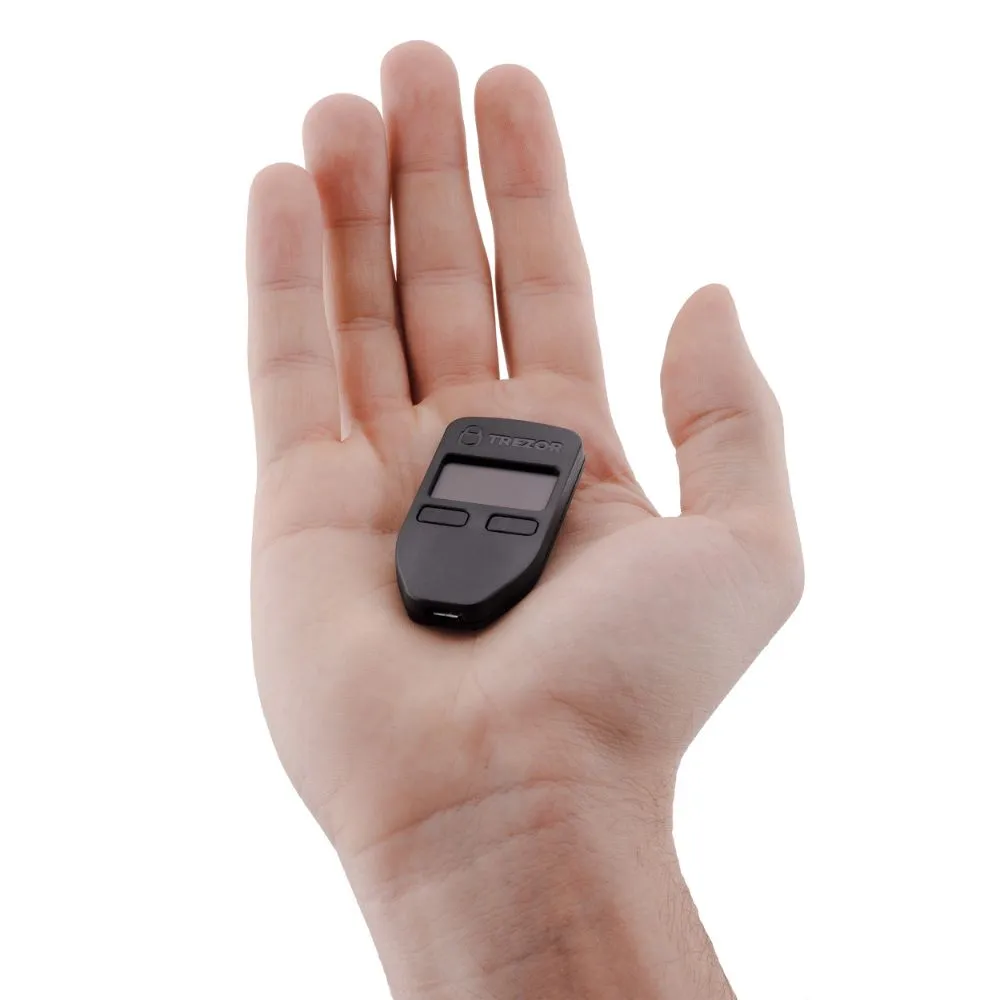
Which offers better value? If you prioritize the broadest asset support, advanced display, and mobile management, Ledger Flex justifies its premium. If open-source firmware transparency and a more affordable entry point matter more, and you don’t mind a USB-only workflow, Trezor Model T remains a top contender.
Security Culture: Beyond the Hardware
No hardware wallet is immune to user error. Social engineering attacks, such as phishing emails mimicking official wallet support, remain one of the leading causes of crypto loss in 2025. Both manufacturers provide extensive educational resources within their apps to help users recognize red flags.
Your security does not end with device purchase; it’s an ongoing practice that includes:
- Verifying software downloads only from official sources
- Avoiding sharing recovery phrases with anyone, even customer support
- Regularly updating firmware to patch vulnerabilities
- Physically securing your device against theft or loss
Final Thoughts: Choosing Your MON Token Fortress in 2025
The decision between Ledger Flex and Trezor Model T ultimately hinges on your personal threat model and workflow preferences. For those managing diverse portfolios across many chains, including NFTs, Ledger Flex’s ecosystem reach and wireless features offer convenience without sacrificing core security. For users who want maximal transparency, open-source codebases, and a slightly lower price point, Trezor Model T continues to set the standard.
The current price of MON Protocol ($0.0108) emphasizes capital preservation over speculation in today’s market climate. Securing your tokens with a robust hardware wallet is no longer optional, it’s fundamental investing hygiene.



No comments yet. Be the first to share your thoughts!