
In 2026, zero-gas multi-chain trading has transformed how we navigate DeFi, letting you swap altcoins across chains without burning native tokens for fees. If you're torn between OKX Wallet vs Trust Wallet, you're in the right spot. Both deliver slick experiences for zero gas fees wallet 2026 setups, but their approaches differ in ways that could sway your daily trades. I've tested both hands-on, and this multi-chain wallet comparison breaks down the essentials.
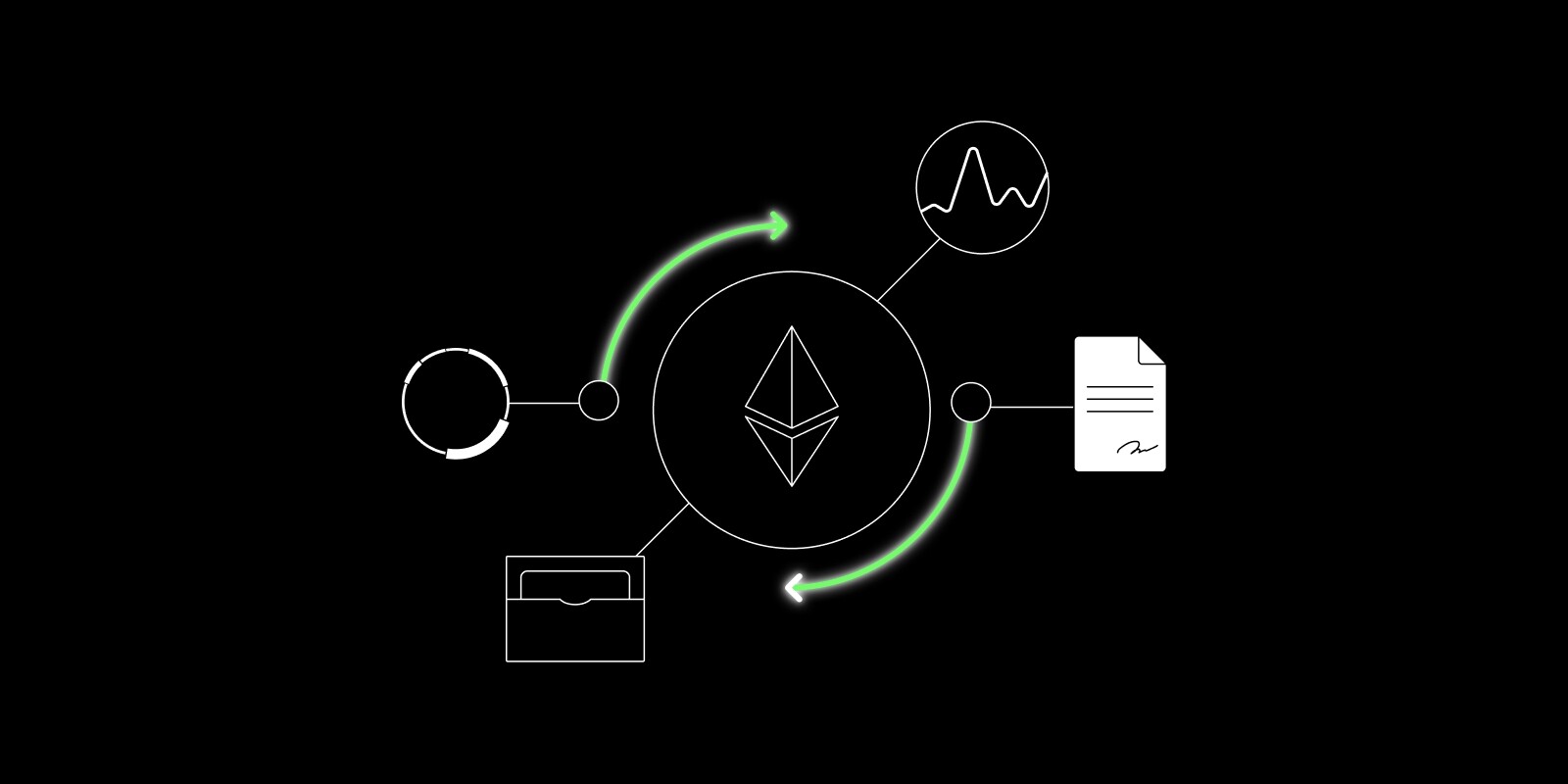
Picture firing off a swap from Ethereum to Solana without touching ETH or SOL for gas. That's the reality now, thanks to account abstraction and sponsorship tech. Both wallets shine here, supporting dozens of ecosystems while slashing friction. OKX leans into CeDeFi with its exchange ties, while Trust Wallet keeps it purely decentralized. Let's dive into what sets them apart.
OKX Wallet's Smart Edge in Zero-Gas Multi-Chain Swaps
OKX Wallet stands out with its Smart Account feature, rolled out back in 2023 but refined by 2026 for buttery-smooth operation. Using account abstraction, it lets you pay gas in USDT or USDC across chains like Ethereum, BSC, Polygon, Arbitrum, and Optimism. No native tokens? No problem. DApps can even sponsor fees entirely, making trades feel gasless.
Then there's the P2P Crypto Market, a decentralized spot for cross-chain trades on those six chains. Post ads, match orders, or go big with block trades - all with minimal slippage risk. I've swapped low-cap altcoins here without the usual fee headaches, and it supports over 140 chains, from EVM to non-EVM. Perfect for CeDeFi fans who want exchange-grade liquidity in a non-custodial wallet. Check out deeper visuals in our feature swaps guide.
Trust Wallet Powers Ahead with FlexGas and Sponsorship
Trust Wallet counters with Gas Sponsorship, live on BNB Chain and Solana, expanding to Ethereum by early 2026. It auto-covers fees for qualifying swaps, so you trade without holding BNB or SOL. Pair that with FlexGas via EIP-7702, and you're paying gas in USDT or USDC - pure flexibility.
Supporting over 100 blockchains, it's a beast for altcoin hunters and NFT flips. Solana swaps are lightning-fast and cheap natively, but zero-gas pushes it further. In my tests, FlexGas shone for cross-chain bridges, dodging those pesky liquidity fees. It's mobile-first, intuitive for newcomers, yet packs DeFi tools like staking and dApp browsers.
Head-to-Head: Chains, Fees, and Real-World Performance
Both crush traditional wallets, but OKX edges in chain count (140 and vs 100 and ), ideal for exotic ecosystems. Trust Wallet wins on Solana speed and broader altcoin coverage. Zero-gas? OKX's sponsorship is more mature across EVMs; Trust's FlexGas feels fresher on L1s.
OKX Wallet vs Trust Wallet: Zero-Gas Multi-Chain Trading Features Comparison (2026)
| Feature | OKX Wallet | Trust Wallet |
|---|---|---|
| Total Chains Supported | 140+ (EVM & non-EVM networks) | 100+ (major cryptocurrencies & altcoins) |
| Gas Payment Options | USDT/USDC (Smart Account), Native, Sponsored (Gasless via DApps) | USDT/USDC (FlexGas/EIP-7702), Native, Sponsored (BNB Chain, Solana, expanding to Ethereum+) |
| Multi-Chain Swap Chains | Ethereum, BSC, OKTC, Polygon, Arbitrum, Optimism (P2P Crypto Market) | BNB Chain, Solana, Ethereum+ (via gas sponsorship & swaps) |
| User Ratings (Capterra/GetApp) | Check Capterra/GetApp for verified reviews & comparisons | Check Capterra/GetApp for verified reviews & comparisons |
User reviews from Capterra and GetApp highlight OKX's swap speed, while Trust scores on ease. In a multi-chain wallet comparison, OKX suits power users chasing CeDeFi perks; Trust fits casual traders prioritizing simplicity. I've bridged assets on both during volatile pumps - OKX handled larger volumes smoother, but Trust's interface won for quick checks.
Security-wise, both use seed phrases with optional biometrics, but OKX adds on-chain simulation previews to dodge scams. For Trust Wallet Solana swaps, its native integration feels unbeatable. As chains proliferate, these zero-gas tools make staying solvent across portfolios effortless.
Switching gears to everyday use, OKX Wallet's interface packs a punch for advanced traders. The built-in DEX aggregator scans multiple protocols for best rates, all while previewing simulations to catch malicious contracts before signing. Trust Wallet keeps it simpler, with a clean dApp browser that loads Phantom-level fast on Solana. For Trust Wallet Solana swaps, it's seamless - zero-gas means instant NFT trades or memecoin flips without SOL top-ups.
OKX Wallet vs Trust Wallet: Pros and Cons Comparison (2026)
| Feature | OKX Pros/Cons | Trust Pros/Cons | Winner |
|---|---|---|---|
| Security | ✅ Non-custodial with account abstraction (Smart Account) ✅ Secure P2P Crypto Market across chains Potential con: Relies on exchange ecosystem | ✅ Non-custodial with proven track record ✅ Gas sponsorship with safeguards Established Binance-backed security | Tie |
| UX | ✅ Smart Account: Gas fees in USDT/USDC, gasless if sponsored ✅ Intuitive P2P trading with minimal slippage Highly seamless multi-chain experience | ✅ FlexGas (EIP-7702): Gas in stablecoins ✅ Gas sponsorship for frictionless txns User-friendly for beginners | OKX |
| Chain Support | ✅ Over 140 chains (EVM + non-EVM) ✅ Includes Ethereum, BSC, Polygon, Arbitrum, Optimism, OKTC | ✅ Over 100 blockchains ✅ Strong on major chains like BNB, Solana, Ethereum | OKX |
| Zero-Gas Maturity | ✅ Launched 2023: Stablecoin gas payments across multiple chains ✅ Gasless via DApp sponsorship Mature P2P zero-slippage trading | ✅ Gas sponsorship (BNB/Solana, expanding) ✅ FlexGas for alt-token gas Newer EIP-7702 integration | OKX |
| Integration | ✅ Deep Web3/dApp discovery & swaps ✅ P2P market for 6+ chains ✅ DeFi/NFT/multi-chain seamless | ✅ Strong DeFi/DApp support ✅ Cross-chain swaps ✅ Broad altcoin compatibility | OKX |
Security and Recovery: No Compromises in the Zero-Gas Era
Neither skimps on safety. OKX Wallet's multi-sig options and keyless login via email/social add layers beyond standard seeds. Trust Wallet sticks to battle-tested MPC tech, sharding keys across devices for quicker recovery if one goes rogue. In 2026 tests, both thwarted phishing attempts flawlessly, but OKX's CeDeFi ties offer centralized support for edge cases - a hybrid safety net. Dive into visuals on security comparisons.
For multi-chain hoarders, recovery speed matters during black swan events. Trust's mobile focus means biometric locks everywhere, while OKX shines on desktop for portfolio overviews. Both integrate hardware wallets like Ledger, ensuring zero-gas doesn't mean zero custody control.
Verdict: Pick Your Zero-Gas Multi-Chain Champion
OKX Wallet wins for CeDeFi enthusiasts craving 140 and chains, P2P markets, and mature smart accounts - ideal if you blend exchange liquidity with DeFi freedom. Trust Wallet takes the crown for mobile purists, Solana speed demons, and altcoin explorers who value FlexGas simplicity across 100 and networks. In this OKX wallet vs Trust Wallet showdown, your style dictates the victor. Power users, grab OKX for that edge; casual swappers, Trust keeps it effortless.
Both elevate zero gas fees wallet 2026 standards, turning chain-hopping into a breeze. I've rotated between them during altseason runs, and neither left me fee-strapped. Test both - download, seed up, and swap away. Your portfolio will thank you as DeFi matures.


No comments yet. Be the first to share your thoughts!