
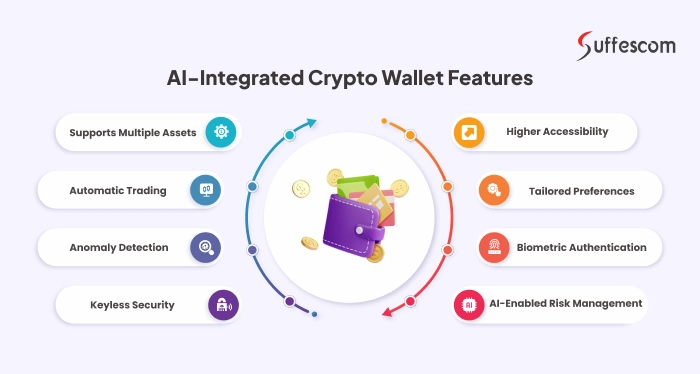
What makes a wallet AI-ready in 2026
An AI-ready crypto wallet is no longer a passive storage vessel; it is an active execution engine. In 2026, automated trading agents require direct API access and robust security keys to function without human intervention. Standard wallets fail in this environment because they lack the necessary programmability and real-time data hooks that AI models depend on for high-frequency decision-making.
The primary differentiator is API accessibility. AI agents need to interact with the blockchain programmatically, executing trades based on market signals rather than manual clicks. Wallets that restrict API access or require manual confirmation for every transaction break the automation loop. According to RebelFi, AI agents need crypto wallets specifically because traditional financial systems require human identity to transact, and software has no identity. A wallet that bridges this gap must support secure, programmatic key management that allows an AI agent to sign transactions autonomously.
Security layers must also evolve to support this autonomy. Traditional cold storage solutions are too static for AI trading, which requires constant connectivity to exchange APIs and liquidity pools. AI-ready wallets employ multi-signature setups and time-locked transactions to mitigate the risk of autonomous errors or malicious exploits. This balance between accessibility and security is what separates a functional trading tool from a liability.
AI agents require direct API access and robust security keys. Ensure your wallet supports these before choosing for automated trading.
Finally, smart contract interaction capabilities are non-negotiable. AI trading strategies often involve complex DeFi protocols, liquidity provision, and cross-chain swaps. A wallet that cannot seamlessly interact with these smart contracts forces the AI to rely on external, less secure interfaces. As noted by industry analysts, agentic AI wallets are autonomous systems that can understand market conditions and execute trades directly, eliminating the friction of manual user input.
Hardware wallets: the safest option for AI trading
When AI agents execute high-frequency trades, the attack surface expands. A hardware wallet acts as an air-gapped vault, ensuring private keys never touch an internet-connected device. This isolation is the only reliable defense against remote exploits, phishing scripts, or compromised AI nodes that might attempt to redirect funds.
For AI-integrated trading, security is not a feature; it is the foundation. If your private keys are exposed, no amount of algorithmic sophistication can protect your capital. Hardware wallets require physical confirmation for every transaction, creating a hard stop between an AI's automated logic and the final movement of assets.
Ledger Nano X
The Ledger Nano X is a top choice for traders who need mobile connectivity without sacrificing security. Its Bluetooth capability allows you to sign transactions via the Ledger Live app on your phone, which is ideal for managing AI-driven portfolios on the go. The secure chip isolates your keys from the operating system, ensuring that even if your phone is compromised, your funds remain safe.
Trezor Model T
The Trezor Model T offers a touchscreen interface and open-source firmware, providing transparency for those who audit their own security stack. It supports a wide range of cryptocurrencies and features a secure element chip for key storage. The physical confirmation required on the device’s screen adds an extra layer of verification, making it difficult for malware to trick you into signing unauthorized trades.
Amazon Product Recommendations


As an Amazon Associate, we may earn from qualifying purchases.
Using a hardware wallet is like having a safe deposit box for your digital assets. You keep the keys in a secure, offline location, and only bring them out when you need to make a transaction. This simple practice significantly reduces the risk of theft, giving you the confidence to let AI tools handle the complexity of trading without worrying about the safety of your core holdings.
Software wallets for active AI bots
When an AI trading bot executes high-frequency moves, the wallet is the execution layer. Software wallets bridge the gap between automated scripts and the blockchain, offering the API access and DeFi interoperability that hardware devices often restrict. For active traders, this convenience is necessary, but it introduces a distinct attack surface that requires careful management.
The priority is selecting a wallet that supports robust API integrations without compromising key security. Unlike cold storage, these hot wallets remain connected to the internet, making them vulnerable to phishing and smart contract exploits. The best options in 2026 balance speed with built-in safeguards, such as transaction simulation and strict permission controls.
Comparison of AI-Compatible Wallet Features
The following table highlights the critical differences between leading software wallets for bot integration. Focus on API availability and DeFi support rather than just storage capacity.
| Wallet | API Support | DeFi Integration | Key Security |
|---|---|---|---|
| MetaMask | Yes (via RPC/Extensions) | Native | Browser extension isolation |
| Trust Wallet | Limited (Community-driven) | Strong (Built-in DEX) | Biometric + Local storage |
| Rabby Wallet | Yes (Advanced RPC) | Native | Transaction simulation |
| Exodus | No (Closed ecosystem) | Basic (Swap only) | Local encryption |
Key Security Considerations
Using a software wallet for automated trading means exposing your keys to potential software vulnerabilities. Always use wallets that offer transaction simulation, which previews the outcome of a trade before signing. This feature is critical for preventing AI bots from interacting with malicious smart contracts or draining funds through unintended approvals.
Top Picks for Active Traders
MetaMask remains the standard for AI bot compatibility due to its extensive developer ecosystem and RPC flexibility. It allows bots to connect directly to various networks and DeFi protocols. However, its open nature requires users to be vigilant about extension security.
Rabby Wallet is emerging as a stronger alternative for security-conscious traders. Its built-in transaction simulation provides a safety net that MetaMask lacks, making it easier to spot malicious intent in bot-driven trades. For traders prioritizing safety over maximum flexibility, Rabby offers a more controlled environment.


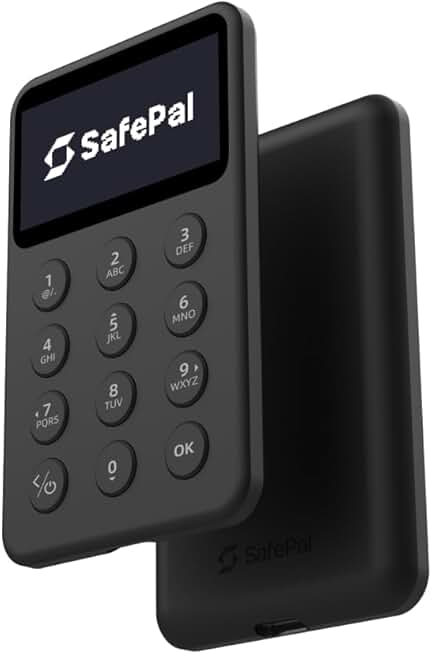
As an Amazon Associate, we may earn from qualifying purchases.
While software wallets are essential for active AI trading, they should not hold your entire portfolio. Use them as a operational layer for active positions, while keeping long-term holdings in cold storage. This hybrid approach minimizes risk while maintaining the speed needed for automated strategies.
How AI agents use crypto wallets for payments
Traditional financial systems are built on a foundation of human identity. Banks and payment processors require verified individuals to open accounts and authorize transactions. Software has no legal personhood, no credit history, and no physical presence. This creates a hard stop for autonomous systems trying to operate in the global economy. AI agents cannot sign a contract or swipe a card because they lack the biometric and legal identity required by legacy infrastructure.
Crypto wallets solve this identity gap by replacing human verification with cryptographic proof. A wallet is not just a storage container; it is a digital identity anchored by a private key. When an AI agent holds a private key, it holds the sole authority to move assets. This shifts the burden of trust from a centralized institution verifying a human’s identity to a decentralized network verifying a cryptographic signature. The agent becomes its own legal entity within the blockchain protocol.
This mechanism enables true autonomy. Agentic AI wallets are no longer passive tools for manual transfers. They are autonomous systems that can monitor market conditions, execute trades, and settle payments without human intervention. The agent acts as the sole signatory, making decisions based on real-time data and predefined risk parameters. This capability is essential for high-frequency trading, automated supply chain payments, and decentralized service economies where speed and precision are critical.
However, this autonomy introduces significant security risks. In traditional finance, a compromised password can be reset by contacting support. In crypto, if an AI agent’s private key is exposed or if the agent is tricked into signing a malicious transaction, the funds are gone forever. There is no customer service to reverse the theft. This makes the security architecture of the wallet and the AI’s decision-making logic paramount. The wallet must be designed to withstand sophisticated social engineering and code exploits, ensuring that the agent’s autonomy does not become its undoing.
Security risks in AI-integrated wallets
Connecting an AI trading bot to your wallet is like handing the keys to your vault to a highly efficient but autonomous stranger. The convenience of automated execution comes with a steep security premium. When you grant API access, you are exposing your assets to a complex attack surface that includes key leaks, smart contract vulnerabilities, and potential bot manipulation.
The most common failure point is improper API key management. If an AI wallet stores private keys or API secrets in plain text or uses overly permissive read-write permissions, a single breach can drain your funds instantly. Hardware wallets and multi-signature solutions remain the only reliable defense for high-value AI trading setups, as they keep private keys offline and require human confirmation for significant transactions.
Smart contract risks also loom large. AI bots often interact with decentralized exchanges and lending protocols. If the underlying smart contracts have vulnerabilities or if the AI executes a flawed transaction due to a logic error, the consequences are irreversible. Always audit the smart contracts your AI wallet interacts with and start with small test amounts to verify security protocols before committing significant capital.
Frequently asked questions about AI crypto trading wallets
Which AI crypto projects are poised for growth in 2026? Market analysts highlight Bittensor (TAO) and NEAR Protocol as foundational layers for AI-driven trading. While Bitcoin and Ethereum remain the secure anchors for your portfolio, high-upside majors like Solana are gaining traction among algorithmic traders. These projects provide the infrastructure that AI wallets rely on for automated execution.
Are AI crypto wallets safe for large holdings? Security is the primary differentiator in 2026. Top-tier AI wallets utilize hardware security modules (HSMs) and multi-signature protocols to protect private keys. Unlike standard software wallets, these models isolate trading algorithms from your cold storage, ensuring that a bot malfunction doesn't result in total asset loss.
How do AI wallets handle market volatility? Advanced AI wallets integrate real-time risk management tools that adjust exposure based on market conditions. They can automatically rebalance portfolios or halt trading during extreme volatility, acting as a circuit breaker. This feature is critical for managing the high-stakes environment of crypto trading without constant manual intervention.
No comments yet. Be the first to share your thoughts!