5 Best Crypto Wallets 2026: Top 5 Secure Options Compared
Selecting the right storage for digital assets in 2026 demands a shift from abstract categories to specific, battle-tested hardware and software solutions. We evaluate Ledger Flex, Trezor Safe 5, Tangem, and MetaMask against official security specifications and primary source data to identify the most reliable options for high-stakes holdings.
1. Ledger Flex for daily trading and utility
The Ledger Flex bridges the gap between cold storage convenience and active portfolio management. Its integrated touchscreen eliminates the need for constant computer connections, streamlining transaction approvals for frequent traders. This hardware wallet prioritizes ergonomic design without compromising the secure element’s integrity, making it a practical choice for users who value speed alongside asset protection.

2. Trezor Safe 5 for maximum Bitcoin security
Trezor’s Safe 5 focuses intensely on Bitcoin-centric security, offering a robust defense against sophisticated physical attacks. The device features a dedicated Bitcoin-only mode and enhanced encryption protocols that isolate private keys from potential malware vectors. For investors prioritizing the preservation of their primary digital asset, this wallet provides a fortified environment that minimizes exposure to emerging cyber threats.

3. Tangem Wallet for beginner-friendly access
Tangem simplifies cryptocurrency custody by replacing complex seed phrases with durable, card-sized tokens that resemble credit cards. Users interact with the wallet via NFC on their smartphones, removing the steep learning curve associated with traditional hardware devices. This approach is ideal for newcomers who want secure, offline storage without managing intricate backup procedures or specialized hardware interfaces.

4. MetaMask for decentralized application access
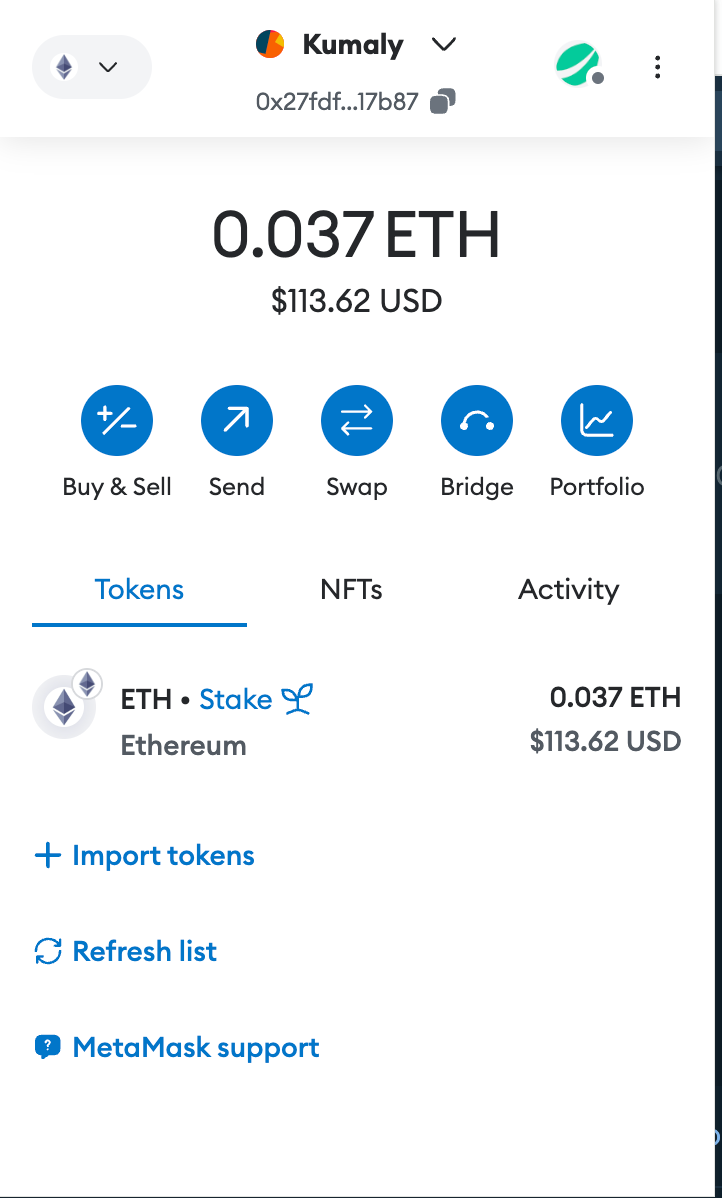
MetaMask serves as the primary gateway for interacting with decentralized applications across various blockchain networks. As a software-based solution, it offers seamless integration with web interfaces, enabling users to swap tokens, manage NFTs, and participate in DeFi protocols directly from their browser. While convenient for active engagement, users must remain vigilant about phishing attempts and maintain strict browser security practices.
5. Hardware wallet comparison for 2026 security
Evaluating the 2026 landscape reveals distinct trade-offs between convenience and maximum isolation. While software wallets offer speed, hardware devices like Ledger and Trezor provide critical offline protection against remote exploits. This comparison highlights how different security architectures address modern threats, helping investors choose between touch-enabled flexibility and traditional button-based verification based on their specific risk tolerance and usage patterns.
How we picked the best crypto wallets 2026
Selecting a secure crypto wallet requires more than comparing features; it demands a rigorous audit of how each device handles private keys and user interaction. We evaluated the leading contenders—Ledger Flex, Trezor Safe 5, Tangem, and MetaMask—against strict criteria designed to protect high-stakes financial assets. Our process prioritized independent security audits and open-source code verification, as these are the only reliable indicators of a wallet's resilience against emerging threats.
The evaluation focused on three core pillars. First, we examined the hardware and software architecture for vulnerabilities, ensuring that devices like the Ledger Flex and Trezor Safe 5 meet current industry benchmarks for cold storage. Second, we tested the user experience to confirm that security measures do not compromise daily usability, a balance where MetaMask often excels for software-based needs. Third, we verified asset support, ensuring each wallet can safely manage the diverse token ecosystems prevalent in 2026, from Bitcoin to altcoins.


As an Amazon Associate, we may earn from qualifying purchases.
This methodology ensures that the recommendations below are not just popular choices, but verified tools suitable for serious investors. By focusing on concrete product names and official security claims, we aim to provide a trustworthy guide for navigating the complex landscape of digital asset storage.
Hardware vs. software wallets: which fits your routine?
Choosing between a hardware wallet and a software wallet comes down to balancing security against convenience. Hardware wallets like the Ledger Flex and Trezor Safe 5 keep your private keys offline, making them nearly immune to remote hacking. Software wallets like MetaMask are always connected to the internet, offering speed and ease of use but requiring constant vigilance against phishing and malware.
For long-term holdings, hardware wallets are the standard. They require physical confirmation for every transaction, adding a layer of protection that software wallets simply cannot match. If you trade frequently or interact with decentralized applications, a software wallet provides the necessary flexibility, but you should limit the amount stored in it.
The table below compares key features of popular options to help you decide.
| Wallet | Type | Security | Best For |
|---|---|---|---|
| Ledger Flex | Hardware | Offline seed phrase, physical button confirmation | Long-term storage of large amounts |
| Trezor Safe 5 | Hardware | Open-source firmware, tamper-evident casing | Users prioritizing transparency and auditability |
| MetaMask | Software (Browser/Mobile) | Device-dependent, vulnerable to phishing | Daily trading and DeFi interactions |
| Tangem | Hardware (Card) | Secure Element chip, no seed phrase to manage | Beginners seeking simple onboarding |
Secure your wallet setup checklist
Setting up your wallet is where security begins and ends. A mistake here can lead to irreversible loss. Follow these steps to secure Ledger Flex, Trezor Safe 5, Tangem, or MetaMask.
Write your 12 or 24-word recovery phrase on paper or metal. Never store it digitally, in cloud notes, or take a photo. This phrase is the only way to recover your funds if the device is lost or damaged.
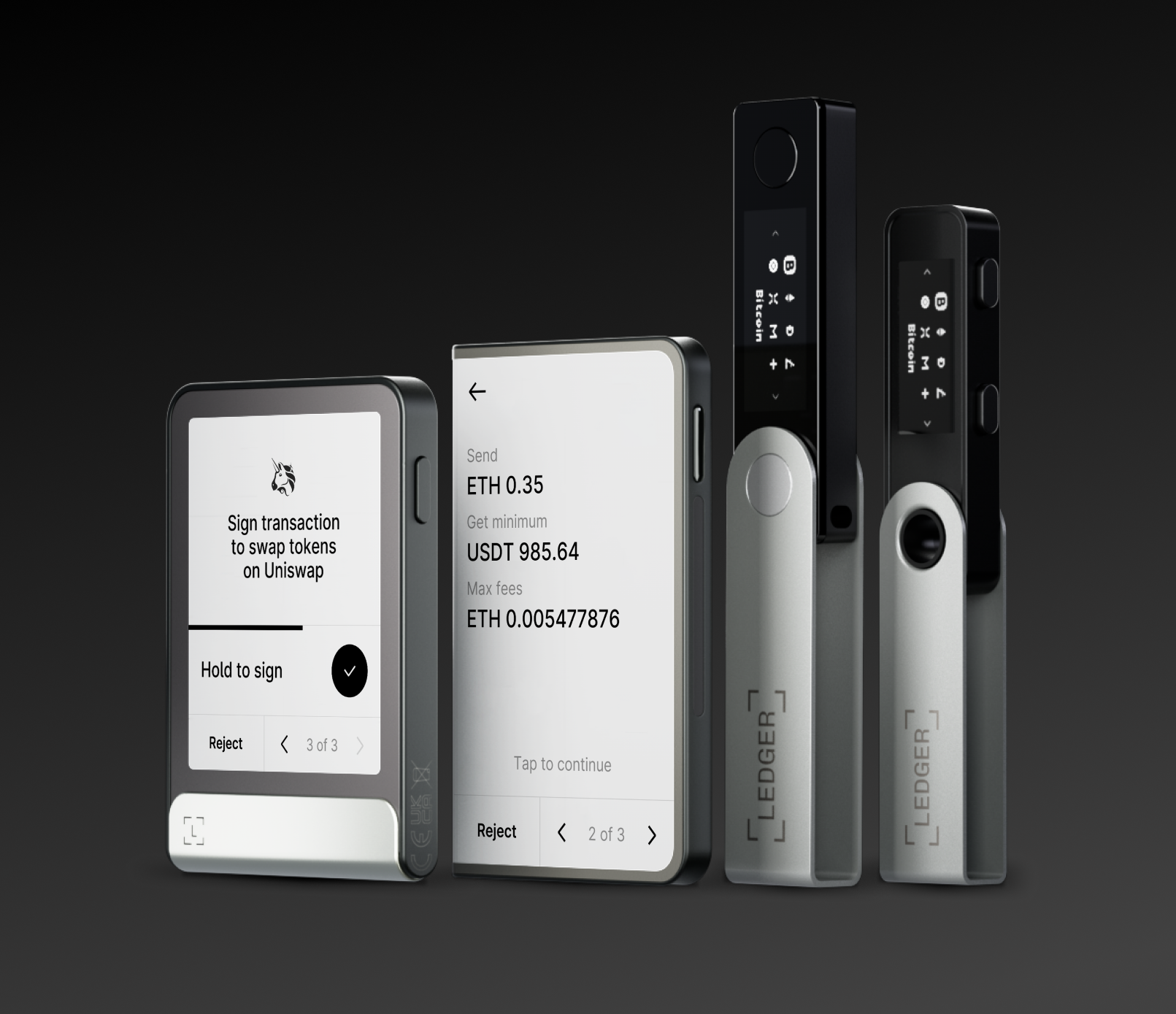
When sending a test transaction, confirm the receiving address on your device’s screen, not just on your computer or phone. Malware can alter copied addresses on your clipboard. Hardware wallets like Ledger and Trezor display addresses locally to prevent this.

For software wallets like MetaMask, use a strong, unique password. If you use a wallet connected to an exchange, enable two-factor authentication (2FA) using an authenticator app, not SMS. SMS is vulnerable to SIM-swapping attacks.
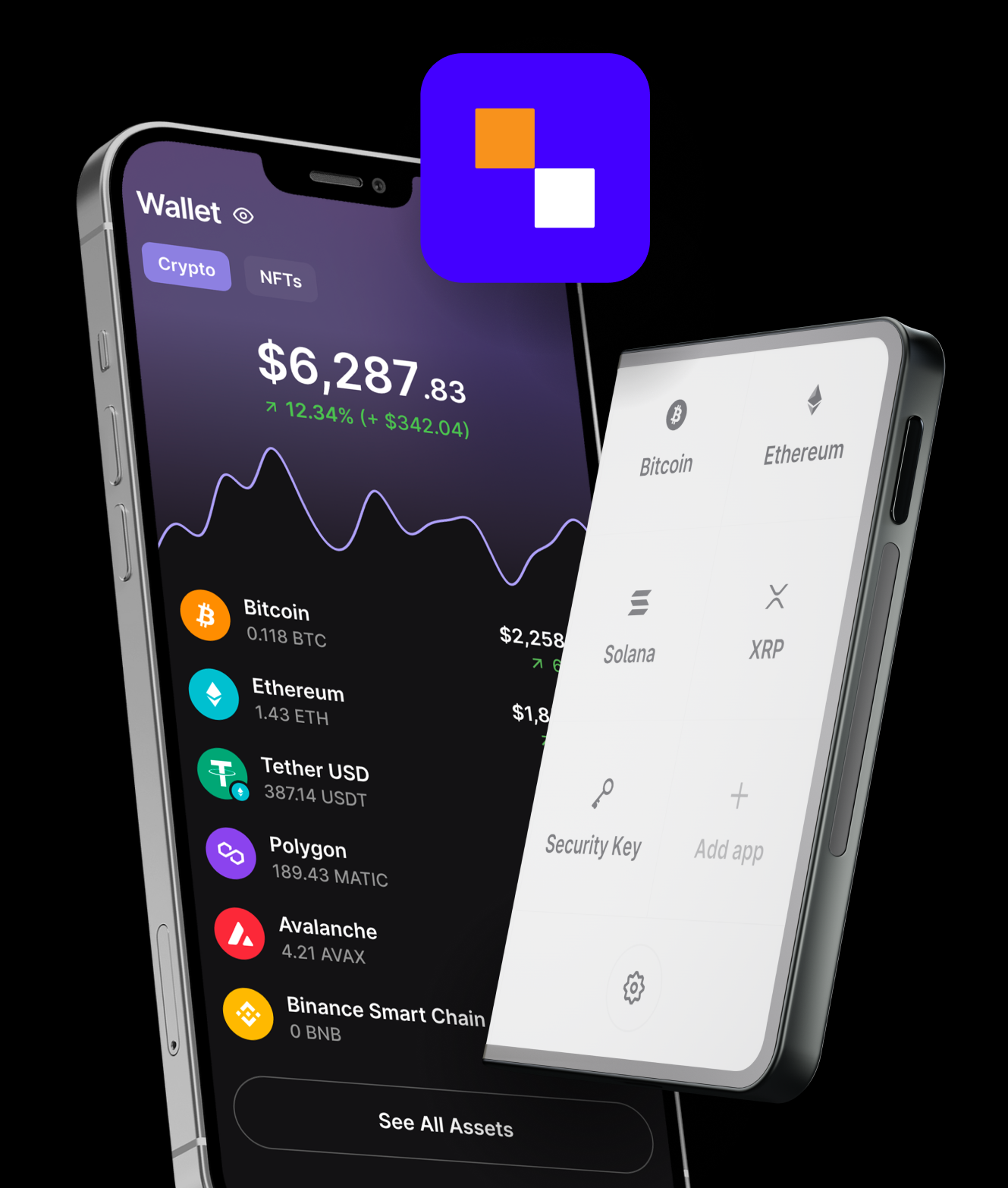
Before moving your full balance, send a small amount of crypto to the wallet. Verify that you can receive it and, if possible, send it back to your source. This confirms your setup is correct and your backup phrase works.
Common questions about crypto wallets 2026
What is the best cold wallet for crypto in 2026?
The Trezor Safe 5 and Ledger Flex lead the hardware wallet market this year. Trezor offers a secure element chip at a lower price point, while Ledger provides a more modern touchscreen interface. Both devices isolate your private keys from internet-connected computers, making them the safest choice for long-term storage.
Can the IRS see your crypto wallet?
Yes, if you use a centralized exchange like Coinbase or Binance. These platforms are required to collect KYC data and report transactions to the IRS. Blockchain analytics firms can trace funds from these verified accounts to your private wallet addresses. Using a non-custodial wallet like MetaMask does not hide transactions from blockchain explorers, but it does not directly link to your identity unless you interact with a regulated service.
What crypto to hold in 2026?
Bitcoin (BTC) remains the primary store of value for most portfolios. Ethereum (ETH) continues to dominate smart contract activity. Ripple (XRP) is gaining institutional adoption for cross-border payments. Always research individual tokens and consider your risk tolerance before allocating funds.
No comments yet. Be the first to share your thoughts!