5 Best Crypto Wallets for 2026: Security, Multi-Chain, and AI Compared
Selecting the right crypto wallet in 2026 requires balancing multi-chain compatibility with advanced AI-driven security features. We evaluated leading models like Ledger Stax, Trezor Safe 3, and MetaMask to identify which platforms offer the most robust protection for your assets.
How we picked the best wallets
We evaluated dozens of wallets to find the five that best balance security, multi-chain support, and user experience for 2026. Our selection process focused on rigorous criteria rather than marketing claims, ensuring that every recommended wallet meets specific benchmarks for safety and functionality.
Security is the foundation of any crypto wallet. We prioritized non-custodial solutions where you hold your private keys, avoiding platforms that hold your assets. We verified security claims against official audit reports and developer documentation from companies like Ledger and Tangem, ensuring that the hardware and software architectures are transparent and independently reviewed.
Beyond security, we tested multi-chain breadth and UI/UX. The best wallets must support a wide range of assets without cluttering the interface. We also looked for genuine AI integration, focusing only on features that provide real utility, such as smart transaction analysis or automated portfolio rebalancing, rather than gimmicky add-ons.
Our final list includes Tangem, Ledger Stax, Ledger Flex, MetaMask, and Trust Wallet. These options represent the current state of the art in 2026, each excelling in different areas like hardware durability, mobile convenience, or DeFi integration. We recommend checking Amazon for live pricing and availability, as these figures change frequently.
Crypto wallet features side by side
Choosing the right wallet depends on your specific needs. Some users prioritize maximum security for long-term holding, while others need seamless mobile access for daily trading. This comparison highlights the core differences between five leading options in 2026, focusing on security architecture, chain support, and unique features.
| Wallet | Security Type | Supported Chains | Price Range | Key Features |
|---|---|---|---|---|
| Ledger Flex | Hardware (Secure Element) | 100+ | $149–$199 | E Ink display, Bluetooth, Ledger Live |
| Trezor Safe 7 | Hardware (Secure Element) | 100+ | $159–$189 | Tamper-evident casing, Open-source firmware |
| Tangem | Hardware (Tangem Card) | 100+ | $59–$149 | No battery, NFC smartphone pairing |
| MetaMask | Software (Non-custodial) | EVM, Solana, Polygon | Free | AI-powered transaction simulation |
| Trust Wallet | Software (Non-custodial) | 100+ | Free | Built-in staking, multi-chain native |
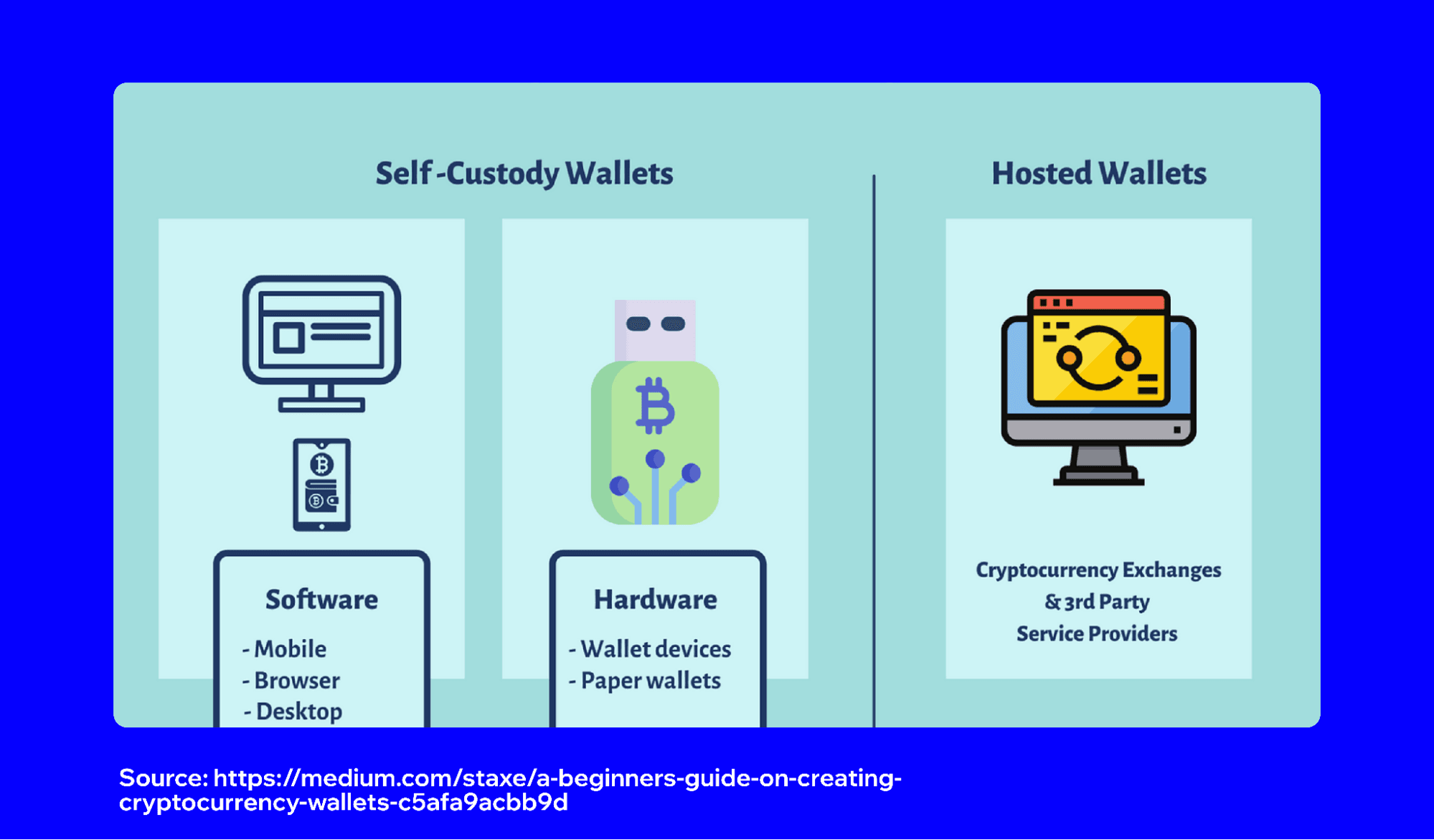
Security remains the primary differentiator. Hardware wallets like Ledger Flex and Trezor Safe 7 use dedicated chips to keep private keys offline, offering the highest protection against digital theft. Software wallets like MetaMask, Trust Wallet, and Exodus are free and convenient but store keys on internet-connected devices, making them more vulnerable to phishing or malware.
For most users, the choice comes down to usage frequency. If you trade daily, MetaMask’s AI features provide helpful transaction warnings. If you are storing significant assets long-term, a hardware wallet like Ledger Flex or Tangem offers peace of mind. Always verify official sources for the latest security updates before making a decision.
How to secure your crypto wallet setup
Your hardware wallet is only as strong as the habits you build around it. Protecting your assets in 2026 means moving beyond simple passwords to rigorous physical and digital hygiene. Follow these steps to lock down your self-custody setup.
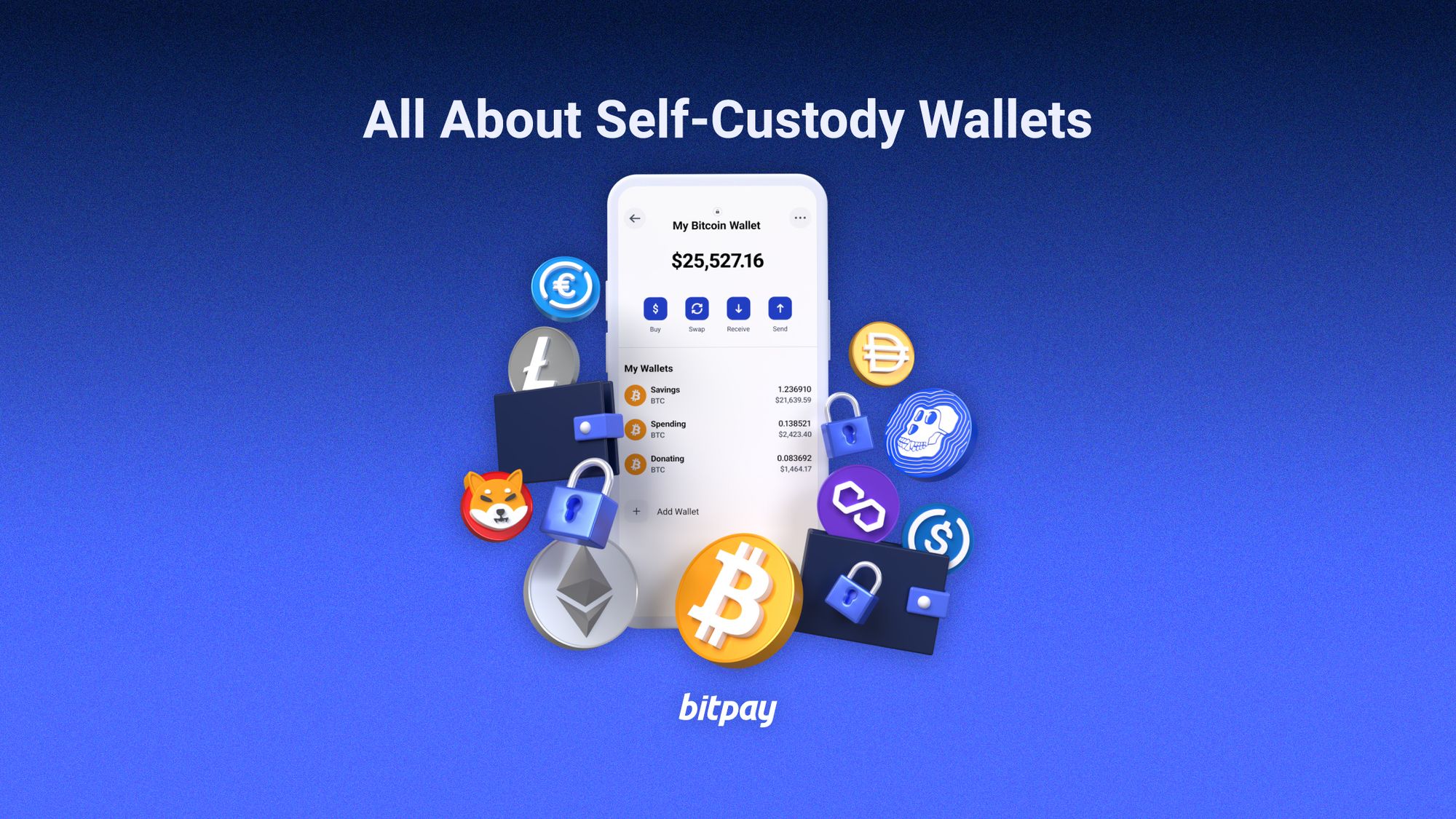
Never store your recovery phrase digitally. Screenshots, cloud notes, and email drafts are immediate targets for hackers. Write the 12 or 24 words on metal or high-quality paper and store them in a fireproof safe or a bank safety deposit box. Consider keeping a second copy in a separate secure location to protect against physical disasters like fire or flood.
Malware can alter the clipboard, pasting a hacker's address when you think you are sending to your own. Always copy the receiving address from your hardware wallet's physical screen, not your computer or phone. For outgoing transactions, verify the destination address displayed on the device matches what you intended. This simple check defeats most clipboard hijacking attacks.
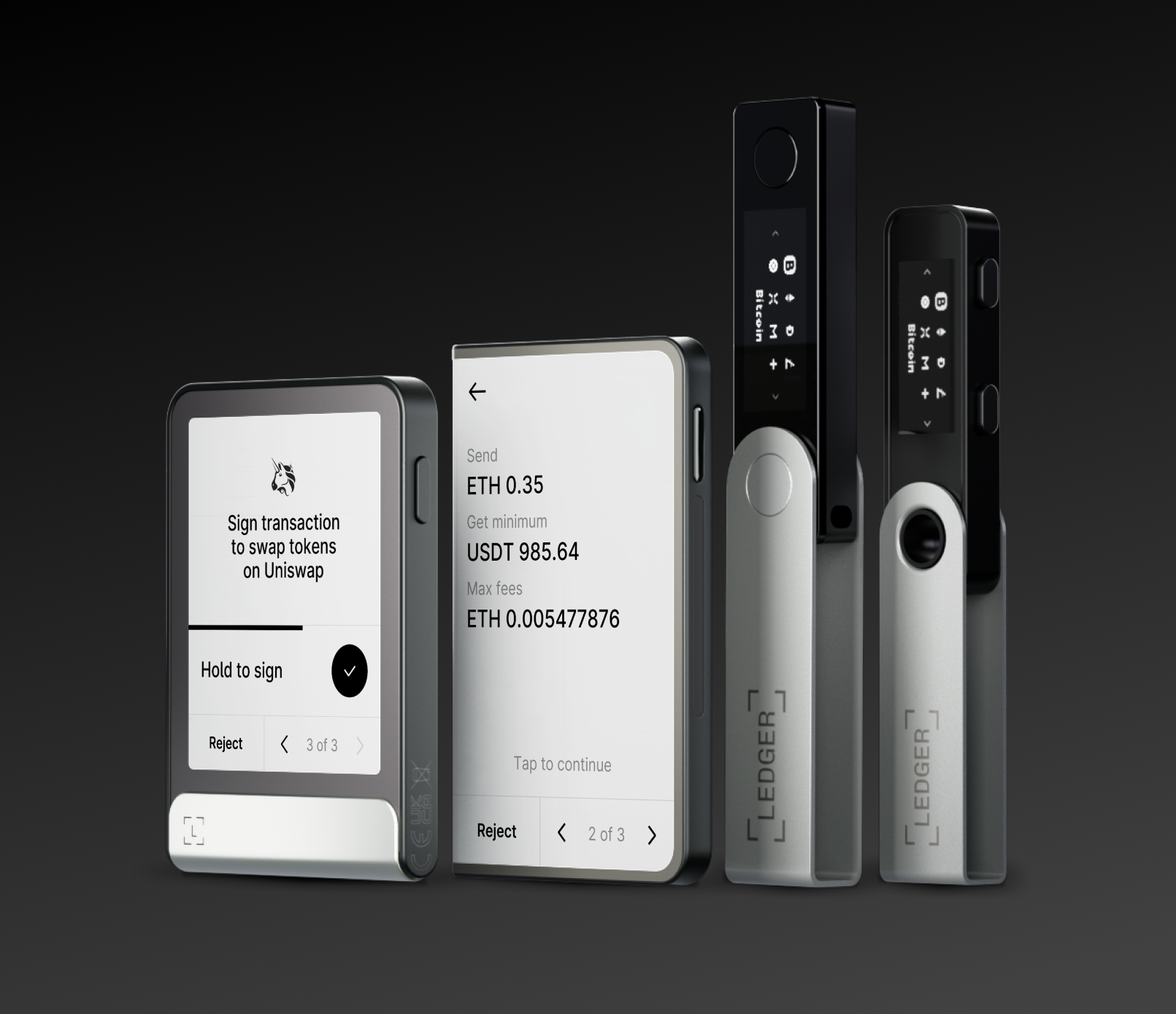
Manufacturers like Ledger and Trezor release firmware updates to patch security vulnerabilities. Always download these updates directly from the official vendor website or their dedicated desktop application. Avoid third-party download sites or links sent via email, which may contain malicious firmware designed to steal your keys.
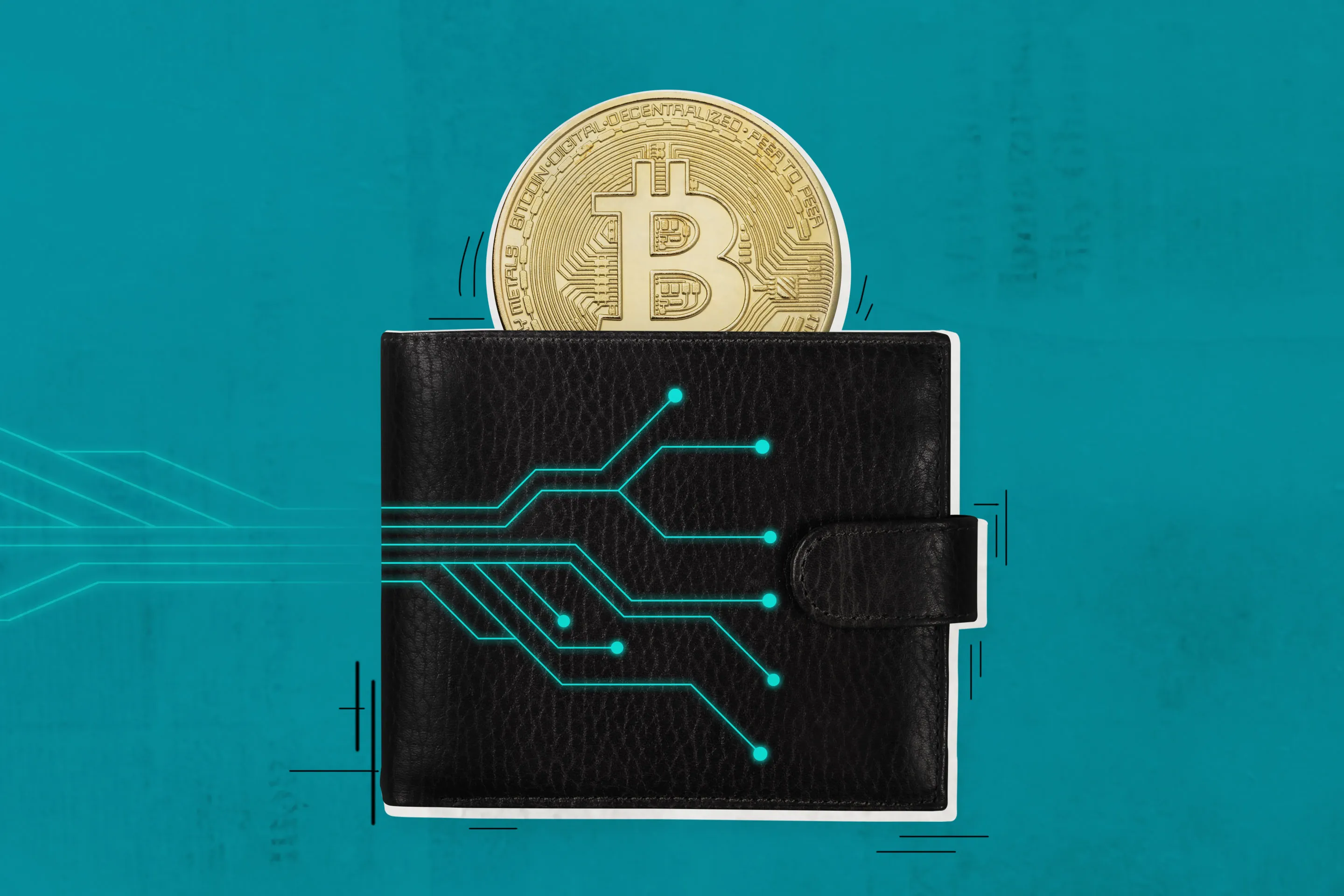
Scammers frequently impersonate support teams on Telegram, Discord, and X. No legitimate wallet provider will ever ask for your seed phrase or private key. If someone contacts you claiming to be support, block them immediately. Always navigate to official support pages manually rather than clicking links in direct messages.
Most modern wallets offer additional security layers beyond the seed phrase, such as PIN codes, biometric authentication, and password protection. Enable these features immediately after setup. For hardware wallets, set a unique PIN that is difficult to guess. For software wallets, use strong, unique passwords and enable two-factor authentication (2FA) wherever supported.
Frequently asked questions about crypto wallets
Is a hardware wallet safer than a software wallet? Hardware wallets like Ledger and Trezor keep your private keys offline, making them immune to remote hacking. Software wallets such as MetaMask are convenient for daily transactions but are constantly connected to the internet, increasing exposure to phishing and malware attacks. For large holdings, hardware wallets are the standard for security.
What happens if I lose my seed phrase? Your seed phrase (recovery phrase) is the only way to access your funds if you lose your device or forget your password. If it is lost or stolen, your funds are irretrievable. No customer support team, including those for Ledger or MetaMask, can recover your assets. Store it physically in a secure location like a safe.
Can I use one wallet for multiple blockchains? Yes, most modern wallets support multi-chain functionality. For example, MetaMask allows you to add networks like Ethereum, Polygon, and Arbitrum. Hardware wallets like Ledger also support Bitcoin, Ethereum, and many altcoins simultaneously. This eliminates the need to manage multiple apps for different assets.
Helpful gear
Use these product recommendations as a starting point, then choose the size, material, and price point that fit how you actually use the gear.
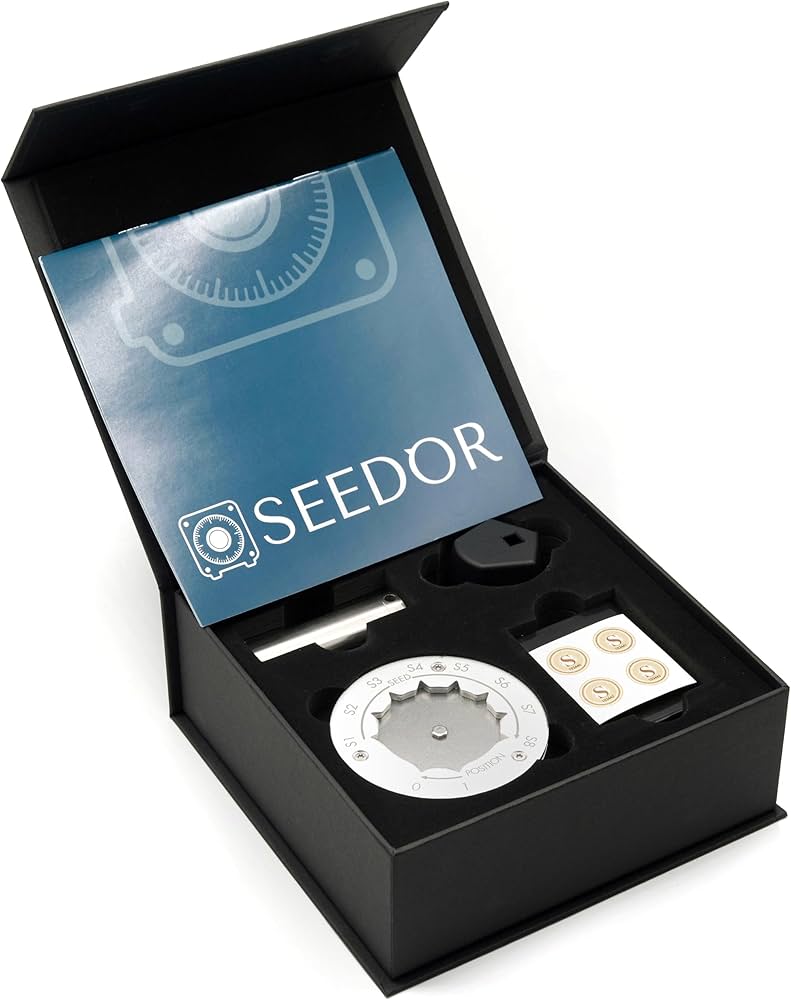
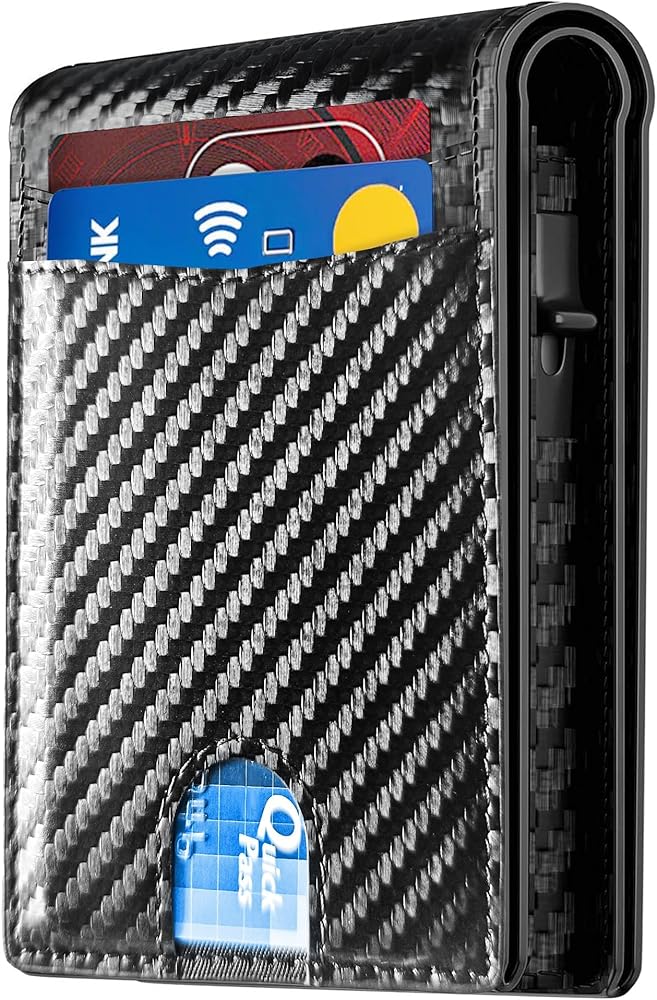
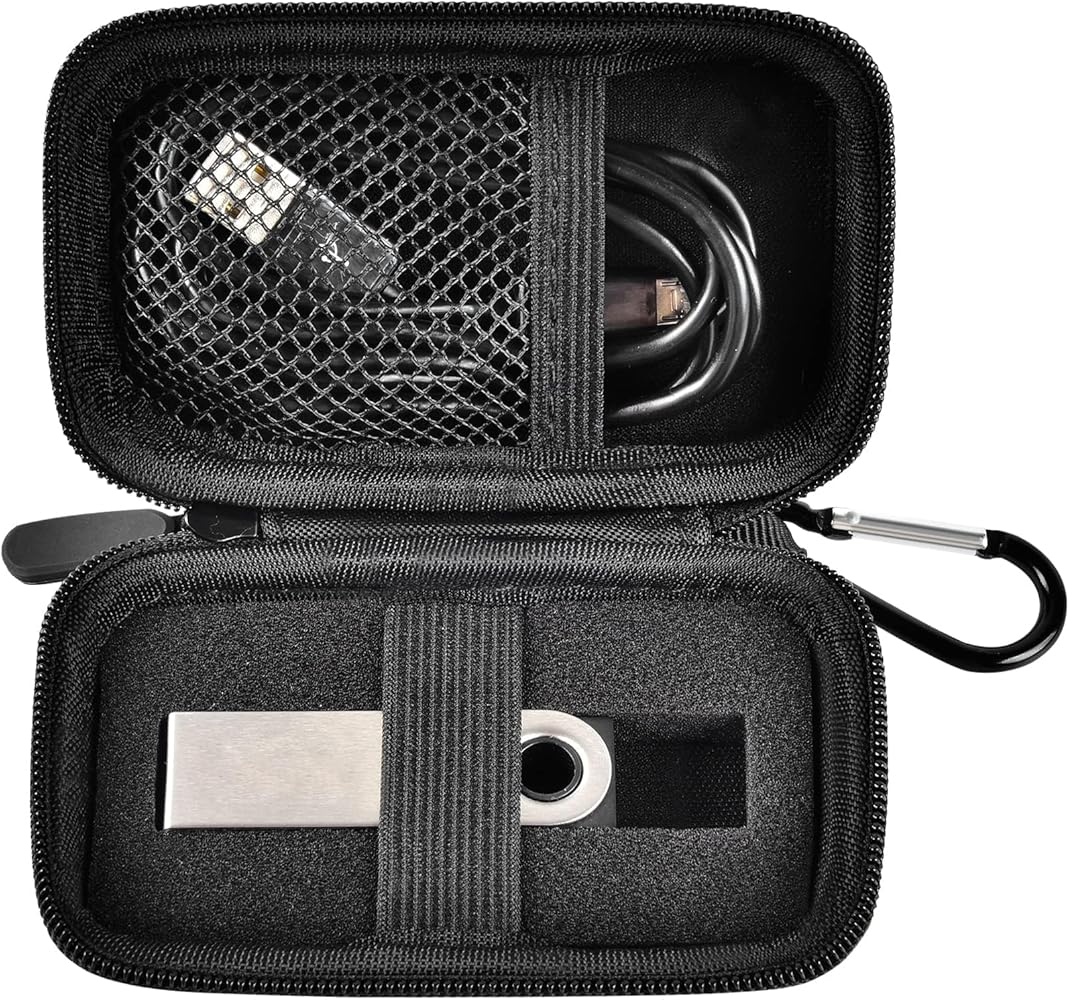
As an Amazon Associate, we may earn from qualifying purchases.
No comments yet. Be the first to share your thoughts!