
Crypto traders and investors have more choices than ever when it comes to safeguarding their digital assets in the Hyperliquid ecosystem. As of November 2025, two wallets stand out for those seeking the perfect balance between security and token support: Ledger and OKX Wallet. But how do these wallets stack up for managing HYPE and other tokens in Hyperliquid’s fast-evolving landscape? Let’s dive deep into the features, strengths, and unique quirks that set them apart.
Security Showdown: Hardware vs. Software Approaches
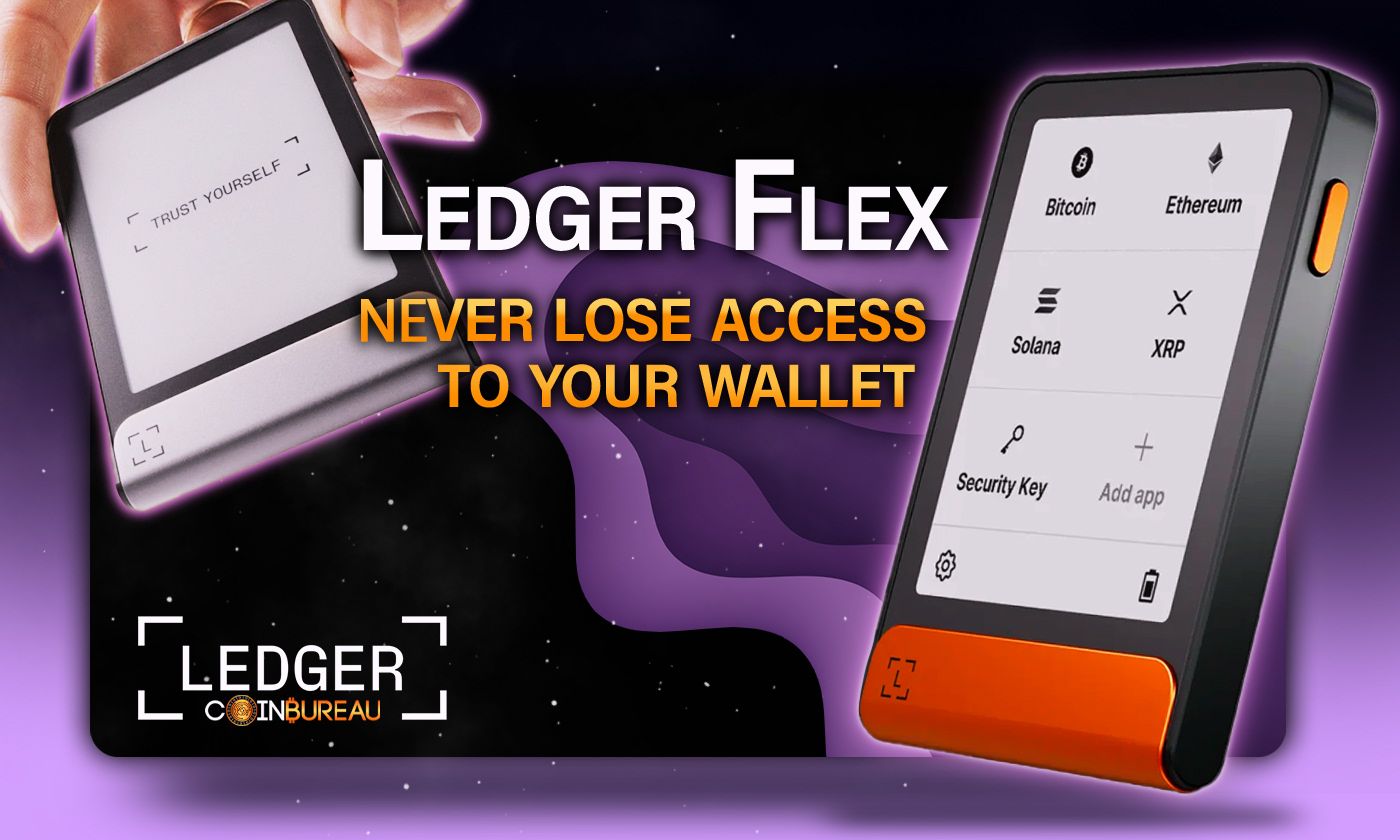
If you’re serious about protecting your crypto, security isn’t just a feature - it’s a non-negotiable. Ledger continues to dominate the conversation as a hardware wallet pioneer. Devices like the Nano X and Nano S Plus are built on Secure Element chips (EAL6 and certified), which keep your private keys locked away from prying eyes. The proprietary BOLOS operating system adds another layer of defense, ensuring even if your computer is compromised, your keys stay safe.
On the flip side, OKX Wallet has made impressive strides as a software-based solution. While it doesn’t offer cold storage like Ledger, OKX compensates with advanced features such as multi-factor authentication (MFA) and biometric verification for both mobile and desktop platforms. Their MEV protection is especially relevant for DeFi users on Hyperliquid - it helps guard against front-running attacks that can eat into your profits.
The choice often comes down to risk appetite and usage patterns. If you rarely move your HYPE tokens or plan to hold long-term, Ledger’s offline approach is tough to beat. But if you’re actively trading or interacting with dApps daily within Hyperliquid, OKX’s convenience may tip the scales.
Token Support: Who Wins on Flexibility?
The Hyperliquid ecosystem has exploded in 2025 - not just in TVL but also in diversity of supported tokens. Here’s where both wallets flex their strengths:
- Ledger: Supports more than 5,500 cryptocurrencies across multiple blockchains. This includes all major coins (BTC, ETH) plus ERC-20s and now native HYPE tokens via manual addition of HyperEVM through MetaMask or Rabby Wallet integration.
- OKX Wallet: Goes even broader with support for over 100,000 digital assets on 140 and chains - EVM-compatible or not. For power users who dabble across DeFi protocols or bridge assets between chains within Hyperliquid, this breadth is hard to ignore.
One caveat for Ledger users: direct native support for HYPE was only recently introduced; many still rely on third-party wallets like MetaMask as an interface while letting Ledger safeguard their keys underneath. OKX users enjoy native integration from day one - making swaps or staking within Hyperliquid seamless right from the app.
User Experience and Integration with Hyperliquid dApps
Navigating DeFi protocols can be intimidating for newcomers - but both Ledger and OKX have invested heavily in making onboarding smoother than ever in 2025.
Ledger’s workflow, especially when paired with MetaMask or Rabby Wallet, lets you interact with any dApp in the Hyperliquid ecosystem without exposing your private key online at any point. The trade-off? There are extra steps involved (installing bridges or custom networks), which some may find cumbersome during fast-paced trading sessions.
OKX Wallet, meanwhile, offers a genuinely plug-and-play experience. With deep integrations into most major DeFi platforms (including all top Hyperliquid dApps), users can swap tokens, provide liquidity, or vote on governance without leaving the app environment - no browser extensions required.
For many, the deciding factor is how often you plan to interact with Hyperliquid’s ecosystem. If you value speed and simplicity, OKX makes moving between tokens, dApps, and even blockchains feel nearly frictionless. However, those who prefer an extra layer of hardware-backed assurance may be willing to endure Ledger’s more involved process for the peace of mind it brings.
Which Wallet Is Best for HYPE and HyperEVM in 2025?
Let’s zero in on the core question: which wallet is better for holding and using HYPE or other HyperEVM tokens?
- Ledger is ideal if your main priority is security. By keeping your private keys offline, it minimizes exposure to malware or phishing risks. For long-term holders or those with significant balances, this hardware-first approach remains the gold standard.
- OKX Wallet shines for active DeFi users or anyone exploring new tokens as soon as they launch on Hyperliquid. Its native support for HYPE and instant access to emerging assets means you won’t miss out on opportunities due to wallet limitations.
It’s worth noting that both wallets are now regularly recommended by top crypto review sites as leading choices for the Hyperliquid ecosystem. Community sentiment also reflects this divide: some users swear by Ledger’s cold storage, while others praise OKX’s flexibility and rapid integration of new chains.
What About Fees, Recovery, and Future Updates?
Transaction fees are dictated by the Hyperliquid blockchain itself rather than the wallet you use. However, OKX Wallet does offer built-in fee optimization tools that can help save on gas during peak periods - a small but welcome perk for frequent traders. Ledger users will need to manually adjust fees through their paired software interface.
Backup and recovery procedures differ too: Ledger relies on a physical recovery phrase (write it down and store it safely), while OKX leverages encrypted cloud backups (with optional social recovery). Both methods are secure when used correctly - just be sure you understand your chosen method before committing significant funds.
The future looks bright for both wallets in terms of updates:
- Ledger has announced plans to add more direct integrations with emerging blockchains like HyperEVM, potentially removing the need for third-party bridges altogether.
- OKX Wallet continues to roll out rapid-fire support for new protocols and upgrade its security stack - including ongoing improvements in biometric authentication and phishing detection.
Final Take: Choosing Your Side in the Crypto Security vs Flexibility Debate
If your goal is ironclad security and you don’t mind a few extra steps to interact with DeFi apps or bridge assets within Hyperliquid, Ledger remains unmatched as a vault-like solution. You’ll sleep easier knowing your keys never touch an internet-connected device.
If you’re an explorer at heart - chasing new tokens, engaging in liquidity mining, or voting on governance proposals within seconds of launch - OKX Wallet offers a nimble alternative that won’t slow you down. Its blend of user-friendly design and broad token support makes it a favorite among power users who value convenience without sacrificing baseline security.
No matter which path you choose, staying informed about updates from both projects will help ensure your assets remain secure as the Hyperliquid ecosystem continues its rapid evolution into 2026. Smart investing is all about perspective - pick what fits your style best!



No comments yet. Be the first to share your thoughts!