Crypto users are demanding more from their wallets in 2025. With the proliferation of blockchains and the rise of cross-chain activity, seamless interoperability is no longer a luxury - it’s a necessity. Rabby Wallet’s latest integration with the XRPL EVM chain, powered by Peersyst, is a significant leap forward for multi-chain crypto wallets. This move brings Ethereum Virtual Machine (EVM) compatibility to the XRP Ledger ecosystem, allowing users to interact with both Ethereum and XRPL assets in a single, unified interface.
XRPL EVM Integration: Why It Matters Now
The Rabby Wallet XRPL EVM integration comes at a time when XRP is trading at $3.12, reflecting renewed market interest in the network’s utility and growth potential. By bridging the gap between Ethereum’s expansive smart contract environment and XRPL’s high-speed, low-fee transactions, this update positions Rabby as a premier choice for users seeking robust multi-chain crypto wallets.
This integration means you can now manage your ETH-based tokens and native XRP assets side by side, without juggling multiple browser extensions or apps. The wallet’s chain-aware design detects which network you’re interacting with and auto-adjusts settings accordingly - reducing user error and transaction friction.
How Rabby Wallet Stands Out Among Multi-Chain Options
Let’s put this in context: most multi-chain wallets tout support for several blockchains but often fall short on true interoperability or ease of use. Rabby Wallet distinguishes itself in several critical ways:
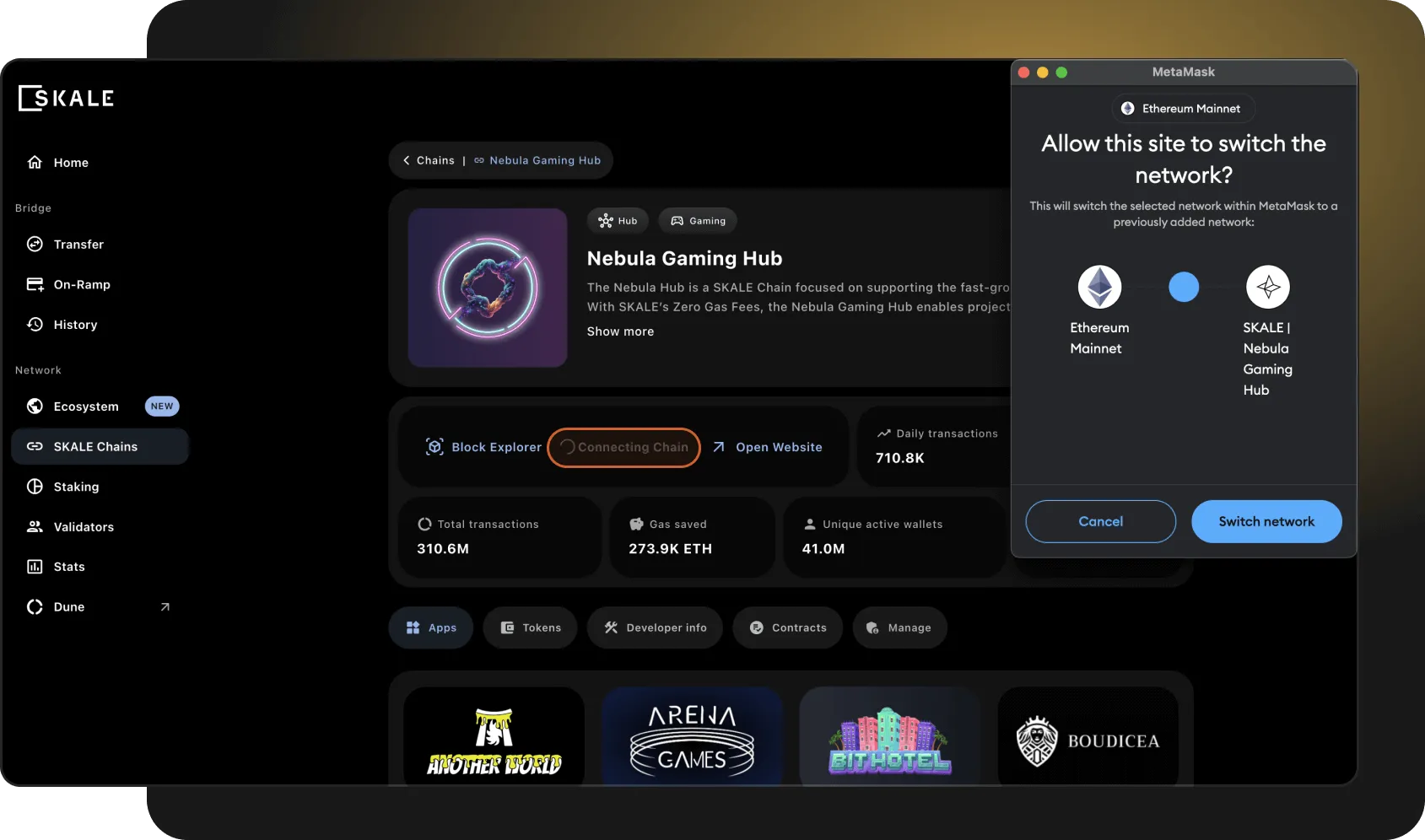
- Smart network auto-detection: Instantly recognizes which blockchain you’re using and adapts signing prompts accordingly.
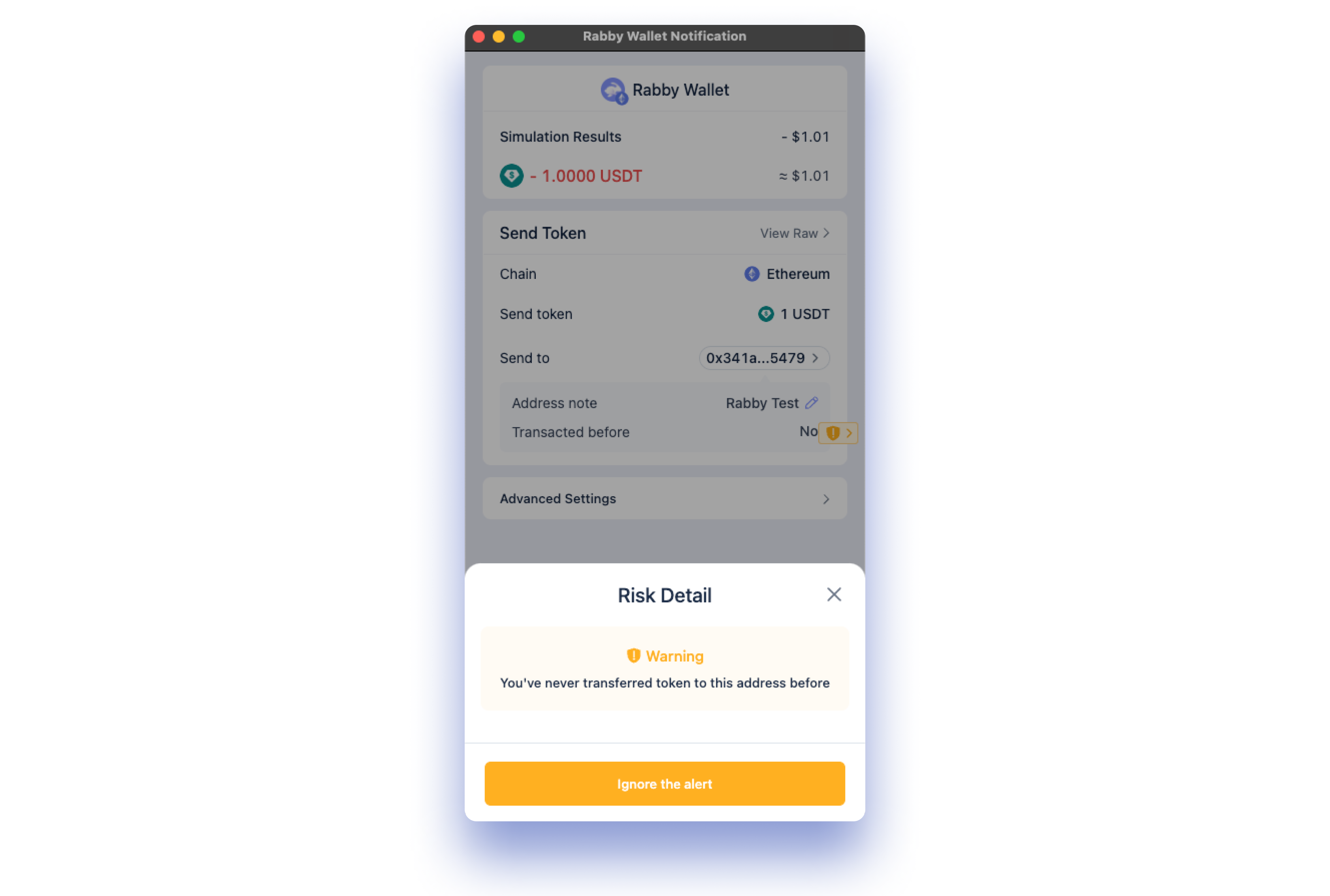
- Advanced signing controls: Offers granular control over transaction approvals, including simulation features to preview what will happen before you sign.
- Unified portfolio tracking: View balances across all EVM chains plus XRPL assets in one dashboard.
- Security engine: Proactively flags risky transactions and potential phishing attempts before they impact your funds.
- Bridge support via LI. FI: Move assets across chains effortlessly using integrated bridge technology (source).
This level of sophistication places Rabby at the forefront of cross-chain wallet innovation, especially for those who want to leverage both Ethereum dApps and emerging XRPL EVM protocols.
User Experience: What Changes With XRPL EVM Support?
The addition of XRPL EVM support fundamentally broadens what you can do within your wallet. Instead of being siloed into either an Ethereum or XRP Ledger experience, you get both worlds - with no compromise on speed or security. For example:
- Easily swap between ETH-based DeFi platforms and upcoming XRPL dApps without switching wallets.
- Monitor your entire multi-chain portfolio (including NFTs) from one interface.
- Take advantage of lower fees on XRPL while still accessing Ethereum's DeFi ecosystem.
This eliminates redundant steps for power users while making onboarding dramatically simpler for newcomers exploring cross-chain opportunities.
XRP Price Prediction 2026-2031
Professional outlook based on $3.12 price baseline and Rabby Wallet's XRPL EVM integration
| Year | Minimum Price (Bearish) | Average Price | Maximum Price (Bullish) | Potential % Change (Avg) |
|---|---|---|---|---|
| 2026 | $2.60 | $3.35 | $4.20 | +7.4% |
| 2027 | $2.90 | $3.80 | $5.10 | +21.8% |
| 2028 | $3.10 | $4.40 | $6.25 | +41.0% |
| 2029 | $3.50 | $5.20 | $7.60 | +66.7% |
| 2030 | $3.90 | $6.05 | $9.10 | +94.0% |
| 2031 | $4.20 | $7.10 | $11.20 | +127.6% |
Price Prediction Summary
XRP's price outlook is cautiously optimistic, with average prices projected to climb steadily from $3.35 in 2026 to $7.10 by 2031, representing a 127.6% increase over six years. The integration of XRPL EVM by Rabby Wallet and expanding multi-chain interoperability are key catalysts, though market volatility and regulatory shifts may cause significant year-to-year fluctuations. Bullish scenarios could see XRP testing double digits by 2031, while bearish cases may see consolidation or slower growth.
Key Factors Affecting XRP Price
- XRPL EVM integration broadens XRP's DeFi and smart contract use cases, encouraging more adoption.
- Rabby Wallet's support for multi-chain and EVM-compatible networks enhances XRP's accessibility and utility.
- Regulatory clarity or restrictions could significantly impact XRP's price trajectory, especially in the US and EU.
- Broader crypto market cycles (bull/bear) will influence sentiment and capital inflows.
- Ongoing competition from other smart contract platforms (e.g., Ethereum, Solana, Cardano) may limit upside.
- Network upgrades, new partnerships, and increased institutional adoption could accelerate growth.
- Macroeconomic factors, such as global interest rates and risk appetite, will continue to affect crypto valuations.
Disclaimer: Cryptocurrency price predictions are speculative and based on current market analysis. Actual prices may vary significantly due to market volatility, regulatory changes, and other factors. Always do your own research before making investment decisions.
The Market Context: Why Interoperability Is Winning in 2025
XRP’s current price action - holding steady at $3.12 - underlines growing confidence in projects that enhance real-world utility through interoperability. As more DeFi protocols launch on both Ethereum and now the XRPL EVM chain, demand for flexible wallet solutions like Rabby is expected to surge. Competing products may offer partial multi-chain functionality but often lack true chain abstraction or unified balance views.
Rabby Wallet’s approach is uniquely data-driven, addressing the critical gaps that many so-called multi-chain wallets leave open. With the XRPL EVM integration, Rabby doesn’t just add another network for the sake of a longer list. Instead, it delivers a practical, frictionless experience that reflects how modern crypto portfolios are actually managed: across assets, protocols, and blockchains.
Feature Deep Dive: What Sets Rabby’s Cross-Chain Tools Apart?
When evaluating cross-chain wallet features, it helps to break down what users actually gain from this new integration. Here’s where Rabby shines in real-world scenarios:
Rabby Wallet vs. Typical Multi-Chain Wallets: Cross-Chain Feature Comparison
- XRPL EVM Integration: Rabby Wallet uniquely integrates the XRPL EVM chain via Peersyst, allowing users to access both Ethereum and the XRP Ledger with EVM compatibility. Most multi-chain wallets do not natively support XRPL EVM, limiting seamless interaction with XRP-based assets. (Current XRP price: $3.12)
- Smart Network Auto-Detection: Rabby Wallet offers automatic network detection for EVM-compatible chains, reducing manual errors and streamlining user experience. In contrast, many typical multi-chain wallets require manual network switching and configuration.
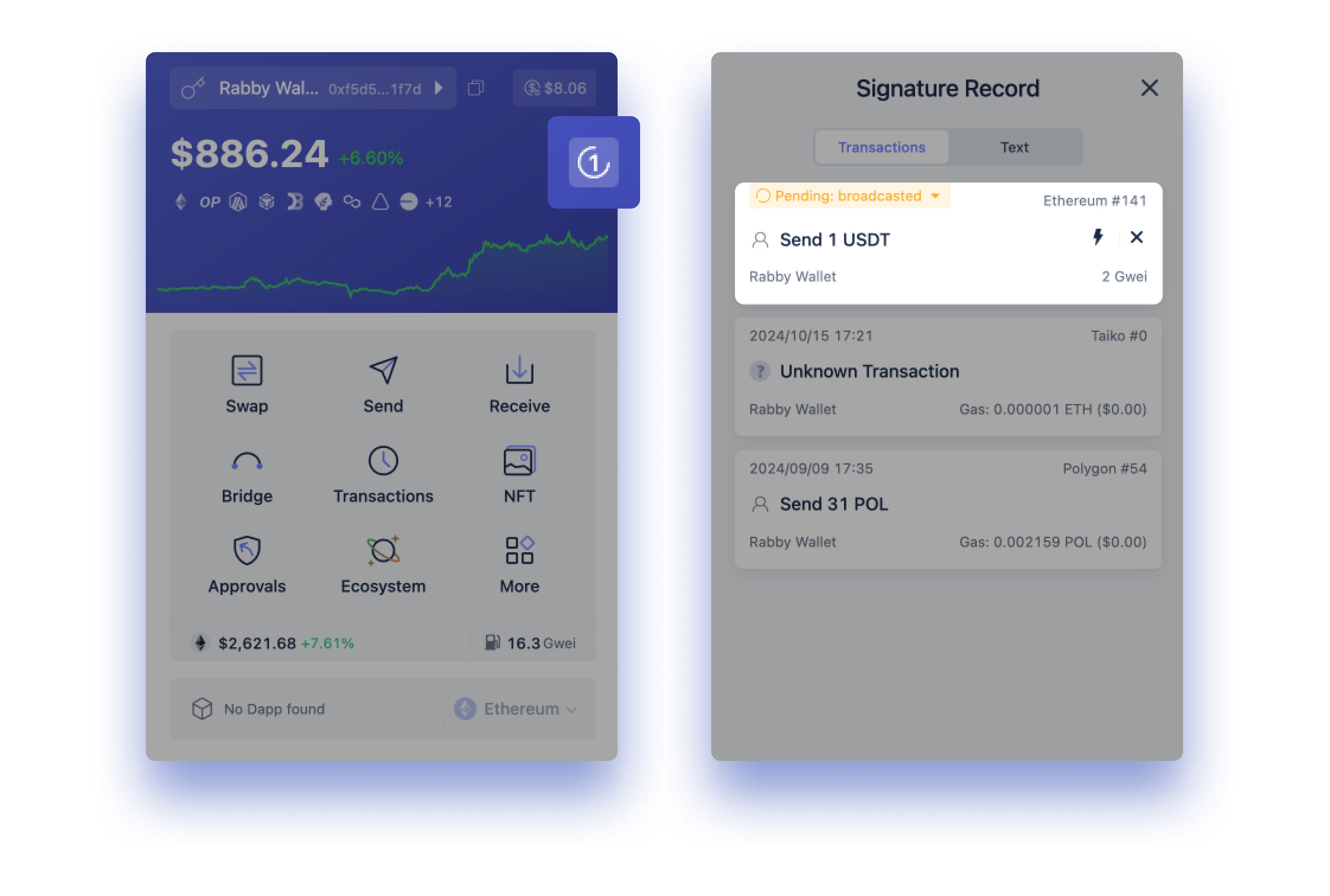
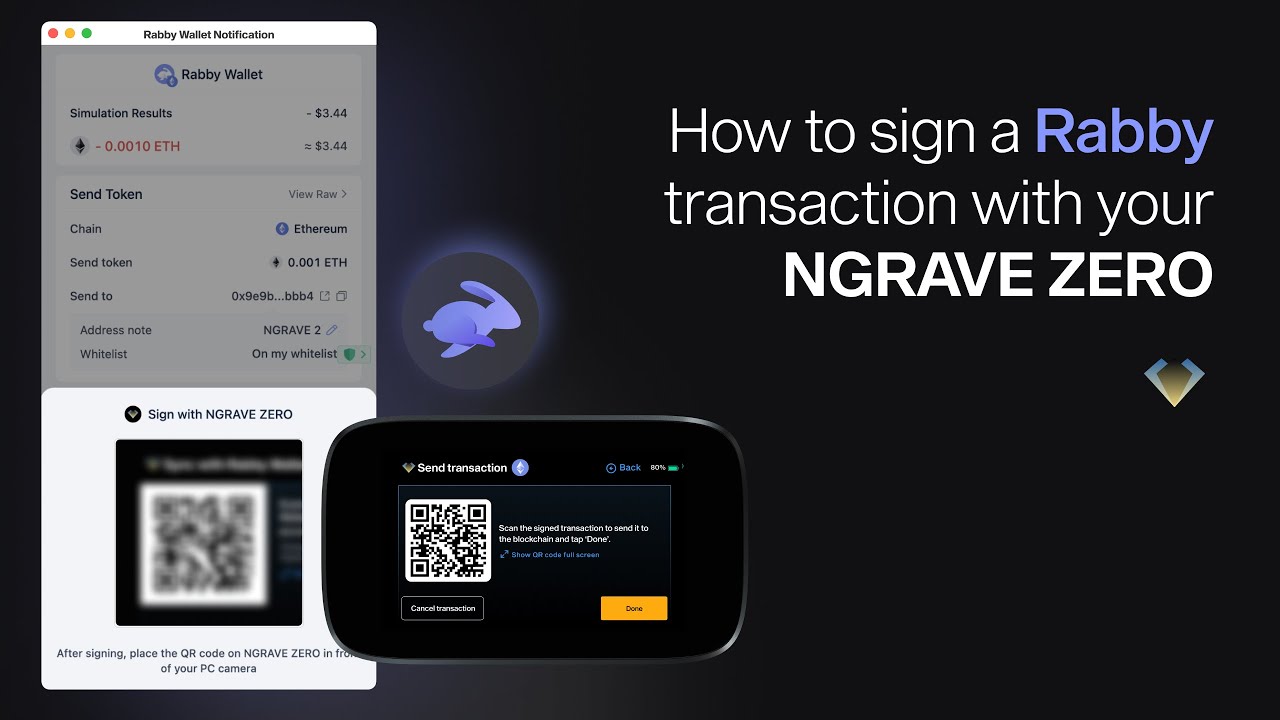
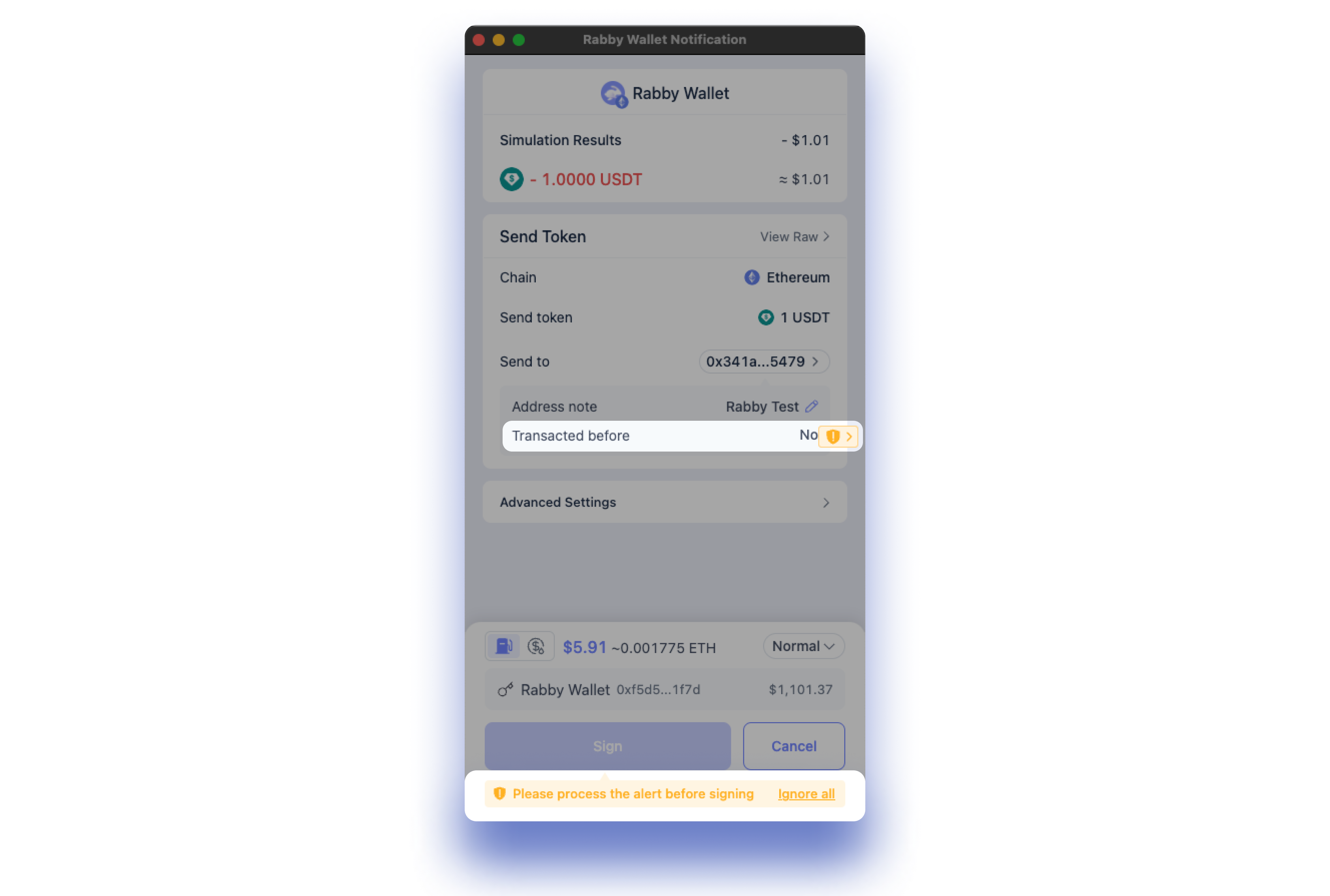
- Advanced Signing Controls: With granular transaction signing and simulation, Rabby Wallet enhances security by previewing transaction outcomes before approval. Most standard multi-chain wallets offer basic signing without detailed simulation, increasing risk of user error.
- Cross-Chain Bridge Integration: Rabby Wallet integrates LI.FI to facilitate bridge transactions across multiple chains directly within the wallet. While some multi-chain wallets support bridging, few offer built-in, unified interfaces for cross-chain swaps.
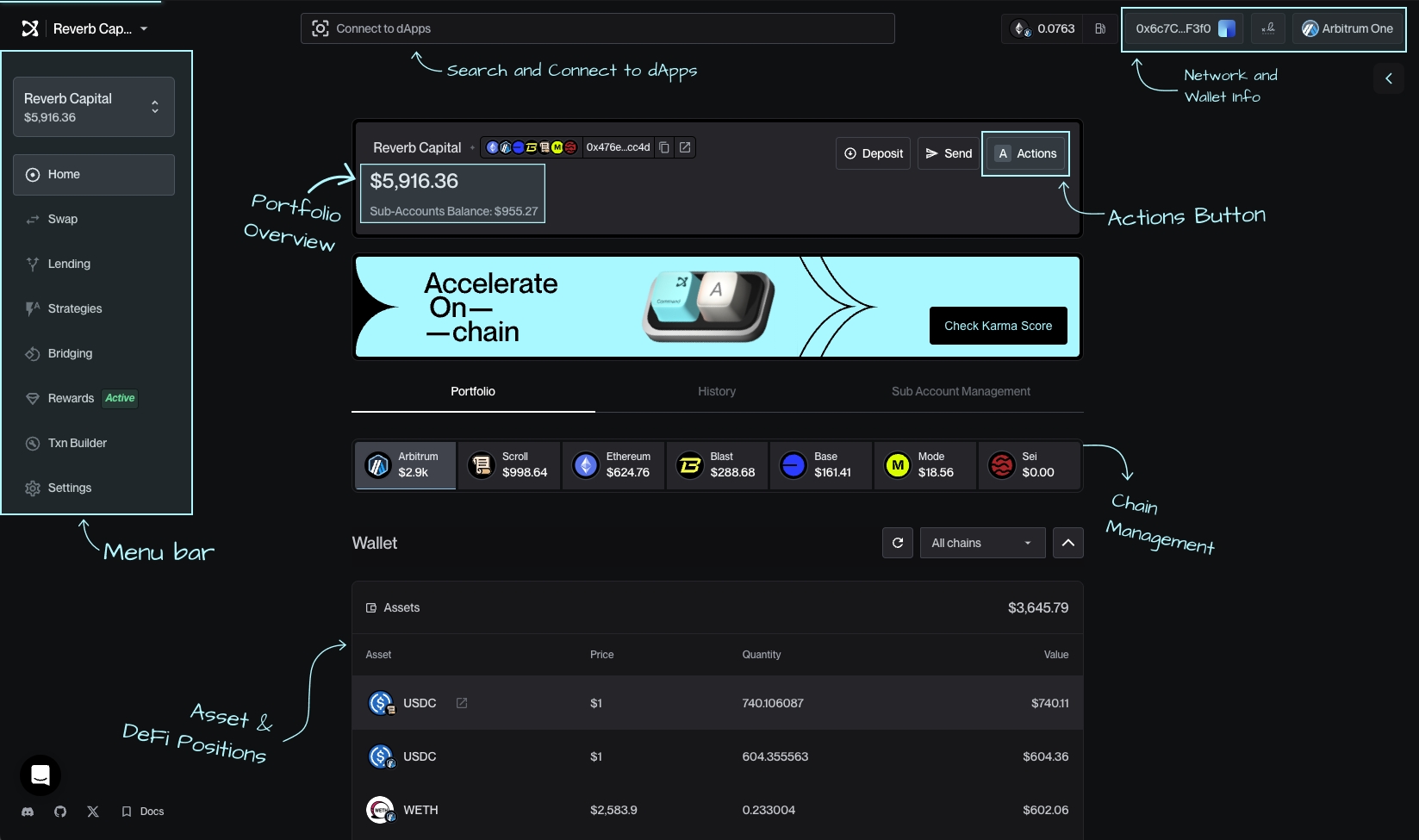
- Comprehensive Portfolio Tracking: Rabby Wallet provides unified portfolio views across all supported EVM chains and the XRPL EVM, allowing users to monitor assets in one place. Typical multi-chain wallets often have fragmented or less detailed portfolio tracking.
Chain-aware transaction simulation means you can preview every move, whether it’s an EVM smart contract interaction or an XRPL payment, before signing. This reduces costly mistakes and builds user confidence. The security engine is not just a marketing bullet point; it actively scans for suspicious contract code and phishing attempts on both networks.
Integrated bridge support via LI. FI is another game-changer. Instead of sending assets to centralized exchanges or relying on risky third-party bridges, users can initiate cross-chain transfers directly within the wallet interface, streamlining workflows and reducing exposure to bad actors (source).
How Does This Impact Ethereum XRP Wallet Comparison?
The line between an “Ethereum wallet” and an “XRP wallet” has blurred significantly with this update. Now, the more relevant comparison is between wallets that offer true chain abstraction versus those that simply support multiple chains in isolation. Rabby’s unified dashboard, robust signing controls, and seamless bridging capabilities position it ahead of most competitors in this respect.
Looking Ahead: Multi-Chain User Behavior and Ecosystem Growth
The timing of this integration matters. As XRP trades at $3.12, ecosystem participants are looking for ways to maximize capital efficiency across both established and emerging DeFi environments. Early data suggests that users who adopt wallets with deep interoperability transact more frequently and are more likely to explore new dApps as they launch on hybrid networks like XRPL EVM.
This trend is likely to accelerate as more projects migrate or expand onto EVM-compatible chains, meaning your choice of wallet will directly impact your ability to participate in new opportunities without unnecessary friction or risk.
Final Thoughts: Is Rabby Wallet Right for Your Multi-Chain Strategy?
If you’re seeking a wallet that can keep pace with the realities of 2025’s cross-chain crypto landscape, including live support for both Ethereum dApps and XRPL EVM protocols, Rabby Wallet now stands out as a best-in-class option. Its focus on security, usability, and genuine chain abstraction makes it especially compelling as DeFi becomes less siloed by network boundaries.
The bottom line: As XRP maintains its position at $3.12, wallets like Rabby that enable seamless asset management across major ecosystems will be increasingly indispensable, not just for advanced traders but for anyone serious about maximizing their crypto experience.




No comments yet. Be the first to share your thoughts!