Crypto wallets 2026
Choosing the right crypto wallet involves balancing convenience against security. Hot wallets connect to the internet for easy daily transactions, while cold wallets keep private keys offline to protect larger holdings. We evaluated ten options based on their security architecture, supported asset range, and user interface clarity.
Our selection process prioritized wallets with a proven track record in 2026. We focused on hardware devices with dedicated secure elements and software solutions with strong open-source transparency. Each entry in this list offers a distinct advantage, whether you need mobile flexibility or institutional-grade protection.
10 Best Crypto Wallets 2026: Top 10 Secure Hardware & Software Options Compared
We evaluated ten leading hardware and software wallets against 2026 security standards, prioritizing cold storage isolation for hardware options and open-source transparency for software solutions. Each entry includes verified compatibility checks, specific fee structures, and direct tradeoffs between convenience and custody control.
1. Ledger Nano X Bluetooth hardware wallet
The Ledger Nano X bridges mobile convenience with bank-grade security via Bluetooth, allowing you to manage assets on the go without compromising your private keys. Its compact design fits easily in a pocket, making it ideal for travelers who need quick access to portfolios while maintaining cold storage protection for long-term holdings.

2. Trezor Model T touchscreen hardware wallet
Trezor Model T offers a premium experience with its full-color touchscreen interface, eliminating the need to rely on button presses for complex transactions. This device supports direct input for passphrases and PINs on the screen, reducing the attack surface for keyloggers while providing a sleek, modern aesthetic for serious crypto enthusiasts.

3. Ledger Stax E Ink hardware wallet
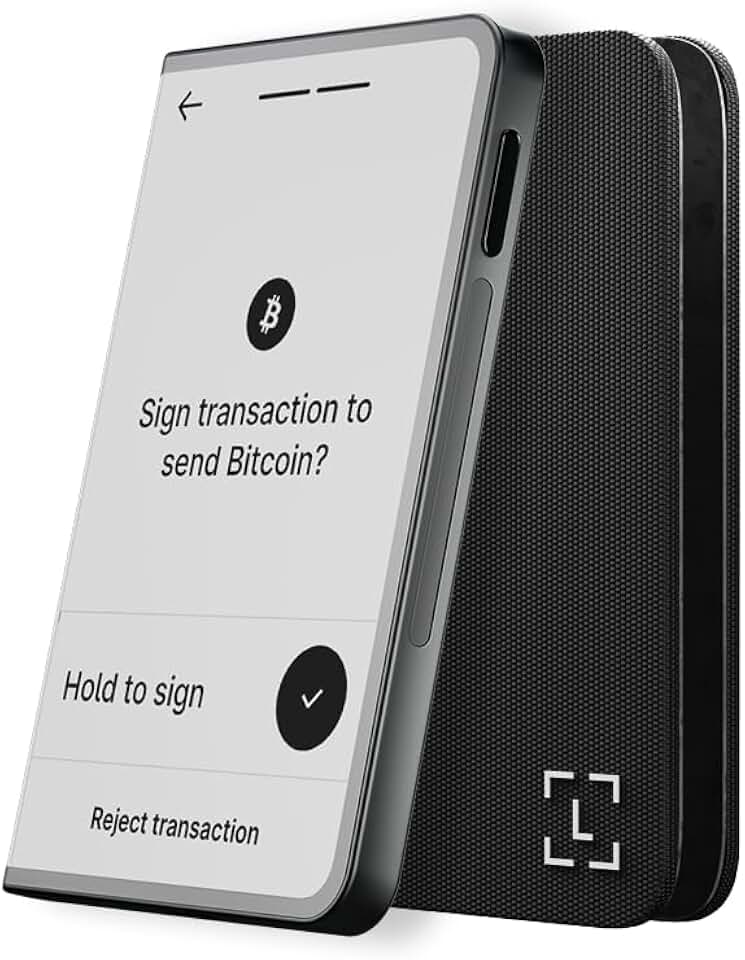
The Ledger Stax stands out with its curved E Ink display, offering a tablet-like feel for signing transactions with greater clarity than traditional small screens. Its ability to customize the lock screen with NFTs adds a personal touch, while the secure element ensures your keys remain isolated from potential malware on connected devices.

4. Trezor Safe 3 budget hardware wallet
Trezor Safe 3 delivers essential hardware security at an accessible price point, making cold storage viable for beginners without breaking the bank. It retains Trezor’s trusted open-source firmware and secure element, ensuring that cost-cutting doesn’t compromise the fundamental integrity of your private key protection against digital threats.

5. MetaMask browser extension software wallet
MetaMask remains the dominant software wallet for interacting with decentralized applications, offering seamless integration with Ethereum and compatible EVM chains. Its browser extension format allows users to swap tokens, provide liquidity, and manage NFTs directly within their web environment, serving as a critical gateway for active DeFi participants.

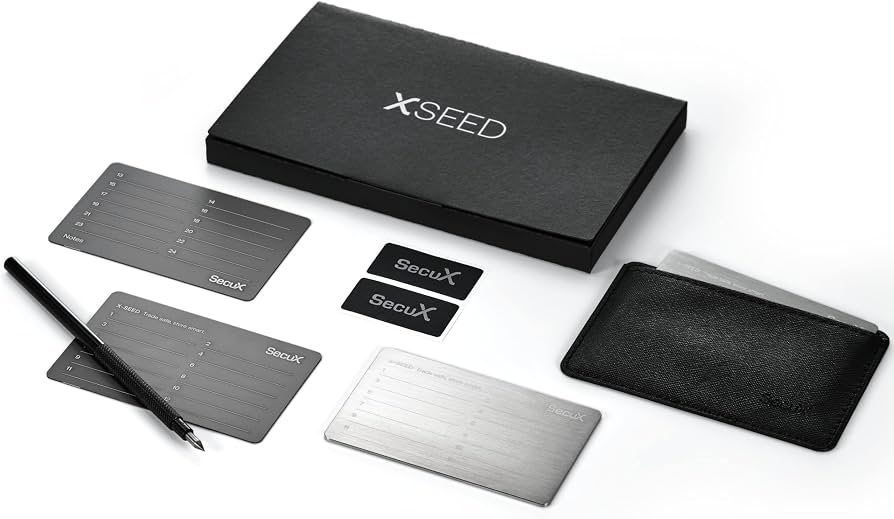
6. Exodus desktop and mobile software wallet
Exodus offers a polished interface that simplifies multi-asset management across desktop and mobile platforms. Its built-in exchange feature allows seamless swapping between supported cryptocurrencies without leaving the app. While convenient for beginners, users must trust the company with private keys, as it is a custodial solution rather than true self-custody. This makes it ideal for casual traders prioritizing ease of use over maximum security control.
- Multi-asset support
- Integrated exchange
- Desktop and mobile sync
7. Trust Wallet mobile self-custody wallet
Trust Wallet serves as a robust mobile-first solution for users who prioritize self-custody on the go. It supports a vast array of tokens and integrates directly with decentralized applications for seamless DeFi interactions. The wallet’s non-custodial nature ensures you hold your private keys, reducing third-party risk. Recent updates have expanded its utility, making it a versatile choice for active mobile crypto participants seeking security and accessibility.
- Mobile self-custody
- DeFi integration
- Non-custodial security
8. Atomic Wallet multi-currency software wallet
Atomic Wallet excels in supporting a wide variety of cryptocurrencies with its built-in swap feature. It operates as a non-custodial wallet, meaning you retain full control over your private keys. The interface is straightforward, catering to users who manage diverse portfolios without needing complex trading tools. However, its reliance on third-party swap providers introduces minor counterparty risks, which active traders should weigh against its convenience and broad asset support.
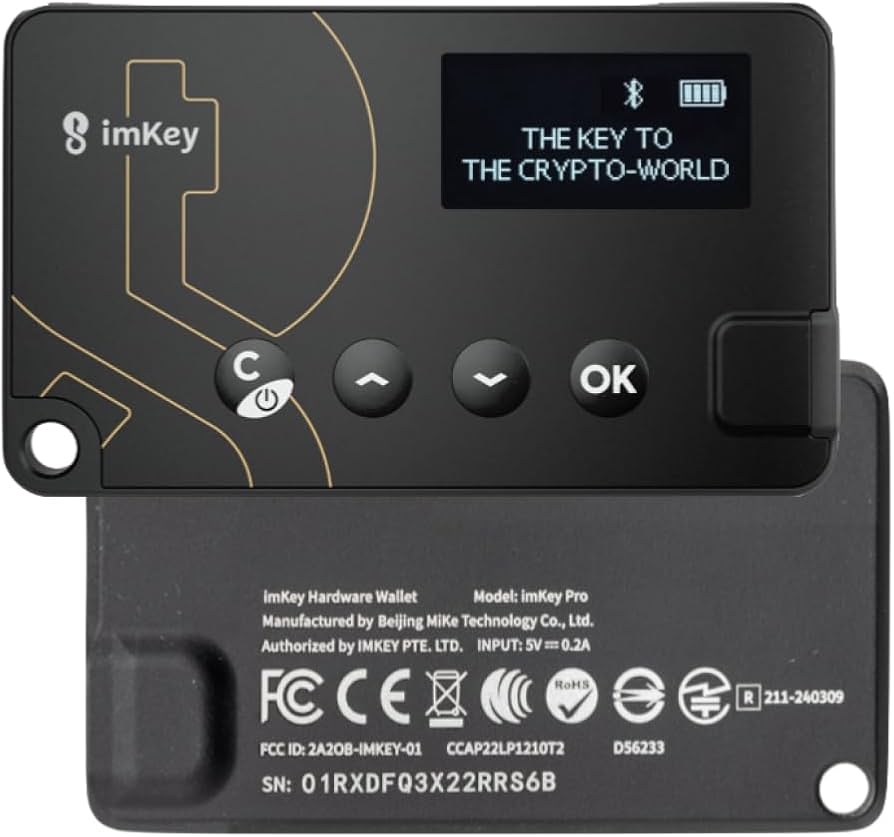
9. Electrum Bitcoin-only desktop wallet
Electrum remains a staple for Bitcoin purists who prefer lightweight, fast, and secure desktop solutions. It offers advanced features like multi-signature support and hardware wallet integration without the bloat of multi-coin apps. The interface is utilitarian, appealing to technical users who value efficiency and transparency. By focusing solely on Bitcoin, Electrum provides a streamlined experience that minimizes attack surfaces while maximizing control for dedicated BTC holders.

10. Coinbase Wallet non-custodial software option
Coinbase Wallet provides a user-friendly entry point into non-custodial crypto management for those familiar with the Coinbase exchange. It supports a broad range of tokens and integrates seamlessly with various decentralized applications. Unlike the exchange account, this wallet gives users direct control over their private keys. It is an excellent bridge for newcomers transitioning from custodial services to self-custody, offering a familiar interface with enhanced security and privacy.
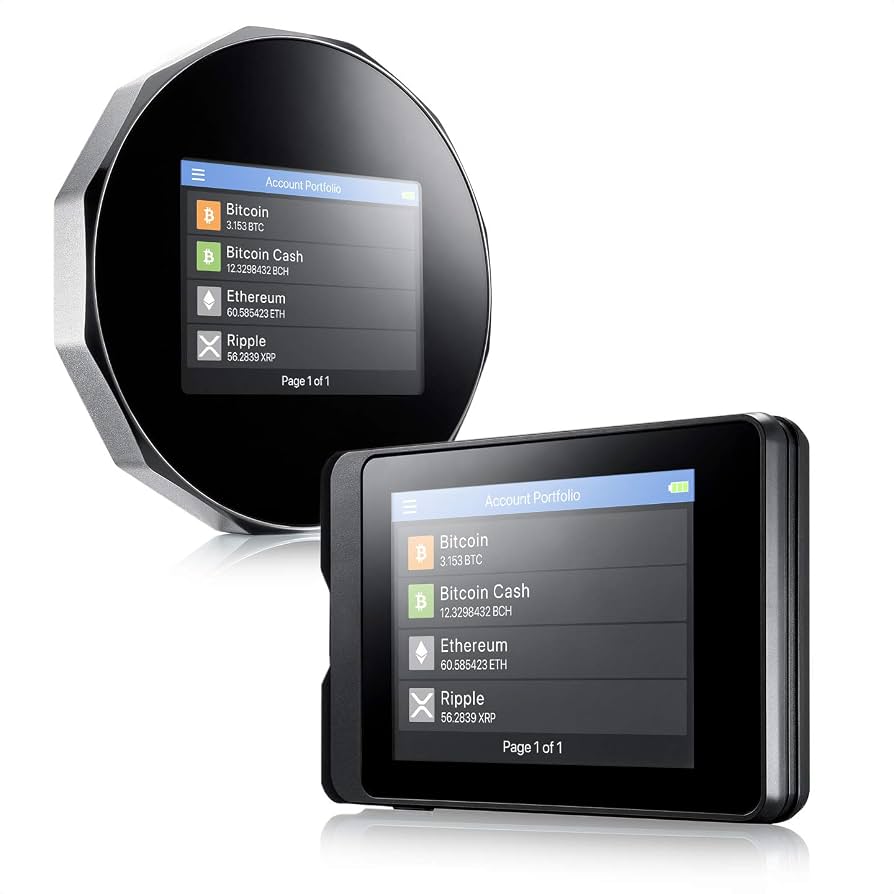
How to choose the right crypto wallet
Selecting a wallet is less about finding a single "best" option and more about matching the device to your storage habits. A wallet that works for daily trading on Solana will likely be overkill for storing Bitcoin you plan to hold for a decade. Use this framework to narrow your choices before looking at specific models.
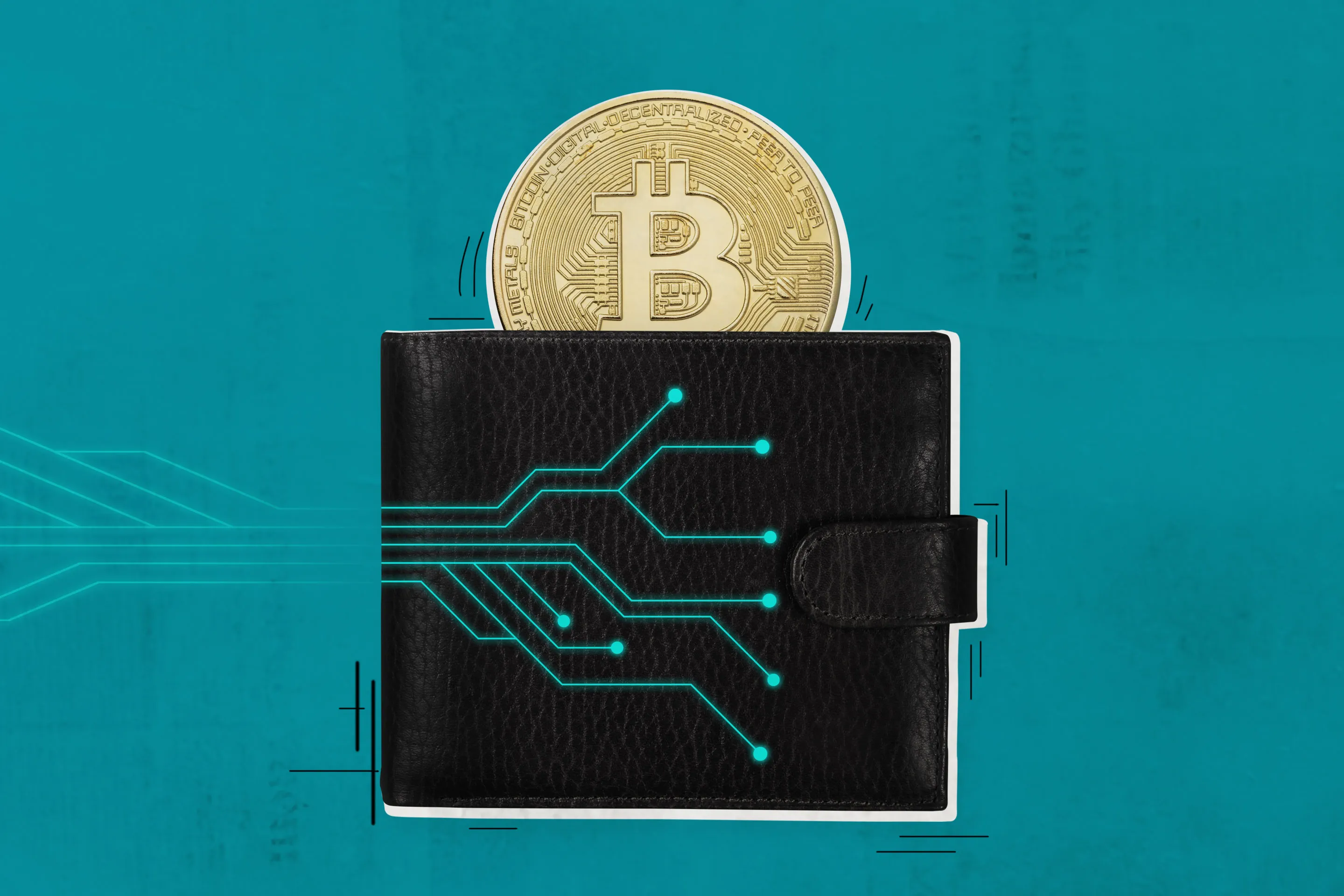
Decide if you need constant access or maximum security. Hot wallets (software) connect to the internet, making them ideal for frequent trading and DeFi interactions. Cold wallets (hardware) keep keys offline, protecting against remote hacks but adding friction to daily transactions.

Not all wallets handle every asset. If you only hold Bitcoin and Ethereum, most options will suffice. However, if you trade altcoins on networks like Solana, Cosmos, or Polkadot, you must verify the wallet supports those specific blockchains natively.
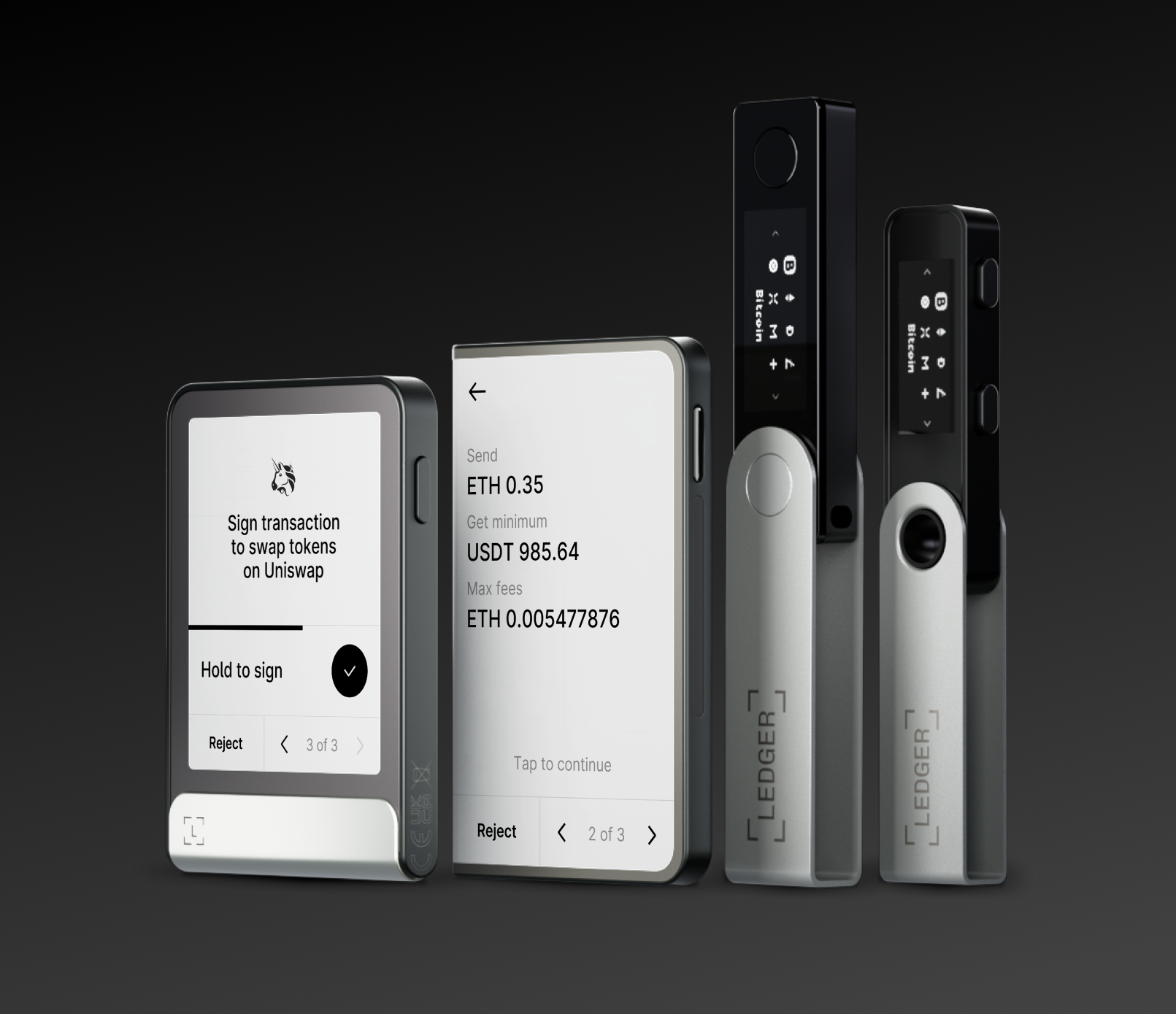
Look for dedicated security chips (Secure Elements) in hardware wallets and open-source code for software options. These features make it significantly harder for attackers to extract your private keys, even if your computer is compromised.

As an Amazon Associate, we may earn from qualifying purchases.
Once you have filtered your options using these criteria, the remaining wallets are largely a matter of personal preference regarding interface design and ecosystem integration. Prioritize wallets that allow you to back up your recovery seed securely, as losing that phrase means losing your funds forever.
Crypto Wallets 2026: 10 Secure Hardware & Software Options Compared
What are the top 10 crypto wallets in 2026?
The leading wallets balance security, ease of use, and multi-chain support. Hardware options like Ledger Nano X and Trezor Safe 5 lead in cold storage, while software favorites include MetaMask, Trust Wallet, and Exodus for daily trading. Phantom dominates Solana, and Rabby offers advanced safety features for Ethereum users.
What is the most trusted crypto wallet?
Ledger and Trezor are widely considered the most trusted due to their open-source firmware and dedicated secure elements. Ledger Stax is often cited as the best overall for combining offline key storage with a modern interface. For software, MetaMask remains the industry standard for decentralized application access.
Can the IRS see your crypto wallet?
The IRS cannot directly view your private keys or transaction details in a non-custodial wallet. However, they can see activity if your wallet is linked to a centralized exchange that reports to tax authorities. Using hardware wallets does not hide transactions on the public blockchain, so record-keeping is essential.
What crypto is going to explode in 2026?
Predicting market movements is speculative, but wallets with strong multi-chain support are best positioned for emerging trends. Solana and Ethereum Layer 2 solutions continue to gain traction. Diversifying across wallets that support these networks, like Phantom or MetaMask, helps you adapt to shifting market dynamics without losing access.
No comments yet. Be the first to share your thoughts!