Crypto wallets 2026 budget
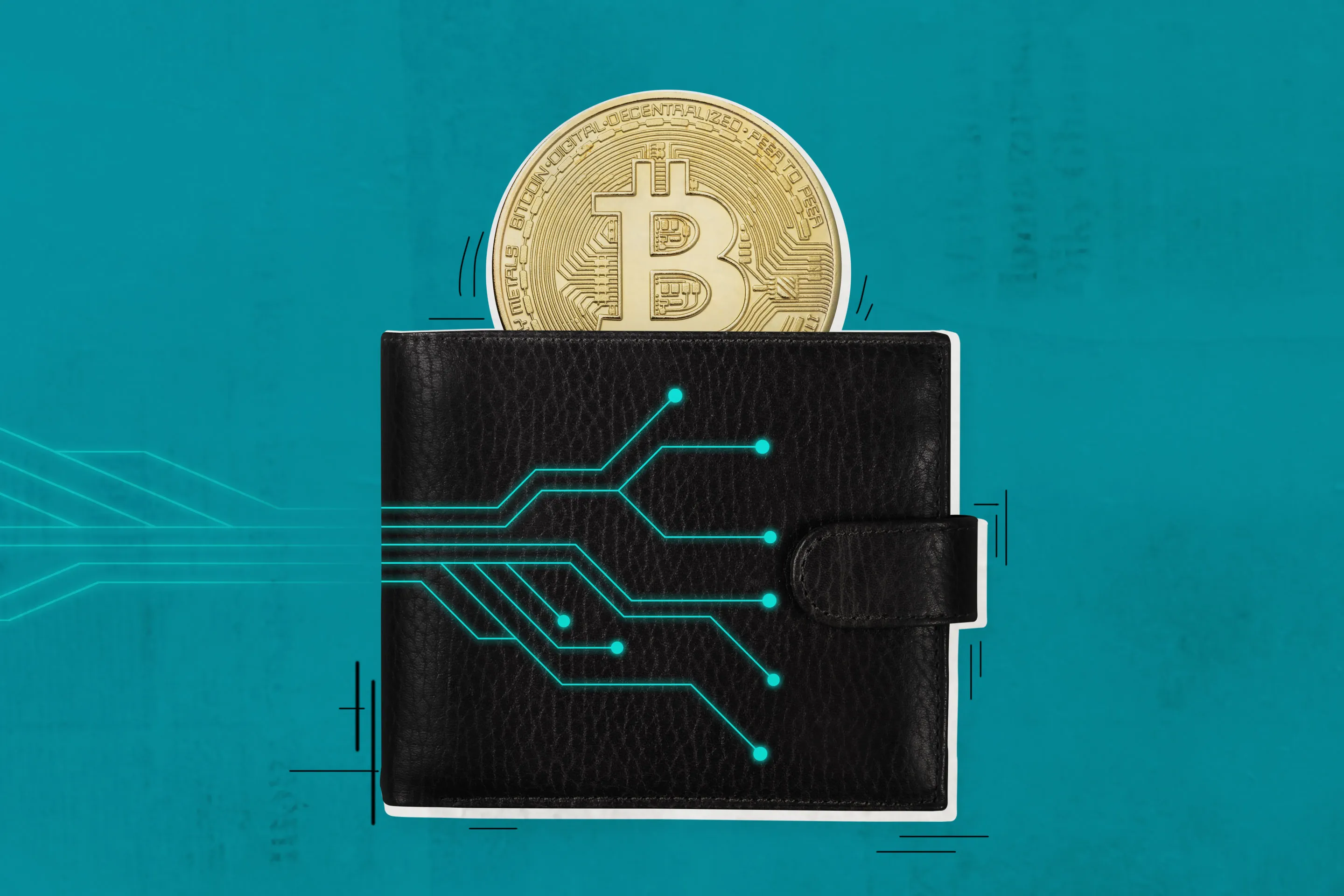
Finding a secure wallet doesn't require a luxury budget, but it does demand realistic tradeoffs between price, age, and condition. The market for hardware wallets has matured, allowing entry-level options to offer serious security without the premium cost of flagship models. Understanding what you pay for helps separate marketing hype from actual value.
Entry-level hardware: The $50–$90 Sweet Spot
For most users, spending between $50 and $90 hits the sweet spot for hardware security. These devices typically use certified Secure Elements but omit expensive features like color E Ink screens or NFC connectivity. The Ledger Nano S Plus and Trezor Model One are staples in this range. They keep your private keys offline while remaining affordable enough to replace if lost or damaged. The tradeoff is a smaller screen and slower transaction signing, but the core security remains identical to pricier models.
Premium hardware: Paying for Convenience
Spending $150–$250 gets you better ergonomics and faster usability, not necessarily better security. The Ledger Stax and newer Ledger Flex models feature curved E Ink displays and touch interfaces. These screens make reading transaction details significantly easier, reducing the risk of signing a malicious transaction due to small text errors. If you transact frequently or manage complex DeFi positions, the convenience premium is often worth the cost. However, for simple holding, the extra expense adds little security value.
The Condition and Age Factor
When buying used or refurbished, age matters more than price. Hardware wallets contain physical components that degrade. Batteries in devices with NFC (like the Ledger Nano X) can swell or fail after three to four years. More critically, the internal Secure Element chip may have unknown firmware vulnerabilities patched in newer releases. Always buy new from authorized retailers. If you must buy used, verify the device is factory-reset and runs the latest firmware, though this is rarely worth the risk for high-value holdings.
Software Wallets: Free but Riskier
Software wallets like MetaMask and Trust Wallet are free and essential for interacting with decentralized applications. They are not replacements for hardware wallets but complements. Use them for small, daily transactions or testing. Never store significant savings in a software-only wallet. The security tradeoff is clear: convenience comes at the cost of exposing your keys to your device's operating system, which can be compromised by malware.
Budget-Friendly Picks


As an Amazon Associate, we may earn from qualifying purchases.
The Tangem Wallet offers a unique alternative in the budget segment. These are card-shaped devices that use NFC to interact with your phone. They have no screen and no battery, making them durable and nearly indestructible. While they lack the tactile confirmation of a hardware screen, their simplicity and low cost (often sold in 2- or 3-card sets) make them an excellent backup or secondary wallet for smaller amounts.
Shortlist real options
Use this section to make the Best Crypto Wallets for decision easier to compare in real life, not just on paper. Start with the reader's actual constraint, then separate must-have requirements from details that are merely nice to have. A practical choice should survive normal use, maintenance, timing, and budget. If a recommendation only works in an ideal situation, call that out plainly and give the reader a fallback path.
| Factor | What to check | Why it matters |
|---|---|---|
| Fit | Match the option to the primary use case. | A good deal still fails if it does not fit the job. |
| Condition | Verify age, wear, and service history. | Hidden condition issues erase upfront savings. |
| Cost | Compare purchase price with likely upkeep. | The cheapest option is not always the lowest-cost option. |
Inspect the expensive parts
Buying a crypto wallet is the first step; securing it is the second. Most losses don't come from hacking the device, but from failing to inspect the basics. Treat your wallet like a safe: check the hinges, the lock, and the key before you store your fortune.
Follow this checklist to avoid the most common failure points.
Never use a wallet with a broken security seal. Manufacturers like Ledger and Trezor use tamper-evident packaging. If the box looks opened, returned, or resealed, do not use it. Buy only from the official manufacturer or an authorized reseller to ensure the device hasn't been swapped or tampered with.
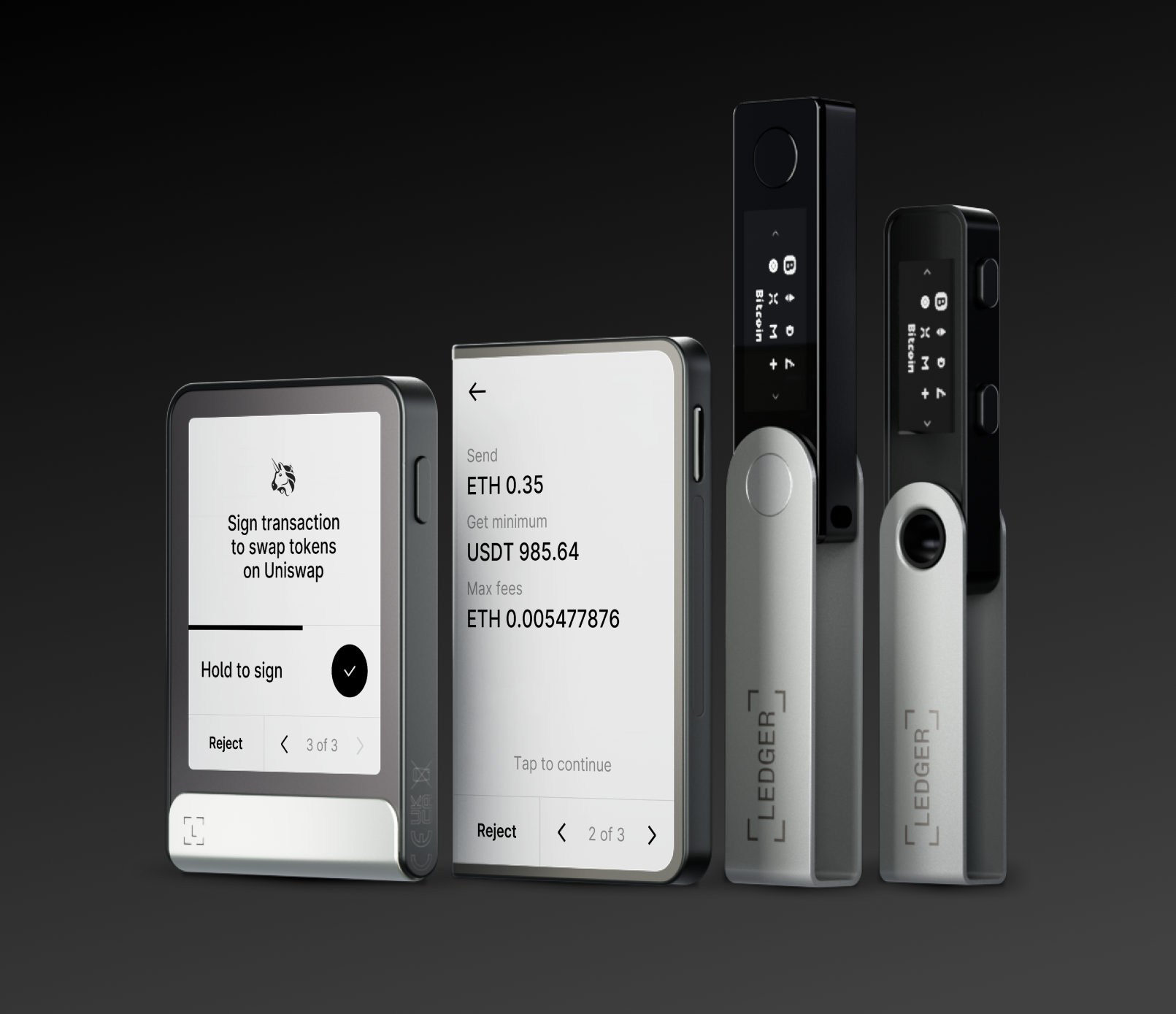
Your private keys must be generated on the device itself, never on your computer or phone. During setup, choose "Create a new wallet." If a device offers to "Restore" from a seed phrase you already have, you are importing existing keys. Only restore if you are replacing a broken device with your original backup.

Write your 12 or 24-word recovery phrase on paper or metal. Never store it digitally. Do not take a photo, save it in a text file, email it to yourself, or store it in a password manager. If your device or computer is compromised, any digital copy of your seed phrase is already stolen.
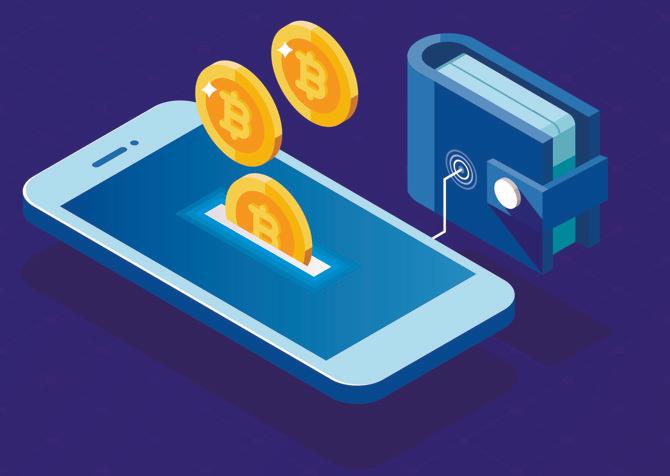
Before moving your life savings, send a small test transaction. Verify that you can receive the funds and then send them back to your original exchange or wallet. This confirms your seed phrase works and that the device is functioning correctly. If the test fails, you have caught the error before losing significant value.
The Real Cost of Holding Crypto
Buying a hardware wallet is just the entry fee. The true ownership cost of a crypto wallet extends far beyond the initial purchase price, encompassing maintenance, replacement, and the hidden expenses of security failures. A cheap device that breaks after two years or lacks software support often costs more in the long run than a premium alternative with a longer lifespan.
Hardware wallets are physical devices subject to wear and tear. Buttons can fail, screens can crack, and internal components can degrade. Unlike software wallets, which are free to update, hardware wallets require you to replace the entire unit when it becomes obsolete or damaged. This is not a subscription, but it is a recurring capital expenditure that budget-conscious users often overlook.
Software wallets, while free to download, carry different risks. They rely on your device's security. If your phone is compromised, your wallet is compromised. The "cost" here is the potential loss of funds, which can be total. Hardware wallets offer a layer of isolation, but they are not immune to phishing or social engineering attacks. The security of a cold wallet is only as strong as the user's habits.
When evaluating ownership costs, look beyond the sticker price. Consider the warranty, the availability of spare parts, and the company's track record for long-term support. A wallet from a company that goes out of business leaves you with a paperweight. Choose a provider with a history of stability and clear communication about security updates.


As an Amazon Associate, we may earn from qualifying purchases.
The most trusted crypto wallets in 2026, such as Ledger and Trezor, invest heavily in security research and user education. This investment translates into higher upfront costs but lower long-term risk. When you buy a wallet, you are paying for peace of mind. The cheapest option is rarely the safest, and in crypto, safety is the most valuable asset.
Crypto wallets 2026: what to check next
Addressing common concerns before you lock in your primary storage method helps avoid costly mistakes. Here are the practical answers to the most frequent questions about wallet security, tax visibility, and market trends in 2026.
What is the most trusted crypto wallet?
Trust in 2026 leans heavily toward hardware solutions that keep private keys offline. The Ledger Flex and Tangem cards are widely regarded as the most reliable options for long-term storage due to their certified Secure Element chips. For active trading, MetaMask remains the standard for interacting with decentralized applications, while Trust Wallet offers a solid mobile alternative for beginners. Always verify the official website before downloading any software to avoid phishing scams.
Can the IRS see your crypto wallet?
The IRS does not have real-time visibility into your private keys or transaction history within a non-custodial wallet. However, they can see transactions that occur on regulated exchanges like Coinbase or Binance, which are required to report user data. If you move funds from an exchange to your personal hardware wallet, that specific transfer is recorded on the blockchain. The IRS may request this data during an audit, so keeping accurate records of your cost basis is essential.
What crypto is going to explode in 2026?
Predicting explosive growth is speculative, but current market analysis highlights Bitcoin and Ethereum as the foundational assets for 2026. Institutional adoption continues to drive Bitcoin’s stability, while Ethereum’s Layer 2 ecosystem supports the majority of decentralized finance activity. Altcoins often see volatility based on network upgrades or regulatory clarity. It is safer to prioritize wallets that support a broad range of tokens, ensuring you can manage assets regardless of which sector gains momentum.
Which crypto Ledger is the best in 2026?
The Ledger Flex is currently the top pick for hardware wallets in 2026. It combines certified Secure Element protection with a flexible e-ink display that improves readability for transaction verification. Unlike older models, it offers native multi-asset support and a modern user interface that simplifies daily use. If you prefer a card-shaped device, the Tangem Wallet is a strong competitor for its durability and bank-level security.
No comments yet. Be the first to share your thoughts!