Crypto wallets 2026 budget
Finding a secure hardware wallet in 2026 requires balancing upfront cost against long-term utility. High-end models like the Ledger Flex offer superior screen readability and daily functional utility, but they command a premium price. For those on a tighter budget, the focus shifts to essential security features without the frills. The goal is to find a device that protects your private keys without breaking the bank.
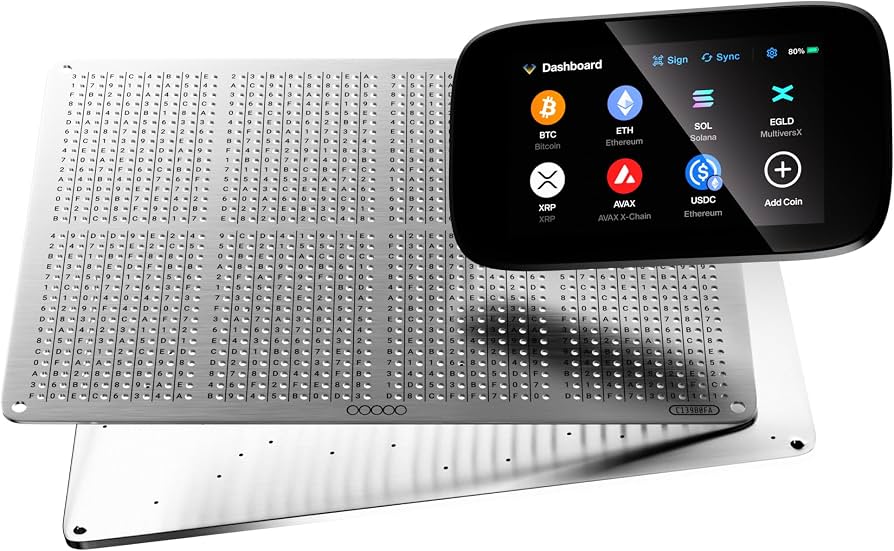
The Ledger Stax remains a top contender for its offline key storage and support for thousands of assets, though its E Ink display may not appeal to everyone. Ngrave wallets provide robust offline security but often come with a higher price tag that reflects their specialized build. When evaluating budget options, prioritize devices that support the specific blockchains you use, such as Bitcoin, Solana, and major Layer-2 networks.
Avoid the temptation to buy used hardware wallets. A compromised device can expose your funds to immediate theft, rendering any savings meaningless. Instead, look for entry-level models from reputable manufacturers that offer the same core security architecture as their premium counterparts. This approach ensures you get reliable protection without paying for features you won’t use.


As an Amazon Associate, we may earn from qualifying purchases.
Shortlist real options
Choosing the best crypto wallet in 2026 requires matching your storage needs to your activity level. The market has shifted toward devices that balance security with usability across Bitcoin, Solana, and emerging Layer-2 networks. We evaluated the strongest contenders based on official specifications and current market standing.
The Ledger Flex stands out for daily utility. Its e-ink display offers better readability than traditional hardware wallets, making it a top choice for active traders who need clear transaction details without sacrificing offline security. For those prioritizing maximum security through air-gapped operations, the Ngrave Zero provides a unique tamper-proof design with no screen, relying on smartphone verification for all interactions.
Software-only options remain viable for smaller holdings. Electrum is widely recommended for Bitcoin users who prefer speed and open-source transparency over hardware isolation. Meanwhile, Tangem offers a card-based form factor that simplifies key management for beginners, though it lacks the multi-chain flexibility of dedicated hardware devices.
Comparison of top wallets
| Wallet | Type | Best For | Key Feature |
|---|---|---|---|
| Ledger Flex | Hardware | Daily trading | E-ink display |
| Ngrave Zero | Hardware | Maximum security | Air-gapped, tamper-proof |
| Electrum | Software | Bitcoin speed | Open-source, lightweight |
| Tangem | Hardware | Beginners | Card form factor |
| Wallet | Type | Best For | Key Feature |
|---|---|---|---|
| Ledger Flex | Hardware | Daily trading | E-ink display |
| Ngrave Zero | Hardware | Maximum security | Air-gapped, tamper-proof |
| Electrum | Software | Bitcoin speed | Open-source, lightweight |
| Tangem | Hardware | Beginners | Card form factor |


As an Amazon Associate, we may earn from qualifying purchases.
For most users, the Ledger Flex offers the best balance of security and convenience. If you are a Bitcoin maximalist, Electrum remains the gold standard for software wallets. Always verify wallet authenticity through official channels to avoid counterfeit devices.
Inspect the expensive parts
Crypto wallets are complex hardware. A single flaw in the secure element or the connection port can lead to total loss of funds. This section outlines the critical inspection points that separate reliable devices from risky ones. Focus your evaluation on these failure points before committing capital.
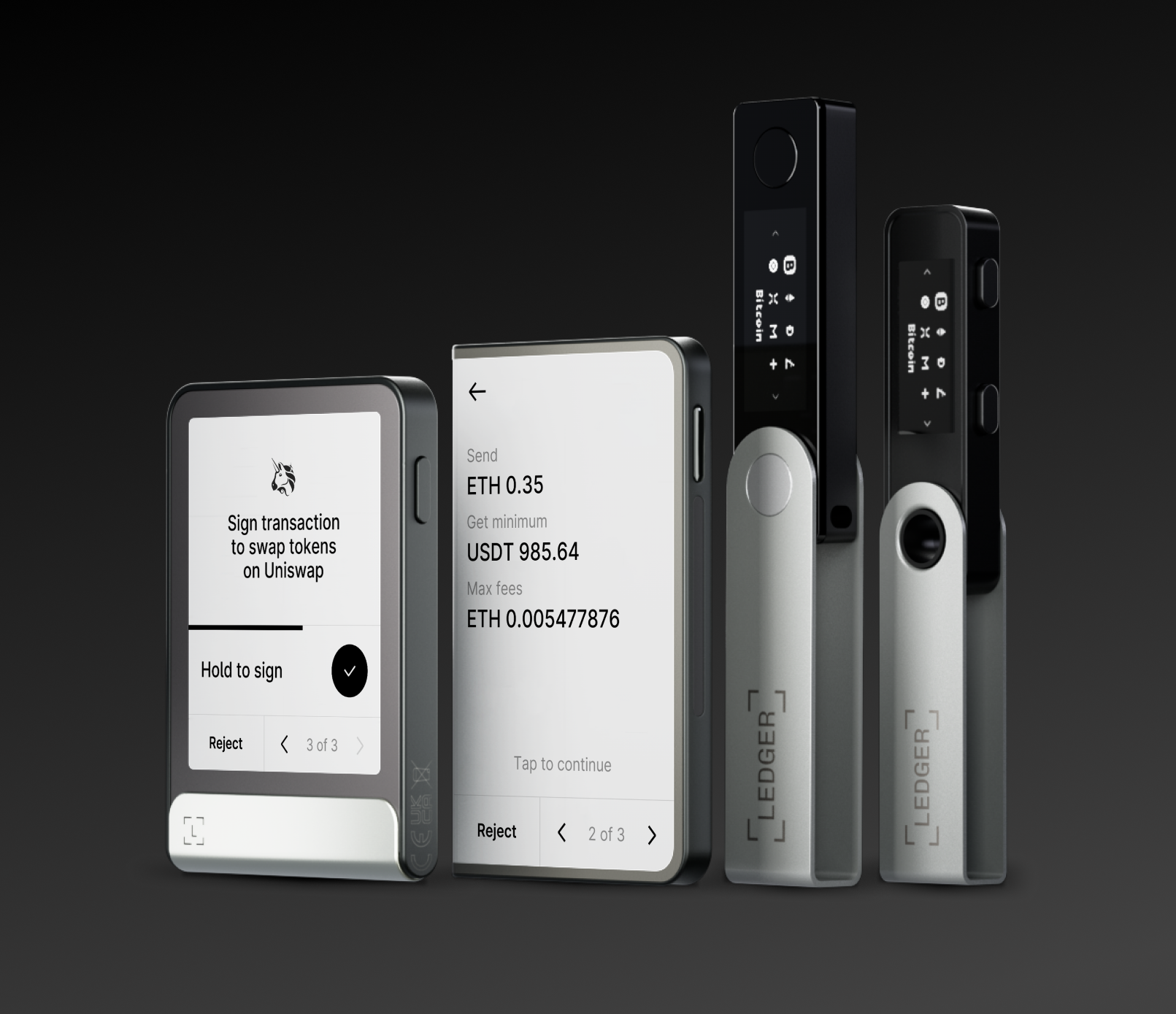
Look for EAL5+ or EAL6+ certification on the secure element. This is the chip that stores your private keys. If the device does not explicitly state this certification level, assume the keys are vulnerable to physical extraction. Major providers like Ledger and Ngrave use these certified chips to ensure keys never leave the hardware boundary.

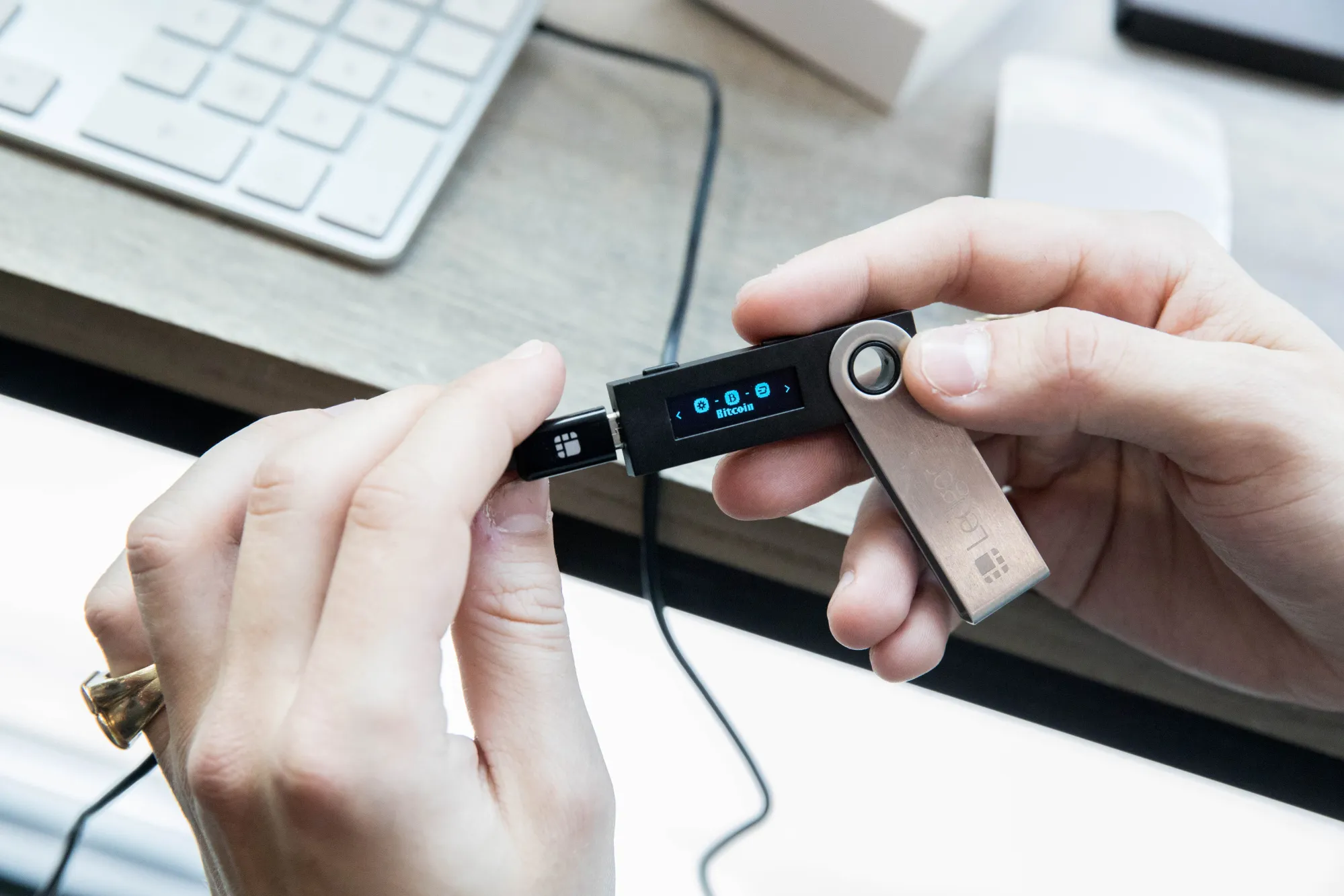
Inspect the USB-C or Lightning port. Cheap devices use flimsy ports that wear out quickly, potentially exposing internal pins or causing intermittent connection failures. A loose connection can sometimes allow malicious software to intercept transaction data during signing. Ensure the port feels solid and the included cable is braided or high-quality.
Verify that the device firmware is open-source. This allows independent security researchers to audit the code for backdoors or vulnerabilities. Closed-source firmware is a black box; you must trust the manufacturer implicitly. Open-source code provides a layer of transparency that is essential for high-stakes storage.
Manually verify that the screen accurately displays transaction details and that physical buttons respond crisply. You must be able to read the full address and amount on the device screen before confirming. If the display is dim, fragmented, or the buttons are mushy, you cannot reliably verify what you are signing. This is your last line of defense against phishing.
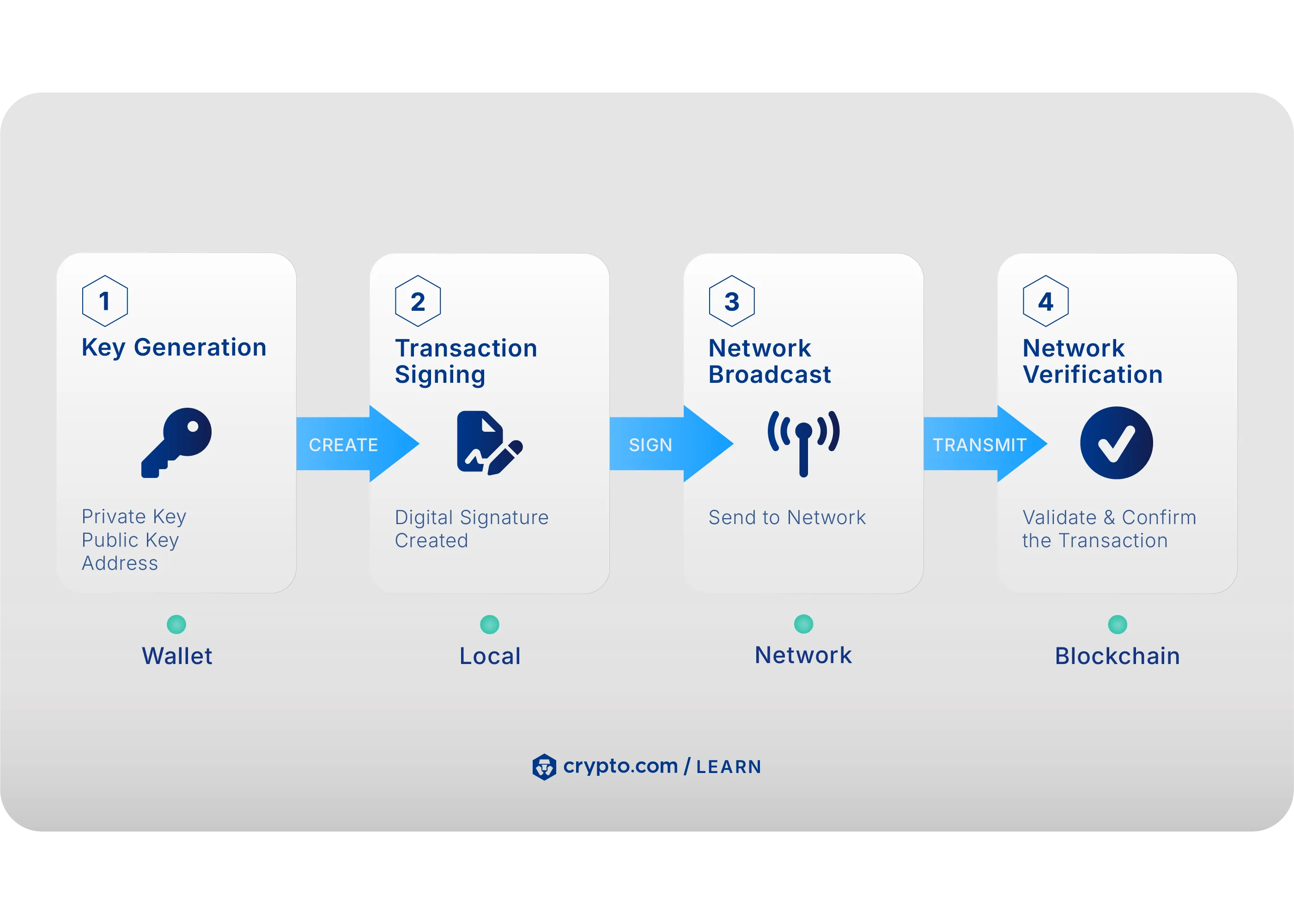
Ensure the device generates the recovery phrase internally, not on your connected computer or phone. The phrase should never touch the internet-connected device. If the wallet app generates the seed on your phone and displays it on the hardware, the security model is broken. The hardware must be the sole source of truth for key generation.


As an Amazon Associate, we may earn from qualifying purchases.
Plan for ownership costs
The sticker price is only the first expense. Real ownership costs for crypto wallets include subscription fees, hardware replacements, and the hidden cost of recovery.
Many "free" software wallets charge for premium features like staking rewards or advanced security. Hardware wallets have a one-time cost but may need replacement if lost or damaged. Some premium devices offer lifetime warranties, while others require you to pay for new units.
When comparing options, look beyond the initial purchase price. Consider the total cost of ownership over several years, including any recurring fees or potential replacement costs.


As an Amazon Associate, we may earn from qualifying purchases.
Crypto wallets 2026: what to check next
Choosing a wallet involves balancing security, supported assets, and user experience. The landscape has shifted toward multi-chain support, meaning your wallet must handle Bitcoin, Solana, and emerging Layer-2 networks without forcing you to juggle multiple apps.
What is the best crypto wallet for beginners in 2026?
Ledger Flex offers the best overall experience for new users. It combines a flexible E-ink display with hardware-grade security, making it easy to verify transactions on screen while keeping private keys offline. For those preferring software-only solutions, Trust Wallet provides a user-friendly interface with native multi-chain support.
Are hardware wallets safer than software wallets?
Hardware wallets like Ledger and Trezor are significantly safer because they keep private keys isolated from internet-connected devices. Software wallets, such as Phantom or Rabby, are convenient for daily trading but remain vulnerable to phishing and malware. If you hold assets worth more than a few hundred dollars, a hardware wallet is the standard recommendation.
Which wallets support Bitcoin, Solana, and Layer-2 networks?
Modern wallets like Trustee Plus and Coin98 support thousands of assets across different chains. Ledger devices also support these networks via their companion apps. Always verify specific coin support in the wallet’s official documentation before purchasing, as compatibility varies by device model.
How do I recover my crypto if I lose my device?
Recovery depends entirely on your seed phrase, a 12- or 24-word list generated when you first set up the wallet. This phrase is the only way to restore access to your funds. Never store it digitally or share it with anyone. If you lose your hardware device, you can buy a new one and enter your seed phrase to regain control of your assets.
No comments yet. Be the first to share your thoughts!