Crypto wallet 2026
Choosing the best self-custody wallet depends on how you store keys and which chains you use. We evaluated five options based on security architecture, multi-chain support, and interface clarity. The goal is to help you find a wallet that balances safety with daily usability.
Our selection process focused on hardware-backed security and verified open-source code. We prioritized wallets that support major assets, along with key Layer 2 networks. Each entry below includes specific strengths and trade-offs to guide your decision.
5 Best Self-Custody Crypto Wallets for 2026: Top 5 Secure Options for Multi-Chain Assets
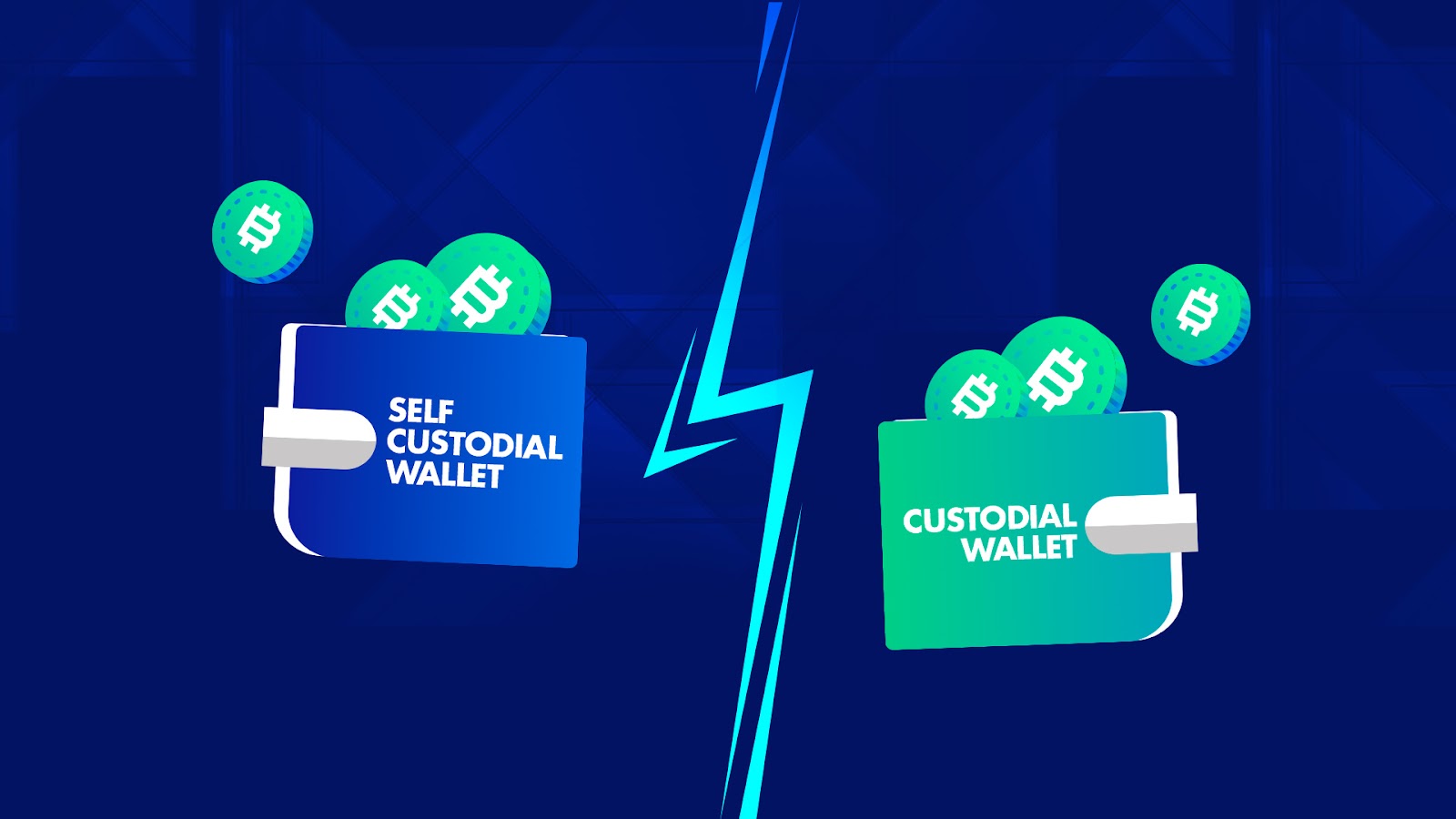
Self-custody means you alone control your keys, eliminating counterparty risk but demanding rigorous security hygiene. We evaluated five wallets against 2026 multi-chain standards, prioritizing hardware isolation, verified open-source code, and native support for major assets like Bitcoin and Ethereum.
1. Ledger Nano X multi-chain Bluetooth security
The Ledger Nano X bridges mobile convenience with institutional-grade security, supporting over 5,500 assets via its Bluetooth connectivity. Its secure element chip isolates private keys, ensuring that even if your phone is compromised, your crypto remains untouched. Ideal for frequent travelers who need on-the-go management without sacrificing the self-custody principle that defines true financial sovereignty.

2. Trezor Model T hardware key support
Trezor’s Model T distinguishes itself with a full-color touchscreen and native support for hardware security keys like YubiKeys. This dual-factor approach adds a physical layer of defense against phishing attacks, making it superior for users managing high-value portfolios. Its open-source firmware allows independent verification, providing peace of mind that the software executing your transactions is transparent and trustworthy.

3. Keystone Pro air-gapped offline signing
Keystone Pro eliminates digital attack vectors entirely through its air-gapped design, using QR codes to transmit signed transactions instead of USB or Bluetooth. This physical separation ensures that your private keys never touch an internet-connected device, offering maximum protection against remote hacking attempts. It is the definitive choice for paranoid security-conscious investors who prioritize isolation over convenience.

4. Tangem Card contactless NFC crypto storage
Tangem Cards resemble credit cards, utilizing NFC technology to interact seamlessly with smartphones for quick transactions. Their secure element chips are certified to military-grade standards, storing keys in a tamper-proof environment that survives physical damage. This form factor offers unparalleled portability and ease of use, making self-custody accessible to beginners who might find traditional hardware wallets cumbersome.

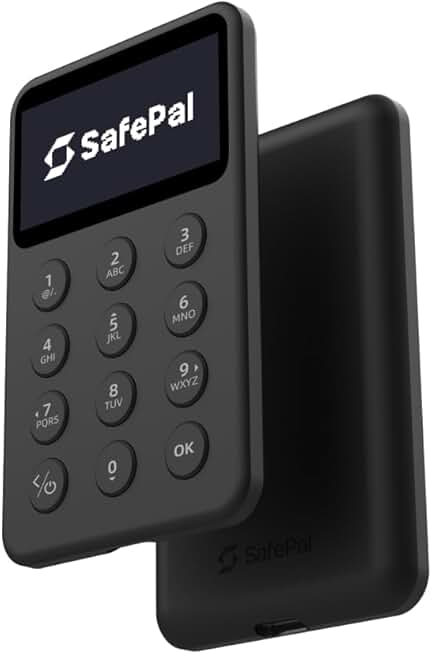
5. SafePal S1 dedicated hardware wallet
SafePal S1 offers a robust offline experience with a built-in camera for scanning QR codes, ensuring no physical data ports can be exploited. Its closed-source firmware is audited regularly, and it supports a vast array of DeFi protocols and tokens. This wallet strikes a balance between affordability and comprehensive multi-chain support, serving as a reliable entry point for new self-custody adopters.
How to pick the right self-custody wallet
Choosing a self-custody crypto wallet is less about finding the "perfect" device and more about matching your trading habits to the right security model. A hardware wallet offers the strongest protection for long-term holdings, while a software wallet provides speed for daily transactions. The right choice depends on which assets you hold, how often you move them, and how much technical friction you are willing to tolerate.
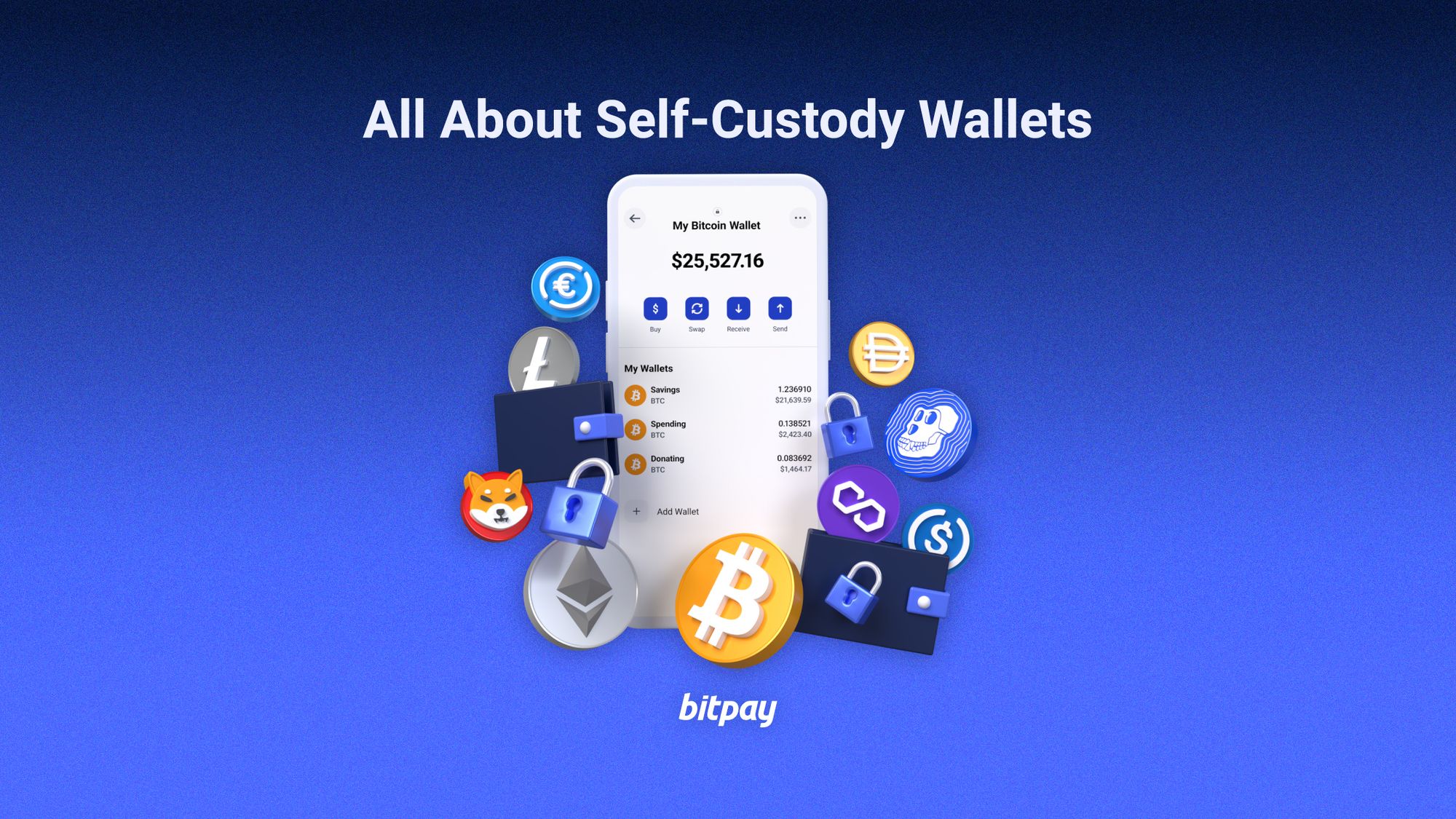
Not all wallets support every network. If you hold Bitcoin, Ethereum, and Solana, you need a wallet that handles these distinct blockchains natively. Ledger Stax, for example, supports over 5,500 coins, while Exodus covers more than 250. Verify the specific tokens you own before buying.
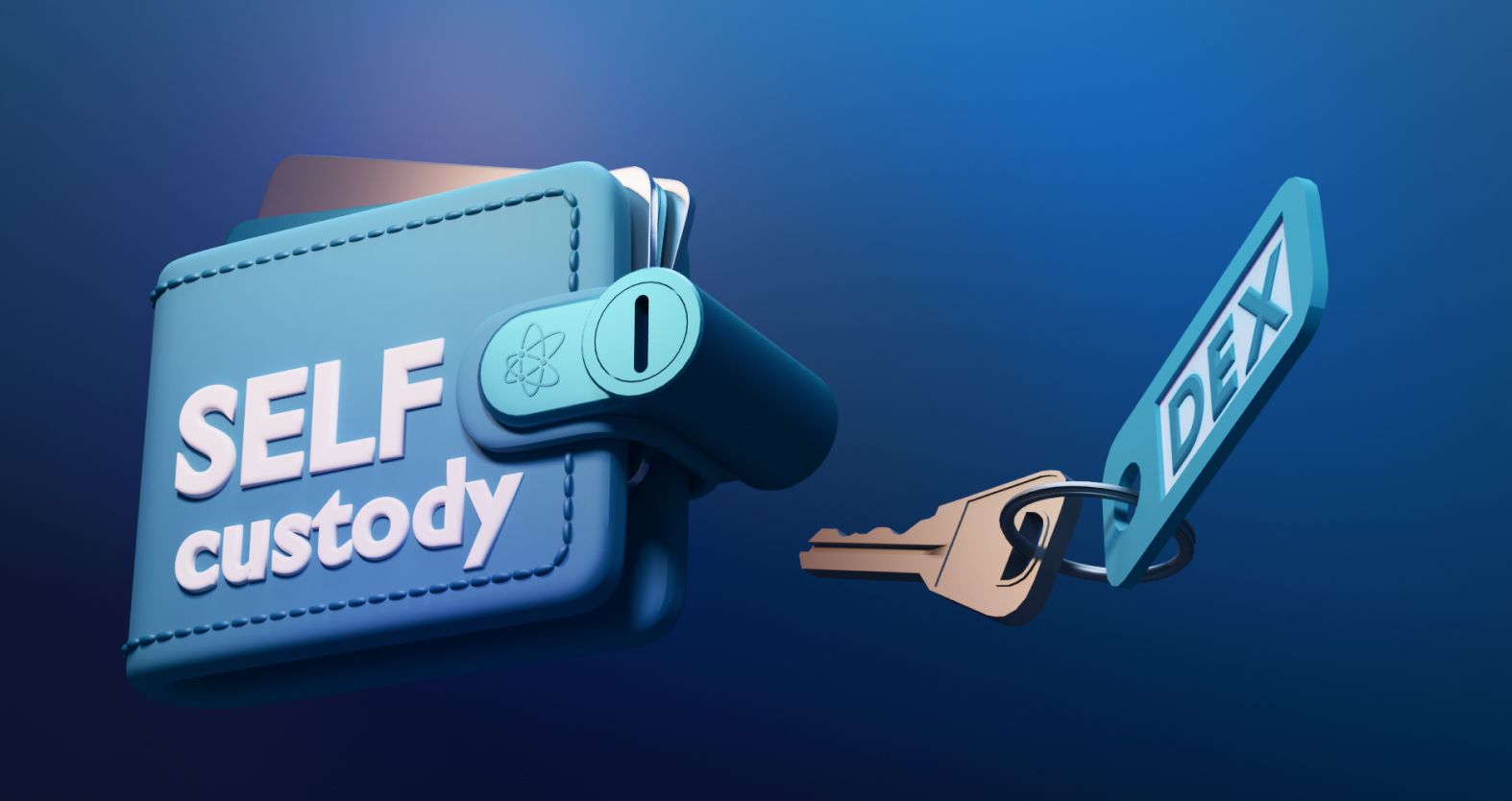
Hardware wallets like Ledger or Trezor require you to physically interact with the device to authorize transactions. This adds steps but isolates your keys from the internet. Software wallets are easier to use but expose your seed phrase to your computer or phone. Choose based on how much risk you are willing to manage.
Your seed phrase is your only backup. If you lose your device, this 12- or 24-word list is all that matters. Ensure the wallet you choose uses standard BIP39 phrases that can be restored on any compatible device. Avoid proprietary recovery methods that lock you into a single brand.


As an Amazon Associate, we may earn from qualifying purchases.
Self-Custody Crypto Wallets for 2026: 5 Secure Options for Multi-Chain Assets
What is the best cold wallet for crypto in 2026?
The Ledger Stax remains the top choice for cold storage, combining offline key protection with a modern e-ink interface. It offers a secure element that isolates private keys from internet-connected devices, making it difficult for malware to steal assets. For users prioritizing open-source transparency, the Trezor Model T provides a robust alternative with a touchscreen and strong security audit history.
What is the best crypto for 2026?
While wallet choice depends on security needs, the best cryptocurrencies to hold in self-custody wallets are those with strong underlying ecosystems. Ethereum, Solana, Chainlink, Arbitrum, and Sui are currently leading due to their network strength and market direction. These assets benefit from active development and broad support across multi-chain wallets like Ledger and Trust Wallet.
Can I use a hardware wallet for all cryptocurrencies?
Hardware wallets like the Ledger Stax and Trezor Model T support hundreds of assets, but not every token is compatible. Most wallets support major coins, as well as many ERC-20 and SPL tokens. Before buying, verify that your specific wallet supports the exact coins you plan to store, especially newer Layer 2 solutions or niche altcoins.
Is a hardware wallet safer than a software wallet?
Yes, hardware wallets are significantly safer for long-term storage. They keep private keys offline, preventing remote hacking attempts. Software wallets, such as Exodus or Trust Wallet, are convenient for daily transactions but remain connected to the internet, making them more vulnerable to phishing and malware attacks. For large holdings, always use a hardware device.
No comments yet. Be the first to share your thoughts!