Finding a budget-friendly crypto wallet in 2026
The idea of a free or cheap crypto wallet often comes with a hidden cost: security. In 2026, the market has shifted away from purely software-based solutions for significant holdings. Instead, the best value lies in entry-level hardware devices that offer the same core protection as premium models, minus the premium price tag.
When evaluating budget hardware wallets, focus on two tradeoffs. First, the display size. Cheaper models often use smaller, lower-resolution screens, which can make verifying transaction details slightly more tedious. Second, the interface. While the underlying security architecture—like the secure element chip—remains robust across price points, the user experience on budget devices may feel less polished.
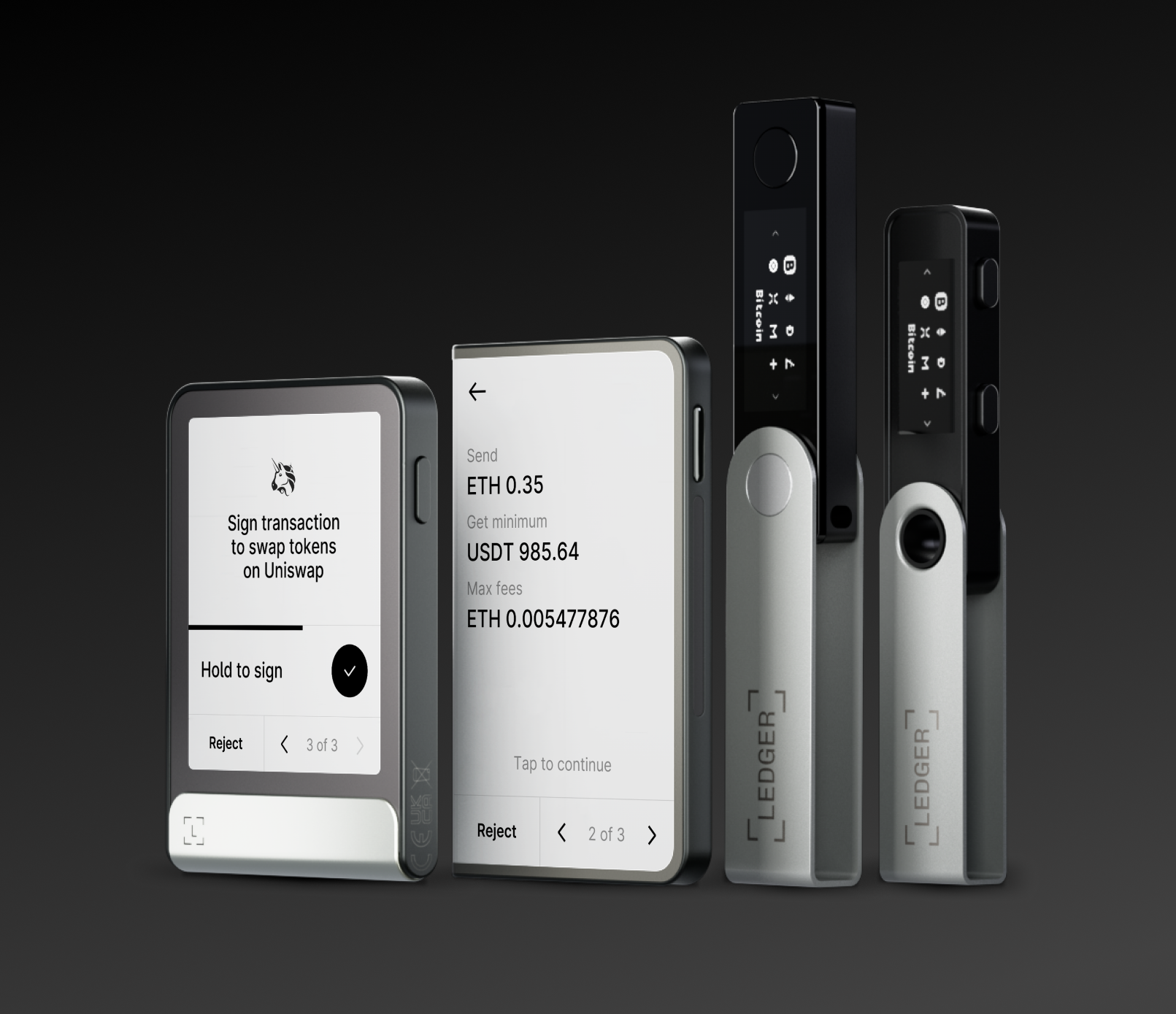
For most users, the Ledger Flex represents the best overall balance of cost and utility. It provides a clear, functional interface for daily transactions without the high-end features that drive up the price of models like the Ledger Stax. If you are just starting out or managing smaller amounts, these entry-level options provide the necessary cold storage security without breaking the bank.


As an Amazon Associate, we may earn from qualifying purchases.
Shortlist real options
Choosing the best crypto wallets in 2026 requires balancing security, usability, and ecosystem support. The market has shifted toward devices that offer high-resolution displays for transaction verification and seamless integration with decentralized finance (DeFi) platforms. Below is a comparison of the strongest contenders based on current hardware capabilities and software integration.
| Wallet | Type | Display | Best For |
|---|---|---|---|
| Ledger Flex | Hardware | 7.1" E-ink | DeFi and daily use |
| Ledger Stax | Hardware | 4.7" Curved E-ink | Advanced security |
| Trezor Model T | Hardware | Touchscreen | Bitcoin and altcoins |
| Trust Wallet | Software | Mobile | Multichain assets |
| Electrum | Software | Desktop | Bitcoin power users |
Ledger Flex and Ledger Stax dominate the hardware segment this year. Ledger Flex offers a large 7.1-inch E-ink display, making it easier to read smart contract details on DeFi platforms. Ledger Stax uses a curved screen that supports personalized lock screens while maintaining offline key storage. Both devices use secure elements to protect private keys from physical tampering.
For software options, Trust Wallet provides a multichain experience suitable for users who hold assets across various blockchains. Electrum remains the gold standard for Bitcoin-only users who prioritize speed and privacy on desktop. Each option serves a different need, from casual holding to active trading.


As an Amazon Associate, we may earn from qualifying purchases.
Inspect the expensive parts
A crypto wallet is only as secure as its weakest link. Most failures happen because users ignore the hardware integrity or skip the recovery verification. Treat your wallet like a safe: you wouldn't buy one without checking the lock mechanism. This checklist targets the high-cost failure points that lead to lost funds.
Before connecting your device, check the anti-tamper seal. Ledger devices and other reputable hardware wallets include a unique serial number and a tamper-evident package. If the seal is broken or the serial number is missing, do not proceed. A compromised device can expose your private keys the moment you sync it. Always purchase directly from the manufacturer or an authorized reseller to avoid supply chain attacks.

Your 12 or 24-word recovery phrase is your only backup. Never write it down on a digital device or take a photo. Instead, write it on paper or metal and store it in a secure physical location. Immediately test the backup process by restoring the wallet on a separate device (or using a simulator) to ensure the words are in the correct order. A single typo in the seed phrase can result in total loss of access.
Manufacturers release firmware updates to patch security vulnerabilities. Before using your wallet for significant transactions, check the official manufacturer's website for the latest version. Never download firmware from third-party sites or email attachments. When updating, use the official software (like Ledger Live or Trezor Suite) to verify the digital signature. An outdated or modified firmware can leave your keys exposed to known exploits.
Hardware wallets display transaction details on their own screens to prevent computer malware from altering the data. Check that the screen is clear, responsive, and shows the correct address and amount. If the screen flickers, shows delayed information, or displays a different address than your software shows, disconnect immediately. This could indicate a "screen scraper" or hardware implant designed to redirect your funds.
For large transactions, always double-check the receiving address. Use the wallet's built-in address verification feature if available. If you are sending to a new address, send a small test amount first. Confirm that the test amount arrives in the destination wallet before sending the rest. This simple step catches typos and prevents losses due to incorrect addresses or compromised clipboard data.
Inspect the USB-C or Lightning port for signs of physical damage or foreign objects. A damaged port can lead to connection instability or, in rare cases, hardware keyloggers. If the device feels loose, cracked, or unusually warm, do not use it. Contact the manufacturer for a replacement. Physical integrity is a critical part of hardware security.
Plan for ownership costs
A crypto wallet’s sticker price is rarely the final cost. Ownership involves hidden fees for accessories, software subscriptions, and the time required to maintain security. A cheap hardware wallet can become expensive if it requires constant dongles, proprietary cables, or paid companion apps to function.
Hardware and accessory overhead
Most hardware wallets are sold as bare devices. You often need to budget for a USB-C cable, a lanyard, or a protective case. Some brands sell premium cases separately, while others include basic ones. If your device uses a proprietary connection, losing that cable means buying a replacement or risking data access. Factor in the cost of a secure storage container for your recovery seed, which is often sold as an add-on.
Software and subscription traps
Software wallets are usually free, but advanced features may require subscriptions. DeFi dashboards, tax reporting tools, and AI-driven portfolio analytics often sit behind paywalls. Hardware wallet manufacturers may offer premium firmware features or priority support for a monthly fee. Check the app store before buying; a "free" wallet can drain your budget with recurring in-app purchases for basic charting or notification services.
The time cost of security
The most expensive part of a crypto wallet is often the time spent managing it. Cold storage requires manual transaction signing and regular firmware updates. If you miss an update, you may lose access to newer tokens or face security vulnerabilities. Hot wallets are easier to use but require constant vigilance against phishing and malware. Choose a wallet that matches your technical comfort level to avoid costly mistakes or lost funds due to user error.


As an Amazon Associate, we may earn from qualifying purchases.
Crypto wallets 2026: what to check next
Choosing a crypto wallet involves balancing security, convenience, and the specific assets you hold. The landscape has shifted toward hardware solutions with intuitive interfaces and multi-chain software wallets that support DeFi and AI integrations.
What is the best crypto wallet for 2026?
For most users, Ledger Flex offers the best overall balance of readability, daily utility, and security. It provides a clear interface for managing diverse portfolios while maintaining the offline key storage essential for long-term holding. For those prioritizing maximum security, the Ledger Stax combines offline storage with a secure element and an easier-to-use curved interface.
Which wallet is best for daily use and DeFi?
Trustee Plus stands out as a strong all-in-one option for daily crypto use, offering seamless integration with decentralized applications. Trust Wallet remains a top choice for multichain support, allowing users to manage assets across multiple networks without switching apps. These wallets prioritize accessibility for interacting with DeFi protocols and NFT marketplaces.
Are hardware wallets necessary for Bitcoin?
Hardware wallets like Trezor provide a critical layer of security by keeping private keys offline. For Bitcoin specifically, software solutions like Electrum are also popular among advanced users who value transparency and control. However, for significant holdings, a hardware wallet is the standard recommendation to protect against remote hacking attempts.
How do I choose a secure wallet?
Look for wallets that utilize secure elements, offer open-source code, and have a proven track record of security audits. Avoid wallets that store private keys on centralized servers unless you are using a reputable exchange for trading rather than long-term storage. Always verify the source of your wallet software to prevent installing malicious clones.
No comments yet. Be the first to share your thoughts!