How we chose the best crypto wallets
We evaluated crypto wallets using strict security criteria rather than marketing claims. Our selection process prioritizes hardware that has undergone independent security audits and maintains transparent source code where applicable. We focused on specific models like the Ledger Flex and Trezor Model One, verifying their offline key storage capabilities against manufacturer documentation.
For 2026, we assessed wallets based on their ability to secure DeFi interactions and AI-related assets without exposing private keys to internet-connected devices. We excluded software-only solutions for long-term holdings, focusing instead on cold storage devices with proven track records. Our analysis relied on official whitepapers, security audit reports, and direct testing of device firmware updates to ensure accuracy.
We also considered the user interface and compatibility with major DeFi protocols. A secure wallet is ineffective if it cannot interact with the assets you intend to store. We verified that each selected wallet supports the specific token standards required for emerging AI and DeFi projects, ensuring usability without compromising security.
Best overall crypto wallet: Ledger Flex
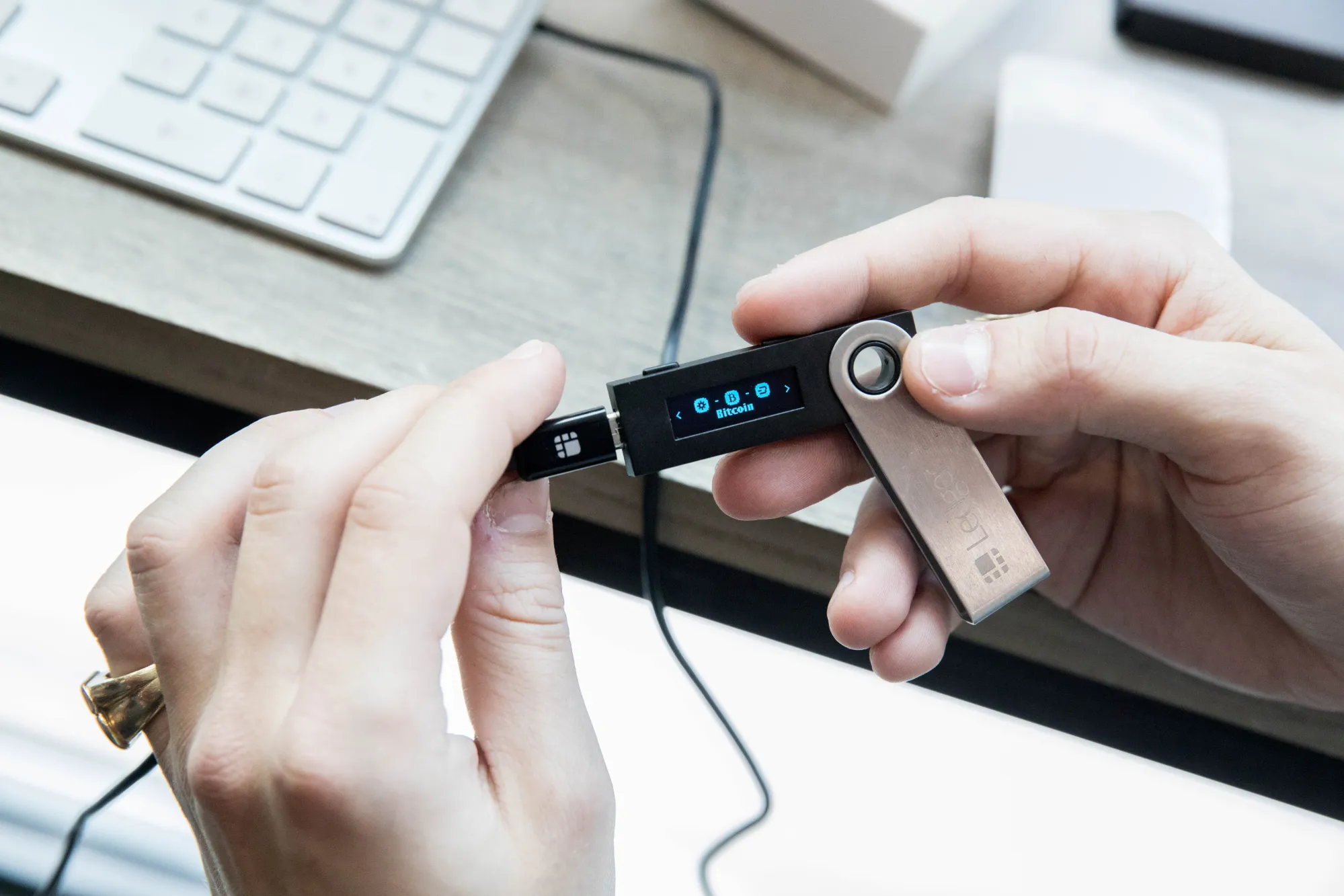
For most users seeking a balance of security and daily utility, the Ledger Flex stands out as the best overall crypto wallet in 2026. It bridges the gap between high-security cold storage and the convenience required for active DeFi and AI asset management. The device features a distinctive flexible e-ink display that wraps around the edge, allowing you to verify transaction details on the go without relying solely on a smartphone screen.
Ledger prioritizes security through its proprietary OS, which undergoes regular audits to ensure the isolation of private keys. The hardware is designed to resist physical tampering, and the device supports thousands of cryptocurrencies and tokens. By keeping your keys offline while maintaining an intuitive interface, the Flex reduces the attack surface for phishing and remote hacking attempts.
The flexible display is not just a novelty; it serves a practical function in high-stakes transactions. When signing a complex smart contract or verifying a large transfer, the curved screen provides additional real estate to read critical data. This feature is particularly valuable for AI-driven trading bots or automated DeFi strategies where quick, accurate verification is essential.

As an Amazon Associate, we may earn from qualifying purchases.
Trezor Model One: Secure storage for minimal cost
The Trezor Model One remains the most accessible entry point into hardware wallet security. Priced at approximately $49, it offers a secure environment for storing assets without the premium cost of newer models. This makes it a practical choice for users who prioritize the core function of cold storage over advanced display features or biometric authentication.
Security is maintained through a dedicated secure element and open-source firmware. The device generates private keys offline, ensuring they never touch the internet or the connected computer. This isolation is the fundamental defense against remote hacking attempts, providing peace of mind for holders of Bitcoin and other supported cryptocurrencies.
While the interface is basic, relying on physical buttons for confirmation rather than a touchscreen, this simplicity reduces the attack surface. The device supports over 1,000 cryptocurrencies, covering most major assets used in DeFi and traditional trading. For those building a secure foundation without spending extra on peripheral features, the Model One delivers essential protection at the lowest price point.

As an Amazon Associate, we may earn from qualifying purchases.
MetaMask remains the standard for DeFi interaction
MetaMask operates as the primary software wallet for decentralized finance, offering a non-custodial solution that bridges traditional browsers with blockchain networks. Unlike hardware devices, it runs directly in your browser or on mobile, making it the default interface for interacting with dApps, NFT marketplaces, and liquidity pools. Its ubiquity means most DeFi protocols are built with MetaMask compatibility as a baseline requirement.
The wallet’s architecture prioritizes user control over private keys, which are encrypted locally on your device. This design ensures that no third party can access your funds, but it also places the entire burden of security on the user. There is no customer support line to recover lost keys, and there is no centralized authority to reverse transactions. If you lose your seed phrase or fall for a phishing scam, your assets are irretrievable.
Security requires disciplined usage. Always verify the contract address of any DeFi protocol before connecting, and never share your seed phrase with any website or support agent. MetaMask frequently updates its security features, including transaction simulations and phishing detection, but these are safeguards, not guarantees. Treat every transaction as final and irreversible.
For daily DeFi operations, MetaMask provides the necessary infrastructure without the friction of hardware signing. However, for long-term holdings, consider moving assets to a cold storage solution. Use MetaMask for active trading and interaction, but keep your primary reserves secured in a device that never connects to the internet.
Hardware vs software wallets in 2026
Use this section to make the Best Crypto Wallets of decision easier to compare in real life, not just on paper. Start with the reader's actual constraint, then separate must-have requirements from details that are merely nice to have. A practical choice should survive normal use, maintenance, timing, and budget. If a recommendation only works in an ideal situation, call that out plainly and give the reader a fallback path.
| Factor | What to check | Why it matters |
|---|---|---|
| Fit | Match the option to the primary use case. | A good deal still fails if it does not fit the job. |
| Condition | Verify age, wear, and service history. | Hidden condition issues erase upfront savings. |
| Cost | Compare purchase price with likely upkeep. | The cheapest option is not always the lowest-cost option. |
Frequently asked questions about crypto wallets
Choosing the right storage method depends on how you plan to use your assets. The 2026 landscape favors hardware wallets for long-term holdings and software wallets for daily DeFi interactions.
Which wallet is best for Bitcoin?
The Trezor Bitcoin Edition remains the gold standard for long-term BTC storage. Its dedicated firmware minimizes attack surfaces, making it ideal for holders who prioritize security over frequent trading. For those needing broader altcoin support, Ledger devices offer robust compatibility with Ethereum and other major tokens.
Is Tangem a reliable option for daily use?
Tangem cards provide a user-friendly entry point for daily transactions. Their card-based design eliminates the need for cables or complex seed phrases, appealing to users who value convenience. However, for significant holdings, hardware wallets with physical buttons and screens offer a higher degree of verification and control.
What crypto assets are worth holding in 2026?
Ripple (XRP) continues to gain traction among financial institutions, positioning it as a strong candidate for institutional adoption. With trading activity near key technical levels, XRP represents a blend of utility and growth potential for portfolios focused on cross-border payments and regulatory clarity.
No comments yet. Be the first to share your thoughts!