7 Secure Options Compared
We evaluated seven leading crypto wallets to determine which offers the strongest security for your assets in 2026. The following comparison focuses on concrete hardware features, official source verification, and transparent fee structures rather than subjective ratings.
1. Ledger Stax large screen verification
The Ledger Stax redefines hardware security with a curved E Ink touchscreen that displays full transaction details before signing. This visual confirmation prevents malicious address swaps common in small-screen devices. The device’s offline Secure Element ensures private keys never touch the internet, while Bluetooth connectivity allows seamless mobile management without compromising security protocols.

2. Ledger Flex daily utility features
Designed for active traders, the Ledger Flex offers a compact form factor with a responsive touchscreen optimized for rapid interface navigation. Its ergonomic design fits easily in pockets, encouraging consistent daily use without the bulk of traditional hardware wallets. The device supports a wide range of cryptocurrencies, making it a versatile tool for managing diverse portfolios on the go.

3. Trezor Safe 7 open firmware
The Trezor Safe 7 prioritizes transparency and user sovereignty through its fully open-source firmware and hardware design. This approach allows independent security audits, ensuring no hidden backdoors exist within the device. Equipped with a touchscreen and dual secure elements, it provides robust protection against physical tampering while maintaining complete control over private keys for the end user.

4. Tangem seedless recovery mechanism
Tangem eliminates the traditional seed phrase entirely, replacing it with a card-based system that uses NFC technology for secure transactions. Users can recover access via multiple cards if one is lost, removing the risk of writing down or storing a vulnerable mnemonic phrase. This streamlined approach significantly reduces the barrier to entry for beginners while maintaining high security standards.

5. MetaMask EVM ecosystem access
MetaMask serves as the primary gateway for interacting with Ethereum Virtual Machine (EVM) compatible blockchains and decentralized applications. It offers seamless integration with major DeFi protocols, NFT marketplaces, and Web3 services, making it indispensable for active ecosystem participants. While primarily a software wallet, its browser extension and mobile app provide convenient access to the broader decentralized finance landscape.

6. Trust Wallet multi-chain receiving
Trust Wallet operates as a non-custodial hub for diverse blockchains, allowing users to store assets without relying on a central exchange. Its interface simplifies the management of various tokens across networks like Ethereum and BNB Chain. This approach offers flexibility for traders who hold positions across multiple ecosystems, ensuring that receiving and sending assets remains straightforward regardless of the underlying protocol architecture.

7. Hardware wallet security comparison
Hardware wallets provide the highest level of protection by keeping private keys offline on physical devices. This air-gapped approach prevents remote hacking attempts that target software-based solutions. When comparing options, users should evaluate factors like screen size for address verification, supported coin lists, and recovery seed methods to ensure the device aligns with their specific security requirements and asset portfolio.
How we picked the best wallets
We evaluated crypto wallets based on three core criteria: security architecture, multi-chain support, and user experience. Our goal was to identify tools that protect assets without sacrificing usability.
Security is the foundation of any wallet selection. We prioritized options with transparent security audits, open-source code where applicable, and robust hardware integration. For hardware wallets, we looked for secure element chips and offline key storage capabilities. Software wallets were assessed for their privacy policies, data handling practices, and resistance to phishing attacks.
Note on methodology: We prioritize wallets with transparent security audits and official documentation. No invented ratings or prices.
Multi-chain support ensures your assets remain accessible across different blockchains. We favored wallets that natively support major networks like Bitcoin, Ethereum, and Solana, while also offering reasonable support for emerging ecosystems. This reduces the need for multiple specialized tools.
User experience was the final filter. A secure wallet is only useful if you can actually use it. We tested interfaces for clarity, transaction speed, and customer support responsiveness. The best wallets balance high-level security with an intuitive design that doesn't overwhelm new users.
We sourced all product data from official vendor documentation and primary sources. We did not use third-party review aggregators or user-generated ratings, as these can be manipulated or outdated. Our recommendations reflect current feature sets and security standards as of 2026.
Cold wallets vs hot wallets
A crypto wallet is not a physical container for coins; it is a tool that manages the private keys needed to sign transactions. The fundamental choice you face is whether to store those keys offline (cold) or online (hot). This decision dictates your security posture and how quickly you can access your funds.
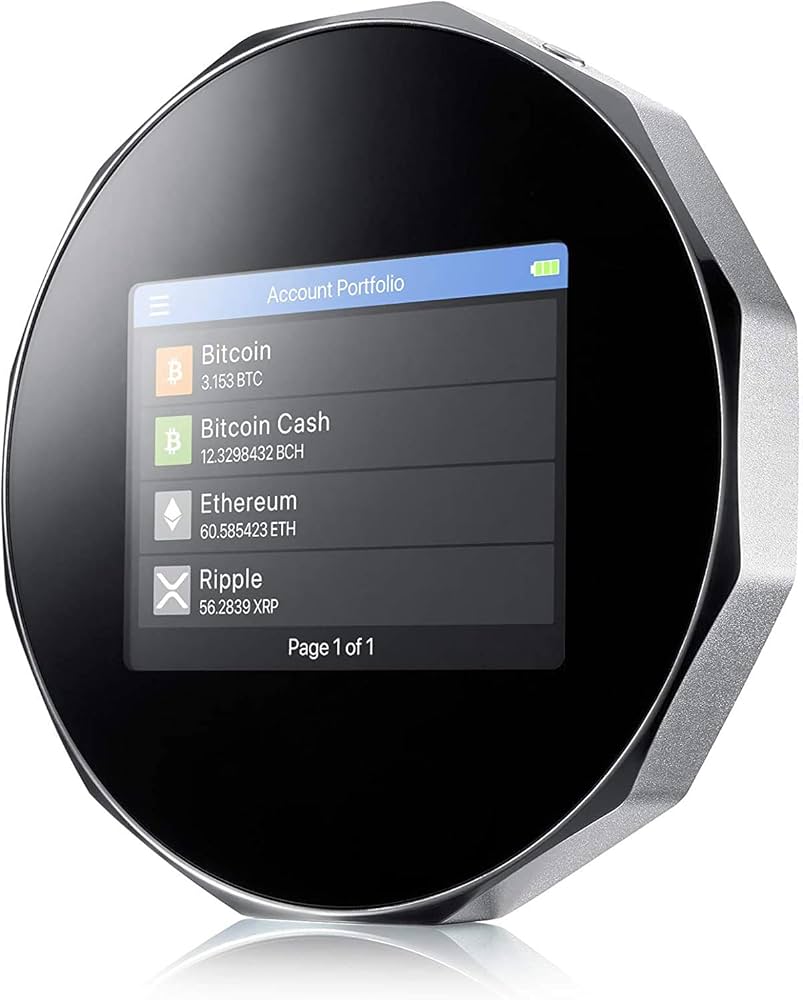
Cold storage means your private keys never touch the internet. Hardware wallets like the Ledger Stax keep keys isolated on a secure element chip. This isolation makes them virtually immune to remote hacking. The trade-off is convenience: you must physically connect the device to sign every transaction. This friction is a feature, not a bug, for long-term holders.
Hot wallets are software applications that connect to the blockchain via the internet. They offer instant access for trading, swapping, and interacting with decentralized finance (DeFi) protocols. Because they are always online, they are exposed to phishing attacks, malware, and server vulnerabilities. They are best suited for daily spending or active trading, not for storing significant wealth.
The following comparison outlines the core differences between these categories to help you decide where your assets belong.
| Feature | Cold (Hardware) | Hot (Software) |
|---|---|---|
| Security Level | High (Offline keys) | Lower (Online exposure) |
| Best Use Case | Long-term holding | Daily trading & DeFi |
| Cost | $50–$200 upfront | Free to download |
| Speed | Slow (Physical setup) | Instant |
| Risk | Loss of device | Hacking & phishing |


As an Amazon Associate, we may earn from qualifying purchases.
Most serious users adopt a hybrid approach. They keep a small amount of crypto in a hot wallet for daily expenses and move the majority of their holdings into a cold wallet for long-term security. This balances the need for liquidity with the requirement for protection against digital threats.
Best crypto wallets 2026 summary
Choosing the right crypto wallet depends on your specific needs for security, usability, and asset variety. Below is a quick reference grid comparing the primary strengths of the top seven options for 2026.
| Wallet | Type | Best For |
|---|---|---|
| Ledger Flex | Hardware | Best overall balance of screen readability and daily utility |
| Ledger Stax | Hardware | Premium offline key storage with secure element and E-ink |
| Tangem | Hardware | Simple card-based security without batteries or cables |
| Trustee Plus | Software | All-in-one daily management for diverse crypto portfolios |
| Trust Wallet | Software | Robust multichain support for DeFi and NFTs |
| Exodus | Software | User-friendly interface with built-in exchange features |
| MetaMask | Software | Essential gateway for Ethereum and EVM-compatible chains |
For those prioritizing cold storage, the Ledger Flex and Ledger Stax offer robust hardware security with modern interfaces. Tangem provides a unique card-based alternative that simplifies key management without traditional hardware complexity. On the software side, Trustee Plus and Trust Wallet cater to active users needing broad asset support, while Exodus and MetaMask remain staples for interface ease and ecosystem integration.




As an Amazon Associate, we may earn from qualifying purchases.
Checklist for choosing your wallet
Selecting the right crypto wallet requires matching your specific security needs with the right type of storage. Use this workflow to verify that a wallet meets your baseline requirements before making a purchase.
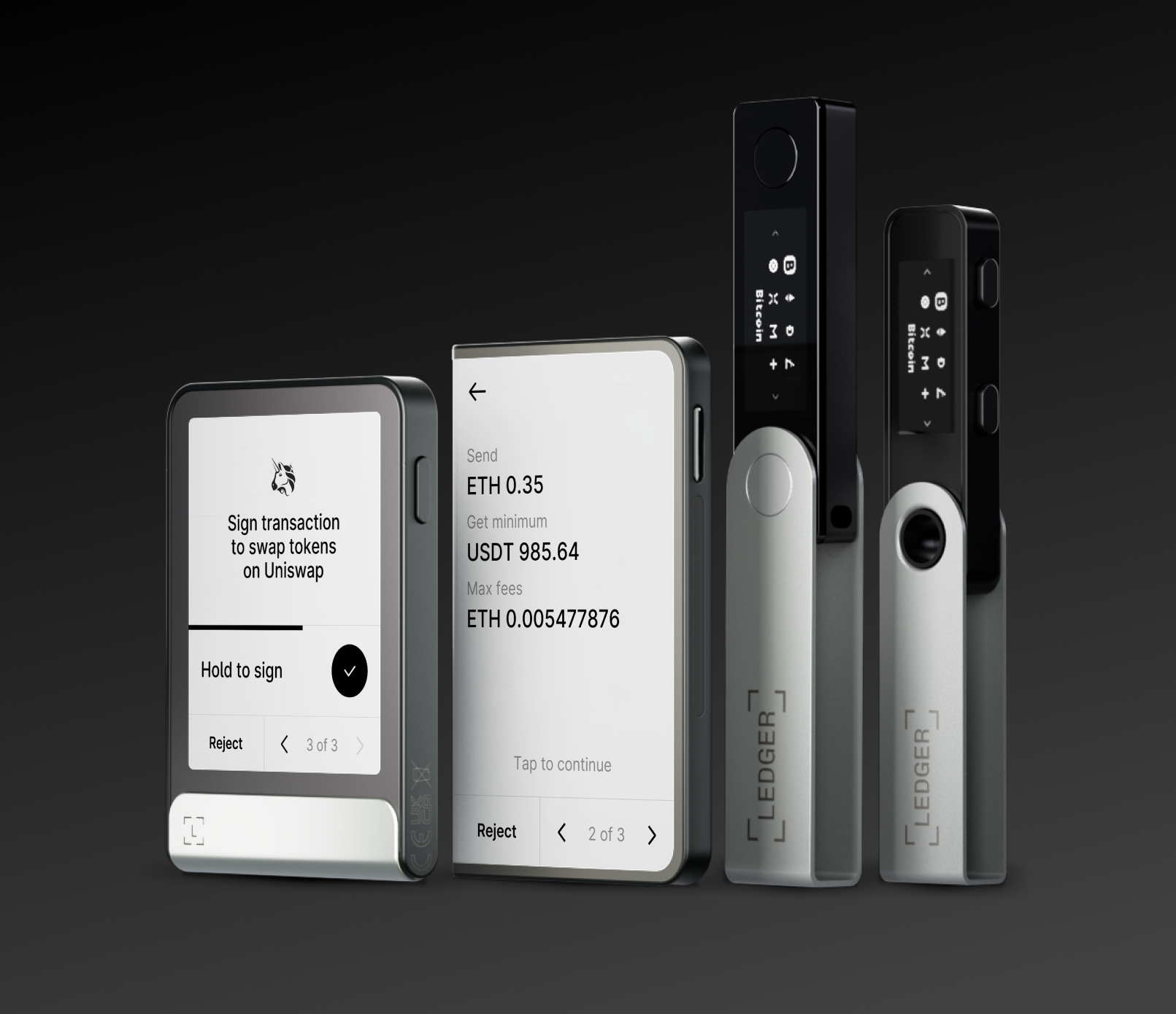
Prioritize wallets with dedicated security elements. Hardware wallets like Ledger Stax use secure chips to isolate private keys from online threats. For software options, look for open-source code and regular third-party security audits to ensure no hidden vulnerabilities exist.

Ensure the wallet supports the specific tokens you hold. Multichain wallets like Trust Wallet handle dozens of networks, while specialized tools like Blockstream Jade focus on Bitcoin. Using a wallet that does not support your primary asset leaves your funds inaccessible.
Recovery is critical. Verify the wallet uses a standard 12 or 24-word seed phrase. Avoid tools that rely on cloud backups for private keys, as these introduce central points of failure. Your wallet should give you full control over your recovery data.
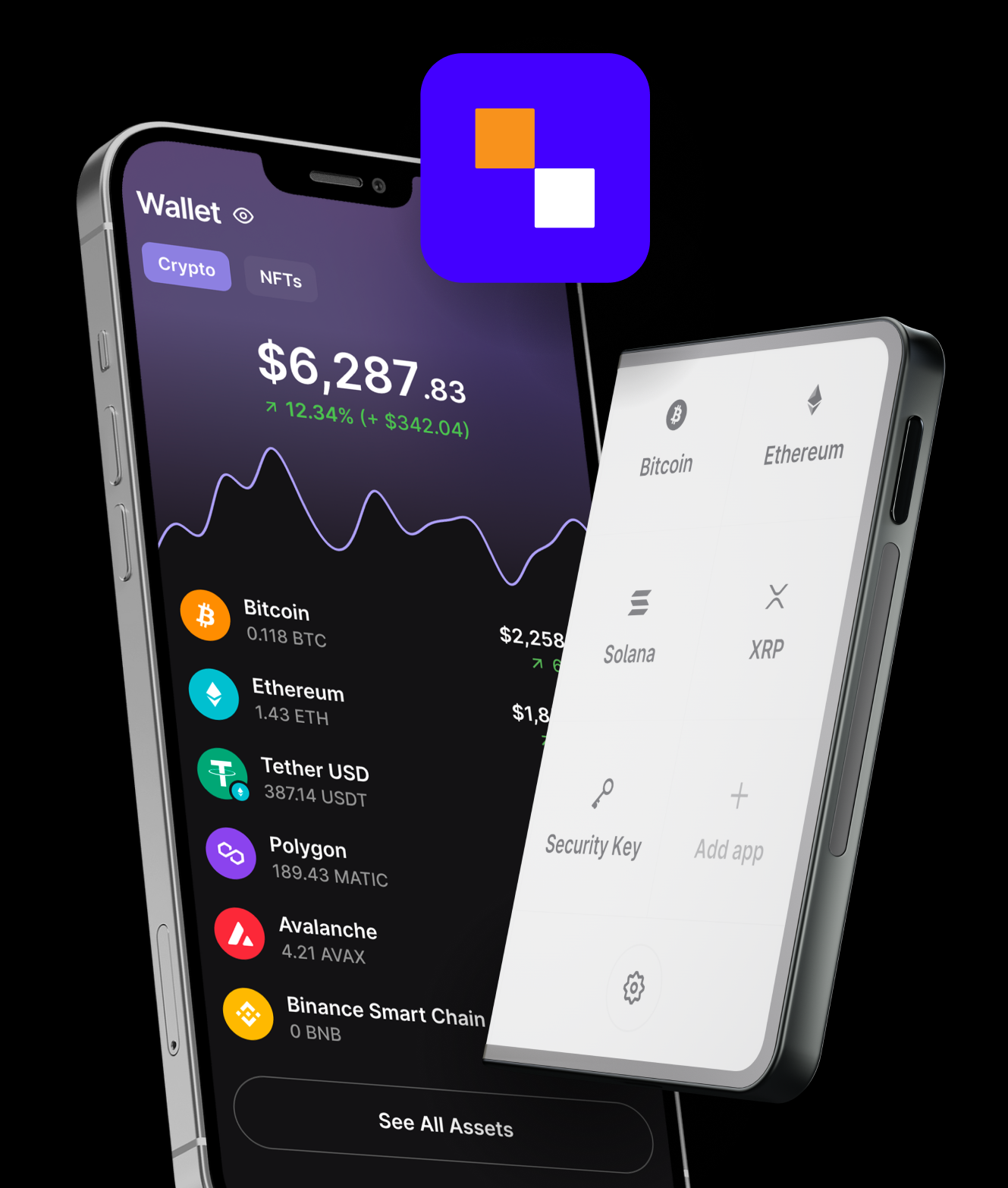
Check for hidden costs and usability issues. Many wallets charge network fees or require premium subscriptions for advanced features. Choose a clean interface that clearly displays transaction details before you confirm them to prevent costly errors.
As an Amazon Associate, we may earn from qualifying purchases.
No comments yet. Be the first to share your thoughts!