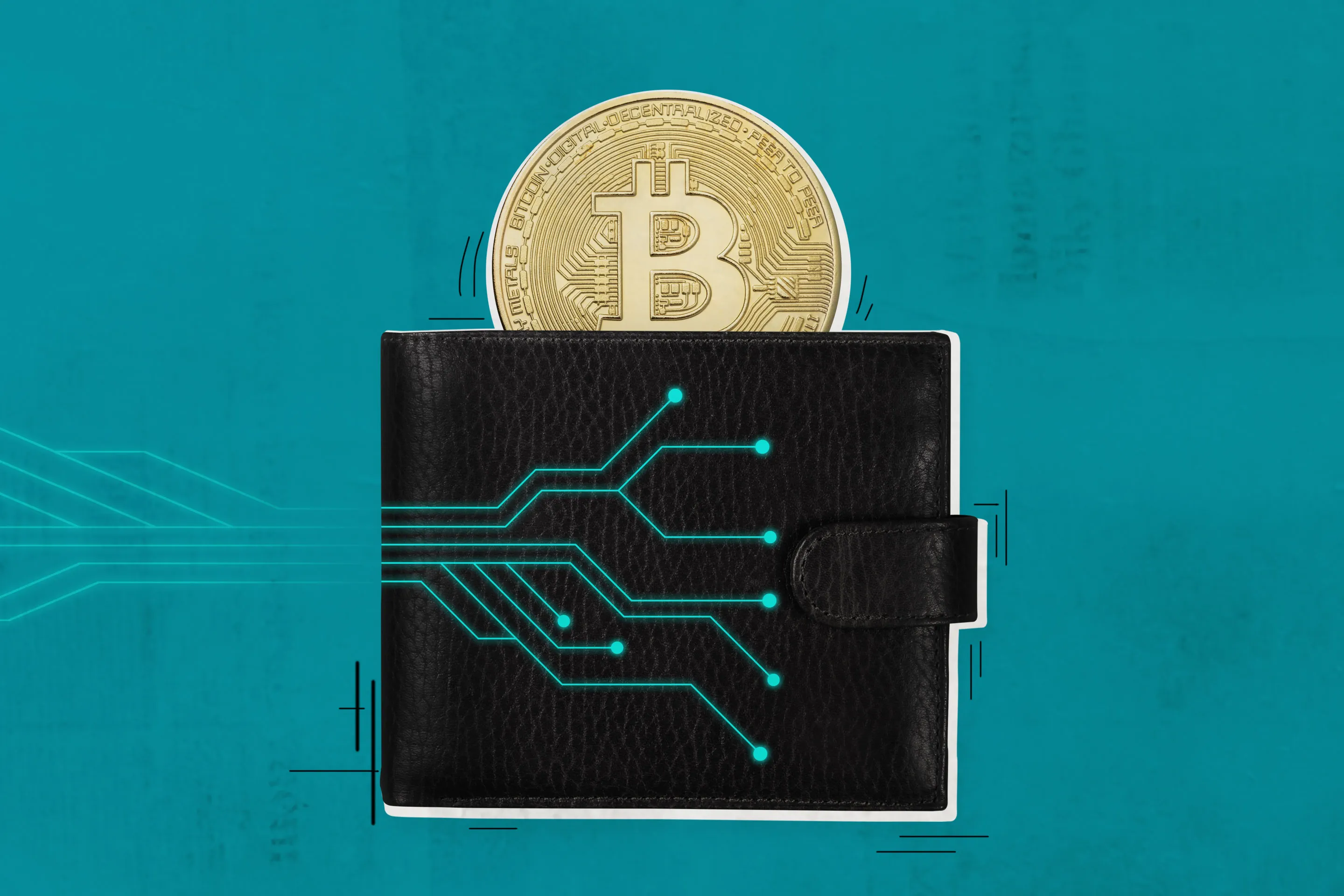
Budget-Friendly Crypto Wallets for 2026
Finding a secure crypto wallet doesn't require a premium price tag. In 2026, the market offers reliable options across three distinct price tiers, each with specific tradeoffs between security features and usability. Understanding these differences helps you match your wallet to your actual usage pattern rather than overspending on unused features.
Entry-Level Hardware Wallets ($50–$80)
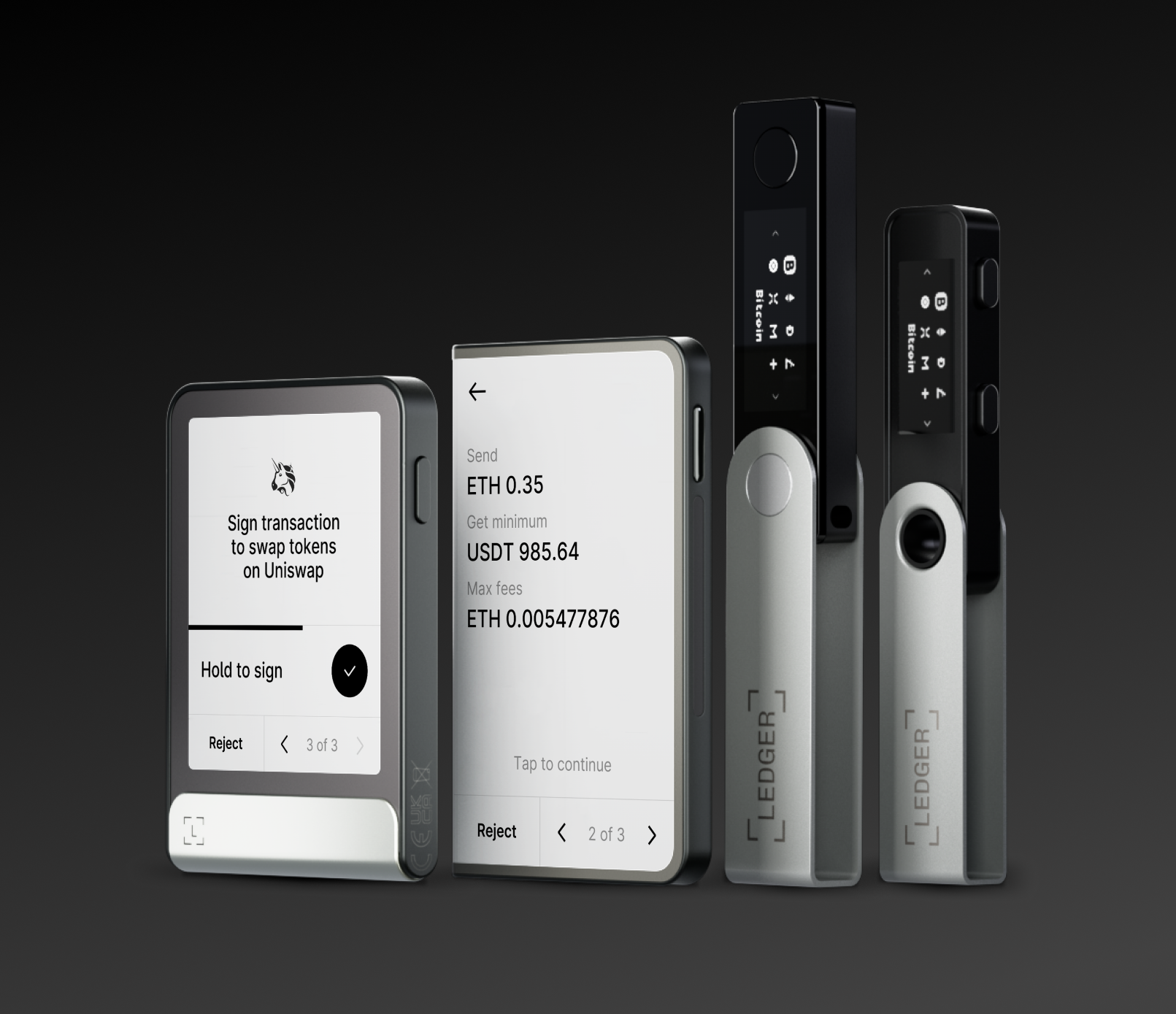
For users holding moderate amounts of Bitcoin or Ethereum, entry-level hardware wallets provide essential cold storage without breaking the bank. These devices typically support a limited range of cryptocurrencies and lack advanced display screens, but they maintain the same core security standard: keeping your private keys offline. They are ideal for long-term holders who access their funds infrequently. Look for models from established manufacturers like Ledger or Trezor, as their firmware updates and customer support infrastructure add value beyond the hardware itself.
Mid-Range Options ($100–$200)
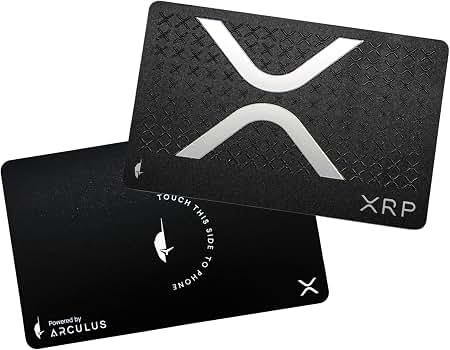
Mid-range wallets bridge the gap between basic security and user experience. These devices often feature color touchscreens, allowing you to verify transaction details directly on the device rather than relying on a computer screen that could be compromised by malware. Some models, such as the Tangem card series, offer a unique card-like form factor that is highly portable and durable. While the initial cost is higher, the improved interface reduces the risk of user error during transactions, which is a common vulnerability in crypto security.
Software Wallets (Free)
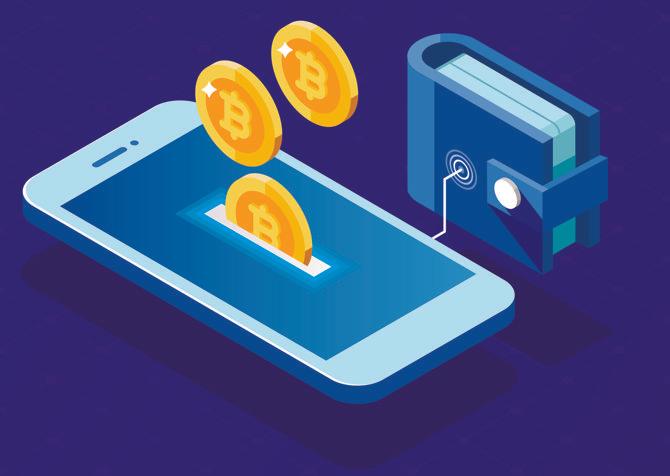
Software wallets are free to download and use, making them the most accessible option for daily trading and interacting with decentralized finance (DeFi) applications. MetaMask and Trust Wallet remain popular choices for this category. However, because they operate on your phone or computer, they are constantly connected to the internet, making them more vulnerable to phishing attacks and malware. Use software wallets only for the funds you actively trade or use, keeping the majority of your assets in a hardware wallet for maximum security.
Choosing the Right Fit
Your budget should align with your security needs. If you are holding assets for years, a hardware wallet is non-negotiable. If you are actively trading, a combination of a hardware wallet for storage and a software wallet for daily use is the most practical approach. Never compromise on security for convenience when dealing with significant assets.
Shortlist real options
We compared hardware and software wallets based on security architecture, supported assets, and usability. The best crypto wallets 2026 options balance protection against digital theft with the ease of daily transactions. Hardware wallets like Ledger and Tangem offer the highest security for long-term holding, while software options like MetaMask and Trust Wallet provide flexibility for active trading.
The following table compares the leading wallets across key metrics. We prioritize wallets that are non-custodial, meaning you retain full control of your private keys. This distinction is critical for anyone prioritizing self-sovereignty in crypto.
| Wallet | Type | Security | Best For |
|---|---|---|---|
| Ledger Stax | Hardware | Secure Element Chip | Large holdings |
| Tangem | Hardware | Secure Element Chip | Ease of use |
| MetaMask | Software | Seed Phrase | DeFi access |
| Trust Wallet | Software | Seed Phrase | Multichain trading |
| Coinbase Wallet | Software | Seed Phrase | Beginners |
Ledger Stax
Ledger remains the industry standard for hardware security. The Stax model adds a curved E Ink touchscreen, making transaction verification more intuitive than on smaller devices. It supports over 5,500 cryptocurrencies and uses a Secure Element chip certified to CC EAL5+ standards, the same level used in passports and payment cards. This setup ensures your private keys never leave the device, even when connected to a compromised computer.
Tangem
Tangem simplifies hardware security by replacing the traditional USB cable with NFC-enabled cards. You store your keys on a card that looks like a credit card, tapping it to your phone to authorize transactions. There is no screen to verify on, which some users find less transparent, but the security model is robust. It is an excellent choice for users who prioritize convenience without sacrificing the core benefits of cold storage.
MetaMask
MetaMask is the dominant gateway to the Ethereum ecosystem and other EVM-compatible chains. As a browser extension and mobile app, it allows seamless interaction with decentralized applications (dApps). While it offers unparalleled access to DeFi protocols, it is a "hot wallet," meaning it is connected to the internet. Users should only keep small amounts needed for active trading in MetaMask to minimize risk.
Trust Wallet
Owned by Binance, Trust Wallet is a popular multichain software wallet. It supports a wide range of blockchains beyond Ethereum, including Solana, Tron, and Bitcoin. The interface is clean and user-friendly, making it a strong alternative for users who manage assets across multiple networks. Like MetaMask, it requires careful security hygiene, as it is always connected to the internet.
Inspect the expensive parts
Buying a crypto wallet is only the first step. The real risk lies in how you handle the device and its recovery materials. A single mistake during setup can lock you out of your assets forever. Use this checklist to inspect the high-stakes failure points before you store your keys.
Check the physical packaging for tamper-evident seals. If the box is open, the device has likely been compromised. Never buy hardware wallets from third-party sellers on Amazon or eBay; always purchase directly from the manufacturer to ensure the firmware hasn’t been swapped.
Generate a new seed phrase and write it down on paper. Do not type it into a computer or take a photo. Verify the words match exactly on the device screen. This is your only backup; if you lose the device, this paper is the only way to recover your funds.

Set a strong PIN on the device. If your wallet supports a passphrase (a "hidden" wallet), test it separately. This adds a layer of security against physical theft, but remember: if you forget the passphrase, the funds are gone. Store it separately from the seed phrase.
Ensure the device is running the latest official firmware. Manufacturers release updates to patch security vulnerabilities. Download updates only from the official wallet app or website, never from a link in an email or a third-party site.
The best crypto wallet is the one you set up correctly. By following these steps, you ensure that your hardware and software solutions remain secure against both digital and physical threats.
Plan for ownership costs
Use this section to make the Best Crypto Wallets for decision easier to compare in real life, not just on paper. Start with the reader's actual constraint, then separate must-have requirements from details that are merely nice to have. A practical choice should survive normal use, maintenance, timing, and budget. If a recommendation only works in an ideal situation, call that out plainly and give the reader a fallback path.
The simplest way to use this section is to write down the must-have criteria first, then compare each option against those criteria before weighing nice-to-have features.
Crypto wallets 2026: what to check next
We’ve collected the most common practical questions readers ask before choosing a wallet. These answers address trust, privacy, and market reality based on current data.
Helpful gear
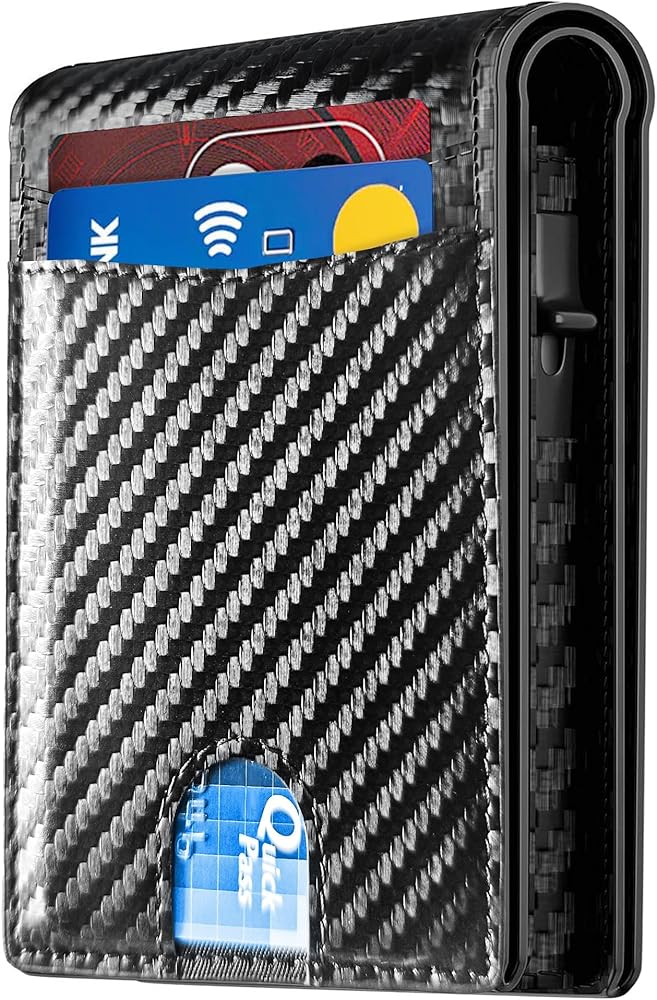
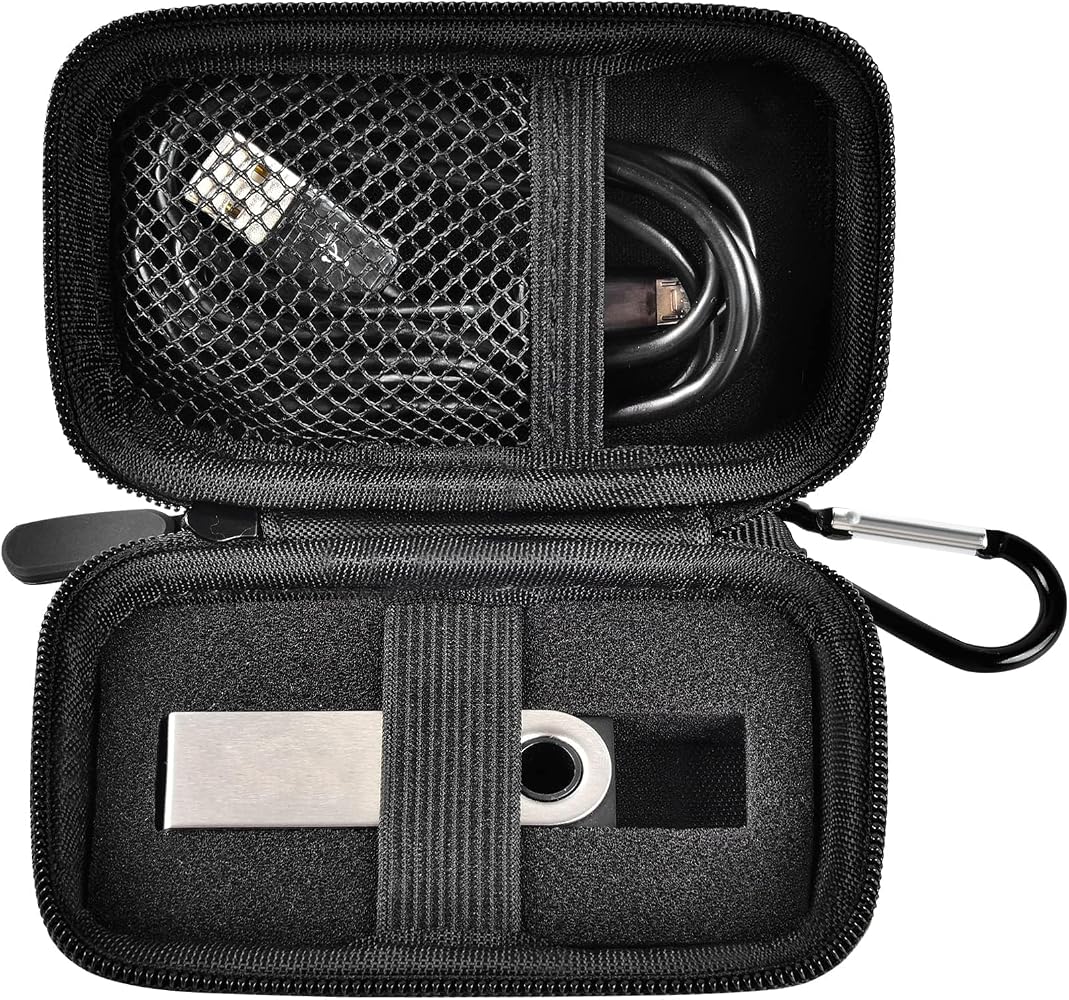
Use these product recommendations as a starting point, then choose the size, material, and price point that fit how you actually use the gear.
As an Amazon Associate, we may earn from qualifying purchases.
No comments yet. Be the first to share your thoughts!