Budget-friendly crypto wallets for 2026
Choosing a secure wallet does not require spending hundreds of dollars. The market for 2026 offers solid hardware options that balance price, durability, and essential security features. You can find reliable cold storage devices that protect your keys without the premium price tag of flagship models.
When evaluating budget options, focus on the core tradeoffs. Cheaper devices often lack color screens or advanced multi-chain interfaces, but they still provide the critical offline key storage and secure element chips needed for safety. For most users, the difference between a $50 device and a $200 device is convenience, not fundamental security.
Look for wallets that support the specific coins you hold. A budget-friendly Ledger Nano X or a comparable Trezor model handles Bitcoin and Ethereum just as securely as their more expensive siblings. Prioritize devices from established manufacturers with a history of firmware updates and transparent security audits.


As an Amazon Associate, we may earn from qualifying purchases.
Avoid unknown brands that promise high security at rock-bottom prices. The cost of a compromised wallet far exceeds the savings on the device itself. Stick to reputable vendors and verify purchase channels to ensure you receive authentic hardware with intact security seals.
Shortlist real options
Choosing the best crypto wallet for 2026 means balancing security with daily usability. The market has split into two distinct categories: hardware wallets that keep keys offline and software wallets that prioritize accessibility. Ledger dominates the hardware space with the Flex and Stax models, offering secure element chips and intuitive interfaces. For software, MetaMask and Trust Wallet remain the standard for non-custodial access, while FoxWallet and OKX are gaining traction for their AI-driven features and multi-chain support. The right choice depends on whether you prioritize cold storage security or on-the-go transaction speed.
Ledger Flex
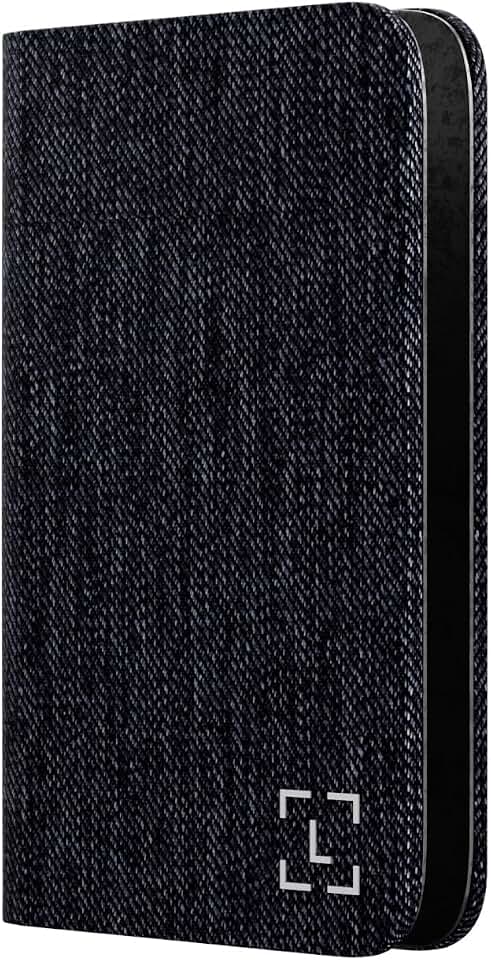
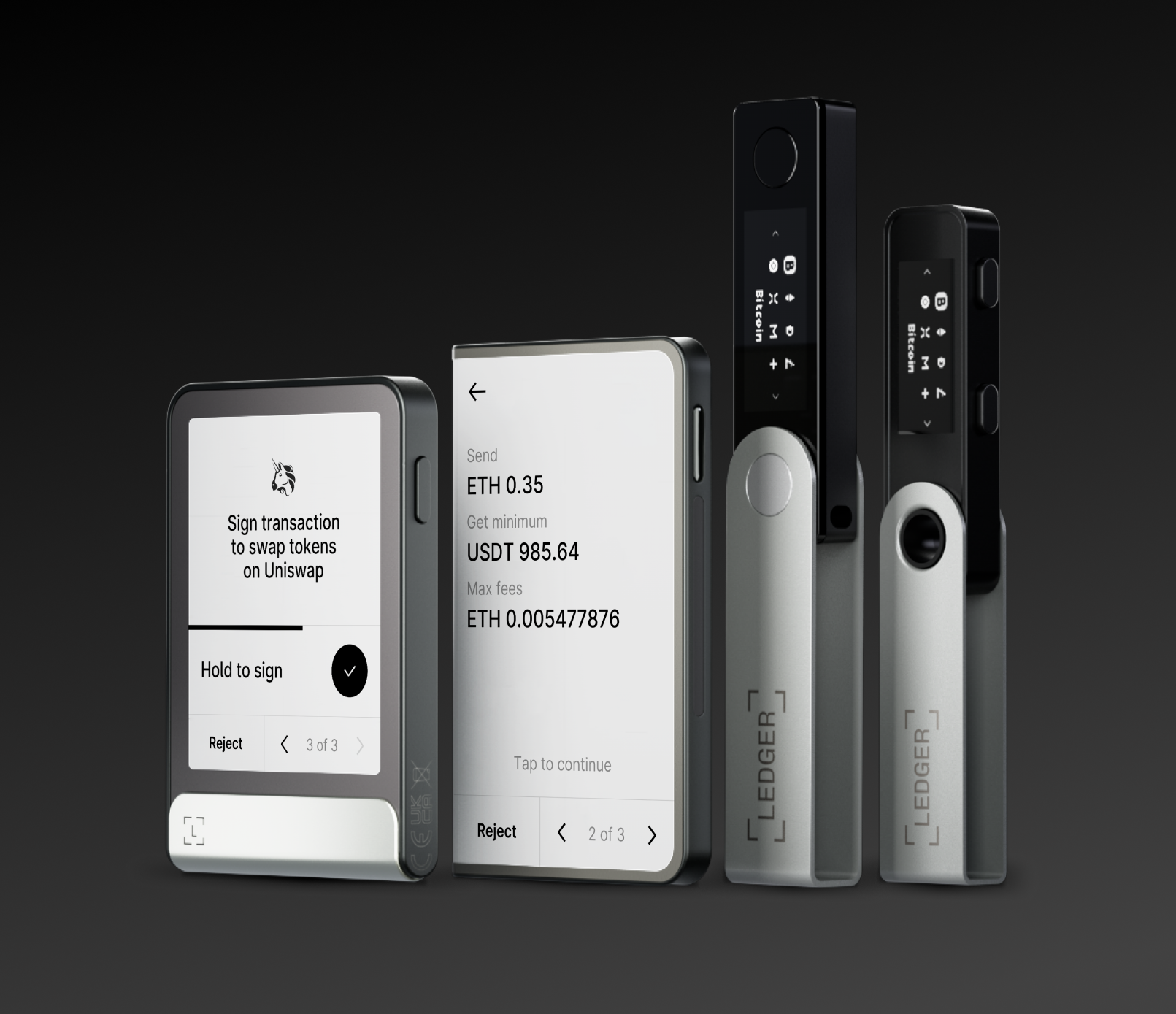
The Ledger Flex stands out as the best overall crypto wallet in 2026. It combines a flexible e-ink display with robust offline security, making it ideal for users who want a modern interface without compromising on key protection. It supports a wide range of cryptocurrencies and integrates seamlessly with Ledger Live for portfolio management. This device is best suited for active traders who need clear transaction details on the go while maintaining cold storage principles.
Ledger Stax
Ledger Stax is the top choice for those prioritizing offline key storage and secure element hardware. Its curved E Ink screen offers an easier-to-use interface than traditional hardware wallets, allowing for better visualization of NFTs and transaction data. While it lacks the flexibility of the Flex, its physical durability and security architecture make it a reliable option for long-term holders who value proven security over novel form factors.
MetaMask
MetaMask remains the most widely used non-custodial software wallet, particularly for Ethereum-based assets and DeFi interactions. It offers extensive browser extensions and mobile apps, making it a staple for web3 navigation. While it does not support offline storage, its integration with dApps is unmatched. Users should be aware that as a hot wallet, it is more vulnerable to phishing attacks if not used with caution, but its utility in the current ecosystem is indispensable.
Trust Wallet
Trust Wallet is the best option for multichain support among software wallets. Owned by Binance, it supports thousands of assets across multiple blockchains, including Bitcoin, Ethereum, and Solana. It offers built-in staking and a decentralized exchange, making it a comprehensive tool for users who hold diverse portfolios. Its mobile-first design ensures that managing assets from different chains is straightforward, though it lacks the advanced hardware security features of Ledger devices.
FoxWallet and OKX Web3
FoxWallet and OKX Web3 Wallet represent the newer generation of AI-integrated wallets. FoxWallet focuses on simplifying the user experience with intuitive AI assistants that help manage transactions and security. OKX Web3 offers a powerful suite of tools for advanced users, including cross-chain swaps and deep DeFi integration. These wallets are best for users who want cutting-edge features and are comfortable navigating more complex interfaces to maximize their portfolio's potential.
| Wallet | Type | Primary Strength | Best For |
|---|---|---|---|
| Ledger Flex | Hardware | Flexible display & security | Active traders |
| Ledger Stax | Hardware | Offline key storage | Long-term holders |
| MetaMask | Software | DeFi integration | Web3 navigation |
| Trust Wallet | Software | Multichain support | Diverse portfolios |
| FoxWallet | Software | AI integration | Modern UX seekers |
| OKX Web3 | Software | Advanced tools | DeFi power users |


As an Amazon Associate, we may earn from qualifying purchases.
Inspect the expensive parts
A crypto wallet is only as secure as its weakest component. When evaluating hot and cold options, focus on the hardware and software elements that cause the most expensive failures. Use this checklist to inspect the parts that matter most.
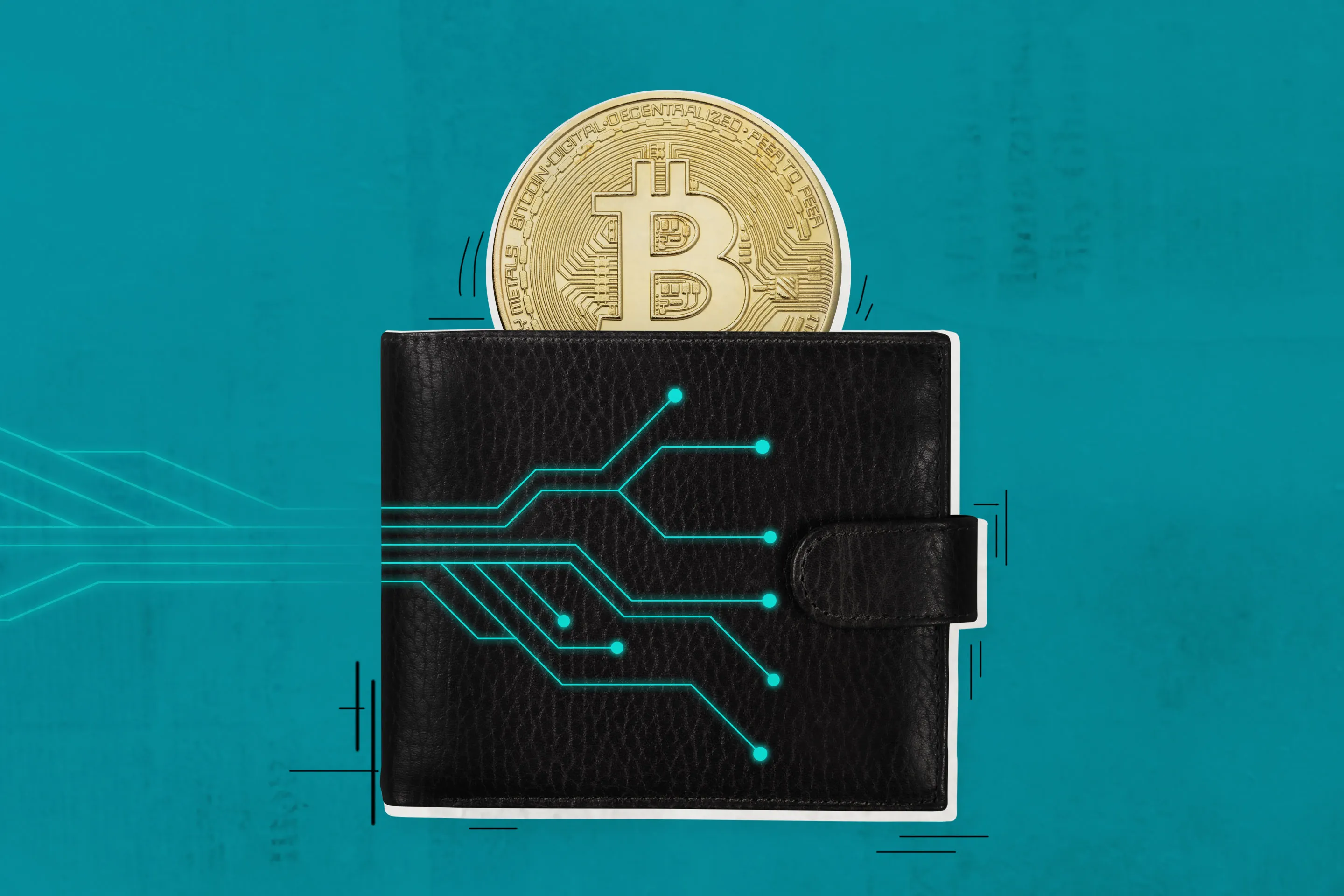
Cold wallets like the Ledger Stax rely on a dedicated secure element (SE) chip. This chip isolates your private keys from the main processor and the internet. Check if the manufacturer uses a certified SE (like CC EAL5+) and if it is tamper-resistant. Without this hardware isolation, malware on your computer can potentially extract keys from a "cold" device.
Your 12 or 24-word recovery phrase is the only way to access your funds if the device is lost or damaged. Inspect how the wallet handles this phrase. Does it offer a metal backup plate to protect against fire or water? Avoid wallets that store the seed digitally on the device or in the cloud, as these are vulnerable to remote theft.

Before you move significant funds, perform a test recovery on a separate device. This confirms that your seed phrase is written down correctly and that the wallet software can successfully restore your balance. A failed recovery test is a warning sign; do not ignore it. Many users lose access to their funds simply because they mistyped a word or lost the paper backup.
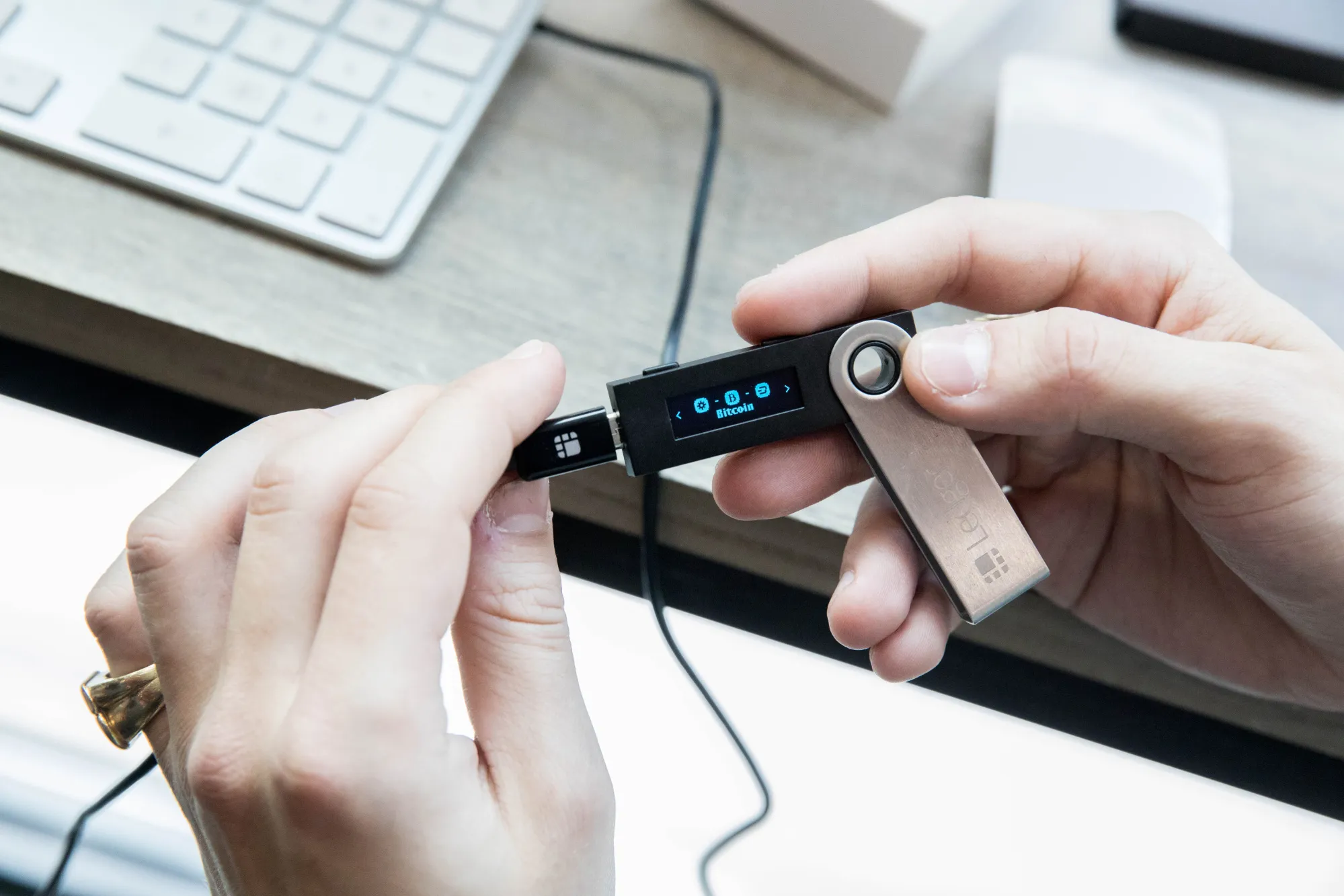
On hardware wallets, the screen and buttons are your final line of defense. When you sign a transaction, the device displays the recipient address and amount. You must verify these details manually on the device screen, not just on your computer. If the display is small or the buttons are unresponsive, you might miss a malicious change in the transaction data.
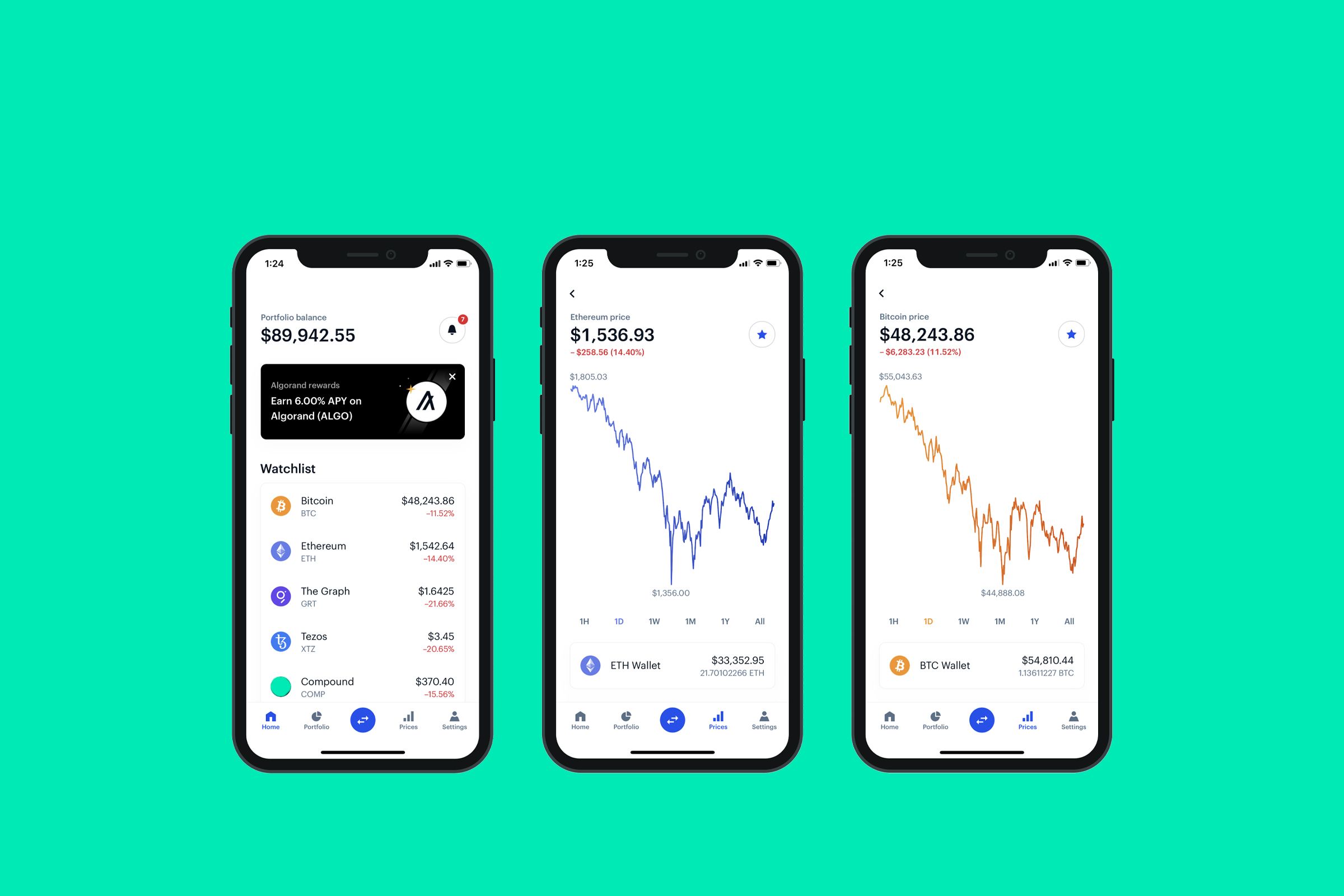
Security is not a one-time setup. Check the wallet provider’s track record for firmware updates. Do they release patches for new vulnerabilities quickly? Are the updates signed to prevent tampering? A wallet with a stagnant firmware history is a security risk, as known bugs will never be fixed.
By focusing on these specific hardware and software checks, you avoid the common pitfalls that lead to irreversible loss. Treat your wallet inspection like a safety audit, not a feature comparison.
Plan for ownership costs
A wallet’s sticker price is rarely the only expense you’ll face. Beyond the initial purchase, you should budget for the hardware accessories and software subscriptions that keep your assets secure and accessible over time.
The most common hidden cost is replacement hardware. If you use a hardware wallet like the Ledger Stax or Ledger Flex, you will eventually need a replacement USB-C cable or a new secure element device if the original fails. Budgeting for a spare cable or a backup device prevents lockouts during critical moments.
Software and connectivity can also add up. While many wallets are free, advanced features like multi-chain support, AI-driven security alerts, or enterprise-grade analytics often require paid tiers. Check if your chosen wallet charges annual fees for premium security features or cross-chain swap services.


As an Amazon Associate, we may earn from qualifying purchases.
When a cheap buy stops being cheap, it’s usually because the device lacks durability or essential security features. A $20 software wallet may seem like a bargain, but if it lacks a secure element, you risk losing more in a single hack than the wallet’s cost. Always factor in the cost of potential losses when evaluating "cheap" options.
No comments yet. Be the first to share your thoughts!