Budget crypto wallets for 2026
Finding a secure wallet doesn't require spending hundreds of dollars. The market offers entry-level hardware options that provide core offline security, though they often simplify the user interface or support fewer cryptocurrencies. Choosing a budget device means prioritizing essential features—like secure element chips and open-source firmware—over flashy screens or extensive altcoin compatibility.
The Trezor One stands out as the most affordable entry point into hardware security. Priced around $49, it supports approximately 1,000 cryptocurrencies and offers robust protection for your private keys without the complexity of a touchscreen interface. It is an ideal starting point for users who hold Bitcoin, Ethereum, and major altcoins but do not need advanced staking interfaces or NFT management tools.
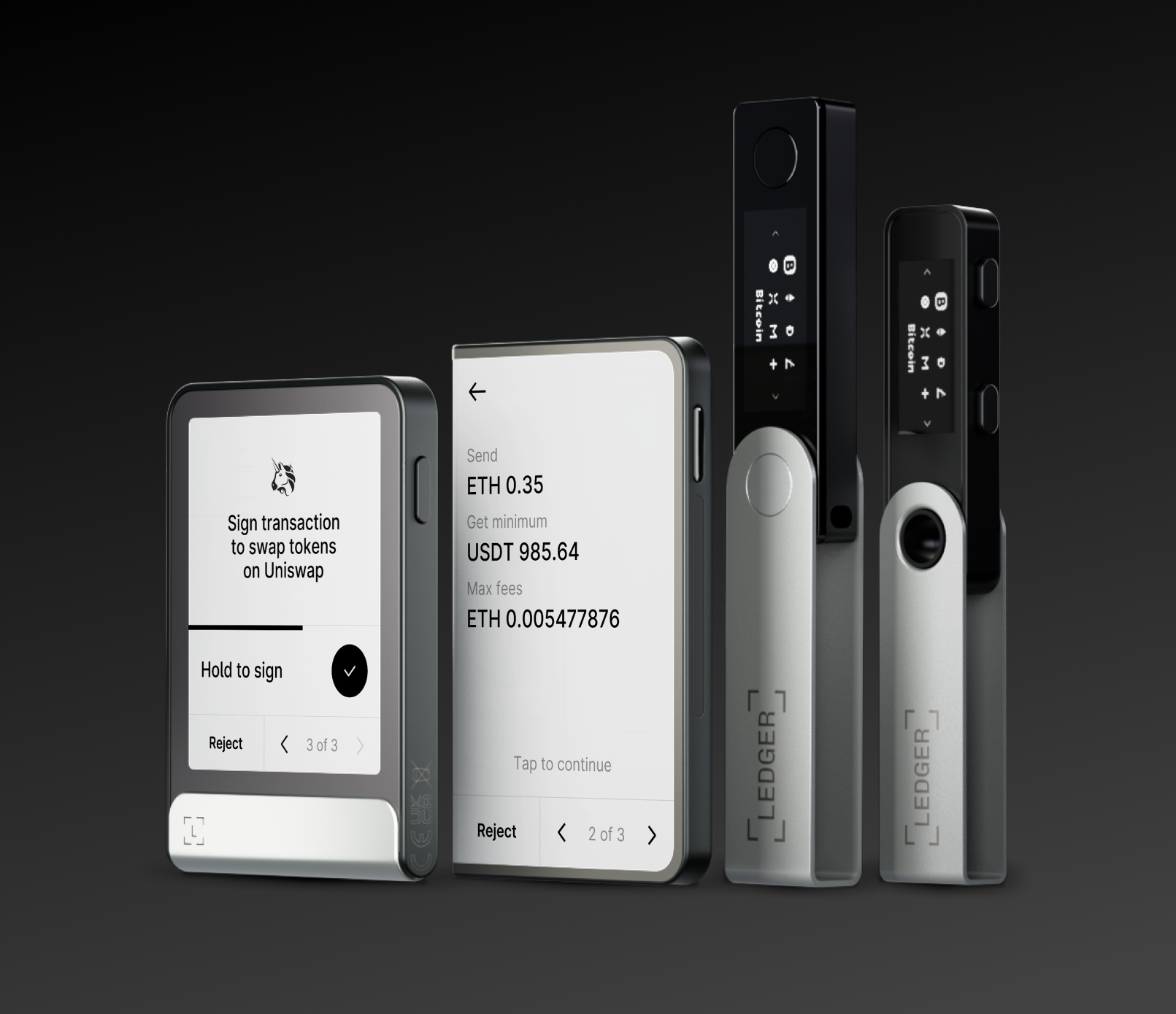
For those willing to spend slightly more, the Ledger Stax offers a more modern experience. While not strictly a "budget" device, its value lies in combining a secure element with an easier-to-use interface compared to older hardware wallets. It bridges the gap between basic security and the convenience needed for active traders who want to manage assets without sacrificing safety.


As an Amazon Associate, we may earn from qualifying purchases.
When evaluating these options, check the condition of used devices carefully. Always purchase from authorized retailers to avoid tampered units. A budget wallet is only as secure as its source, and the savings are not worth the risk of compromised hardware.
Shortlist real options
The best crypto wallets in 2026 fall into two distinct camps: hardware devices that keep keys offline and software apps that prioritize speed. Ledger Stax leads the hardware category by pairing a secure element with a significantly easier interface than previous generations. For budget-conscious users, Trezor remains a top contender, supporting around 1,000 cryptocurrencies at a lower entry price point.
Software wallets dominate the multichain space. Trust Wallet and Phantom are frequently cited for their ability to handle diverse ecosystems without friction. Trustee Plus also appears in recent reviews for its integrated exchange features. When selecting a wallet, prioritize the specific assets you hold; hardware wallets generally support more tokens than their software counterparts.
The table below compares the core capabilities of these leading options. Hardware wallets like Ledger and Trezor offer superior security for long-term holdings, while software wallets provide better access for active trading and staking.
| Wallet | Type | Best For | Assets |
|---|---|---|---|
| Ledger Stax | Hardware | Security & UI | 5,500+ |
| Trezor | Hardware | Budget Security | 1,000+ |
| Trust Wallet | Software | Multichain | 100,000+ |
| Phantom | Software | Solana & NFTs | 10,000+ |
For hands-on evaluation, recent video reviews from 2026 demonstrate the practical differences in setup and transaction speed between these platforms. These comparisons highlight why interface usability is becoming as important as raw security metrics for everyday users.
How to inspect expensive failure points
Choosing the wrong crypto wallet is not just an inconvenience; it is a permanent loss of capital. When you inspect a wallet, you are looking for the specific mechanisms that protect your keys from theft, corruption, and vendor lock-in. This checklist focuses on the high-cost failure points where most users get burned.
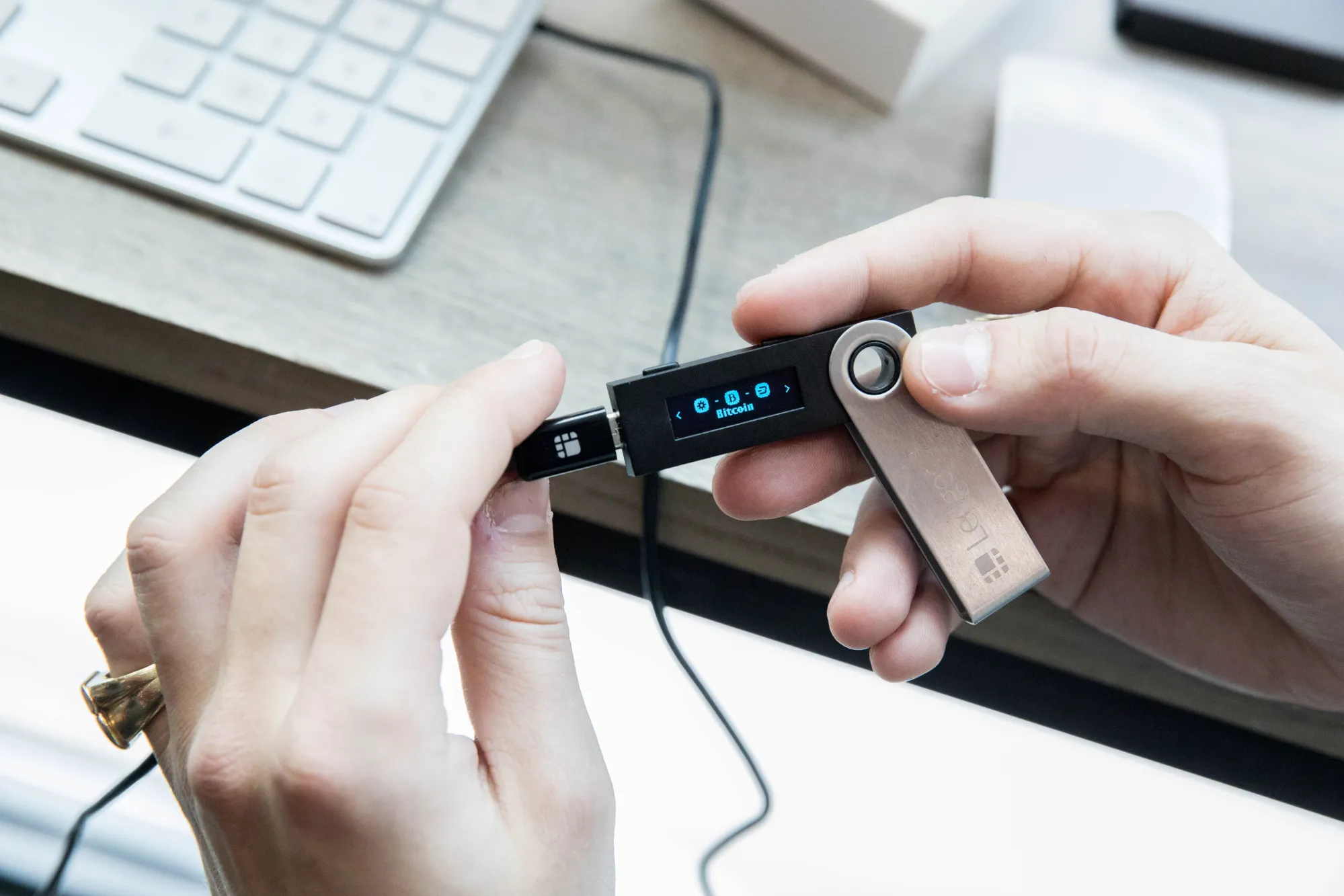
Offline hardware wallets like the Ledger Stax or Trezor models rely on a Secure Element (SE) chip to isolate private keys from the host computer. Inspect whether the device uses a certified SE chip (like STMicroelectronics) or just a standard microcontroller. The SE provides physical tamper resistance against side-channel attacks, which is the primary defense against sophisticated hacking attempts targeting your seed phrase.
Your seed phrase is the only way to recover your funds if the device breaks or is stolen. Ensure the wallet generates the phrase locally on the device, not on your connected computer or phone. If a wallet displays the seed phrase on a screen for you to write down, verify that it uses a "shamir backup" or similar split-recovery method if available, as this adds a layer of redundancy against physical loss or damage to the single paper record.

Hardware wallets require firmware updates to patch security vulnerabilities. Inspect the vendor’s update history and transparency. Ledger, for example, faced backlash for a "supply chain attack" involving their update server. Look for vendors who allow offline firmware verification and have a clear, auditable track record of responding to critical security flaws without compromising user privacy or key integrity.
A wallet that does not support your specific tokens is functionally useless. Check the official compatibility list for the number of supported cryptocurrencies and tokens. For instance, Trezor supports around 1,000 cryptocurrencies, while Ledger supports over 5,500. If you hold niche altcoins or specific NFT standards, verify they are natively supported in the companion app before purchasing. Unsupported assets cannot be sent or received, effectively locking your funds.
The real cost of owning a crypto wallet
The sticker price is only the first expense. When you buy a hardware wallet, you are purchasing a security tool that requires maintenance, potential replacements, and sometimes subscription fees to access advanced features like staking rewards or AI-driven insights.
A $49 Trezor One might seem like a bargain compared to the Ledger Stax, but consider the long-term value. The Trezor supports around 1,000 cryptocurrencies, which is sufficient for most users, but lacks the premium secure element chip found in higher-end models. If you hold significant assets, the cheaper option might cost you more in security risks or limited functionality.
Maintenance surprises often come from firmware updates or the need to replace a damaged device. Unlike software wallets, hardware wallets are physical objects that can break. If your device fails and you haven't secured your recovery seed in multiple offline locations, the cost to recover your assets can be astronomical. Some wallets also charge annual fees for premium security features or insurance, which adds up over time.
When a cheap buy stops being cheap is when you factor in the cost of potential loss. A wallet that is easy to use and robustly secured might have a higher upfront cost, but it prevents the catastrophic expense of a hack or loss. Always weigh the total cost of ownership, including security, convenience, and longevity, before making a purchase.


As an Amazon Associate, we may earn from qualifying purchases.
Crypto wallets 2026: what to check next
Answering practical objections before you choose a wallet.
What is the most trusted crypto wallet?
Ledger Stax is widely considered the most trusted option for 2026. It combines a secure element hardware chip with a user-friendly interface, offering a balance of institutional-grade security and daily usability that makes it a top recommendation for those prioritizing safety.
Can the IRS see your crypto wallet?
The IRS cannot directly view your wallet balance, but it can track transactions through exchanges. If you buy or sell crypto on a regulated platform, the exchange may issue a tax form like a 1099. Using a non-custodial wallet improves privacy, but it does not hide your history from tax authorities if your funds move through a tracked exchange.
What are the top 5 crypto wallets?
Industry reviews consistently highlight five leading non-custodial wallets: FoxWallet, MetaMask, OKX Web3 Wallet, Trust Wallet, and Coinbase Wallet. These platforms support a wide range of tokens and offer robust mobile and desktop experiences. Choosing among them depends on your preferred network, such as Ethereum or Solana.
What crypto is going to explode in 2026?
Predicting specific cryptocurrencies that will "explode" is speculative and highly risky. Market trends shift rapidly based on regulation, adoption, and technology updates. Instead of chasing hype, focus on wallets that support multiple chains and staking rewards, allowing you to adapt your portfolio as the market evolves.
No comments yet. Be the first to share your thoughts!