Crypto wallets 2026 budget
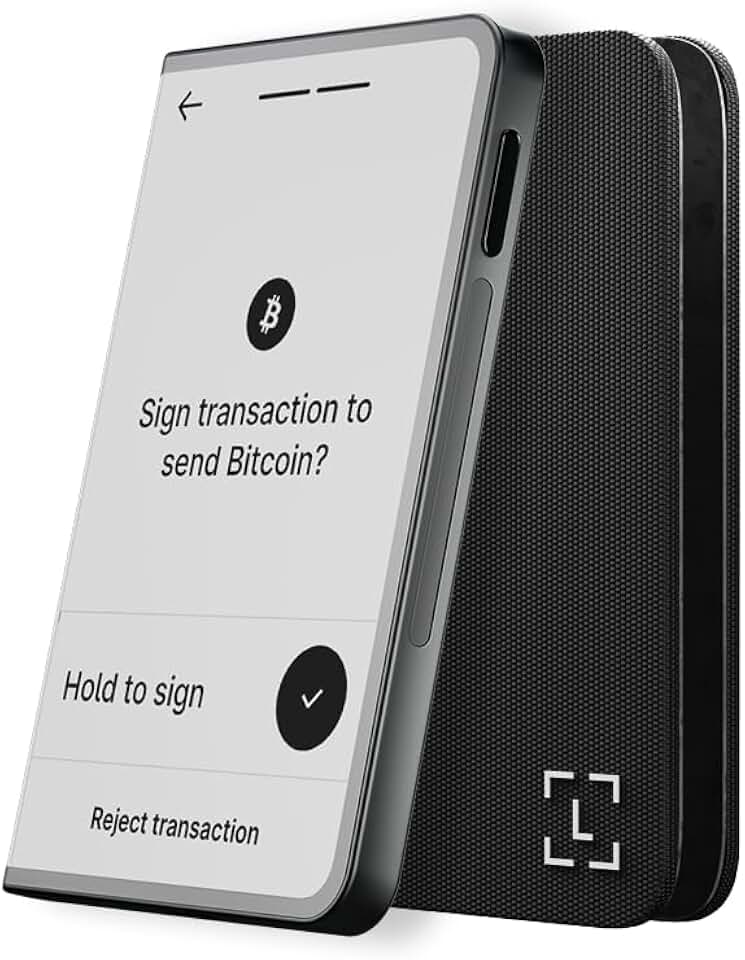
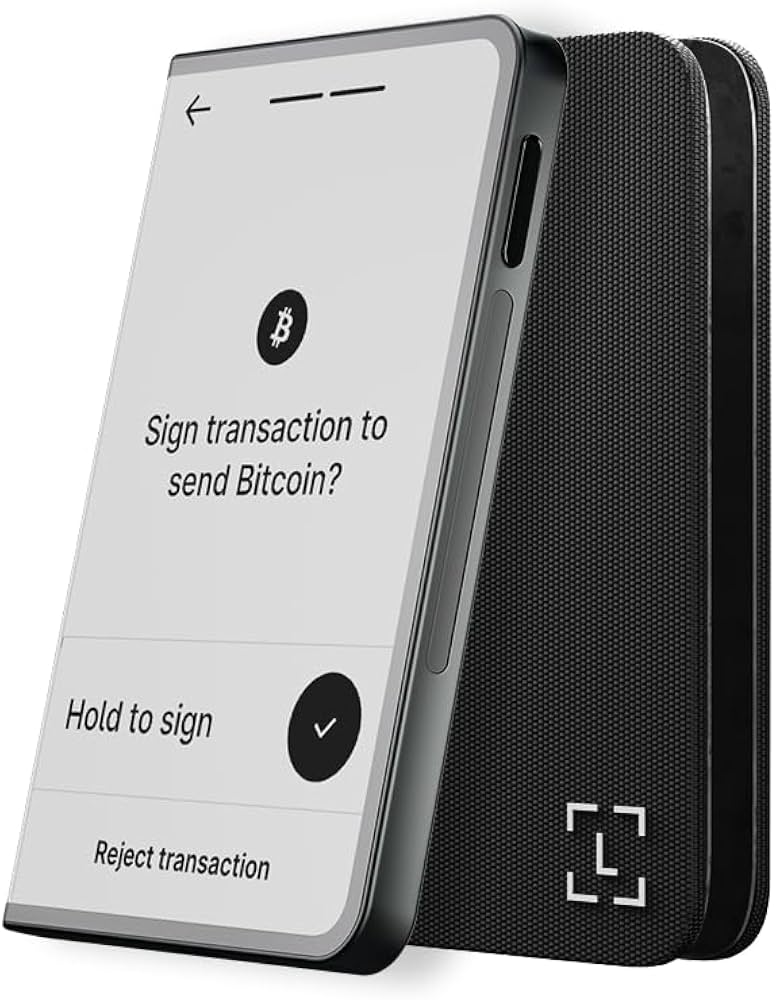
Finding the right wallet often means balancing upfront cost against long-term security. In 2026, the market splits into two clear tiers: free software options for small balances and hardware devices for substantial holdings. The Ledger Stax stands out for its offline key storage and secure element hardware, offering a more intuitive interface than many competitors while maintaining high security standards [src-serp-1].
For those on a tight budget, starting with a reputable hot wallet is a pragmatic choice. You can often access free Bitcoin or initial credits by signing up through certain hardware wallet promotions, effectively offsetting the cost of entry [src-serp-2]. This approach allows you to test the ecosystem without immediate financial commitment. However, as your portfolio grows, the cost of a hardware wallet becomes an insurance policy rather than just an expense.
When evaluating value, look beyond the sticker price. Consider the device's lifespan, update frequency, and multi-chain support. A slightly more expensive device that supports a wider range of assets may offer better long-term value than a cheaper, limited option. Always purchase directly from the manufacturer to avoid tampered devices, a common risk in the secondary market.


As an Amazon Associate, we may earn from qualifying purchases.
Shortlist of the best crypto wallets in 2026
Choosing the right best crypto wallets 2026 options means balancing security, blockchain support, and daily usability. The market has shifted toward non-custodial solutions where you hold your private keys, reducing reliance on centralized exchanges. Below, we compare the strongest contenders based on current features, security architecture, and multi-chain capabilities.
Ledger Stax
Ledger Stax stands out as the top choice for hardware security combined with a modern interface. It features a curved E Ink display that lets you verify transaction details visually before signing, addressing a common pain point in cold storage. The device includes a secure element chip similar to those used in passports, ensuring private keys never leave the device. While it supports a vast array of assets, its primary strength lies in its robust offline protection for long-term holders.
MetaMask
MetaMask remains the dominant gateway for Ethereum and EVM-compatible chains. It is primarily a browser extension and mobile app, making it ideal for interacting with decentralized applications (dApps) and DeFi protocols. While it lacks the physical security of a hardware wallet, it integrates seamlessly with Ledger and Trezor devices for enhanced protection. Its widespread adoption makes it the standard for NFT management and web3 navigation.
Trust Wallet
Trust Wallet is a strong option for users who need true multi-chain support without complexity. Owned by Binance, it supports over 70 blockchains and hundreds of thousands of tokens. It is a non-custodial mobile wallet, meaning you control your keys while enjoying a user-friendly interface. It includes a built-in DApp browser and staking features, allowing users to earn yields directly within the app without moving funds to external exchanges.
Phantom
Originally built for Solana, Phantom has expanded to support Ethereum and other major networks. It is widely regarded for its speed and clean interface, making it a favorite among active traders and NFT collectors. Phantom’s security model is robust, with clear transaction previews and phishing detection. It is particularly well-suited for users who prioritize a smooth, fast experience across multiple chains.
Coinbase Wallet
Coinbase Wallet offers a distinct advantage by separating self-custody from the centralized Coinbase exchange. It provides a familiar interface for users already in the Coinbase ecosystem but operates as a non-custodial wallet. This means Coinbase does not hold your keys or funds. It supports a wide range of assets and integrates with many dApps, making it a practical choice for beginners who want self-custody without the steep learning curve of other hardware or software options.
| Wallet | Type | Key Chains | Best For |
|---|---|---|---|
| Ledger Stax | Hardware | 100+ | Max security & offline storage |
| MetaMask | Software | EVM (Eth, BSC, Arb, etc.) | DeFi & DApp interaction |
| Trust Wallet | Mobile | 70+ | Multi-chain & staking |
| Phantom | Software | Solana, Eth | Speed & NFTs |
| Coinbase Wallet | Mobile/Web | EVM, Sol, BTC | Beginners & ecosystem users |


As an Amazon Associate, we may earn from qualifying purchases.
Inspect the expensive parts
Crypto wallets are software interfaces, but they guard assets that cannot be recovered if the underlying infrastructure fails. When evaluating a wallet in 2026, look past the marketing claims and inspect the specific components that lead to permanent loss.
Verify the secure element
Most reputable hardware wallets, such as the Ledger Stax, rely on a dedicated secure element chip to isolate private keys from the main processor. This chip is certified to common security standards, making it significantly harder to extract keys via physical attacks or malware. If a wallet claims "offline" security but lacks a certified secure element, treat it as a standard software wallet with an awkward interface.
Check the recovery seed implementation
The 24-word recovery phrase is your only lifeline. Inspect how the wallet generates and displays these words. High-quality devices use a secure random number generator that is audited for bias. Crucially, check if the device displays the words on its own screen rather than sending them to your computer or phone. If the seed is ever displayed on a connected screen, your keys are already compromised.
Audit the multi-chain support
Supporting "multi-chain" often means the wallet simply displays different blockchains, but the security of each chain varies. Verify that the wallet uses independent derivation paths for each asset class. Sharing derivation paths across unrelated chains can create vulnerabilities where a transaction on one network exposes keys to another. Ensure the wallet clearly isolates these paths.
Review the update mechanism
Security is a moving target. Check how the wallet handles firmware and application updates. A robust wallet requires you to verify the firmware signature before installing updates. If a wallet installs updates silently or without a clear verification step, you risk installing modified software that drains your assets.
Inspect the open-source status
For hardware wallets, the firmware source code should be open-source. This allows independent security researchers to audit the code for backdoors or vulnerabilities. If the code is closed-source, you must rely entirely on the company's internal security claims. In the high-stakes world of crypto custody, transparency is not a feature; it is a requirement.


As an Amazon Associate, we may earn from qualifying purchases.
Plan for ownership costs
A crypto wallet’s sticker price is rarely its final cost. While hardware wallets like the Ledger Stax offer secure element protection and a modern interface, the real expense often comes from maintenance, accessories, and the hidden fees of trading through the device itself.
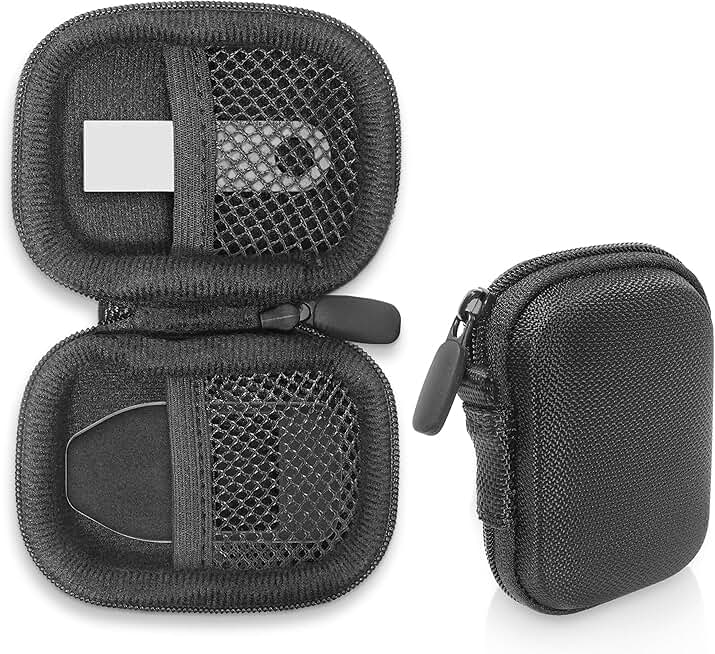
Hardware wallets are not one-time purchases. You must budget for a secure storage solution when the device is not in use. A simple safe or a fireproof lockbox protects your device from theft or disaster, adding a one-time setup cost that software-only wallets avoid. Additionally, you may need a dedicated charging cable or a second device to manage transactions if your primary phone lacks NFC or USB-C compatibility.
Trading fees are another silent cost. Hardware wallets are designed for security, not speed. Sending assets often requires visiting a browser-based interface like Ledger Live or MetaMask. If you trade frequently, the gas fees and spread costs on these platforms can quickly exceed the initial price of the wallet. For long-term holders, this friction is negligible. For active traders, a hardware wallet may actually increase your cost per transaction.
When a cheap buy stops being cheap is usually tied to security failures. The lowest-priced devices often lack independent security audits or use outdated firmware. If a cheaper wallet is compromised, the loss of funds far outweighs the savings. Prioritizing a device with a proven track record and active support ensures you aren’t paying for a future disaster.


As an Amazon Associate, we may earn from qualifying purchases.
Crypto wallets 2026: what to check next
We know you have practical concerns before handing over control of your assets. These answers address the most common objections readers raise when choosing a new wallet in 2026.
No comments yet. Be the first to share your thoughts!