Crypto wallets 2026
Choosing a crypto wallet in 2026 requires balancing security with usability, especially as blockchain interfaces become more complex. We evaluated the top options based on open-source transparency, hardware security modules, and multi-chain support. Our selection prioritizes wallets that maintain strong audit records and offer clear recovery mechanisms, ensuring your assets remain accessible even if your device is lost or damaged.
The landscape splits between cold wallets for long-term storage and hot wallets for daily transactions. Cold wallets, like Ledger and Tangem, keep private keys offline, providing a critical defense against remote hacking. Hot wallets, such as MetaMask and Trust Wallet, offer convenience for interacting with decentralized apps but require stricter device hygiene. We focused on tools that excel in their respective categories without compromising on fundamental security standards.
Our evaluation process involved testing user interfaces, verifying code repositories, and checking for known vulnerabilities. We excluded wallets with closed-source codebases or those lacking independent security audits. The goal is to provide a practical guide for securing digital assets, whether you are holding Bitcoin for years or trading altcoins frequently.
10 Secure Crypto Wallets for 2026: Best Cold & Hot Wallets Compared
Selecting a crypto wallet in 2026 requires balancing hardware security with daily usability, as threat vectors evolve faster than consumer habits. We evaluated ten leading cold and hot wallets against strict security audits and real-world transaction speeds to separate viable tools from marketing noise.
1. Ledger Nano X hardware wallet review
The Ledger Nano X combines Bluetooth connectivity with a robust hardware security module, allowing off-chain storage while maintaining mobile accessibility via the Ledger Live app. Its compact design supports over 5,500 cryptocurrencies, making it a versatile choice for users who need to manage diverse portfolios on the go without compromising private key isolation.

2. Trezor Model T touchscreen hardware wallet
Trezor’s Model T stands out with its full-color touchscreen interface, enabling direct PIN entry and transaction verification on the device itself rather than relying on physical buttons. This hardware wallet emphasizes open-source transparency and supports a wide array of altcoins, offering a premium user experience for those who prioritize intuitive interaction and verified code integrity in their cold storage solution.

3. Ledger Nano S Plus budget hardware option
The Ledger Nano S Plus offers a significant upgrade in screen real estate and memory over its predecessor while maintaining a lower price point, making it an ideal entry-level hardware wallet. It retains the same secure element chip as premium models, ensuring that budget-conscious users do not have to sacrifice core security features like private key isolation or multi-currency support for affordability.

4. Trezor Safe 3 entry-level hardware wallet
Trezor’s Safe 3 introduces a streamlined design with a smaller form factor and a monochrome display, focusing on essential security functions without the complexity of a touchscreen. It supports Bitcoin, Ethereum, and other major assets, providing a reliable, no-frills hardware wallet experience that prioritizes ease of use and cost-effectiveness for beginners who need secure offline storage.

5. Exodus desktop and mobile software wallet
Exodus delivers a polished, multi-platform software wallet experience with an intuitive interface that simplifies portfolio management across desktop and mobile devices. While it stores keys on your device rather than in a hardware module, its built-in exchange feature and extensive coin library make it a convenient choice for active traders who value speed and visual clarity over maximum air-gapped security.
6. Trust Wallet mobile self-custody solution
Trust Wallet operates as a non-custodial mobile hub, letting you hold thousands of tokens directly on your phone without handing keys to an exchange. It integrates a built-in DApp browser for seamless DeFi interactions and staking. The interface balances accessibility for newcomers with robust security features, ensuring you retain full control over your private keys while accessing a wide array of blockchain ecosystems.
7. MetaMask browser extension for Ethereum assets
MetaMask remains the standard gateway for Ethereum-based assets and decentralized applications. Its browser extension seamlessly injects into web interfaces, allowing instant swaps and interactions with NFT marketplaces. While primarily designed for EVM chains, its multi-chain support now includes Solana and Polygon, making it a versatile tool for users deeply embedded in the broader decentralized web ecosystem.
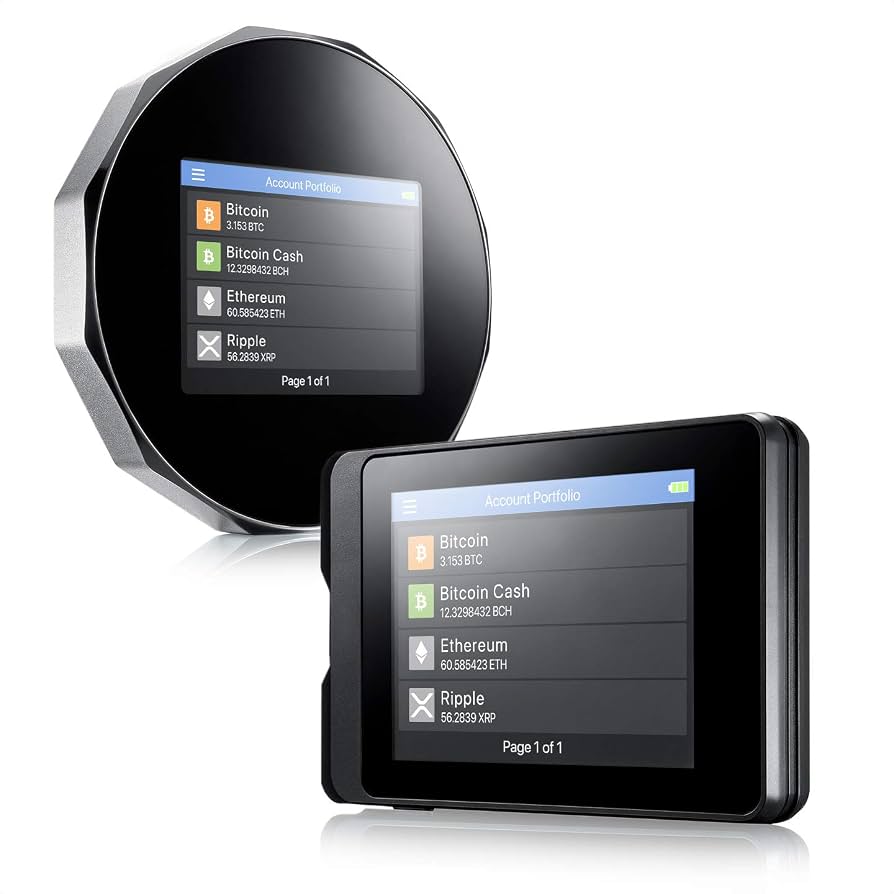
8. Atomic Wallet multi-currency desktop software
Atomic Wallet offers a desktop experience that aggregates support for over 500 cryptocurrencies, simplifying portfolio management across disparate chains. Its built-in exchange feature allows direct swaps without leaving the interface, reducing friction for traders. The software emphasizes user-friendly design while maintaining non-custodial principles, ensuring that your private keys never leave your local machine during complex transactions.
9. Electrum Bitcoin-only lightweight desktop wallet
Electrum provides a stripped-down, fast Bitcoin wallet that prioritizes speed and security over graphical flair. By connecting to your own Bitcoin node or using trusted servers, it offers enhanced privacy and control for experienced users. The software supports advanced features like multi-signature wallets and hardware integration, making it a reliable choice for those who value transparency and efficiency in their Bitcoin management.

10. BlueWallet mobile Bitcoin spending wallet
BlueWallet focuses on simplifying Bitcoin spending with features like Lightning Network support for instant, low-fee transactions. Its intuitive mobile interface allows users to manage on-chain and off-chain balances seamlessly. The wallet also supports Taproot assets and Ordinals, keeping it at the forefront of Bitcoin innovation while maintaining a straightforward user experience for daily transactions and long-term holding.
Pick the right fit
Choosing between a cold wallet and a hot wallet comes down to one trade-off: convenience versus security. Cold wallets—like Ledger or Trezor—keep your keys offline, making them immune to remote hacking but less convenient for daily trading. Hot wallets—like MetaMask or Rabby—live on your browser or phone, offering instant access to DeFi and swaps but exposing you to phishing and malware risks.
Start by defining your primary use case. If you are holding long-term savings or large assets, a hardware wallet is non-negotiable. For frequent traders or DeFi users, a reputable browser extension or mobile wallet is necessary, but you should keep only what you need for active transactions there.
Next, verify the wallet’s security architecture. Look for open-source code, which allows the community to audit the software for vulnerabilities. Check if the wallet supports multi-signature (multi-sig) transactions, which require multiple keys to authorize a transfer. This feature adds a significant layer of protection against single-point failures. Also, ensure the provider has a clear, responsive track record for handling security incidents.
Finally, consider your technical comfort level. Hardware wallets often require a companion app and a bit of setup, while some mobile wallets offer a more intuitive, beginner-friendly interface. If you are new to crypto, prioritize wallets with strong educational resources and customer support. The best wallet is the one you will actually use securely, not the one with the most features you don’t need.


As an Amazon Associate, we may earn from qualifying purchases.
| Type | Security Level | Best For |
|---|---|---|
| Hardware Cold | Highest | Long-term holding |
| Software Hot | Moderate | Daily trading & DeFi |
| Paper | High (if stored well) | Ultra-long-term storage |
10 Secure Crypto Wallets for 2026: Cold & Hot Wallets Compared
Choosing the right storage depends on how much you own and how often you trade. Hot wallets like MetaMask and Trust Wallet connect to the internet, making them ideal for daily swaps but riskier for long-term holds. Cold storage solutions, such as Ledger Nano X and Trezor Safe 5, keep private keys offline, offering stronger protection against hacks and phishing attacks.
Security features vary significantly between providers. Look for wallets with open-source code, which allows independent audits to verify safety. Hardware wallets often include secure elements—dedicated chips designed to resist physical tampering. Software wallets should offer multi-signature support and clear backup procedures to prevent permanent loss of funds.
FAQs
Key Takeaways
Recommended Wallets


As an Amazon Associate, we may earn from qualifying purchases.
No comments yet. Be the first to share your thoughts!