Crypto wallet 2026 budget
Choosing a non-custodial wallet is a balance between security, usability, and price. In 2026, the market offers distinct tiers, from entry-level hardware to premium multi-chain devices. The best choice depends on how much you value offline protection versus the convenience of mobile access.
Ledger Stax: Premium Security and Design
The Ledger Stax stands out as the best crypto wallet in 2026 for users who want offline key storage combined with a modern, easier-to-use interface. Its curved E Ink screen allows you to verify transaction details directly on the device, reducing the risk of phishing attacks. While it commands a higher price point, the secure element hardware provides robust protection for long-term holders.
Trezor: Reliable and Accessible
For those prioritizing value without sacrificing core security, Trezor offers some of the best cold wallet options. These devices are known for their open-source firmware and straightforward setup process. They are ideal for beginners who want to secure their assets without navigating complex interfaces, making them a staple in any 2026 crypto portfolio.
Budget-Friendly Alternatives
If you are just starting, you do not need to spend a fortune to secure your crypto. Many reputable brands offer entry-level hardware wallets that provide the same fundamental security features as their premium counterparts. Look for devices that support the specific coins you plan to hold and have a strong track record of security updates.


As an Amazon Associate, we may earn from qualifying purchases.
When evaluating options, consider the total cost of ownership, including any subscription fees for staking services or advanced features. A wallet that is too expensive may not justify its benefits if you are only holding a few assets. Conversely, the cheapest option might lack the security certifications needed for larger holdings. Always verify the device's authenticity upon arrival to avoid tampered products.
Shortlist real options
Finding the best crypto wallet 2026 options means balancing security with daily usability. We evaluated five leading non-custodial wallets based on interface clarity, multi-chain support, and staking flexibility. These tools keep your private keys on your device, ensuring you maintain full ownership of your assets.
The Ledger Stax stands out for hardware security, combining an E-ink touchscreen with a secure element chip for offline key storage. It is ideal for users who prioritize protection over convenience. For mobile-first users, FoxWallet and MetaMask offer robust multi-chain capabilities, allowing seamless interactions with decentralized applications across Ethereum, Solana, and other networks. OKX Web3 Wallet and Trust Wallet provide strong alternatives with integrated exchange features and broad asset support.
| Wallet | Type | Multi-Chain | Staking |
|---|---|---|---|
| Ledger Stax | Hardware | Yes | Yes |
| FoxWallet | Mobile | Yes | Yes |
| MetaMask | Browser/Mobile | Yes | Yes |
| OKX Web3 | Mobile/Browser | Yes | Yes |
| Trust Wallet | Mobile | Yes | Yes |

As an Amazon Associate, we may earn from qualifying purchases.
Each option serves a different user profile. Hardware wallets like Ledger Stax are best for long-term holding and large balances. Software wallets like MetaMask and FoxWallet are better for frequent trading and DeFi interactions. Choose based on your risk tolerance and how often you access your funds.
Inspect the expensive parts
Choosing a non-custodial wallet is an exercise in risk management. You are your own bank, which means a single configuration error can result in total loss. Before you fund a new device, run through this inspection checklist to verify the security architecture.
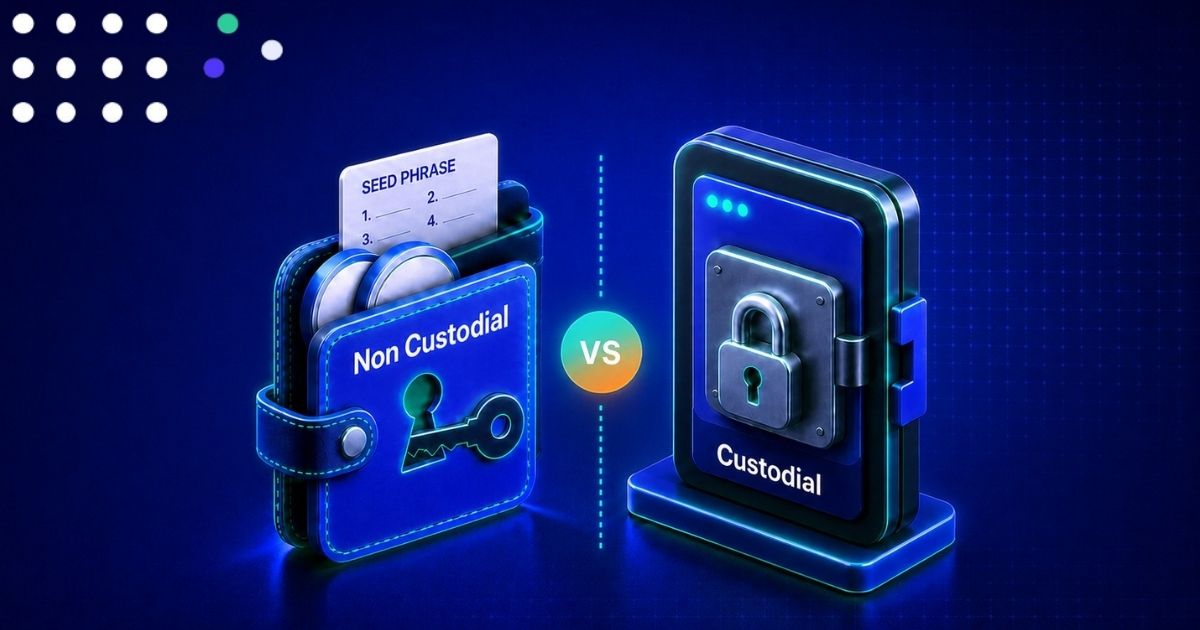
The most critical component in a hardware wallet is the secure element (SE). This is a dedicated microchip designed to resist physical tampering and side-channel attacks. Models like the Ledger Stax use an EAL6+ certified chip, which is the same standard used in passports and credit cards. If a wallet lacks an SE or relies only on a standard microcontroller, it is significantly more vulnerable to sophisticated attacks.
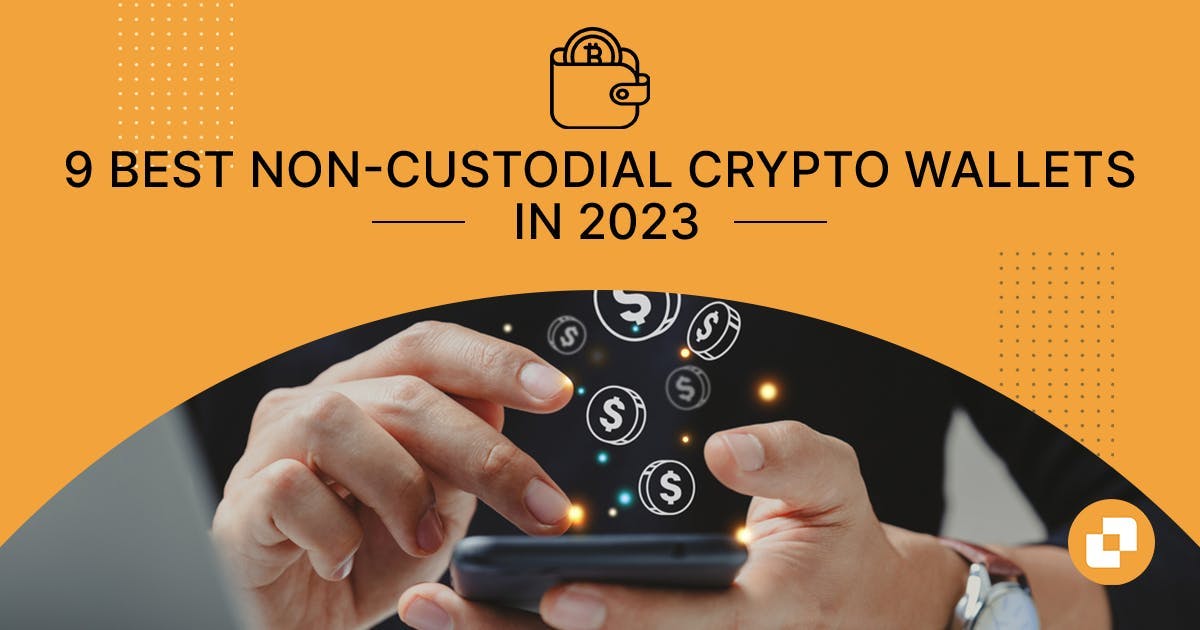
Your 12 or 24-word recovery phrase is the master key to your assets. Ensure the wallet generates this phrase locally on the device, not on a connected computer or phone. The device should display each word one by one for you to write down. If the seed is ever displayed on a screen connected to the internet, or generated by a random number generator in software, the security model is broken.
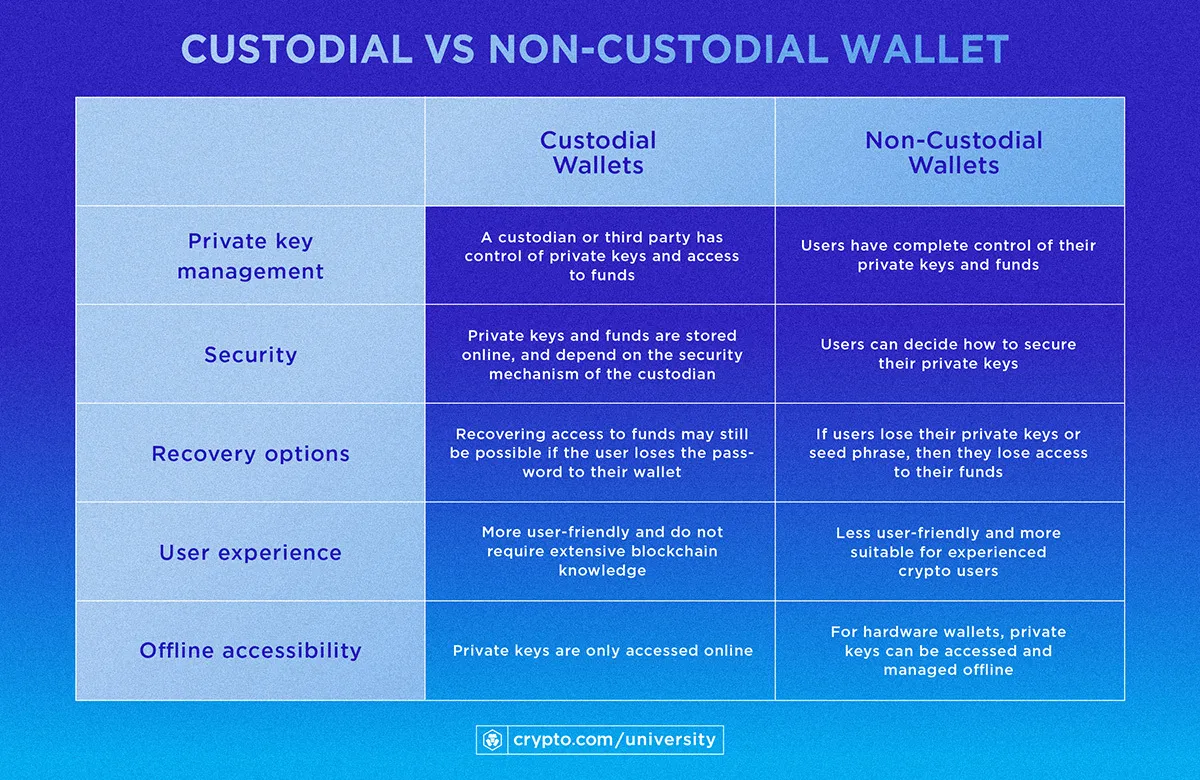
A PIN protects against casual theft, while a passphrase (BIP39) protects against coercion or device seizure. Verify that the wallet allows you to set a PIN that masks input on the screen. More importantly, test the hidden wallet feature: entering a different passphrase should reveal a separate set of funds. This allows you to have a "decoy" wallet with small amounts and a real wallet with your life savings.
Proprietary firmware is a black box. You cannot verify if it contains backdoors or vulnerabilities. Look for wallets that publish their source code on GitHub or similar platforms. While open-source code does not guarantee security, it allows independent researchers to audit the implementation. If the code is closed, you must rely entirely on the manufacturer's word, which is a high-stakes gamble.
Hardware wallets often rely on companion apps for management. Check if the app is available on official stores (Apple App Store, Google Play) and has recent updates. Be wary of wallets that require you to download APKs from unknown sources or use obscure app stores. The app should handle the transaction signing process securely, ensuring that the data sent to the blockchain matches exactly what you reviewed on the device screen.
Plan for ownership costs
A non-custodial wallet is free to download, but the hardware required to use it securely comes with a price tag. When evaluating the best crypto wallets for 2026, you must look beyond the initial purchase price to understand the total cost of ownership. A cheap device that lacks security features can lead to irreversible losses, while premium hardware often includes lifetime support and firmware updates that protect your assets over time.
Hardware and Setup Expenses
Cold storage devices like the Ledger Stax and Trezor models require an upfront investment ranging from $50 to $250. This cost covers the secure element chip that isolates your private keys from the internet. While software wallets are free, they rely on your computer or phone’s security. If your device is compromised, your funds are gone. Hardware wallets add a layer of physical verification, but you must also budget for accessories like USB-C cables or replacement screens for e-ink models.
Subscription and Service Fees
Many non-custodial wallets now offer built-in staking and yield services. While the wallet itself doesn’t take a custody fee, some platforms charge a percentage of your staking rewards or swap fees. For example, swapping tokens on a decentralized exchange through a wallet interface may incur higher gas fees during network congestion. Always check if the wallet provider takes a cut of transaction fees or if they pass the full network cost to you. In 2026, multi-chain support often means paying gas in multiple native tokens, which adds complexity and potential cost if you don’t hold the right network coins.
When a Cheap Wallet Stops Being Cheap
The cheapest option is often the most expensive in the long run. Low-cost devices may lack secure elements, making them vulnerable to malware. If you lose access to your wallet and the provider doesn’t offer robust recovery options, you may need to pay for third-party recovery services, which can cost hundreds or thousands of dollars. Additionally, if a device becomes obsolete and no longer supports new chains, you’re forced to buy a new one. Investing in a reputable brand ensures compatibility with future updates and provides a safety net if something goes wrong.


As an Amazon Associate, we may earn from qualifying purchases.
Maintenance and Recovery Costs
Maintaining a non-custodial wallet requires regular attention. You need to keep your recovery phrase in a safe, physical location. If you lose your device, the only way to recover your funds is through this phrase. If you misplace it, there is no customer support to reset your password. Some premium wallets offer insurance or accident protection plans for an annual fee, which can be worth considering for large holdings. For most users, the cost of a fireproof safe or a bank deposit box is a small price to pay for peace of mind compared to the potential loss of all assets.
Crypto wallet 2026: what to check next
Choosing the right non-custodial wallet involves balancing security, ease of use, and multi-chain support. Below are direct answers to the most common questions readers ask before making a decision.
What is the most recommended crypto wallet?
Ledger Stax is widely considered the best overall crypto wallet in 2026 for combining offline key storage with a user-friendly interface. For software-only options, MetaMask and FoxWallet remain top choices for their extensive dApp compatibility and non-custodial ownership.
Can the IRS see your crypto wallet?
The IRS cannot see transactions on a private blockchain, but they can track them if you use a centralized exchange that reports to tax authorities. Non-custodial wallets do not report to the IRS directly, but you are still legally required to report your gains and losses.
What is the best and most safe crypto wallet?
Hardware wallets like Ledger and Trezor offer the highest security by keeping private keys offline. If you prefer mobile convenience, Trust Wallet and Zengo provide strong security features, including biometric authentication and secure element technology.
What crypto will explode in 2026?
Predicting specific price movements is impossible. However, wallets supporting multi-chain assets like Solana, Ethereum, and emerging Layer 2 solutions are better positioned to handle the diverse crypto landscape of 2026.
No comments yet. Be the first to share your thoughts!