
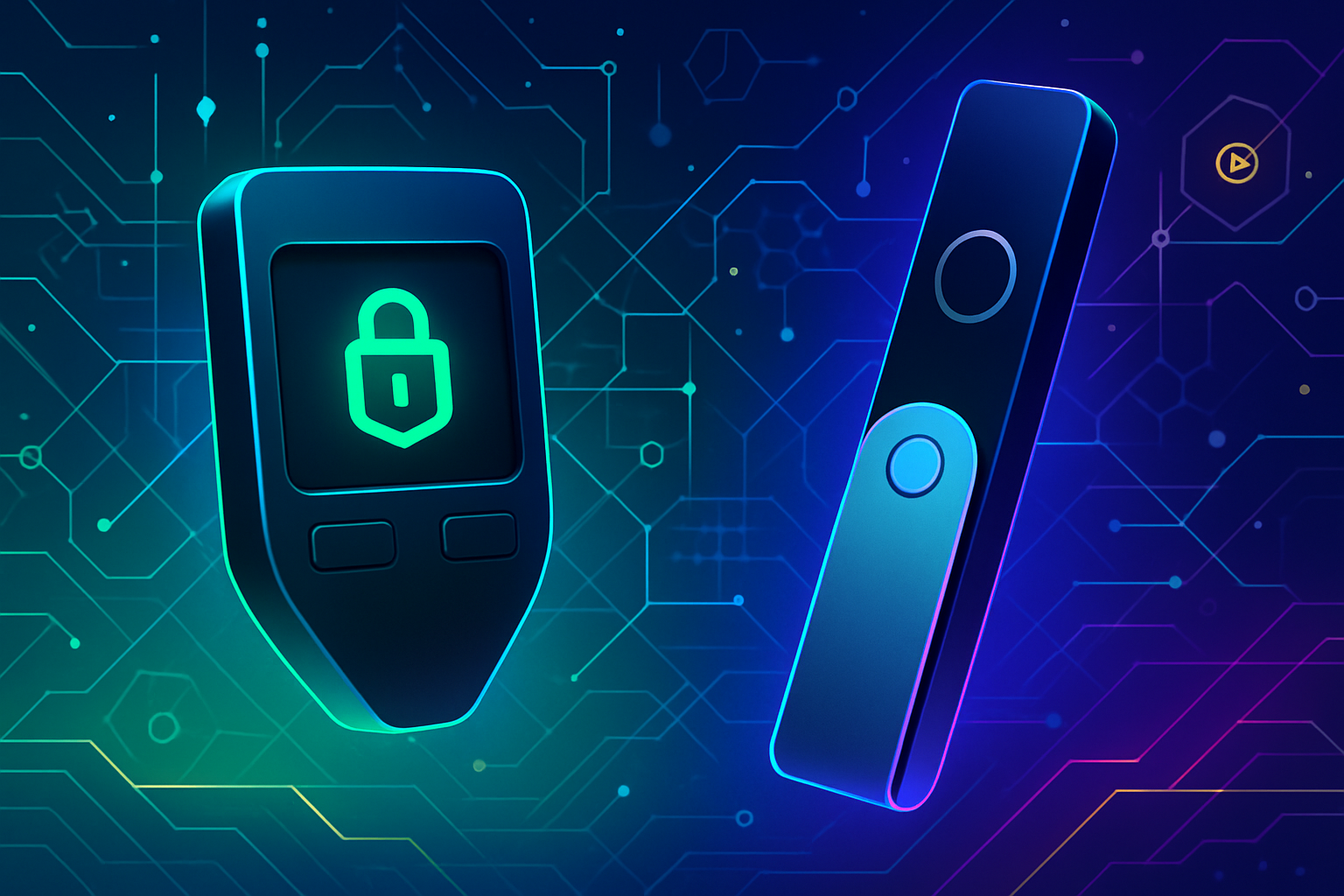
Choosing the right hardware wallet in 2025 is a nuanced decision, especially with the Trezor Safe 7 and Ledger Nano X leading the next generation of crypto security devices. Both wallets have evolved to meet the demands of an increasingly sophisticated user base, but their approaches to security, usability, and connectivity differ in ways that can significantly impact your crypto experience. Let’s break down what makes each device stand out in this competitive landscape.
Design, Display, and Everyday Usability
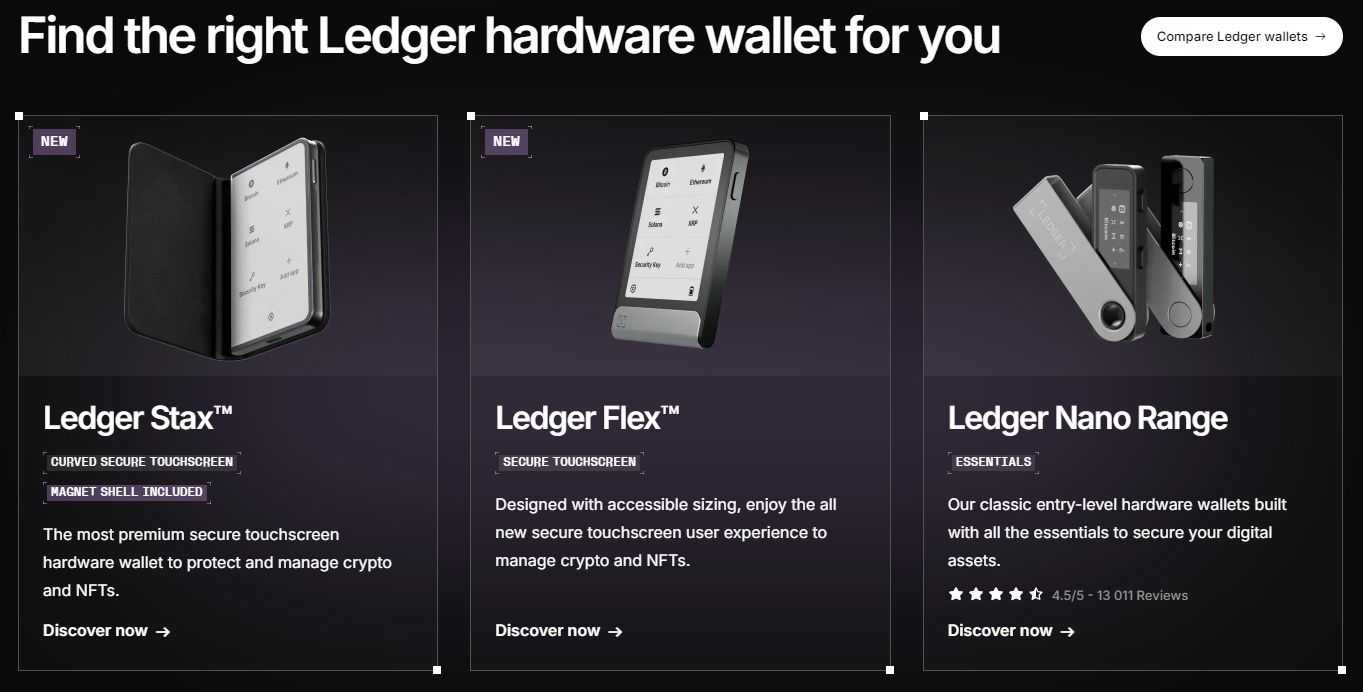
The Trezor Safe 7 immediately sets itself apart with a vibrant 2.5-inch color touchscreen and haptic feedback. This larger display isn’t just about aesthetics; it fundamentally changes how you interact with your crypto assets. Tasks like verifying addresses or approving transactions become more intuitive and secure since you can see more information at a glance. In contrast, the Ledger Nano X maintains its minimalist OLED screen paired with two physical buttons, an approach that favors portability but can make navigation slower for users managing multiple assets or complex transactions.
Trezor’s interface is often praised for its open-source transparency and ease of setup. If you’re new to cold storage, the guided onboarding process on the Safe 7 is forgiving and clear. Meanwhile, Ledger’s design philosophy leans toward compactness and durability, a pocket-sized device that travels well but may require more patience during setup or when entering PINs.
Connectivity: Wireless Capabilities for Modern Crypto Users
Wireless connectivity has become table stakes for premium hardware wallets in 2025. The Trezor Safe 7 introduces Bluetooth support for seamless mobile integration as well as Qi wireless charging, a welcome upgrade for users who want fewer cables on their desks. The Ledger Nano X also supports Bluetooth, making it easy to pair with both iOS and Android devices, while retaining USB-C compatibility for those who prefer wired connections.
If mobile-first security matters to you, say you regularly transact on the go, both devices deliver robust wireless options without compromising core security principles. However, Trezor’s inclusion of wireless charging adds a layer of convenience that power users will appreciate over time.
Security Architecture: Quantum-Ready Chips vs Proven Secure Elements
The heart of any hardware wallet is its secure element, the specialized chip where private keys are stored beyond the reach of malware or hackers. Here’s where the differences between these two leaders become most apparent:
- Trezor Safe 7: Features dual secure elements: an auditable TROPIC01 chip (open-source) combined with an EAL6 and certified secondary chip designed to be quantum-resistant. This forward-thinking architecture positions Trezor at the forefront of future-proofing against emerging threats like quantum computing.
- Ledger Nano X: Relies on a CC EAL5 and certified secure element chip, a proven standard in financial-grade hardware security that has been battle-tested across millions of devices worldwide.
This divergence reflects broader debates within the crypto community: Should you trust open-source chips whose code can be audited by anyone (Trezor), or opt for proprietary chips validated by third-party certifications (Ledger)? Security purists may gravitate toward Trezor’s transparency and quantum-readiness, while institutional investors might value Ledger’s long-standing reputation for physical tamper resistance.
Supported Cryptocurrencies: Breadth vs Depth
Certainly one of the most practical aspects in any hardware wallet comparison 2025: which coins are supported? The Trezor Safe 7 now boasts support for over 9,000 cryptocurrencies, including all major coins and an ever-expanding array of tokens from emerging blockchains. The Ledger Nano X, while trailing slightly at over 5,500 supported assets, still covers virtually every coin a typical investor would need, and often leads in early integration of new ERC-20 tokens thanks to its robust app ecosystem.
If your portfolio skews toward niche tokens or experimental chains, Trezor may offer broader coverage out-of-the-box. For mainstream investors focused on Bitcoin, Ethereum, and top altcoins, both wallets deliver comprehensive support with regular firmware updates keeping pace with industry trends.
If you're looking for an even deeper feature breakdown, including hands-on photos, check out our dedicated visual comparison guide: Trezor Safe 7 vs Ledger Nano X Visual Comparison.
Backup, Recovery, and User Control
How you recover your crypto in a worst-case scenario is just as important as day-to-day security. The Trezor Safe 7 introduces Shamir Backup, an advanced recovery method that lets you split your seed phrase into multiple parts ("shares"). You can distribute these shares across different locations or trusted individuals, only a certain number are needed to restore access. This dramatically reduces the risk of a single point of failure and is ideal for users with significant holdings or those managing assets on behalf of others.
The Ledger Nano X continues to offer the industry-standard 24-word recovery phrase, but there’s also the option of Ledger Recover: a subscription-based, identity-verified backup service. While this appeals to users who want an extra safety net (especially less technically inclined investors), it has sparked debate within the community about privacy trade-offs and reliance on third parties.
This dichotomy highlights a philosophical divide: Trezor’s approach maximizes self-sovereignty and redundancy, while Ledger’s aims for mainstream accessibility, even if it means some users trust an external service. Both strategies have merit depending on your comfort with technology and risk tolerance.
Price, Value, and Which Wallet Fits Your Needs?
Price remains a decisive factor in 2025. The Trezor Safe 7 sits at €249, reflecting its premium build, touchscreen interface, and advanced security features. The Ledger Nano X is more accessible at $149, positioning itself as a powerful yet budget-friendly choice for most retail investors.
If you’re weighing price against features, consider what matters most: Are you paying for future-proof quantum resistance, open-source auditability, and next-level backup? Or do you prefer proven security in a compact device that covers all essential coins without breaking the bank? For many long-term holders with diverse portfolios or higher security concerns, the Trezor Safe 7 may justify its higher price tag. For everyday users or those just entering the space, the Ledger Nano X remains one of the best values available.
Community Sentiment and Real-World Use Cases
The debate between these two wallets isn’t just theoretical, it’s active across forums like Reddit and Twitter. Many cite Trezor’s transparency and tactile interface as reasons for switching from Ledger. Others remain loyal to Ledger due to its longstanding brand reputation and seamless mobile app experience. If possible, try both devices in person or watch unboxing videos before committing; user experience can be highly personal.
If you’d like more visual guidance or want to compare these wallets side by side with detailed photos, see our feature guide: Ledger Nano Gen5 vs Trezor Safe 7 Visual Comparison.
Your Decision Framework: Security vs Usability vs Cost
- If open-source transparency and advanced backup methods are essential: The Trezor Safe 7 stands out.
- If portability, established track record, and affordability matter most: The Ledger Nano X delivers excellent value.
- If wireless charging or quantum resistance are priorities: Only Trezor currently checks both boxes.
- If you want maximum coin support with minimal setup hassle: Both devices excel, choose based on your preferred interface style.
No single wallet is objectively “best” for every user; your priorities, be it security architecture, ease of use on mobile devices, supported coins, or budget, should drive your final choice. As hardware wallet technology continues to evolve rapidly in response to quantum threats and mass adoption trends, both Trezor Safe 7 and Ledger Nano X remain at the forefront of personal crypto security in 2025.


No comments yet. Be the first to share your thoughts!