
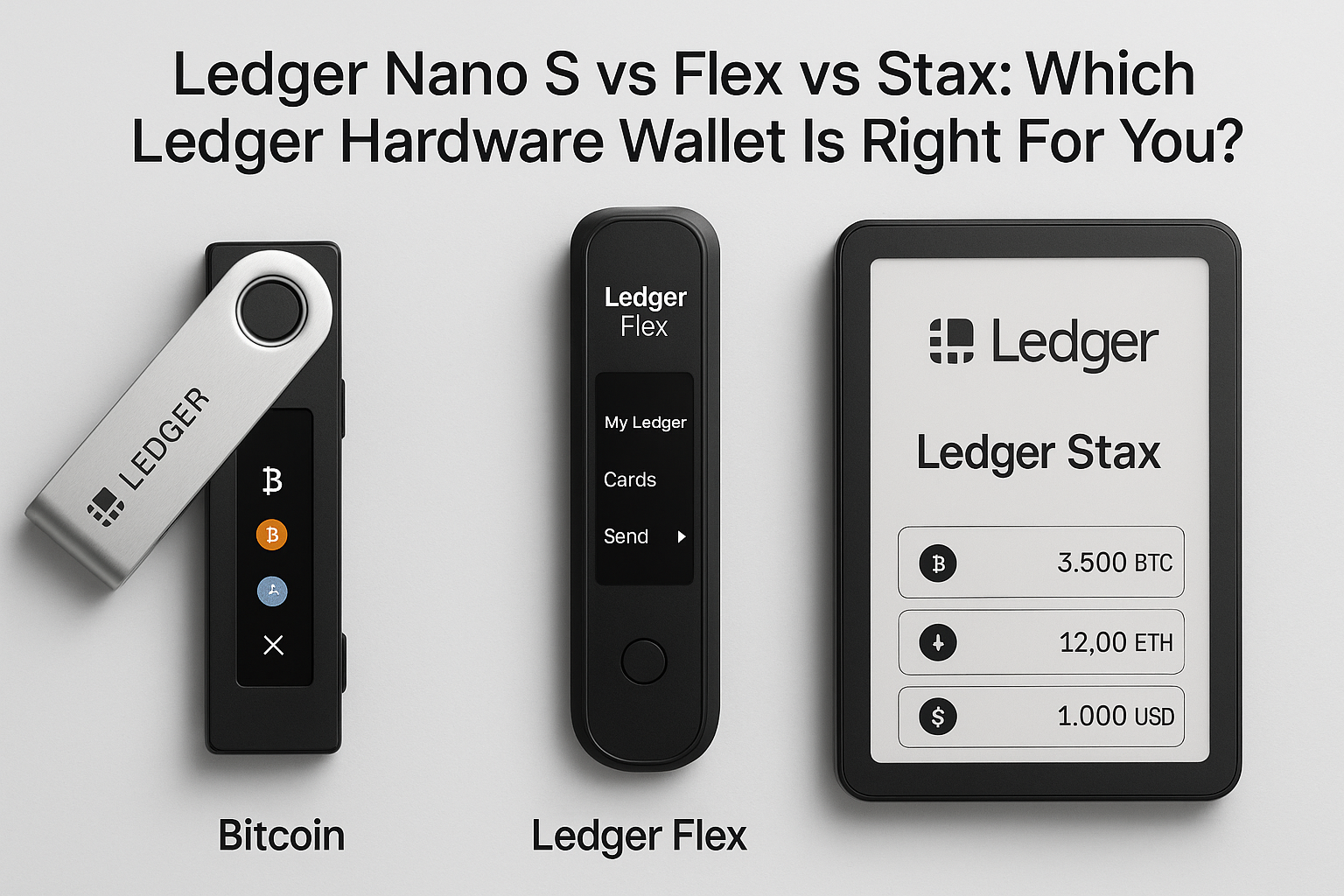
Ledger has long set the benchmark for hardware wallet security, but 2024 brings a new dilemma for crypto holders: Ledger Stax, Ledger Flex, and Ledger Nano S Plus each offer distinct advantages. Which one deserves your trust—and your coins? If you’re weighing up Ledger Nano S vs Flex vs Stax, it’s not just about specs; it’s about matching your needs to the right blend of security, usability, and value.
What Sets Each Ledger Wallet Apart?
The Ledger Nano S Plus is the evolution of a classic: affordable, compact, and proven. The Ledger Flex, meanwhile, is Ledger’s answer to portability with a modern twist—think E-ink display and wireless charging at a mid-range price. The flagship Ledger Stax is all about premium experience: larger curved touchscreen, wireless features galore, and a design that feels more smartphone than USB stick.
Key Differences: Ledger Stax, Flex, and Nano S Plus
- Ledger Stax: Ledger’s flagship wallet, featuring a large E Ink touchscreen for intuitive navigation, wireless charging, and Bluetooth connectivity. It offers robust security with a certified Secure Element and supports over 5,000 crypto assets. Designed for premium usability and a sleek, modern look.

- Ledger Flex: A thin, flexible hardware wallet designed for portability and integration with mobile devices. It features a flexible display and NFC connectivity, making it ideal for on-the-go use. Flex maintains Ledger’s security standards and supports a wide range of cryptocurrencies, though with a more minimalist interface.

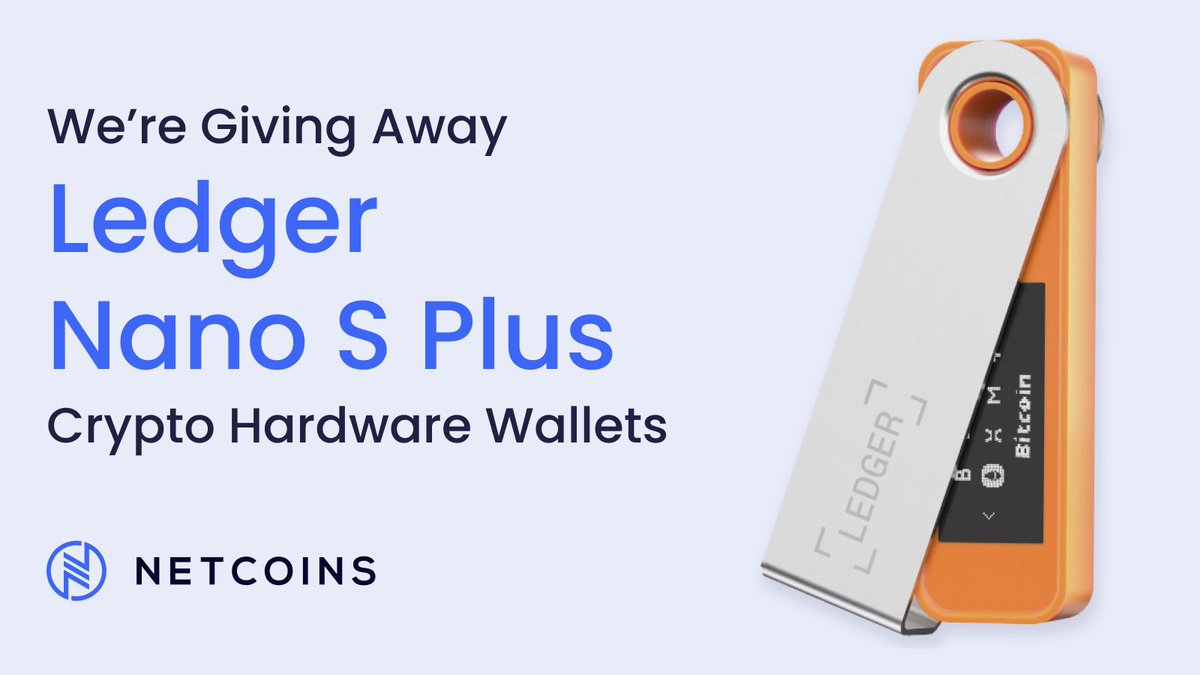
- Ledger Nano S Plus: An upgraded version of the popular Nano S, offering a larger screen and increased storage for apps. It connects via USB-C and supports thousands of coins and tokens. The Nano S Plus is valued for its affordability and reliability, making it a strong entry-level option for secure crypto storage.
The differences aren’t just cosmetic. Each device targets a particular user profile—from the minimalist HODLer to the power user juggling dozens of assets daily.
Security Showdown: Industry-Leading Protection in Every Model
No matter which model you choose—Nano S Plus, Flex, or Stax—all are built around Ledger’s Secure Element chip. This is the same kind of tech used in passports and credit cards. The proprietary OS (BOLOS) keeps your private keys isolated from online threats. In other words: all three devices offer top-tier protection against hacks or malware on your computer.
The main differences? NFC support: Only the Stax and Flex include NFC for seamless mobile pairing; the Nano S Plus sticks to classic USB-C connectivity. And while all three support PIN codes and recovery seed phrases (with optional passphrase), only Stax offers biometric authentication via its advanced touchscreen.
User Experience & Display: Minimalism or Modern Touch?
The days of tiny monochrome screens are fading fast—at least if you opt for Flex or Stax. Here’s how they stack up:
- Nano S Plus: Simple OLED screen; navigation via physical buttons; no touch controls.
- Flex: 2.84-inch E-ink touchscreen (Gorilla Glass); swipe to sign transactions; ultra-portable form factor.
- Stax: Expansive 3.7-inch curved E-ink display; full touch interface; customizable lock screen art—arguably the most intuitive hardware wallet UI yet.
If you’re new to hardware wallets or prefer something ultra-portable with basic features, the Nano S Plus remains compelling. But if you crave modern UX—or want to show off your NFT art every time you sign in—the Stax is hard to beat.
Supported Assets & Ecosystem Integration
No one wants to be locked out of their favorite altcoins or DeFi protocols due to wallet limitations. Fortunately, all three models support thousands of coins and tokens via Ledger Live—but there are nuances:
- Nano S Plus: Supports over 5,500 coins/tokens; limited simultaneous app installs compared to newer models.
- Flex & Stax: Both handle more apps at once thanks to increased memory—ideal for multi-chain users managing diverse portfolios.
If your focus is on major assets like Bitcoin or Ethereum only? Any model will suffice. But if you’re deep into NFTs or DeFi across multiple chains (Solana included), Flex and especially Stax offer more breathing room for apps—and smoother integration with third-party services through Bluetooth/NFC options.
Value & Price: Which Ledger Model Delivers the Most for Your Budget?
The pricing landscape in 2024 reflects both innovation and accessibility. The Ledger Nano S Plus remains the most affordable, typically retailing far below its siblings. The Ledger Flex lands in the mid-tier bracket—its price justified by a leap in usability and premium materials like Gorilla Glass. At the top end sits the Ledger Stax, commanding a premium for its cutting-edge display, wireless charging, and design pedigree (courtesy of Tony Fadell, co-creator of the iPod).
Ledger Stax vs Flex vs Nano S Plus: Feature Comparison (2024)
| Wallet Model | Price (USD) | Screen Type & Size | Supported Assets | Connectivity | Security Features | Battery Life | Unique Features |
|---|---|---|---|---|---|---|---|
| Ledger Stax | $279 | E-Ink Touchscreen, Large | 5,500+ | USB-C, Bluetooth | Secure Element (CC EAL5+), PIN, Recovery Phrase | Weeks (Rechargeable) | Customizable lock screen, Wireless charging |
| Ledger Flex | TBA (Expected ~$100-$150) | Flexible Display, Medium | 5,000+ | USB-C, NFC | Secure Element (CC EAL5+), PIN, Recovery Phrase | Days (Rechargeable) | Ultra-portable, NFC tap-to-sign |
| Ledger Nano S Plus | $79 | OLED, Small | 5,500+ | USB-C | Secure Element (CC EAL5+), PIN, Recovery Phrase | No battery (USB powered) | Affordable, Compact design |
For many users, the Nano S Plus still offers unbeatable value if your needs are basic: cold storage for a handful of coins with no fuss. If you want future-proofing—think touchscreens, NFC payments, or displaying NFT art—the extra investment in Flex or Stax can be justified. The Stax is particularly tempting for those who see their hardware wallet as an everyday companion rather than a device that lives in a drawer.
Community Insights: What Real Users Are Saying
Social media buzz around these devices is telling: some users praise the Stax’s tactile interface and art-friendly screen; others rave about Flex’s practicality on-the-go. Meanwhile, seasoned HODLers often stick with the tried-and-true Nano S Plus for peace of mind.
If you’re still undecided, browsing hands-on reviews—and listening to feedback from real-world users—can help clarify which model matches your lifestyle and technical comfort level.
Which Ledger Wallet Is Right For You?
- Nano S Plus: Best for beginners or minimalists focused on core security at low cost.
- Flex: Ideal for mobile-first users or anyone wanting a sleek touchscreen wallet without breaking the bank.
- Stax: Perfect if you crave luxury, advanced features (like wireless charging), and want your wallet to double as a digital art frame.
The best choice comes down to your priorities: budget versus features versus aesthetics. Each device delivers robust security; it’s how much convenience—and style—you want to layer on top that sets them apart.
The hardware wallet space is evolving rapidly—but with Ledger Stax, Flex, and Nano S Plus, you’re choosing from among industry leaders trusted by millions worldwide. Consider how you interact with crypto daily—and let that guide your decision more than any single spec sheet ever could.




No comments yet. Be the first to share your thoughts!