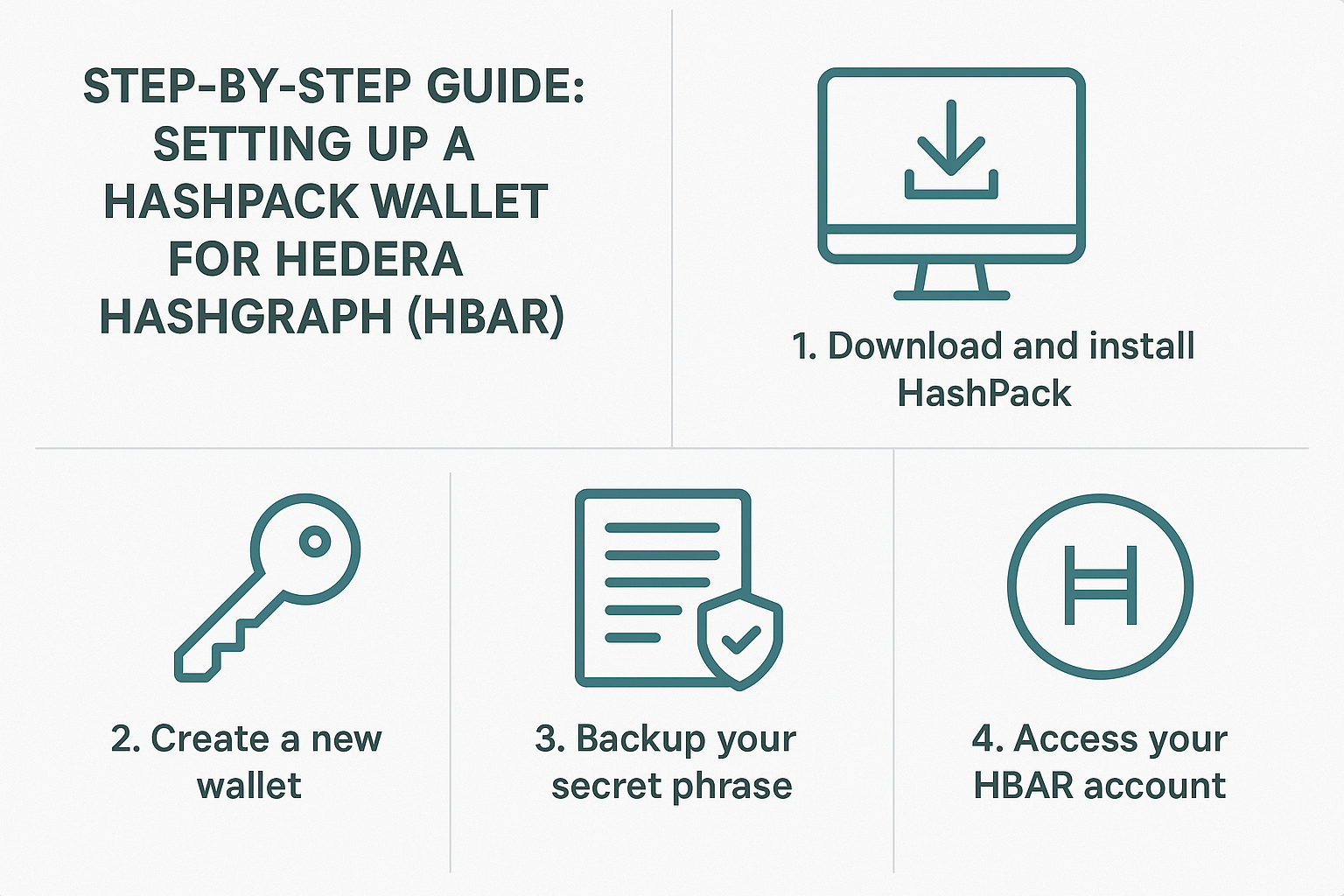
Getting started with Hedera Hashgraph can feel overwhelming, but setting up a HashPack wallet is one of the smoothest onboarding experiences in crypto. Whether you’re looking to store HBAR, interact with dApps, or just explore the Hedera ecosystem, HashPack offers a user-friendly path for both beginners and seasoned users. In this guide, I’ll walk you through each step, highlight essential security tips, and share real-world insights from the community.
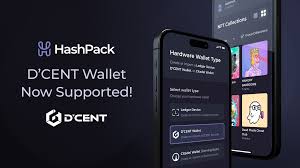
HashPack wallet desktop interface screenshot for Hedera Hashgraph HBAR setup guide

Why Choose HashPack for Your Hedera Wallet?

HashPack stands out as a go-to wallet for HBAR holders because of its seamless setup process, robust security features, and compatibility with hardware wallets like Ledger. It’s available as a browser extension and web app—so you can access your funds from almost anywhere. Plus, the team behind HashPack is active in supporting users and rolling out new features.

  • User-Friendly: Intuitive interface for easy onboarding
  • Secure: Options to connect with hardware wallets
  • dApp Access: Connect to NFTs, DeFi apps, and more on Hedera

Preparing for Your HashPack Wallet Setup

Before jumping in, make sure you have these essentials ready:

  • A secure device (desktop or laptop preferred)
  • An up-to-date web browser (Chrome or Brave recommended)
  • A safe place to write down your seed phrase (pen & paper—never digital!)
  • If using a hardware wallet: your Ledger device set up with the Hedera app installed

This preparation will help ensure your onboarding is smooth and secure from the start.

Create Your New HashPack Wallet for Hedera
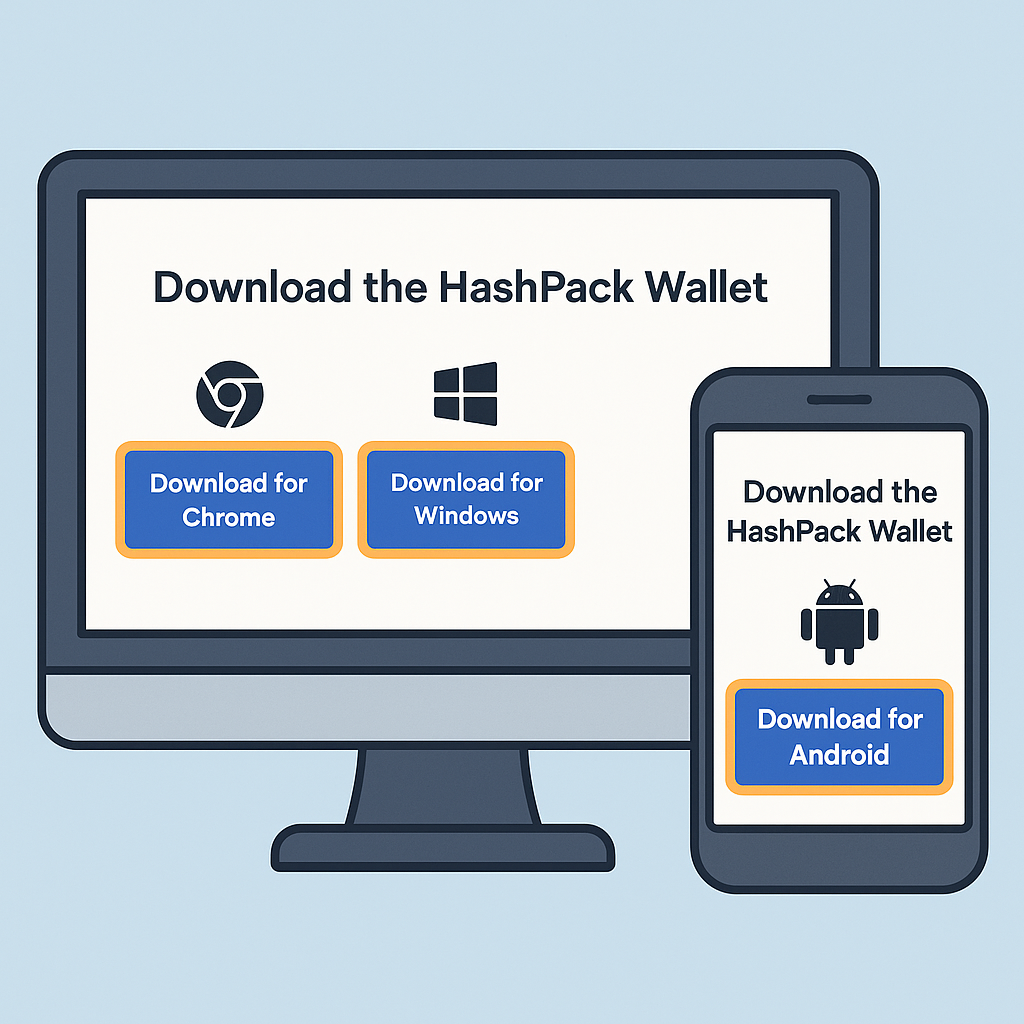
A computer and smartphone screen displaying the HashPack wallet download page, with download buttons highlighted.
Download the HashPack Wallet App
Visit the official HashPack website and choose the appropriate version for your device (browser extension, desktop, or mobile). Download and install the app to get started.
A friendly app welcome screen with the 'Create New Wallet' button clearly visible and highlighted.
Open the App and Select 'Create New Wallet'
Launch the HashPack app. On the welcome screen, select 'Create New Wallet' to begin setting up your Hedera wallet.
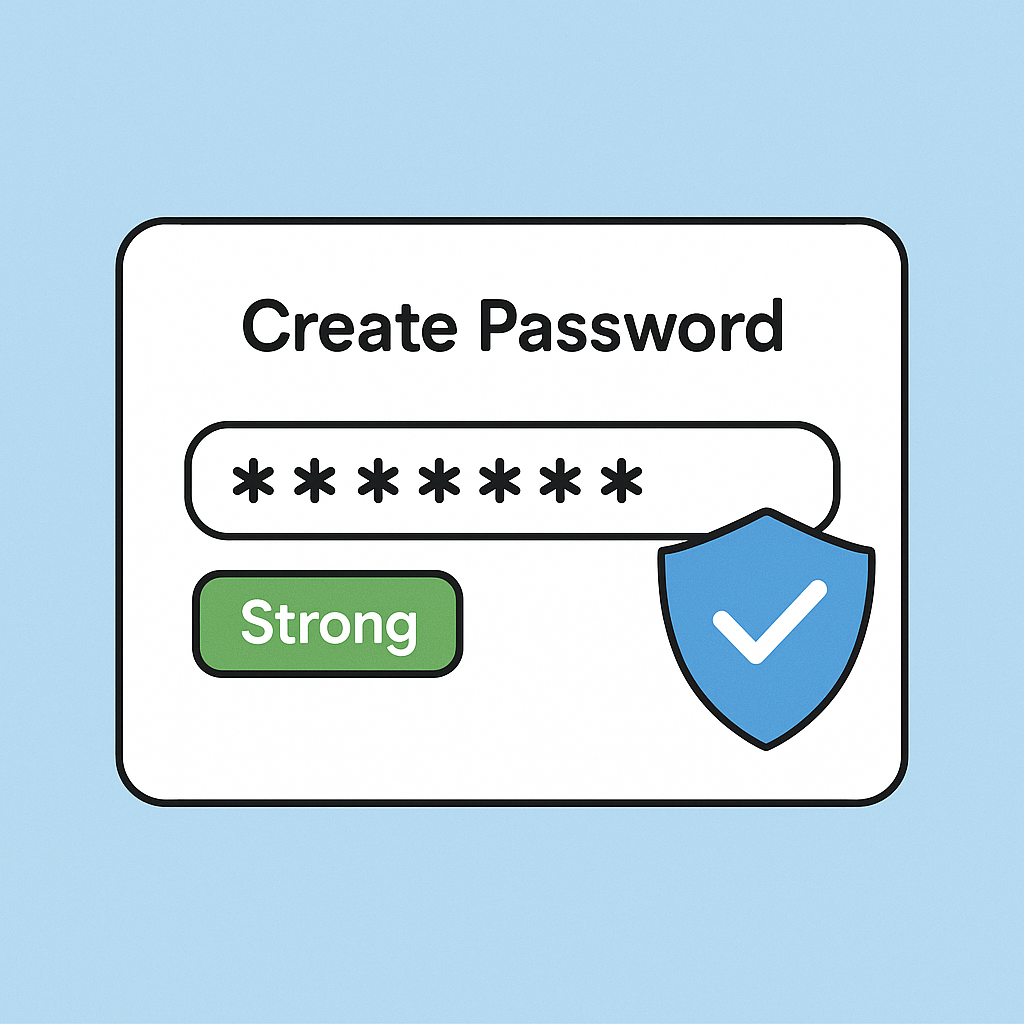
A password creation screen with a strong password being entered and a shield icon for security.
Set a Secure Password
Create a strong password for your wallet. Make sure it’s unique and not easily guessable. This password will protect your wallet locally.
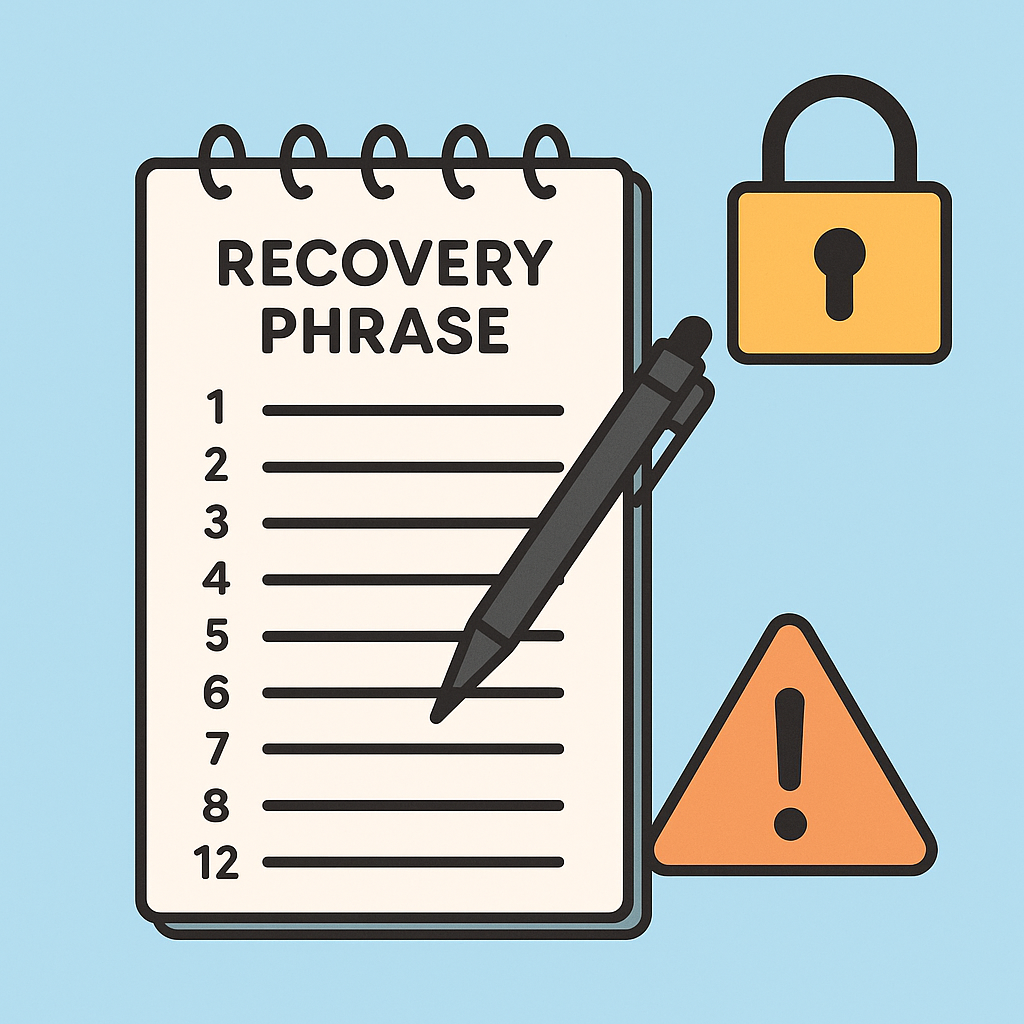
A notepad and pen with a recovery phrase being written, a lock and warning icon nearby for security emphasis.
Back Up Your Secret Recovery Phrase
Write down the secret recovery phrase shown to you. Store it in a safe, offline location. This phrase is essential for wallet recovery—never share it with anyone.
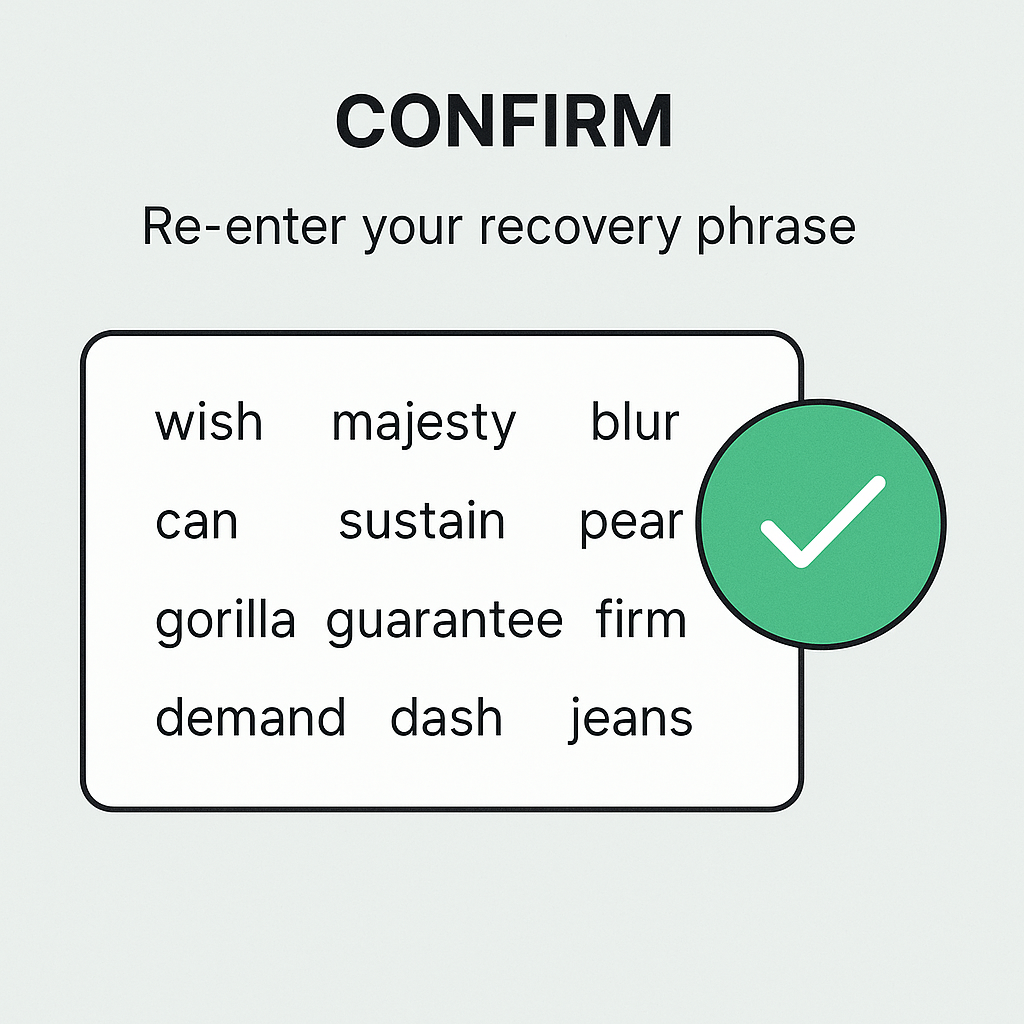
A confirmation screen where the user is re-entering their recovery phrase, with a checkmark appearing.
Confirm Your Recovery Phrase
To ensure you’ve saved your phrase correctly, re-enter it as prompted by the app. This step confirms you have the correct backup.
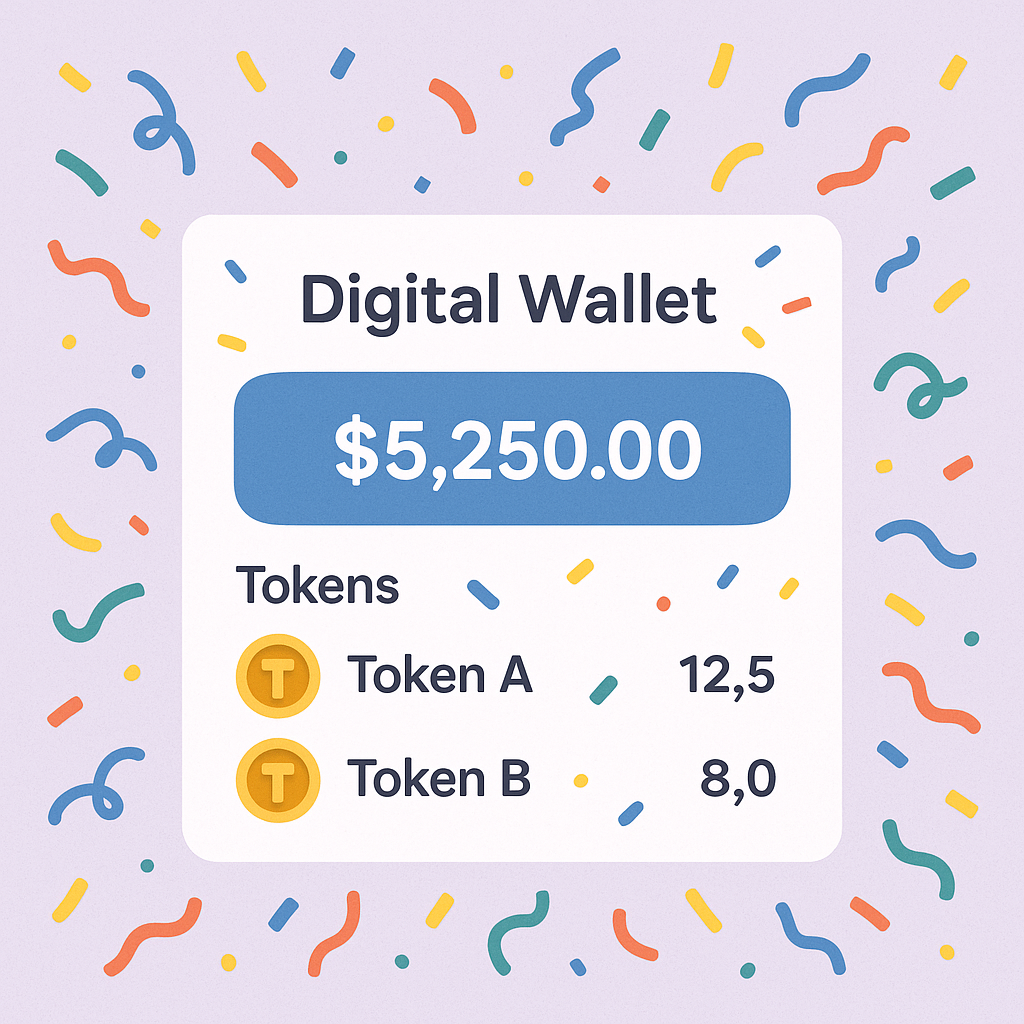
A digital wallet dashboard displaying account balance and tokens, with a celebratory confetti effect.
Access Your New Wallet
Congratulations! You’ve successfully created your HashPack wallet. You can now view your Hedera account and start managing HBAR and tokens.

Your First Login: What to Expect & Security Tips

The first time you launch HashPack—whether via browser extension or web app—you’ll be prompted to create a password. This password encrypts your local wallet data; it’s not recoverable by anyone else. Next comes the most critical part: backing up your 24-word seed phrase. This phrase gives access to your assets if you ever lose your device or forget your password.

  • Never share your seed phrase with anyone.
  • Avoid storing it digitally; write it down and keep it somewhere safe.
  • If connecting a Ledger device, follow on-screen prompts carefully for extra protection.

Essential Security Tips for Your New HashPack Wallet

How should I back up my HashPack wallet recovery phrase?
It's crucial to write down your recovery phrase (also called a seed phrase) on paper and store it in a safe, private location—never digitally or online. Avoid taking screenshots or saving it in cloud storage, as these methods are vulnerable to hacking. Consider using a fireproof safe or a secure safety deposit box to keep your backup extra secure.
📝
What are the best practices for creating a strong wallet password?
When setting up your HashPack wallet, choose a password that is at least 12 characters long, combining uppercase and lowercase letters, numbers, and special symbols. Avoid using easily guessed information like birthdays or common words. A strong password adds an extra layer of protection to your wallet, making it much harder for unauthorized users to gain access.
🔒
Can I recover my HashPack wallet if I lose my device?
Yes, you can recover your HashPack wallet on a new device as long as you have your recovery phrase. Simply install HashPack, select the option to restore an existing wallet, and enter your recovery phrase exactly as you wrote it down. Without this phrase, your wallet and funds cannot be recovered, so keep it safe!
📱
How do I protect my HashPack wallet from phishing scams?
Always ensure you are downloading HashPack from the official website or trusted app stores. Be wary of unsolicited messages or emails asking for your recovery phrase or wallet details—legitimate services will never request this information. Double-check URLs and never click suspicious links to keep your wallet safe from phishing attacks.
🚫
Is it safe to store my recovery phrase digitally?
Storing your recovery phrase digitally is not recommended. Digital files can be hacked, stolen, or accidentally deleted. For maximum security, always use offline, physical storage methods like writing it on paper or using a metal backup. This greatly reduces the risk of your recovery phrase being compromised.
💡

With these basics covered, you’re ready to dive deeper into using your new HBAR wallet—exploring funding options, connecting dApps, and making your first transactions on Hedera. Let’s keep going!