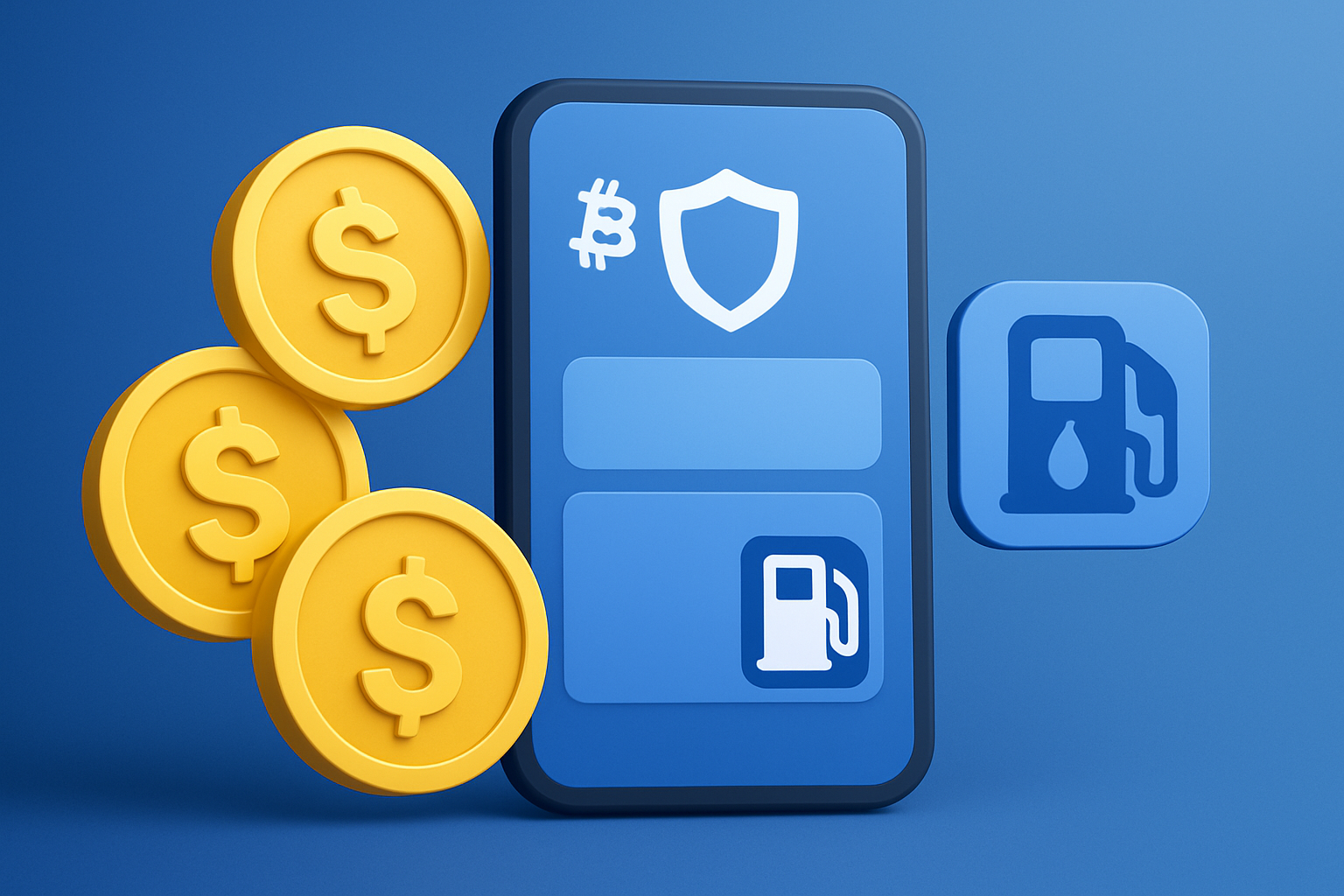
If you’ve ever tried to send crypto and been hit with an error about “insufficient gas fees, ” you know how frustrating the experience can be. For years, crypto wallets have required users to keep a stash of native network tokens like ETH or BNB, just to pay transaction fees. This has been one of the biggest stumbling blocks for newcomers and seasoned users alike. But now, Trust Wallet’s new FlexGas feature is changing the game by letting you pay gas fees with stablecoins like USDT and USDC, as well as Trust Wallet Token (TWT), making the whole process smoother and more accessible.

Why Gas Fees Are a UX Nightmare (And Why It Matters)
Let’s be honest: the requirement to hold native coins just for gas is a major user experience pain point. Imagine wanting to send your USDC but being told you need $20 worth of ETH just to move it. Or worse, getting stuck because you forgot to top up your BNB balance before a big swap. This isn’t just inconvenient - it’s a real barrier for mainstream adoption.
Reddit threads are filled with complaints about sky-high gas fees and failed transactions due to insufficient native token balances. One user recently shared their frustration at being asked for over $130 in gas fees by Trust Wallet when trying to move USDC on Ethereum - a situation that’s all too common when network congestion spikes (Reddit · r/ethereum). These experiences highlight why innovation around fee payments is so crucial.
Introducing FlexGas: Pay Gas Fees With Stablecoins and TWT
FlexGas, launched by Trust Wallet in May 2025, allows users to pay transaction fees with TWT ($0. 7180), USDT, or USDC, alongside traditional options like ETH and BNB (trustwallet. com). This means you no longer need to juggle multiple token balances or risk failed sends due to low native coin reserves.
The magic behind FlexGas comes from Ethereum’s EIP-7702 upgrade. In plain English, this lets wallets temporarily act like smart contracts during transactions - unlocking new flexibility without sacrificing security or self-custody (BeInCrypto overview). For now, FlexGas works on both Ethereum and BNB Smart Chain networks, but Trust Wallet has plans for even wider support soon.
How Does FlexGas Improve Crypto Wallet UX?
This is more than just a technical upgrade - it’s a fundamental shift in crypto wallet UX. Here are some ways FlexGas makes life easier:
- No more stranded funds: You can send tokens without worrying if you have enough ETH or BNB for fees.
- Simpler onboarding: New users can transact using familiar stablecoins instead of learning about native gas tokens first.
- Fewer failed transactions: The risk of hitting “insufficient gas” errors drops dramatically.
- Easier multi-chain activity: As support expands, moving assets across chains will feel much more seamless.
This kind of flexibility is especially helpful as more activity shifts toward stablecoins - which now make up around 80% of on-chain transactions according to recent research (Finna on Medium). Paying network fees directly in stablecoins simply makes sense for modern crypto flows.
Real-World Impact: What FlexGas Means for Everyday Crypto Users
For many users, the promise of crypto has always been freedom and flexibility. But that promise often hits a wall when you’re forced to keep an awkward stash of native tokens just to cover unpredictable gas fees. Trust Wallet FlexGas changes this dynamic in a way that feels genuinely user-first, not just developer-friendly.
Let’s break down how this plays out in real life:
Top 5 Ways FlexGas Improves Crypto Transactions
- No Need to Hold Native Coins for Gas: With FlexGas, you can pay transaction fees using TWT (currently priced at $0.7180), USDT, or USDC. This means you no longer have to keep ETH or BNB in your wallet just for gas, making crypto management much simpler.

- Reduces Failed Transactions: FlexGas lowers the risk of failed transactions caused by insufficient gas balances. Beginners and experienced users alike benefit from fewer interruptions and smoother transfers.
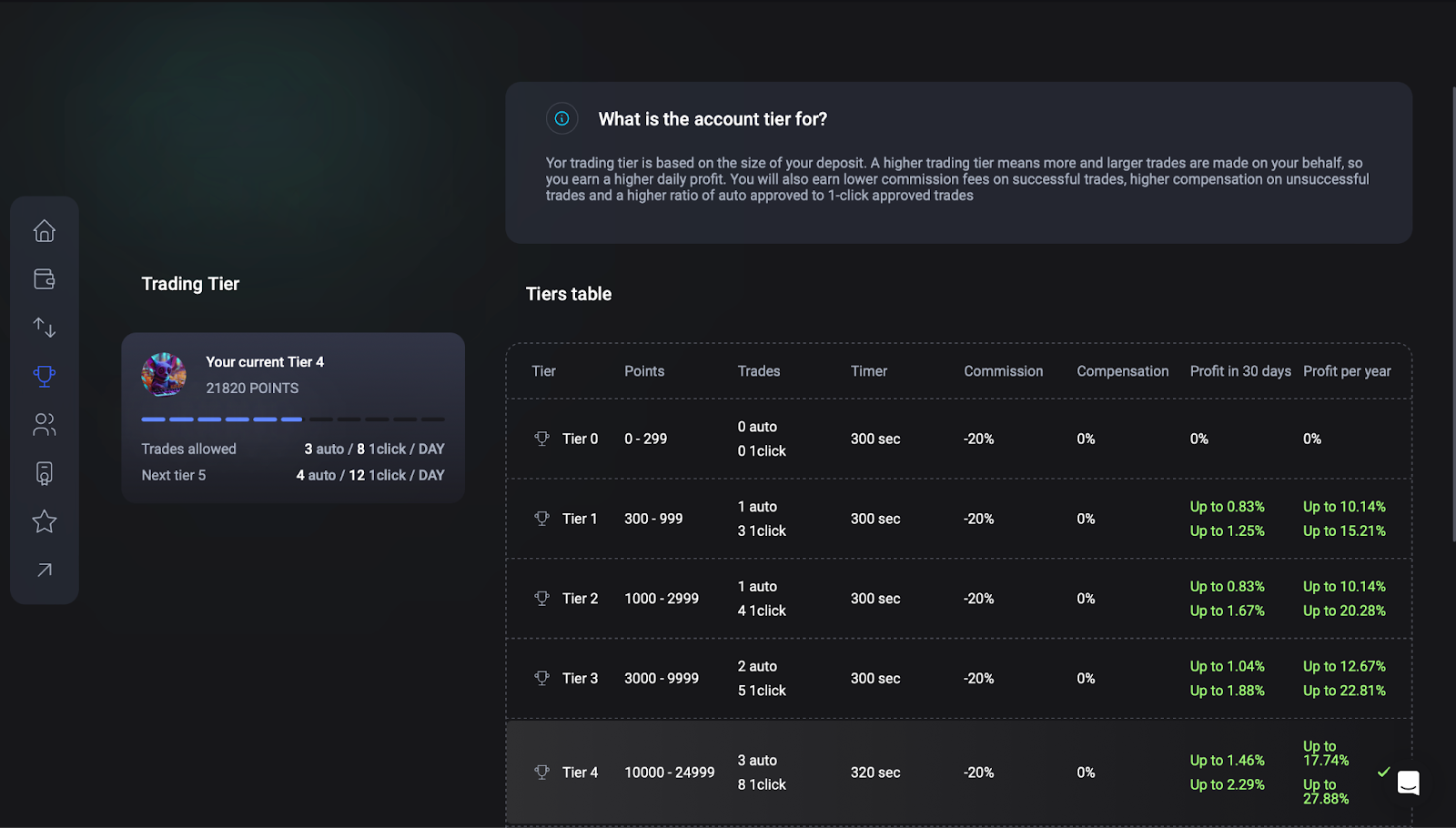
- Simplifies Multi-Token Management: Managing multiple token balances is now easier. FlexGas lets you use stablecoins or TWT for gas, so you can focus on your main assets without worrying about topping up native tokens.
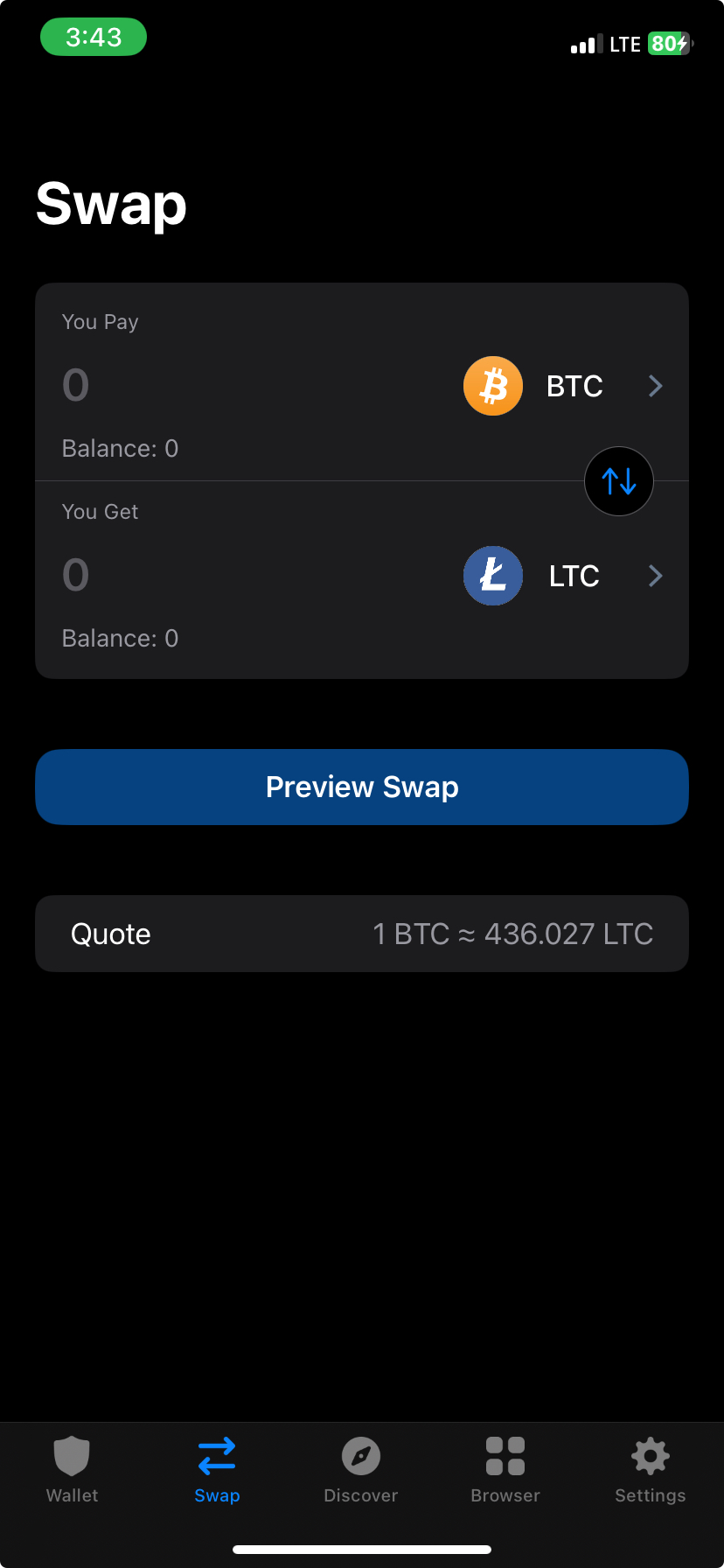
- Supports Major Networks: FlexGas is available on Ethereum and BNB Smart Chain, covering two of the most widely-used blockchains. More network support is planned, making it even more versatile.

- Powered by Latest Blockchain Innovation: FlexGas uses EIP-7702, allowing wallets to act like smart contracts for flexible fee payments. This keeps your funds secure while delivering a seamless user experience.

Imagine you want to send $100 in USDT to a friend. Previously, if you didn’t have enough ETH for gas, your funds were stuck. Now, with FlexGas, you can pay the fee directly from your USDT balance, no more scrambling for spare change in another asset. The same goes for TWT and USDC. This small shift removes a major source of friction and stress.
What About Gas Fees During High Congestion?
Network congestion is still a reality, sometimes Ethereum transactions spike to eye-watering levels (as some Redditors recently lamented). But FlexGas at least gives you options. If ETH fees are high but you have USDT or TWT handy, you aren’t forced to buy more ETH just to get your transaction through. This is especially powerful during volatile market periods when every second (and every dollar) counts.
It’s worth noting that while FlexGas doesn’t magically lower network fees themselves, it does make covering them far less stressful. Plus, as Trust Wallet continues refining its swap features and liquidity sourcing (see the official announcement), there’s hope that future updates could help optimize costs even further.
How Does Trust Wallet Compare to Other Web3 Wallets?
If you’re comparing Web3 wallets, this is one of those rare features that stands out immediately. While other wallets are starting to experiment with stablecoin gas fee payments, Trust Wallet is the first major player to roll it out at scale, powered by the latest EIP-7702 standard (BeInCrypto overview). For anyone looking at a Web3 wallet comparison, FlexGas is now a serious differentiator.
The current price of Trust Wallet Token (TWT) sits at $0. 7180, with 24-hour movement showing steady interest ( and $0. 0342 or and 0. 0500%). As more users discover the convenience of paying gas fees with TWT itself, as well as USDT or USDC, the demand for wallets offering similar flexibility will only grow.
The Future: More Networks and Even Smoother UX Ahead?
Right now, FlexGas works on Ethereum and BNB Smart Chain, but Trust Wallet has signaled plans to expand support further. As EIP-7702 adoption grows across other blockchains, expect even more seamless cross-chain experiences where “insufficient gas” errors become relics of the past.
This isn’t just about saving time or reducing headaches, it’s about making crypto approachable for everyone. Whether you’re brand new or a DeFi power user hunting for efficiency gains, features like FlexGas show how wallet UX can evolve from frustrating to empowering.
If you’re ready to try it yourself or want more details straight from the source, check out Trust Wallet’s official guide here. And keep an eye on their roadmap, crypto wallet UX is finally getting the upgrade we’ve all been waiting for!


No comments yet. Be the first to share your thoughts!